



Discover which countries are pushing inclusivity forward and what super gay old fun can be had there
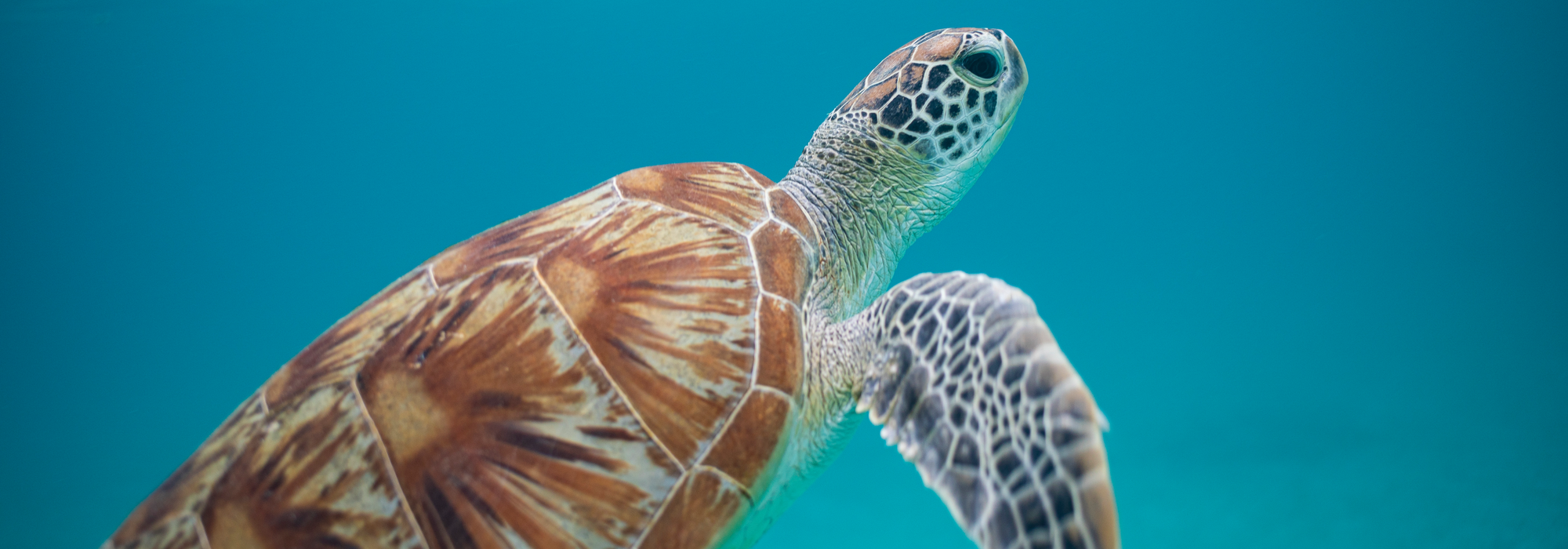
Dive into vibrant underwater worlds and discover remarkable marine creatures in these unforgettable snorkelling destinations
Read on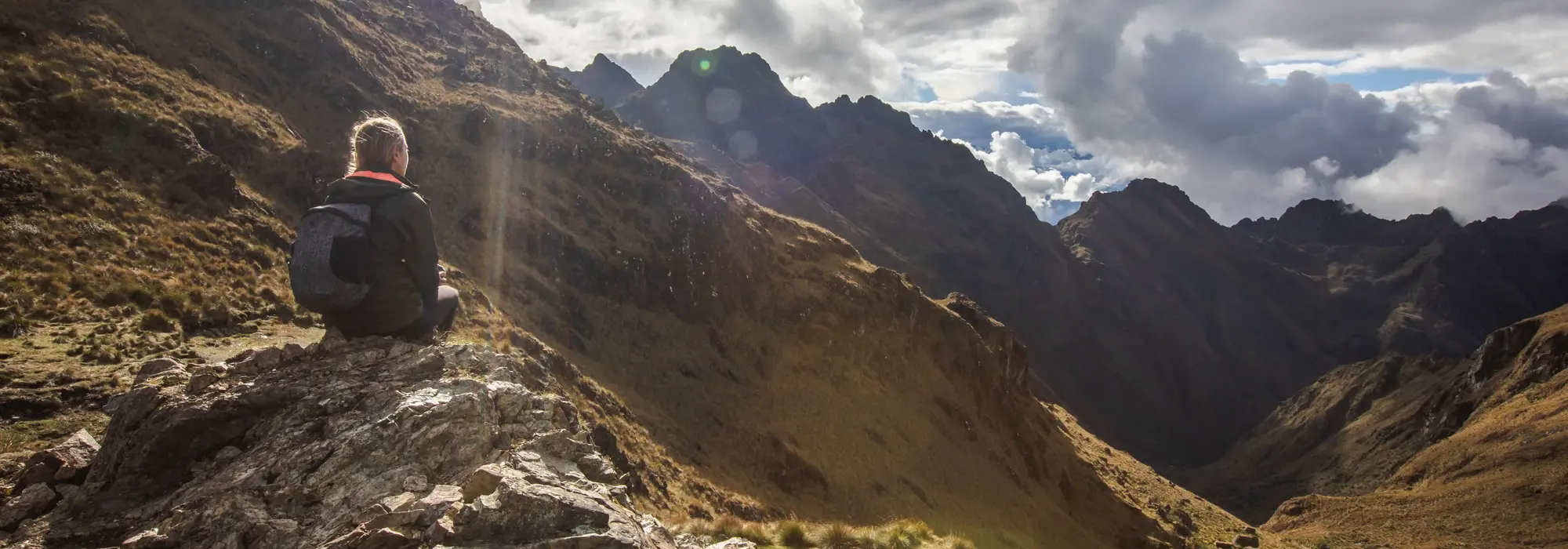
You dream of following in the footsteps of ancient Incas to Machu Picchu — we’ve got the answers to help get you there
Read on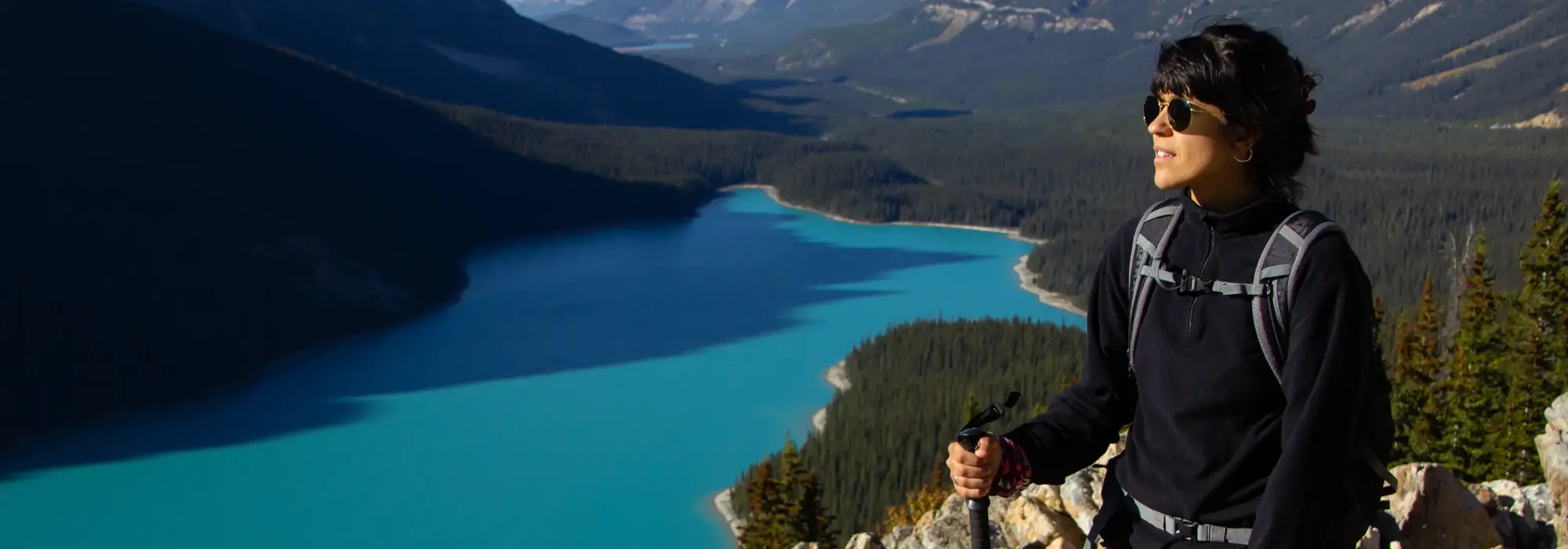
Glacier hikes, turquoise lakes, buzzing towns, and starlit skies — get ready for a wild romp in Western Canada
Read on
Discover which countries are pushing inclusivity forward and what super gay old fun can be had there
Meet Ritesh, whose 200-plus travel days turned strangers into lifelong friends across six unforgettable continents
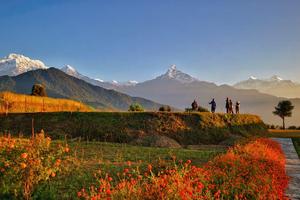
A trip to Nepal left this traveller with a renowned appreciation for experiencing culture and connection through travel
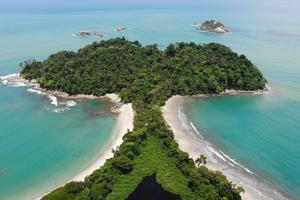
Debbie Bowman and her daughter Amanda embarked on their first mother-daughter trip to Costa Rica in 2025, discovering adventure, connection and unforgettable memories along the way
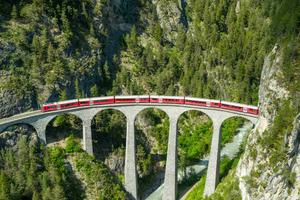
London-based National Geographic Expert Tim Jepson shares how travel education deepens experiences for curious travellers worldwide
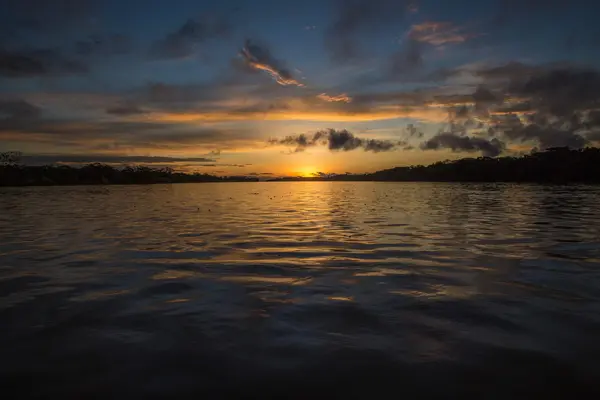
From jungle treks deep in the Amazon to polar expeditions to both poles, these dreamy quietcations are made for switching off and properly escaping the noise
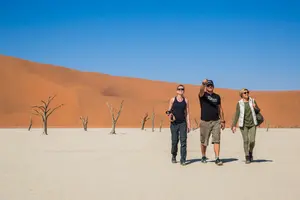
The desert meets the sea in Namibia, a southern African country where wide-open skies are outlined with cinematic dunes and you’re likely to spot zebras, oryx, and cheetahs around every corner
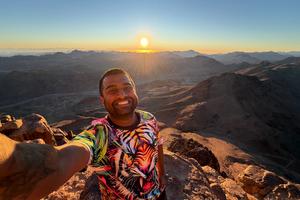
At 30-years-old, Ritesh Maharaj traded in his 9-5 for a gap year of travelling with G Adventures
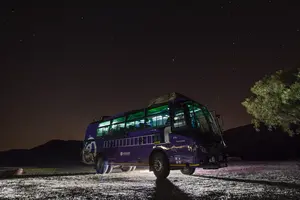
Overland travel offers a front-row seat to Africa’s diversity, so sign up for an adventure tour to explore multiple countries in one trip in G Adventures' custom-built Lando
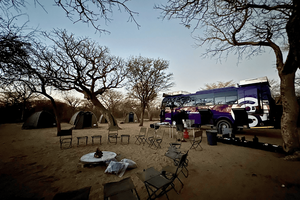
Ana Santa Maria spent two weeks camping in Southern Africa. Here’s why it’s still her favourite trip to this day
From jungle treks deep in the Amazon to polar expeditions to both poles, these dreamy quietcations are made for switching off and properly escaping the noise
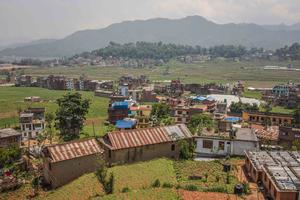
For over 14 years, Panauti Community Homestay has hosted travellers around the world and provided opportunities for Nepali women and youth

Since the 1950s, The Dwarika’s Hotel has been collecting and restoring historic artifacts that paint the picture of Kathmandu Valley’s rich heritage
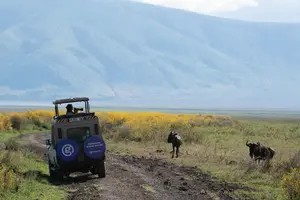
From the savannah to the sea, these G Adventures tours deliver unforgettable wildlife moments where you get to see the planet’s most extraordinary creatures up close
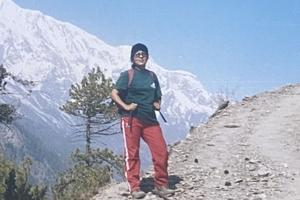
Three sisters in Nepal transformed trekking — empowering women, challenging norms, and reshaping the overall travel experience

Explore Greece’s top islands where ancient history, crystal-clear waters, and vibrant culture combine to create the perfect Mediterranean escape
From jungle treks deep in the Amazon to polar expeditions to both poles, these dreamy quietcations are made for switching off and properly escaping the noise
Meet Ritesh, whose 200-plus travel days turned strangers into lifelong friends across six unforgettable continents
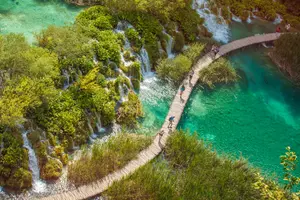
Offering dreamy days by the water, hikes to glacial blue lakes, and historic walled cities, Croatia has endless appeal for travellers
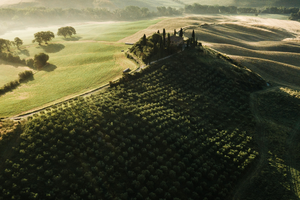
From the cliffside villages of Cinque Terre to the aromatic zest of lemons on the Amalfi coast, we make our case through pictures
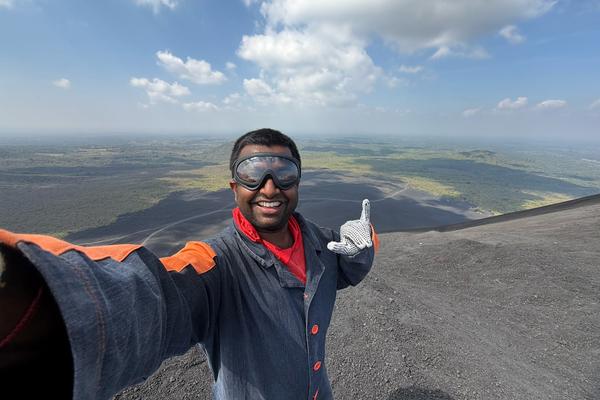
Meet Ritesh, whose 200-plus travel days turned strangers into lifelong friends across six unforgettable continents
At 30-years-old, Ritesh Maharaj traded in his 9-5 for a gap year of travelling with G Adventures
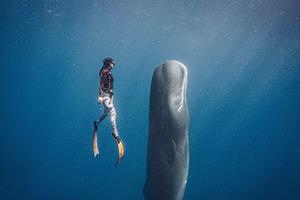
Discover why our brand-new destination Dominica is the Caribbean’s best-kept secret for hikers, divers, adventure seekers, and untamed nature lovers
From the savannah to the sea, these G Adventures tours deliver unforgettable wildlife moments where you get to see the planet’s most extraordinary creatures up close
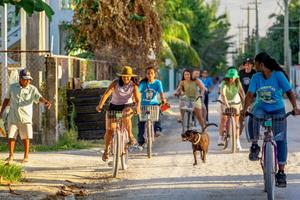
On Caye Caulker, see how one school is transforming education — and futures — for the island’s young people
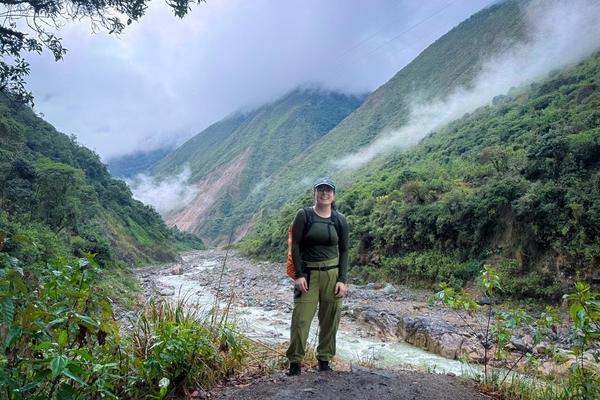
For her 31st birthday, Jordan LoMonaco challenged herself to a 5-day high-altitude trek — and completed it
Meet Ritesh, whose 200-plus travel days turned strangers into lifelong friends across six unforgettable continents
At 30-years-old, Ritesh Maharaj traded in his 9-5 for a gap year of travelling with G Adventures
From the savannah to the sea, these G Adventures tours deliver unforgettable wildlife moments where you get to see the planet’s most extraordinary creatures up close

It's almost Valentine's Day, so we’ve got destination suggestions for couples, solo travellers, friend groups and more
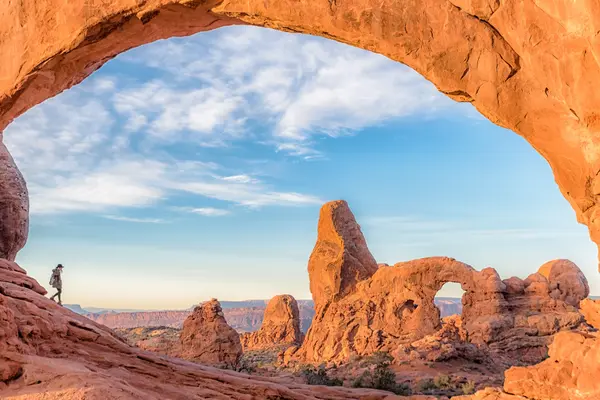
From mountain summits to forest trails, these unforgettable hikes are perfect for celebrating National Trails Day (June 6)
From jungle treks deep in the Amazon to polar expeditions to both poles, these dreamy quietcations are made for switching off and properly escaping the noise
Meet Ritesh, whose 200-plus travel days turned strangers into lifelong friends across six unforgettable continents
From the savannah to the sea, these G Adventures tours deliver unforgettable wildlife moments where you get to see the planet’s most extraordinary creatures up close
It's almost Valentine's Day, so we’ve got destination suggestions for couples, solo travellers, friend groups and more
Meet Ritesh, whose 200-plus travel days turned strangers into lifelong friends across six unforgettable continents

Meet the woman reshaping our Egypt tours with purpose, empowerment and community impact
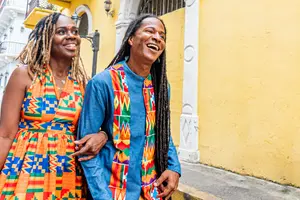
From blissed-out beach trips to exploring new cities and authentically getting under the skin of a destination, plan your travels around what makes you happy

Travelling makes us happy — we all know that — but often it’s less about where we go and more about our experiences and how they make us feel

Trips with G Adventures offer just the right mix of structure and spontaneity for first-timers, so start your story as a traveller off right
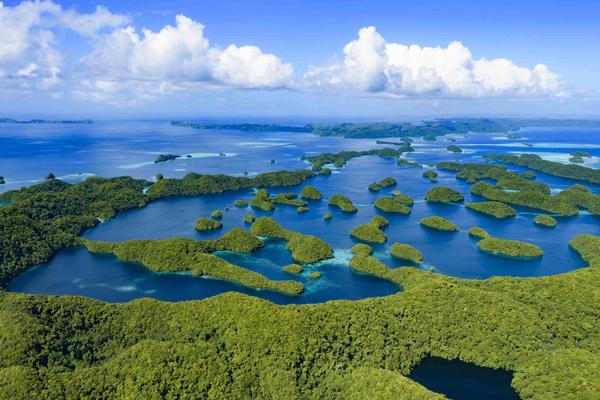
Dive into one of the world’s last frontiers to learn about marine conservation, snorkel across kaleidoscopic coral reefs and more
Trips with G Adventures offer just the right mix of structure and spontaneity for first-timers, so start your story as a traveller off right
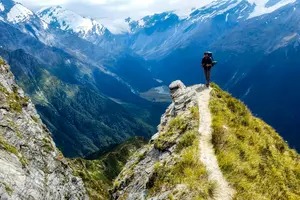
Experience the best of New Zealand through epic landscapes, outdoor thrills, and unforgettable cultural encounters
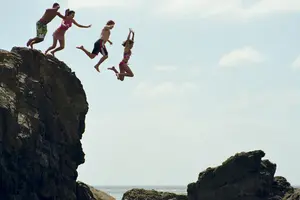
From geothermal wonders to beaches and wineries, learn whether New Zealand’s North Island or South Island is the right fit for your trip
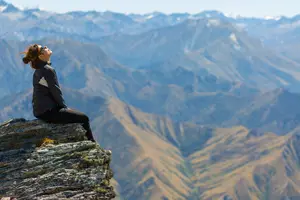
Discover Queenstown's must-do experiences, from bungee jumps and alpine hikes, and travel tips to ensure you have the visit of a lifetime
From jungle treks deep in the Amazon to polar expeditions to both poles, these dreamy quietcations are made for switching off and properly escaping the noise
From the savannah to the sea, these G Adventures tours deliver unforgettable wildlife moments where you get to see the planet’s most extraordinary creatures up close
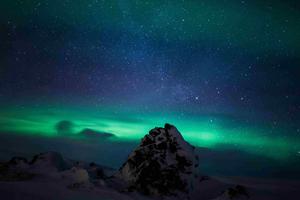
This Valentine’s Day, fall for landscapes that ask you to slow down and look that little bit closer.
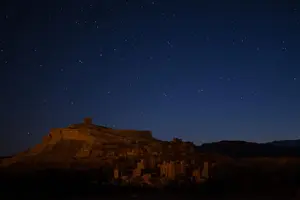
Join us on a journey to some of the planet's most beautiful and awe-inspiring landscapes
From blissed-out beach trips to exploring new cities and authentically getting under the skin of a destination, plan your travels around what makes you happy