48 hours in Tbilisi: a weekend in Georgia’s capital
Dive into the heart of Georgia for 48 hours, strolling through historic streets, relaxing in a sulfur bath and exploring local cuisine
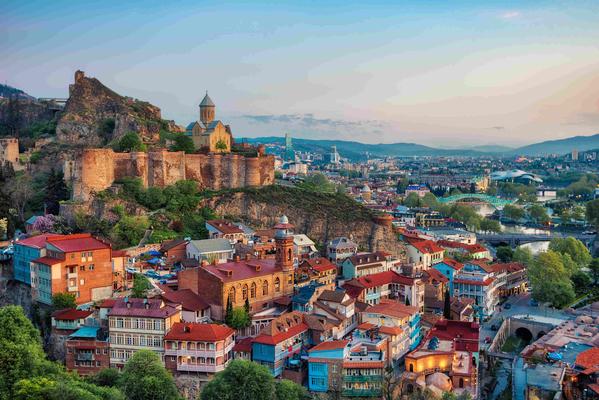
Tbilisi, the largest city in Georgia — one of the world's most underrated destinations — offers a unique blend of ancient and modern architecture, from ornate balconies leaning over narrow streets, to centuries-old bathhouses built on natural hot springs.
It’s a city rich in history that rewards curiosity. If you’re the kind of traveller who likes to explore without overplanning, take detours down side streets, and pause for food whenever something smells good, then Georgia’s capital will treat you well. Here’s how to spend two full days in Tbilisi in a way that feels authentic, relaxed, and memorable.
Day 1
Morning: old streets and hot springs
Start your first morning in the heart of the city: Old Tbilisi. It’s the heart of the city and the best place to get oriented, not just geographically but emotionally. You’ll feel the atmosphere here straight away: narrow streets that twist and wander, courtyards tucked behind gates, carved wooden balconies, and layers of history that aren’t preserved behind glass — they’re simply part of daily life.
Head to Freedom Square and walk towards the Old Town, passing through some of the city’s busiest streets, before slowly slipping into quieter, more intimate corners. Take your time to make stops for coffee, bread and picturesque photos.
From here, it’s time to lean into one of Tbilisi’s most defining experiences: a sulfur bath. This city is known for its natural hot springs, and sulfur water bathing has been part of Tbilisi life for centuries. In the Abanotubani district (also known as the ‘bath district’), you’ll find numerous domed brick bathhouses sitting along the river like something from another era. Booking a private room is the most comfortable option for most travellers, and it allows you to slow down in a way that travel doesn’t always encourage.
The sulfur water is mineral-rich and deeply relaxing, and if you choose to add the traditional scrub treatment, it’s intense — but also surprisingly satisfying. Either way, you’ll leave calmer than you arrived.
Afternoon: a ride to the top of Tbilisi
Make your way toward Rike Park and take the cable car up to Narikala Fortress. From the top, take in a bird’s eye view of Tbilisi,, tracing the curve of the river up to the hills, layered with churches, rooftops, and modern buildings.

Spend a little time wandering around the fortress area, and then walk towards the Kartlis Deda statue, also known as the Mother of Georgia. Here, you’ll find her holding a bowl of wine to welcome friends, and a sword for enemies, which feels like a node to Georgian hospitality: warm, direct, and unapologetically proud.
Evening: sampling Georgian cuisine
Georgian meals are meant to be shared family-style, but even when you’re dining as a couple or solo, you can still follow the spirit of a Georgian table by ordering a few dishes and taking your time. Some staples to try include: khinkali dumplings, khachapuri cheese bread, and vegetable starters made with walnuts and herbs. Georgian cuisine has a way of feeling comforting and bold at the same time, and it pairs beautifully with local wine, which is deeply rooted in the country’s identity and history.
The best way to end your night is to simply walk. Tbilisi in the evening feels lived-in, social, and welcoming. People linger outside, music drifts from restaurants, and the city’s lights add softness to the old streets. After a full day, it’s the kind of atmosphere that makes you slow down without even realizing it.
Day 2
Morning: embracing the Bazaar
Begin your second day at the Dezerter Bazaar, one of the best places to see every day Tbilisi in motion. It’s loud, busy, and full of life — a place where locals shop for herbs, cheese, fresh produce, spices, pickles, and all kinds of ingredients that carry the flavours of Georgia.
Walking through the stalls will give you a direct understanding of the city’s vibrant food culture, and those who contribute to it. It also offers something travellers often look for without realizing it: the feeling of being briefly immersed in ordinary life. Not ‘tourist life’ but real life.

You can also take a pit-stop in one of the city's many street cafés and coffee shops — known for their bohemian, artistic atmosphere and traditional Georgian snacks like khachapuri.
Afternoon: art, religion, history and culture
Spend the afternoon exploring Tbilisi beyond the obvious sights. For those intrigued by Tbilisi’s architectural beauty, Sololaki is a neighbourhood where you can discover more historic buildings, courtyards, and grand staircases. Much of Tbilisi’s architectural beauty is hidden in plain sight, and it’s not unusual to walk through an unassuming entrance and find an ornate interior that looks like it’s been frozen in time.
To dive into the city’s more contemporary creative spaces, visit Fabrika — a former Soviet-era sewing factory, turned cultural hub. It’s a popular spot for locals and visitors alike, filled with cafés, design shops, murals, and social spaces. You can stop in for lunch, linger over coffee, or simply enjoy the energy of a place built around art, community, and modern Georgian life.
For a more reflective stop, consider visiting the largest religious building in Georgia: The Holy Trinity Cathedral of Tbilisi (Sameba Cathedral). It sits on a hill overlooking the city and feels both monumental and peaceful. Whether you enter the cathedral or simply take in the views from the grounds, it’s a good reminder that Tbilisi has depth and quiet moments, even in a city that often feels lively and fast moving.

If you’re curious about the country’s broader history and identity, visit the Georgian National Museum. Georgia’s story has been shaped by geography, politics, and resilience. Learning a bit more about it can add meaning to everything else you’ve experienced — from the architecture to the traditions and the pride people have in their culture.
For your final evening, aim for another viewpoint — but this time, take it slowly. A rooftop bar like Terrace Bar on Doki Street works well, or you can ride the funicular up to Mtatsminda Park for another perspective on the city. There’s something satisfying about seeing Tbilisi from above again at the end of your stay, this time with context. The city isn’t just beautiful — it feels familiar now.
FAQs
What’s the best time to visit Tbilisi?
Spring (April–June) and fall (September–October) are the sweet spots: warm days, cool nights, and great walking weather. Summer can get hot, and winter is chilly but cosy.
What currency is used in Tbilisi, Georgia?
Georgia uses the Georgian Lari (GEL). Cash is handy for markets and small shops, but cards work in most places.
Is Tbilisi walkable?
Yes — especially the central areas (Old Town, Sololaki, Rustaveli). Just be ready for hills, stairs, and the occasional uneven sidewalk trying to trip you.
How do you get around?
While walking is the best way to absorb the city, Tbilisi’s public transportation (metro and buses) are affordable and easy to navigate. Ride-shares are also available.
What's the main language in Tbilisi?
The main language in Tbilisi (and across Georgia) is Georgian, which uses its own unique alphabet. It can be a bit disorienting at first because street signs and menus may look completely unfamiliar — but don’t worry. In central areas, you’ll usually see Latin-letter transliterations on signs, and many people working in tourism and hospitality speak at least some English (especially younger Georgians).
Learning a few basics like gamarjoba (hello) and madloba (thank you) goes a long way, even if your pronunciation isn’t perfect.

Is Tbilisi safe?
Generally, yes. Tbilisi is considered safe for travellers, including solo travellers. Use normal precautions, especially at night or in busy areas.
What essentials should I pack for Tbilisi?
Comfortable walking shoes (non-negotiable), layers for changing temperatures, a scarf or something modest for churches, a swimsuit for the baths, and room in your bag for snacks you will ‘just pick up’!
Do I need a travel adapter in Tbilisi?
If you’re not from Europe, yes. Georgia uses Type C and Type F plugs with 220V voltage.
Are businesses open on Sundays in Tbilisi?
Most businesses in Tbilisi are open on Sundays, especially in central areas. Some shops or supermarkets may have shorter hours, as well as some attractions, so it's worth double-checking before setting off.
Why should I book a Georgia trip with G Adventures?
Booking Georgia with G Adventures means you get more than just the highlights — you get real connection. With small groups and a local Chief Experience Officer leading the way, you’ll go deeper into Georgian culture, food, and daily life (without having to worry about logistics, language barriers, or planning every detail yourself). It’s a more meaningful, less stressful way to experience Georgia — and it supports local communities along the way.
Which G Adventures tour should I book to Tbilisi?
If Tbilisi is your main goal, the best G Adventures option to book is Georgia Uncovered (7 days). It starts and ends in Tbilisi, and gives you a great balance of city time plus the best of the country beyond the capital — including the Caucasus mountain scenery (Gudauri), Kutaisi, and cultural/history stops along the way.
If you’d like Tbilisi and more countries, Georgia & Armenia Adventure is a strong alternative. It also starts in Tbilisi, then continues into Armenia — great if you want more depth in the region rather than just Georgia.
Where’s a great place to visit after 48 hours in Tbilisi?
If you’ve done 48 hours in Tbilisi and want the perfect next stop, there are a few options that feel like a natural continuation; depending on what mood you’re in.
Head north into the Caucasus to visit Kazbegi (Stepantsminda) for dramatic scenery, fresh air, and that iconic view of Gergeti Trinity Church with mountains behind it. It’s stunning, easy to reach, and feels like a whole different world from the city.

If you want to lean into Georgia’s most lovable talent (hospitality and wine), go east to Kakheti, the country’s wine region. Think vineyard landscapes, small towns like Sighnaghi, and long meals that mysteriously last five hours.
Just outside Tbilisi, Mtskheta is one of Georgia’s most historic towns, packed with major religious sites and beautiful views over the rivers. It’s an easy add-on if you don’t feel like a long journey but want something meaningful.
West Georgia has a greener, softer feel. Kutaisi is a good base for nature spots like Prometheus Cave and Martvili Canyon, plus it’s a relaxed city in its own right.

Read more from
What’s the real value of small group tours? Insights from an experienced solo traveller
Discover why small group tours are a smart, stress-free choice for solo travellers, through Lydia’s experience

Read more from
Jellyfish, drifts and giants: the very best things to do in Palau
Dive into one of the world’s last frontiers to learn about marine conservation, snorkel across kaleidoscopic coral reefs and more
Read more from
National Geographic Signature with G Adventures: how we're redefining high-end travel
High-end travel is evolving — and G Adventures is helping to lead the shift.
Read more from
10 jaw-droppingly beautiful landscapes every traveller should see
Join us on a journey to some of the planet's most beautiful and awe-inspiring landscapes
Read more from
Mont Blanc hike: the ultimate guide and tips for first-timers
Your complete first-time guide to the unforgettable Mont Blanc hike