Sam Hopkins
SEO Content Specialist
SEO Content Specialist
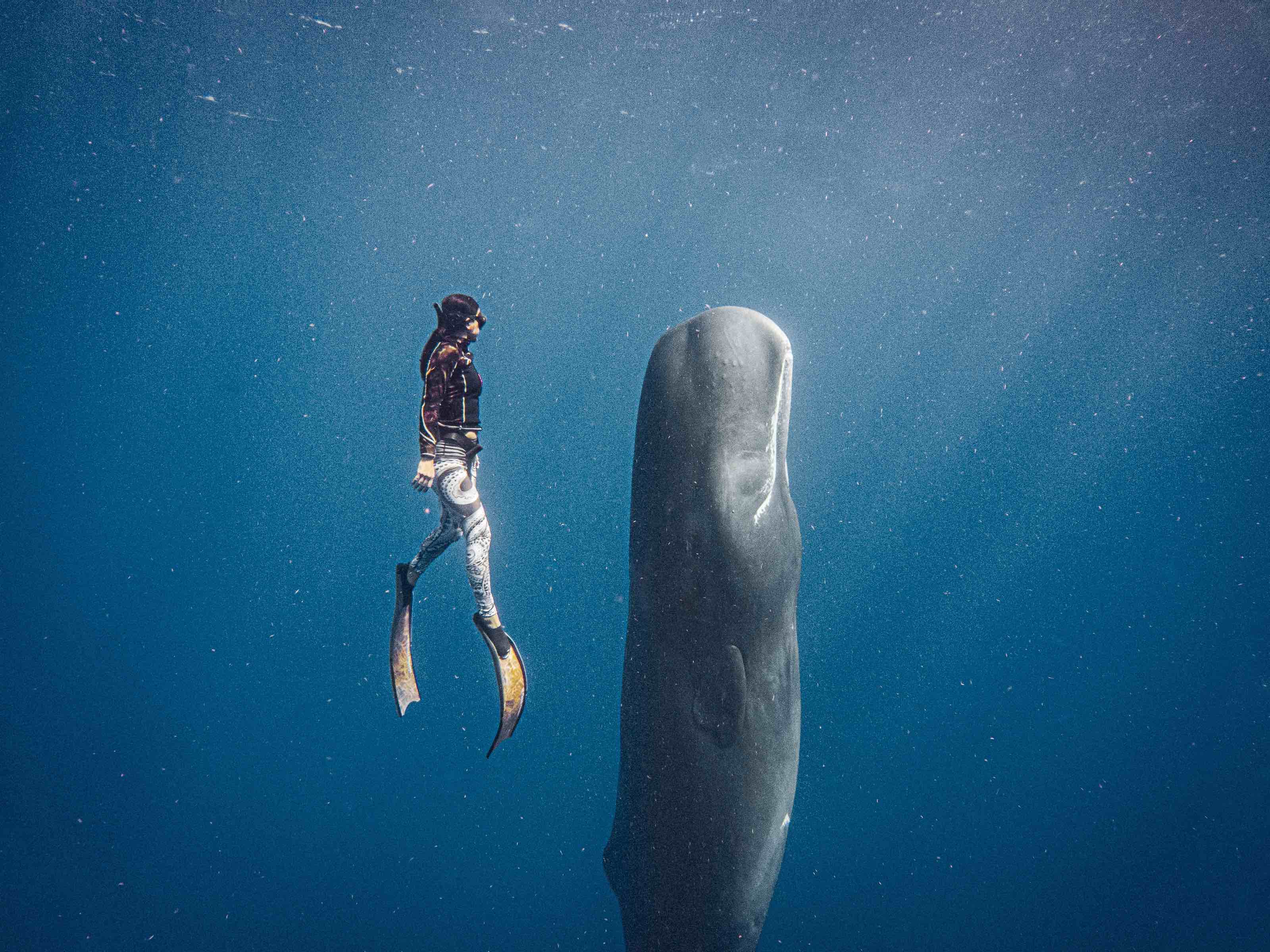
If you think the Caribbean is all white sand and manicured five-star resorts, then... drum roll... our brand-new destination Dominica is here to shatter that illusion. Aptly-known as the ‘Nature Island’, this is a land where the earth is still very much alive. Conjuring up images of Jurassic Park, its place of roaring rivers — 365 in fact — prehistoric ferns, and towering volcanic peaks that disappear into the clouds. Forget the kick back and just relax, kinda holiday; Dominica is for the traveller who wants to hike until their boots are muddy, swim in water that literally bubbles like champagne, and look a mighty sperm whale in the eye.
While its neighbours have spent decades building mega-resorts, Dominica has quietly remained one of the Caribbean’s last wild frontiers. It’s rugged, untamed, and spectacularly green. Whether you are trekking through steam-filled jungle valleys or exploring the vibrant culture of the Kalinago people, this is the place to be if you’re looking for a slice of paradise and adventure travel in equal measure.
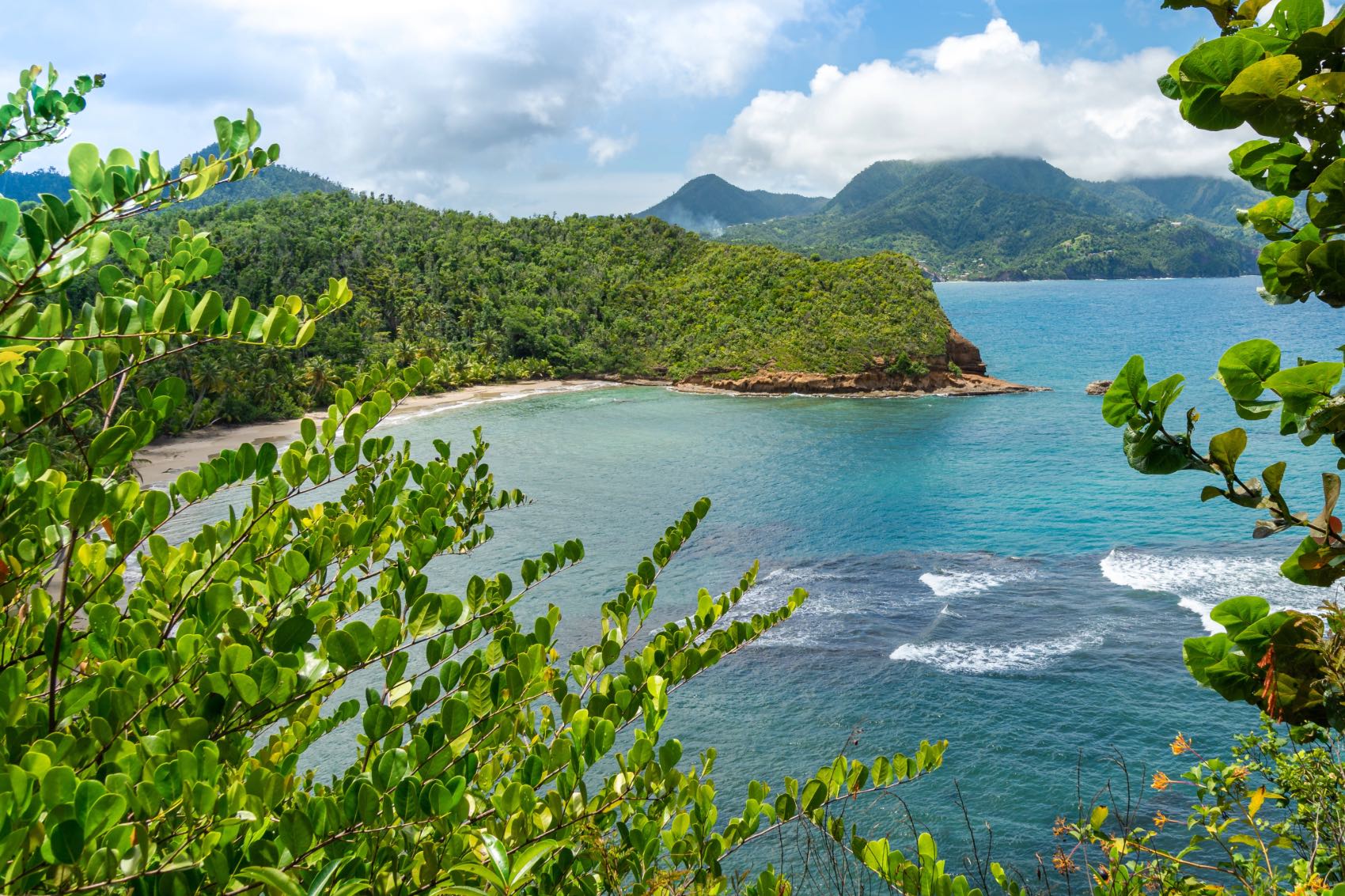
Dominica is the antidote to the modern world, and is considered one of the few places left where nature still calls the shots. The island’s volcanic origins have created a landscape that feels more like a film set than a typical tropical getaway. In fact, its lush mangroves were used as a backdrop for Pirates of the Caribbean: Dead Man’s Chest and At World’s End.
The biggest draw here is the sheer diversity of what’s on offer. You aren't just visiting a beach here; you’re snorkelling over volcanic vents at Champagne Reef or swimming through the narrow, high-walled Titou Gorge. Dominica is also a global leader in marine conservation, having established the world’s first marine-protected area specifically for sperm whales. Here, tourism is about deep, meaningful connections with the environment and the local communities that reside here, like the Indigenous Kalinago, who have called this island frontier home for centuries.
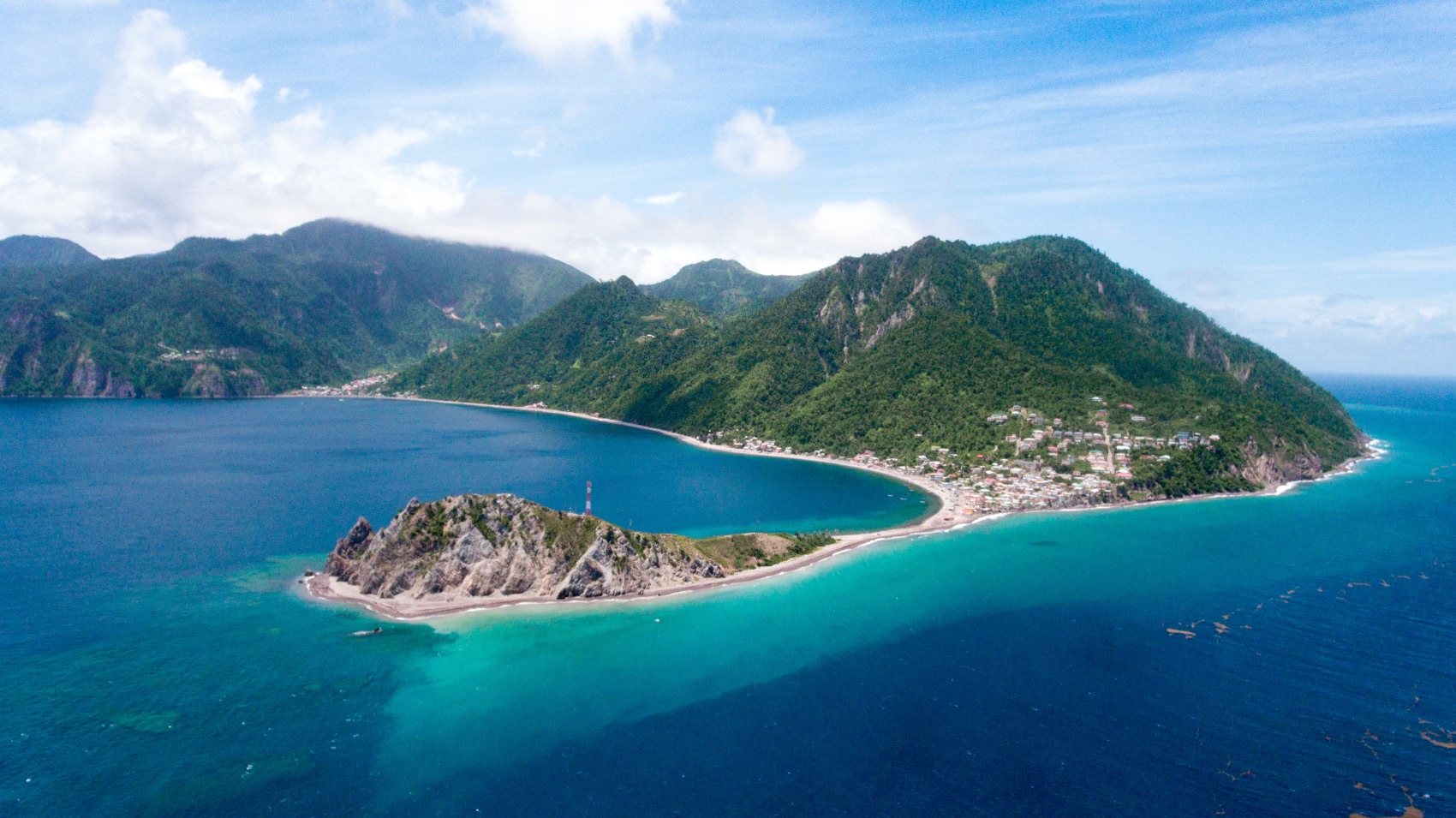
The best time to travel to Dominica tends to be during the drier season from December to April. This window offers the most reliable weather for hiking the island's extensive trail networks and chasing its famous waterfalls (against TLC’s advice of course). The temperatures at this time of year are warm but comfortable, and the underwater visibility is at its peak for snorkellers and divers alike. Basically, in a nutshell:
Peak Season (December to April): Ideal for whale watching and trekking to the Boiling Lake. This is also when the island comes alive culturally with Carnival in February.
Shoulder Season (May to June): Lush landscapes and fewer crowds, though you might encounter a few more tropical showers at this time of year.
Budget-Friendly (July to October): While this is the heart of the rainy season, it’s also the time for the best deals. Just be prepared for humid days and the occasional tropical storm.
Cultural Highlight (November): Plan a visit around November 3rd to witness Independence Day celebrations — a vibrant display of traditional Creole’ culture, music, and dress.
From swimming with whales to hiking to spectacular viewpoints, Dominica offers an untamed escape for those who prefer their adventures wild and their landscapes untouched. Here’s a rundown of the best things to see and do:
Meet the resident sperm whales
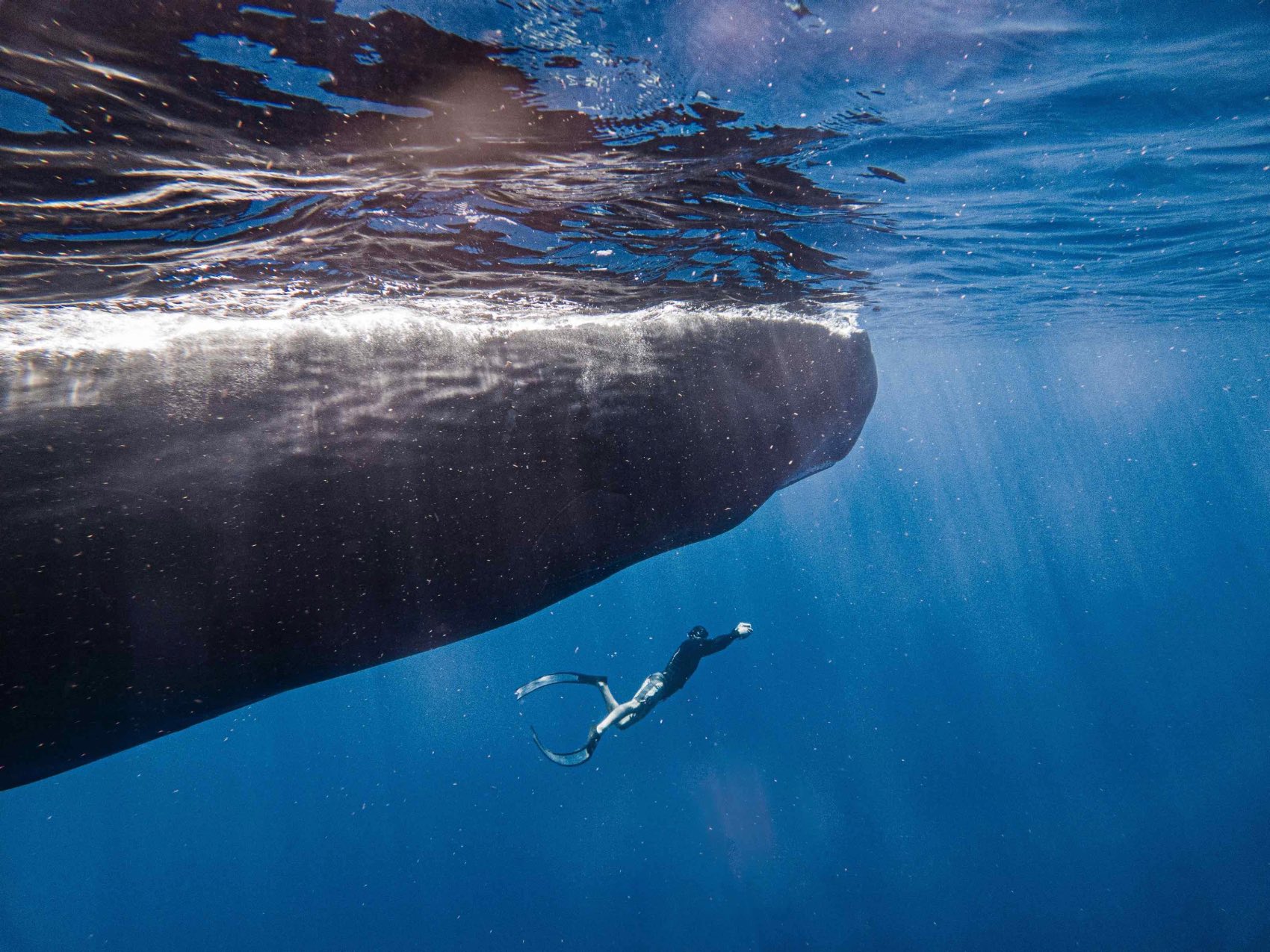
Dominica is the whale-watching capital of the Caribbean. It’s the only place in the world where around 200 sperm whales reside year-round, as these deep-diving giants love the sheer underwater drop-offs just off the coast. While boat tours are the most common way to spot them, there are rare opportunities to actually swim with these magnificent creatures in their natural habitat just offshore right here in Dominica. Seeing a whale vertically suspended in the water column is a once-in-a-lifetime experience that stays with you long after you leave the island.
Discover the twin Trafalgar Falls
Located just a short drive from the capital, Roseau, the Trafalgar Falls are essential viewing while you’re in Dominica. Known as ‘Father’ (the taller fall) and ‘Mother’ (the shorter, broader fall), these twin cascades tumble into natural pools. Top tip: walk to the viewing platform for the perfect photo or scramble over the boulders right at the base to take a cooling dip surrounded by towering ferns and ginger lilies.
Snorkel the volcanic Champagne Reef
At Champagne Reef, underwater geothermal vents hiss out tiny volcanic bubbles from the rocks, corals, and ocean floor below, creating a surreal, ‘sparkling’ environment — like you’re swimming in a flute of champagne. As you navigate the ‘fizz’, you might get the chance to spot resident hawksbill turtles, parrotfish, trumpetfish, frogfish, and vibrant sponges. It’s one of the most unique snorkelling spots on the entire planet, where the warmth of the earth meets the coolness of the sea in a spectacular display.
Trek to the Boiling Lake
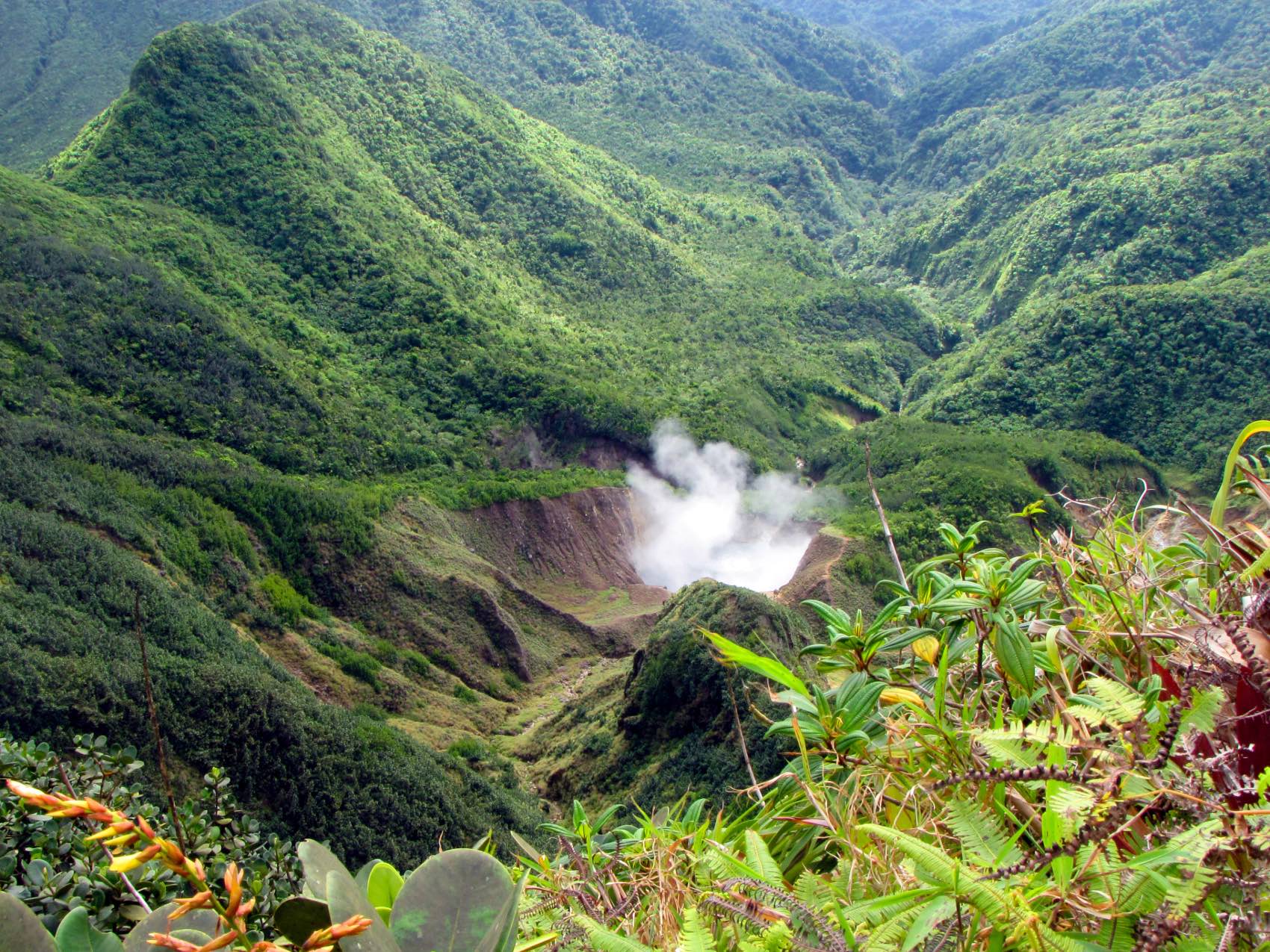
For the ultimate challenge, take on the hike to the Boiling Lake in the UNESCO-listed Morne Trois Pitons National Park. This is a demanding, full-day trek through the imposing-sounding ‘Valley of Desolation’, where the ground steams and the air smells of sulfur. The destination is the world’s second-largest flooded fumarole (or hot lake) — a grey-blue cauldron of bubbling water shrouded in a permanent cloud of vapour. It’s a challenging hike, but the raw, volcanic energy of the site is a powerful reminder of the island's tectonic heart.
Swim through Titou Gorge
A trip to Dominica isn't complete without a swim in Titou Gorge, which translates to ‘Little Throat’ in Creole. This narrow canyon was formed by molten lava that cooled and cracked centuries ago. To explore it, you must swim through a series of water-filled ‘rooms’ walled by high, curving rocks covered in moss. The journey ends at a hidden waterfall inside the gorge — the perfect reward for all your efforts. It’s an immersive, almost ethereal experience that feels like discovering a secret world tucked away in the wilds of the rainforest.
Experience Kalinago Barana Autê
To understand Dominica, you need to meet the Kalinago people, the island’s first inhabitants. A visit to the Kalinago Barana Autê model village on the east coast offers a profound look at their heritage. Here, you’ll be able to participate in traditional cassava bread-making, learn about their intricate basket weaving, and explore local farms growing cassava, green plantain, and more. Walking sections of the Waitukubuli National Trail here — the Caribbean's first and longest walking trail — allows you to see the land through the eyes of its original stewards.
Wander through Roseau's Botanical Gardens
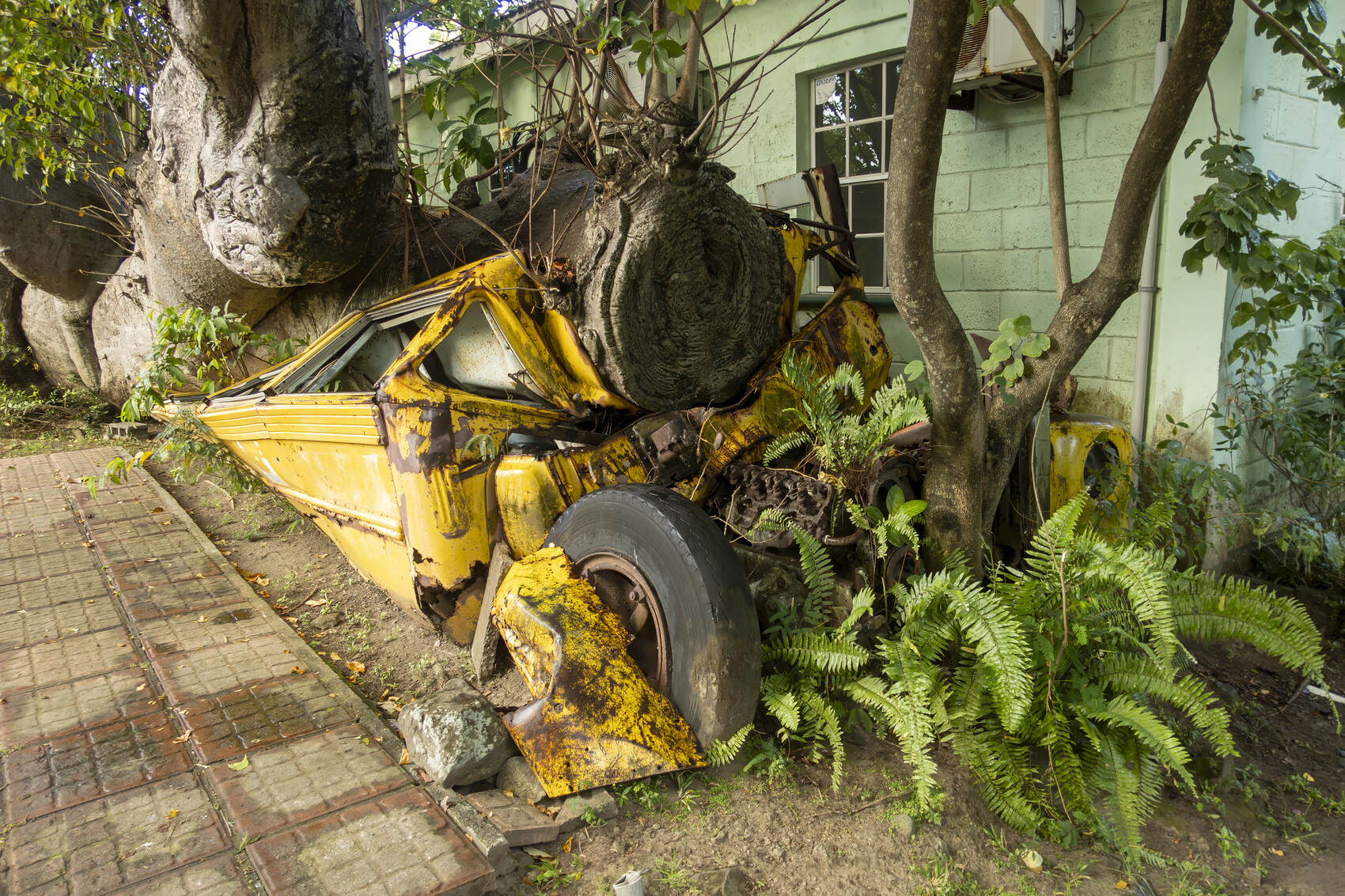
Start your exploration in the capital Roseau with a stroll through the tranquil Dominica Botanical Gardens, which have stood since the late 1800’s. While peaceful today, the gardens still hold a reminder of the island’s wild weather: a massive baobab tree that crushed a bus during a 1979 hurricane and remarkably kept growing — still remains. A testament to the resilience of the ‘Nature Island’ perhaps. From here, many travellers head straight into the hills for their first glimpse of the rainforest.
Explore Middleham Falls and Freshwater Lake
If you want to go deeper into the island's lush interior, then a hike to the Middleham Falls is a spectacular must-do. At a whopping 270ft (82.3m) tall, it’s the tallest waterfall on the island, and its accompanying spray creates an almost mystical mist that hangs in the air looking like something straight out of a film set. Afterwards, head to Freshwater Lake, again located in the UNESCO-listed Morne Trois Pitons National Park. It’s the island's largest lake, sitting in an extinct volcano crater, and is perfect for a quiet moment of reflection soaking up panoramic mountain views or a scenic kayak trip across its dark, still waters.
Find some R&R at Emerald Pool and Jacko Falls
If you’re looking for a more relaxed kind of adventure, then the picture-perfect Emerald Pool is the place to be. The water here (fed by a 40ft-tall waterfall), really is a brilliant green, reflecting the lush canopy above. For even more ‘waterfall hopping,’ head to Spanny and Jacko Falls. These spots are easily accessible and offer the perfect natural spa experience, where you can swim in clear basins and let the falling water massage your shoulders before heading back to the coast for a sunset cruise.
Boat down the Indian River to Cabrits National Park
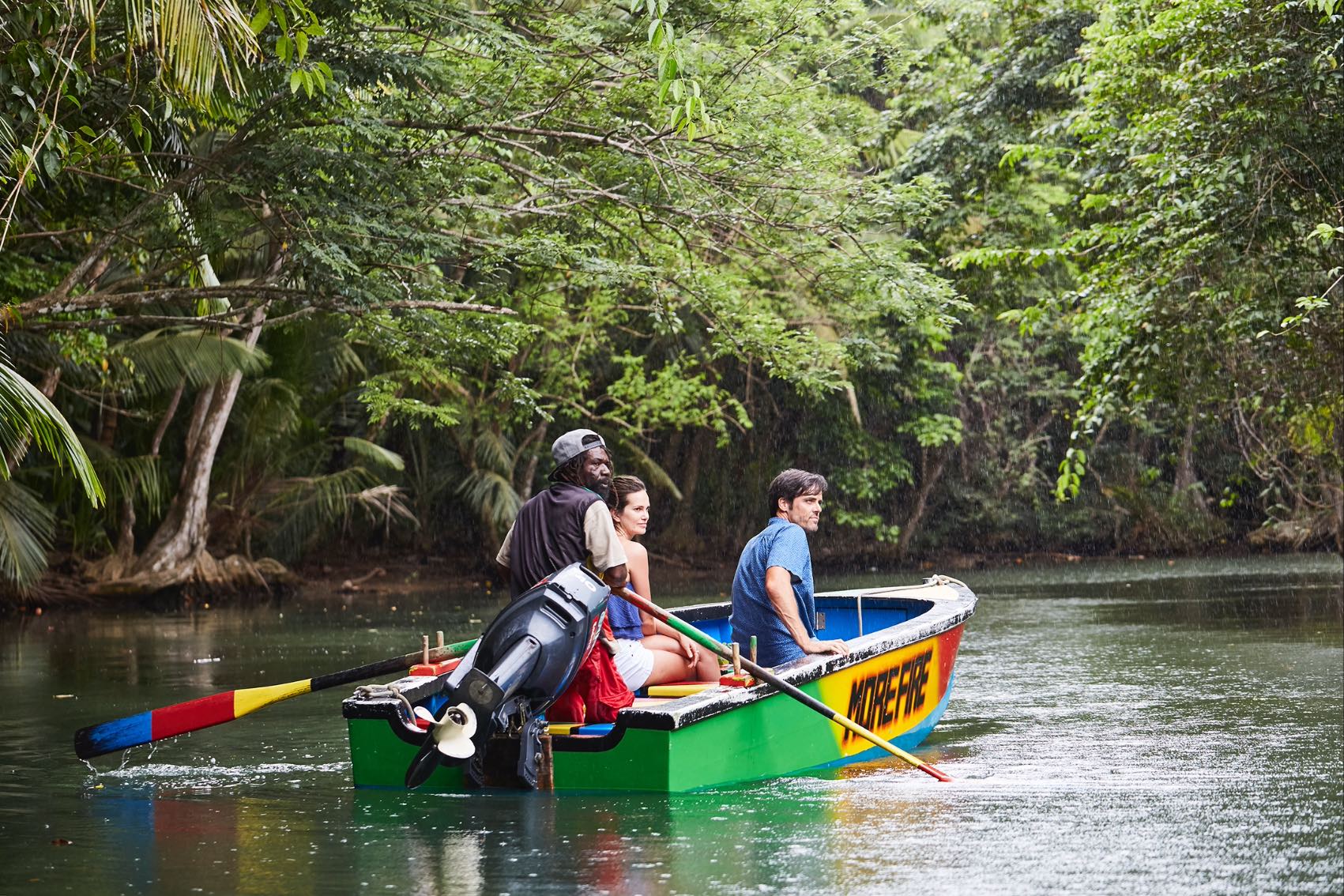
Channel your inner explorer with a guided boat trip up the Indian River. It’s a slow, quiet journey through mangroves and Bwa Mang trees, where the only sound is the dip of the oars and the scuttle of an iguana or two. Afterwards, head north to Cabrits National Park to explore the restored Fort Shirley, an 18th-century British garrison that offers sweeping views of Prince Rupert Bay from the peninsula. Cap off the day with lunch at a local haunt like Prince Rupert’s Tavern for some fresh-caught fish right on the sand or Rumfire Bar to watch the sunset.
Exploring a wild frontier like Dominica is often better shared, and opting for a small group tour takes the logistical heavy lifting off your plate, allowing you to focus on the terrain rather than the transport. Navigating rugged rainforests and remote volcanic sites can also be daunting solo, but with a small group, you’ll gain the security of an expert local CEO guide and a built-in community of like-minded adventurers. It strikes the perfect balance between independence and connection, ensuring you reach the island's most hidden corners while sharing those ‘pinch-me’ moments like spotting a gargantuan sperm whale with new friends and like-minded adventurers.
Discover Dominica’s highlights on Dominica: Waterfalls, Volcanic Peaks & Kalinago Culture or opt to spend a week with the whales on Dominica: Whales, Waterfalls & the Wild Caribbean.