Madi Wong
Editorial Content Lead
Editorial Content Lead
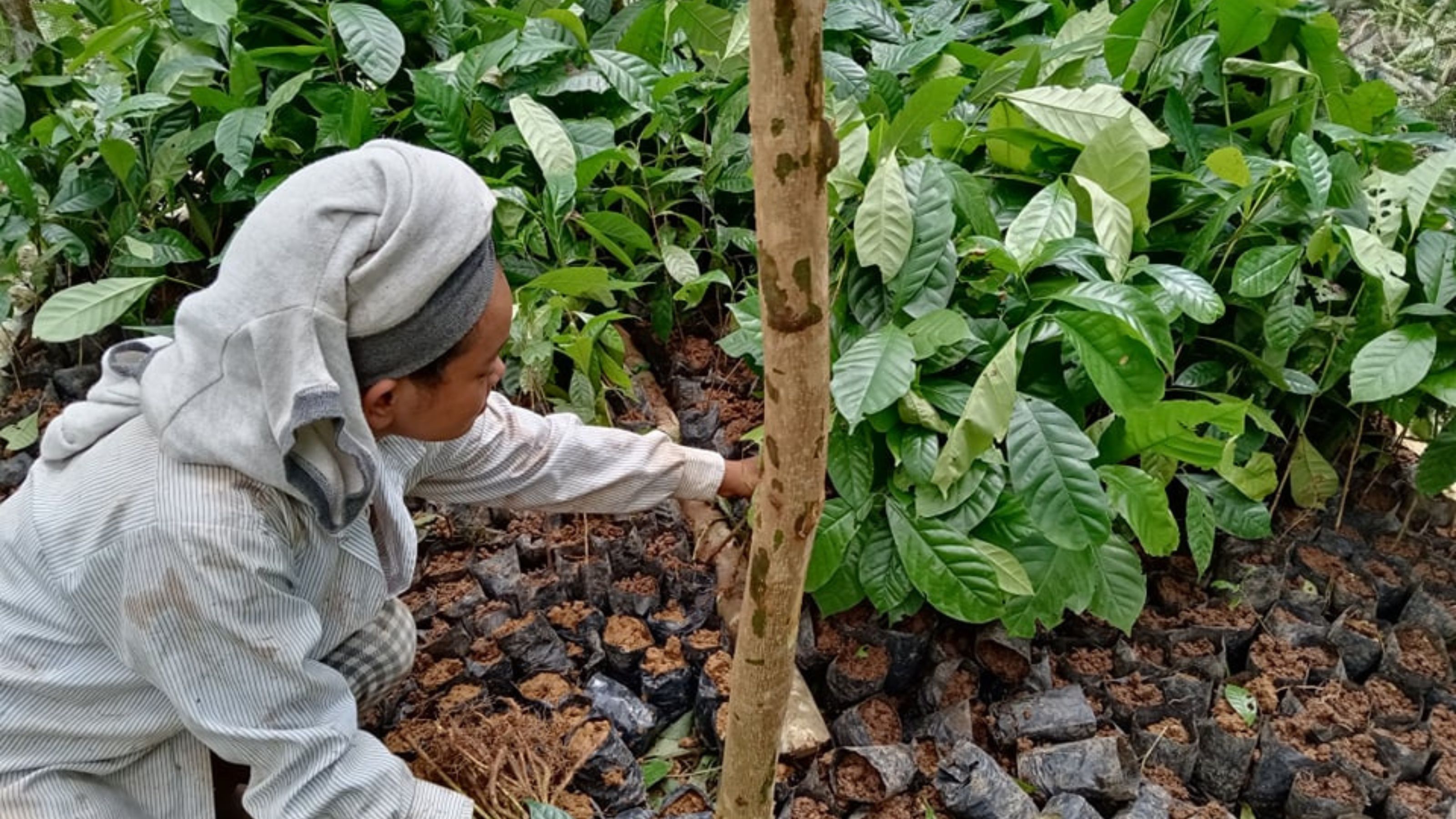
An Indigenous-led organisation based in Rogongon Iligan City, Philippines is aiming to restore its ancestral forest after decades of environmental decline.
“The project is very important to the community since our survival is the top priority,” said Lanelio T. Sangcoan, founder and CEO of Tribes and Natures Defenders.
“Indigenous peoples cannot survive without the presence of the rainforest and wildlife.”
Between 1965 and 1997, various logging companies operated on the lands of Higa-onon Indigenous communities in Rogongon and cut down native trees, explained Sangcoan.
The timber of those trees were exported to China, Japan and other Asian countries who bought the hardwood to be used for premium plywood in housing and luxury furniture.
When the supply of native trees eventually declined, big logging companies left as they could no longer meet the demand of overseas buyers. The small amount of native trees that were left, were later cut down by local loggers to supply the demand of local hardwood needs in the Philippines.
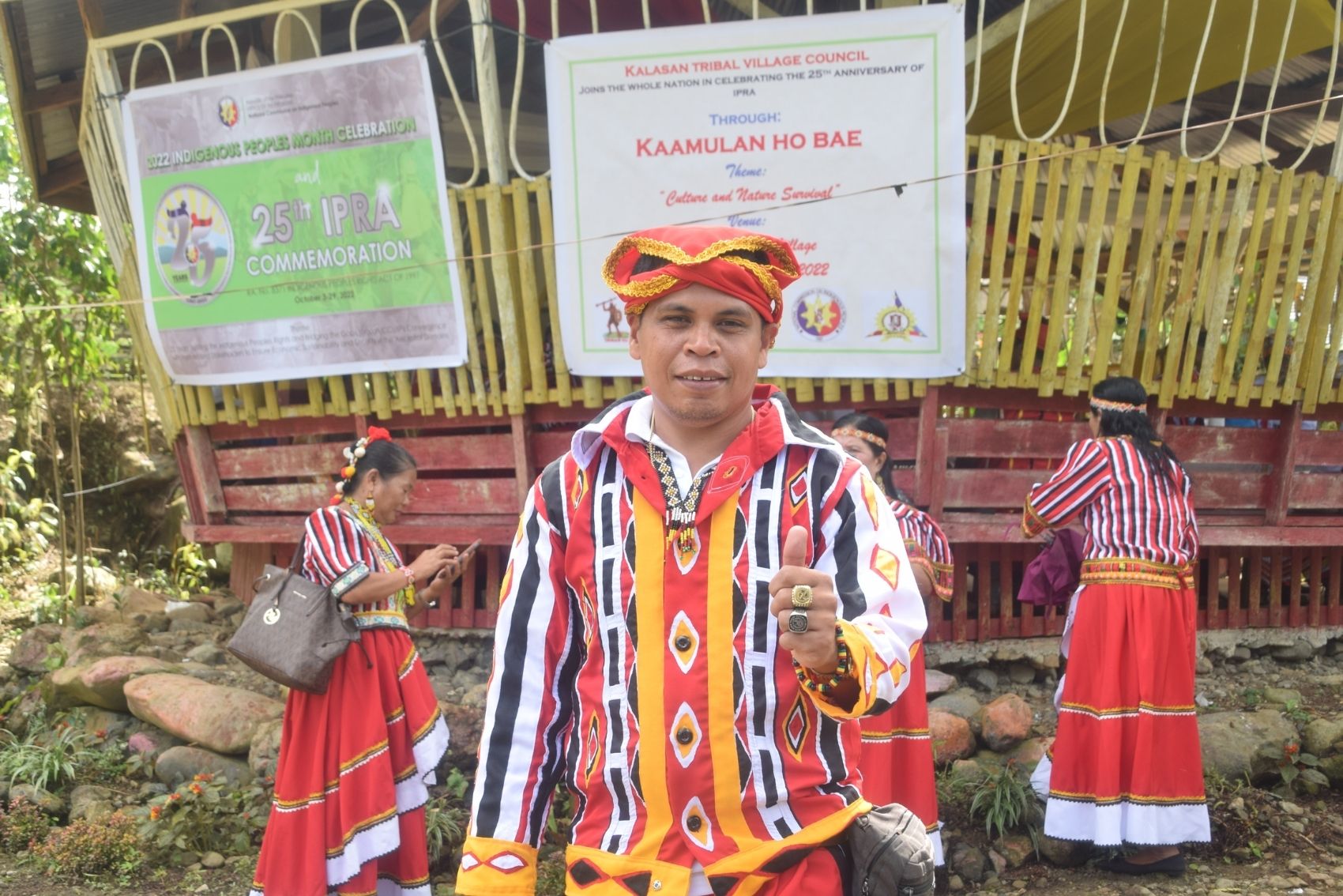
“Denuded mountains caused droughts, famine, hot weather, dried rivers and no sources of water. For us and the wildlife to survive we need to restore the forest of the denuded sacred mountains,” said Sangcoan.
“This is very significant for us to create wildlife sanctuaries, restore soil fertility, produce more water and rewater the dead rivers.”
The rainforest only started to regain its features because of intervention from Tribal Elders, who instructed their clans to stop cutting the remaining trees, and created Tribes and Natures Defenders.
The organisation aims to restore the denuded natural lands; provide sustainable food security for marginalised communities; establish new areas of Indigenous crops and trees, and uplift the lives and well-being for all community members.
“Our strategies are to stop growing the invasive trees that killed the soil fertility,” explained Sangcoan.
“Our goals [to] restore the ancestral landscape through native fast-growing trees and coffee trees, creating the green economy of the Indigenous peoples locally.”
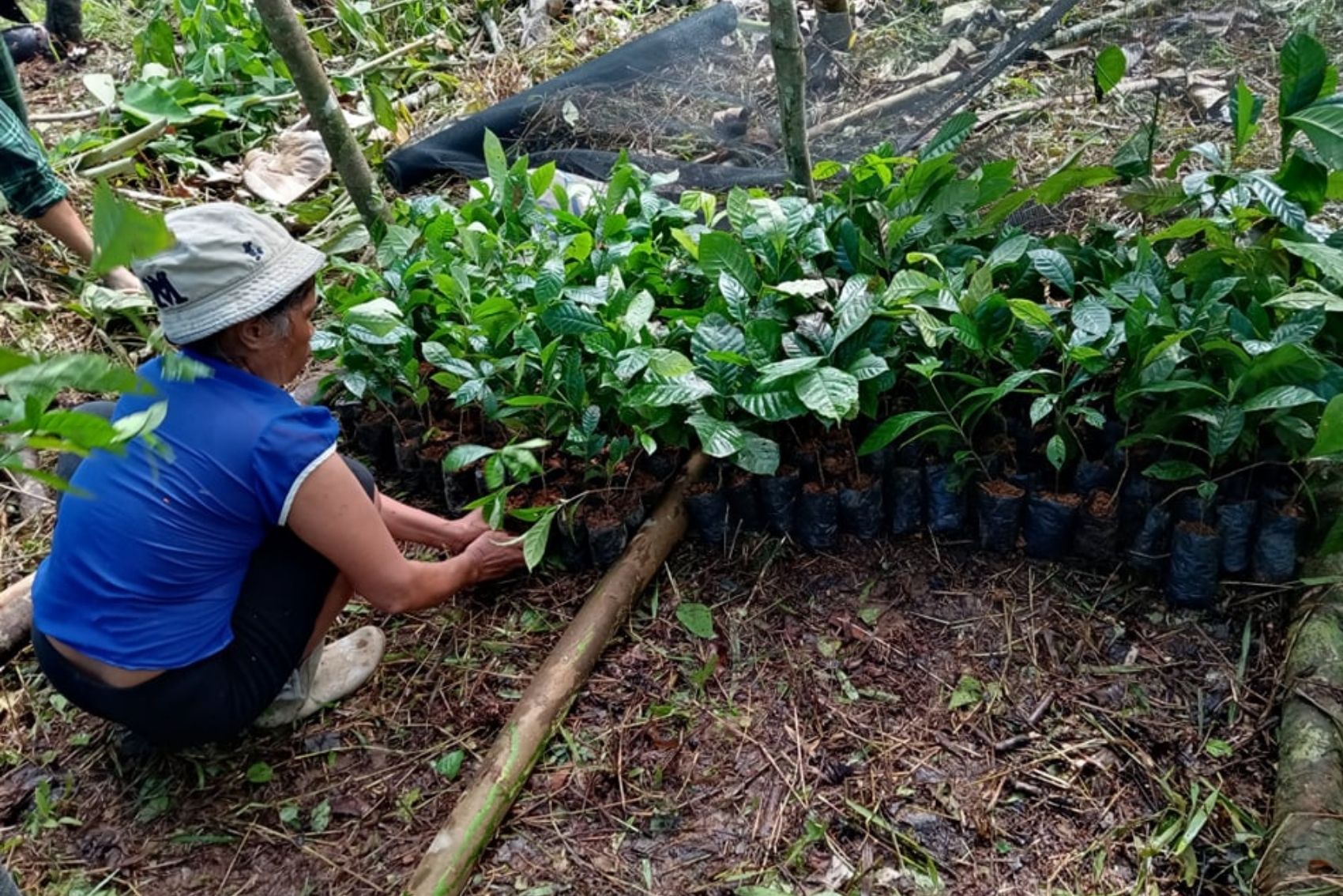
Tribes and Nature Defenders is supported by Trees for Days, in partnership with Planeterra, with the collective goal to grow trees that directly benefit communities.
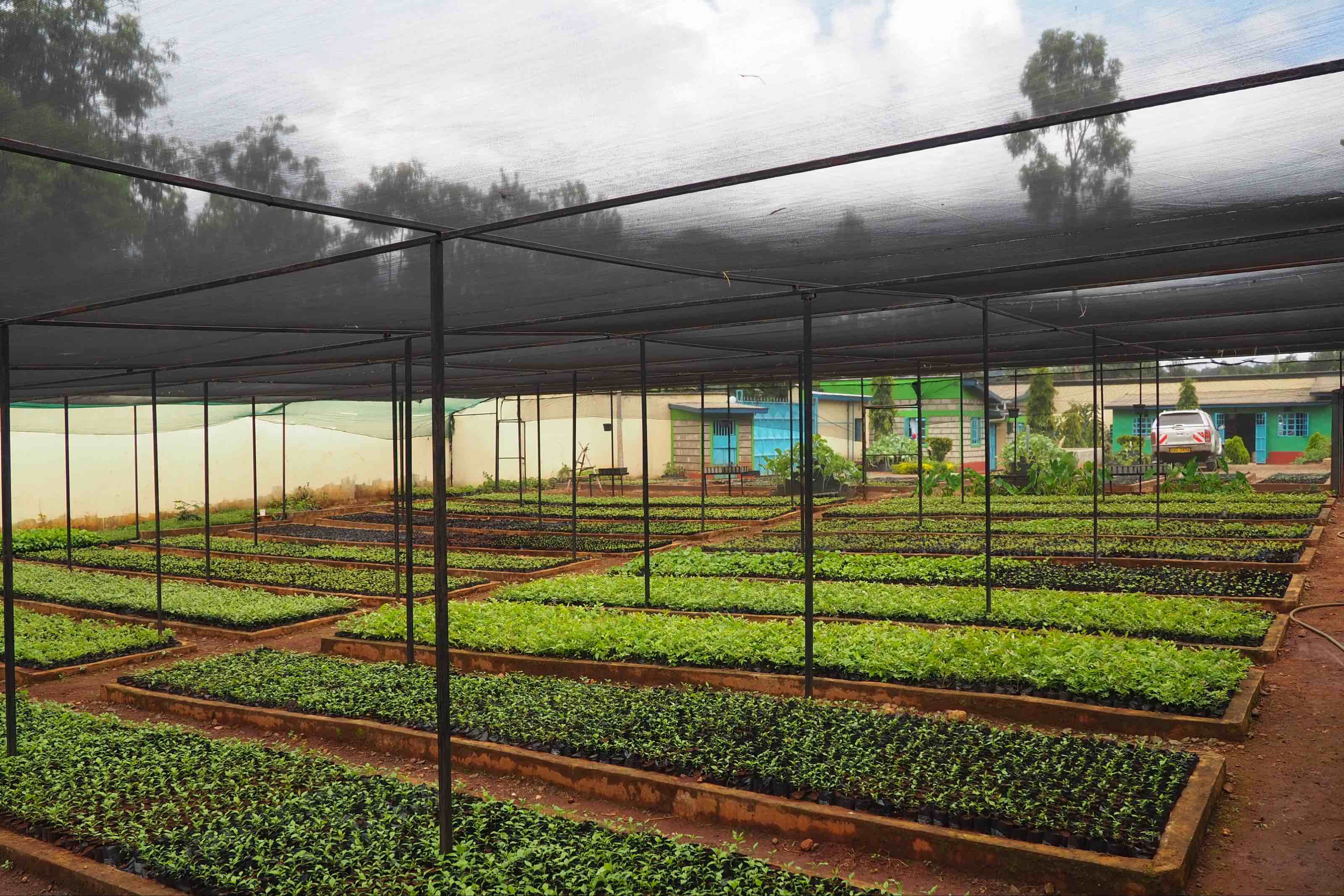
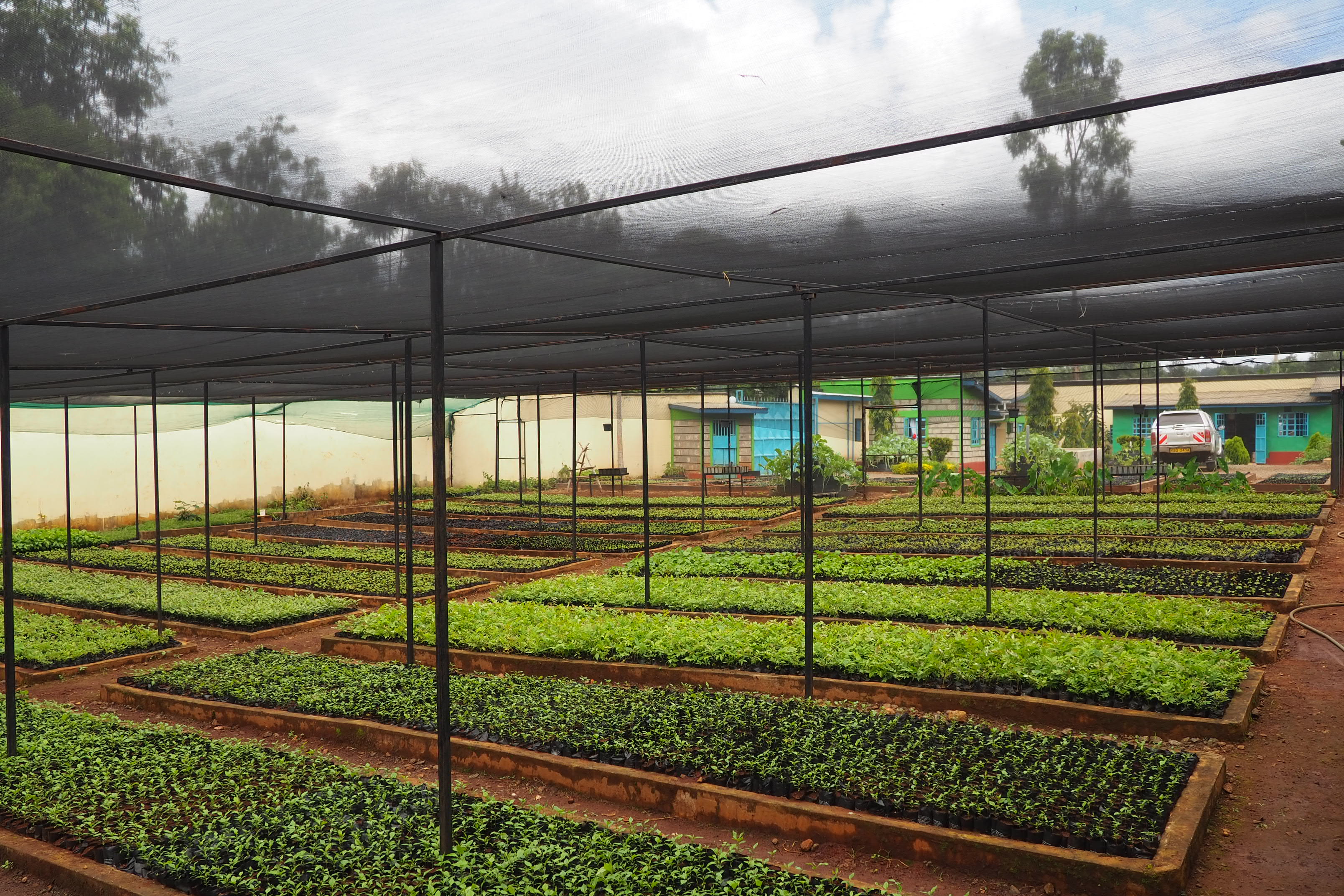
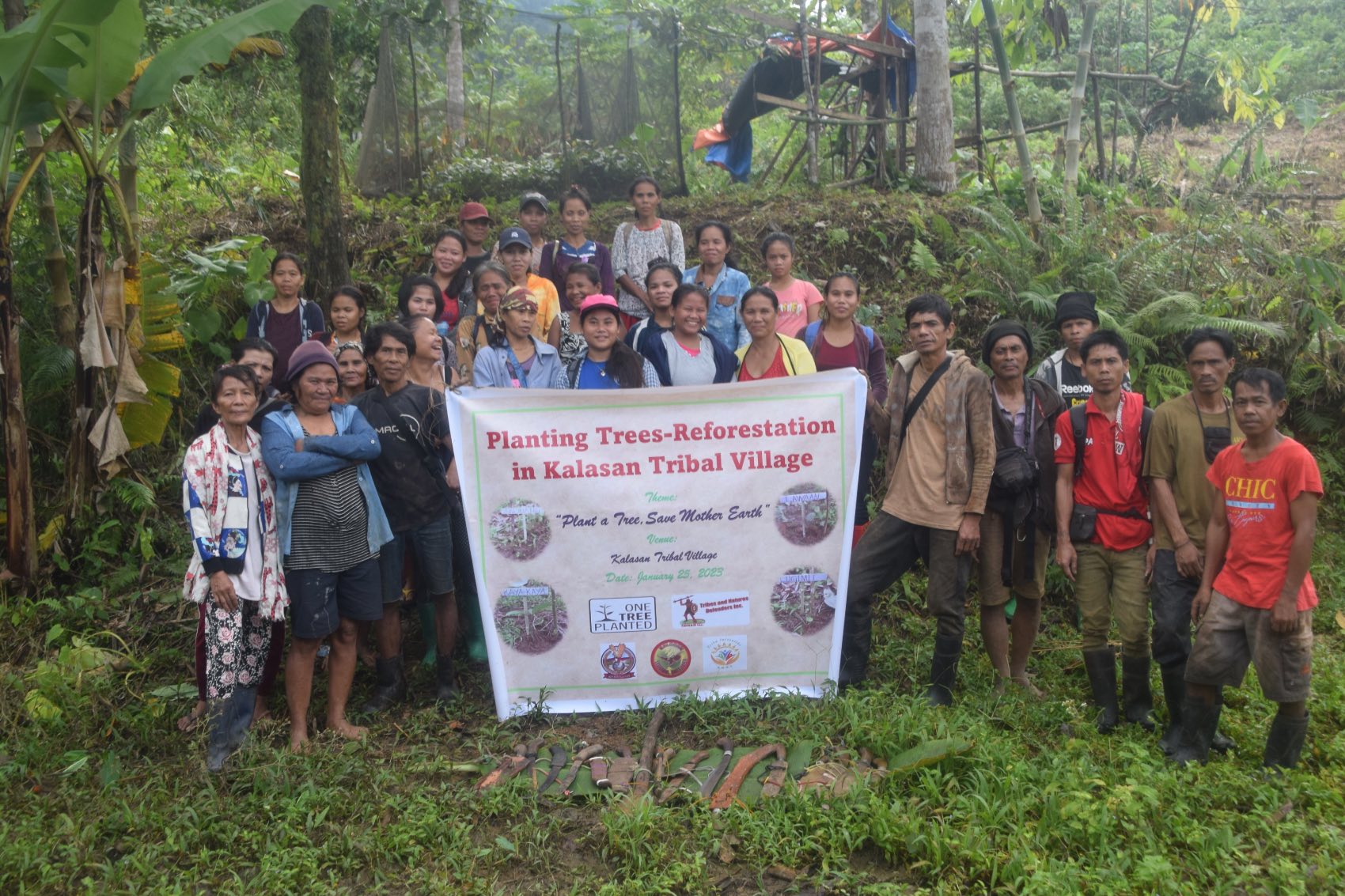
Trees for Days has helped mobilise over 200 local farmers, as well as 15 youth and five women to physically restore the Indigenous lands. Together, they have worked to cultivate thousands of native and coffee tree species to restore biodiversity, while creating sustainable livelihoods rooted in the protection of the forest itself.
Members of the Higa-onon community — including elders, leaders, women and youth — also participate in the project’s efforts. Traditional ecological knowledge is the key towards saving mother earth and humanity, adds Sangcoan.
“There is power in unity …The presence of women, youth, children, leaders and elders are more powerful tool as collective forces to fight climate change, to save humanity from natural disasters, provide habitat for the wildlife and restore the beauty of the creation,” said Sangcoan.
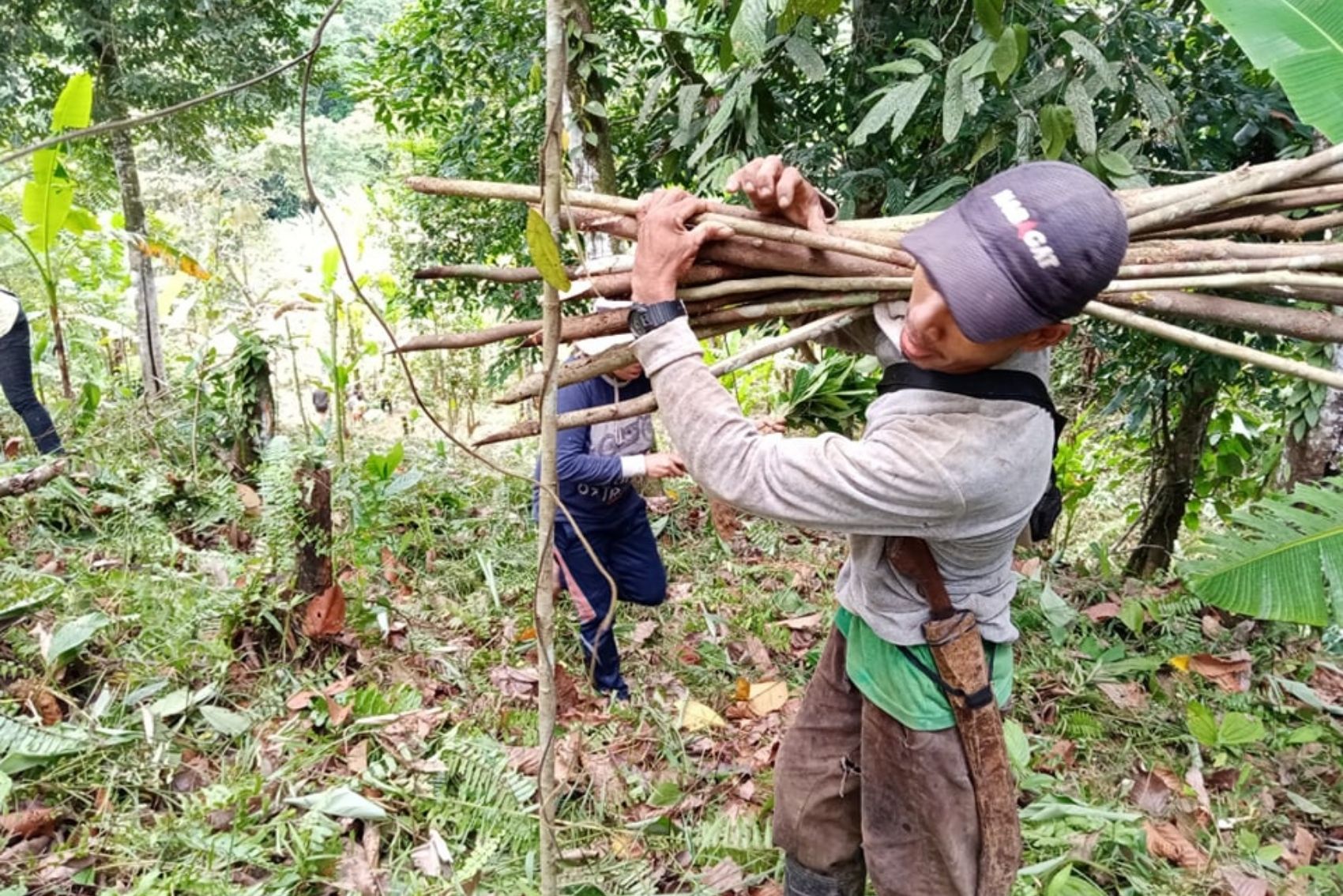
According to Sangcoan, the project is unique because it can serve as a model for future generations on how to restore and protect the earth, especially as the world continues to experience the effects of climate change.
“The significance of the project is the spirit of loving mother earth, humanity and wildlife. There is no ‘Planet B’ to live on but we need to help the dying planet through our collective actions,” he said.
From rescue to release: inside Naxos Wildlife Protection’s turtle conservation
Meet the signature expert leading shorebird conservation efforts in China's Yellow Sea
Why this South African CEO is passionate about wildlife conservation