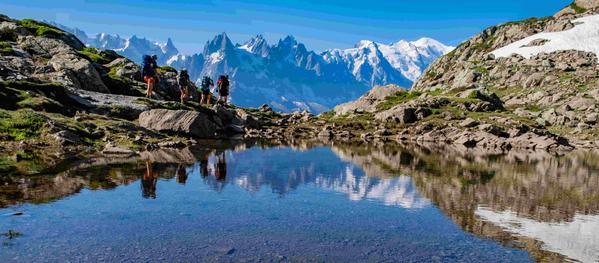
Mont Blanc hike: the ultimate guide and tips for first-timers
Your complete first-time guide to the unforgettable Mont Blanc hike
If you're dreaming of alpine meadows, crisp mountain air, active trips, and waking up to the sound of cowbells in three stunning European countries — France, Switzerland, and Italy, then this one is for you.

The Tour du Mont Blanc hike was first introduced to me by a friend a couple of years ago, and from that moment on, I was committed to making it happen. My one problem? I had never done a multi-day hike before — only long day hikes. That alone made me nervous about taking on such an iconic and famous trek.
I had spent months searching for advice from people who had already hiked the TMB, constantly wondering if I was truly capable. Now, having completed it, I’m here to help you prepare for what ended up being one of the most epic and rewarding experiences of my life.
If you’ve booked — or are considering booking — and are now thinking “okay… what now?” — then this Tour du Mont Blanc guide for first-timers is for you.
Explore our Mont Blanc trips here
What Is the Tour du Mont Blanc?
If you’re still here and have no clue what the Tour du Mont Blanc (TMB) actually is, then here’s a quick overview:
The Tour du Mont Blanc is a world-famous multi-day hike in Europe that loops around Mont Blanc, Western Europe’s highest peak. The trail is roughly 170km (105 mi) long and passes through France, Italy, and Switzerland, knocking three countries off your bucket list in one trek.

The hike is known for its significant ascents and descents, with the highest elevation reaching around 2,500m (8,200 ft). The duration of the hike depends on your itinerary. I chose a 10-day guided Tour du Mont Blanc with G Adventures, which included eight full hiking days.
Some hikers camp along the route, but our group stayed in charming mountain huts known as refuges. The Tour du Mont Blanc hiking season typically runs from June to September, and honestly — the views are unbeatable. Every corner truly feels like a postcard.
Why I chose a guided Tour du Mont Blanc (and why it’s great for beginners)
As someone who had never done a multi-day trek, let alone planned one, booking a guided Tour du Mont Blanc was 100% the right decision for me.
All the logistics were handled — accommodation, meals, routes, and guidance — which made the experience feel approachable instead of overwhelming. That peace of mind alone made this trek feel doable as a beginner.

Another huge bonus was the small group experience. I didn’t have friends ready to take this on, so instead of hiking solo, I joined a group of around 10 people from all over the world who all wanted the same adventure.
Trust me — nothing turns strangers into lifelong friends faster than sweating together, questioning your life choices on steep climbs, and celebrating summits side by side.
Huge shoutout to our incredible CEO (tour leader), who grew up in a small mountain town in France and guided us with confidence and deep local knowledge. She even paraglides as a form of transportation! Now, if that’s not cool, then I don’t know what is...
Tour du Mont Blanc packing tips and how I prepared for my First multi-day hike
Prepping for the Tour du Mont Blanc hike felt intimidating because I didn’t know where to start. I definitely had to invest in a few essentials, like a properly fitted hiking backpack and hiking poles, which ended up being one of my best purchases.
Fitness-wise, people kept asking how I was training for the Tour du Mont Blanc, and honestly, that stressed me out more than it should have. As a 20-something with overall good fitness, I was more worried than necessary. This hike is doable for a wide range of people — we even had a woman in her 50s who absolutely crushed it.
My biggest advice is to follow the recommended packing list provided, trust the process, and prepare as best you can. That’s truly all you can do.
When it comes to packing, bringing some cash is important. Euros and Swiss Francs came in handy along the route, especially in smaller towns and at snack or drink stops where cards weren’t always accepted. Hydration is another key factor on the TMB!

Electrolytes were incredibly helpful, and there are frequent water refill stations along the trail. A hydration bladder is convenient but not essential.
Blister prevention should also not be overlooked. Even if you’re lucky enough to avoid them yourself, having a small blister emergency kit can be a lifesaver for someone in your group. Weather in the mountains can change very quickly, so a windproof and waterproof jacket, along with a rain cover for your backpack, is absolutely essential.
Laundry is very common along the route, and most people wash clothes in the sink between wears. A small multipurpose soap makes this easy, and a quick-dry towel is something you’ll end up using every single day. Above all else, pack as lightly as possible. It’s hard to know how light to go until you’re out there, but avoiding unnecessary clothes and focusing on true essentials will make a massive difference. A heavy bag can genuinely ruin your experience!
Tour du Mont Blanc 10-day itinerary: a day-by-day breakdown
Here’s how my 10-day Tour du Mont Blanc hike unfolded, day by day — from my first steps in Chamonix to the final descent with Mont Blanc in view.
Day 1 — Arrival in Chamonix, France (Tour du Mont Blanc start point)
I flew into Geneva and took a transfer bus to Chamonix. That evening, we met our CEO, went through our packs, and finalized what to bring. Later, we explored town, grabbed dinner, and soaked in our first impressions of this lively alpine hub. We were also there during the TMB Marathon, which added an incredible energy to the town.
Top tip: Buy hiking poles in Chamonix if you don’t want to fly with them.
Day 2 – Les Houches to Les Contamines (~15km or 9.3 mi)
Our first hiking day was filled with lupine wildflowers, grazing cows, and steady climbs. After a scenic lunch stop, we tackled our first steep descent and climb up to the refuge. A nearby waterfall — and a very friendly refuge cat — made the effort worth it.
Top tip: Give yourself grace on the first day. It truly only gets better from here.
Day 3 – Les Contamines to Les Chapieux (~15km or 9.3 mi)
This was the toughest day for me. I learned the importance of finding a hiking buddy and moving at my own pace. We stopped at the most beautiful lunch spot, sitting in the grass with full bellies and sweeping views. Later, we visited a local cheese farm and bought an absurdly large block for the group.
Top tip: It’s not a race. Go slow, take breaks, and enjoy the scenery — even if you’re last one walking!
Day 4 – Les Chapieux to Courmayeur, Italy via Col de la Seigne (~15km or 9.3 mi)
We crossed into Italy via Col de la Seigne and were greeted by rain. The scenery shifted dramatically, revealing jagged peaks and moody skies. We stopped for cappuccinos and paninis, and some of us hiked to a heart-shaped lake (which was absolutely worth it). We ended the day with pizza in charming Courmayeur.
Top tip: A waterproof jacket and backpack cover make all the difference.
Day 5 – Rest day in Courmayeur (why rest days matter on the TMB)
This rest day was exactly what we needed. Some of us went white water rafting, others explored town or visited the spa — some did all three.

Top tip: Go white water rafting. You will not regret it.
Day 6 – Courmayeur to Val Ferret (~13km or 8.07 mi)
The climb out of Courmayeur was tough but rewarded us with some of the best views of Mont Blanc on the entire trek. We stopped at a refuge for snacks, lunched beside a river, and finished with a steep climb to a refuge surrounded by cows and picnic tables.
Top tip:* Music during steep climbs helps more than you think.
Day 7 – Val Ferret to La Fouly, Switzerland (~20km or 12.4 mi)
We crossed into Switzerland, greeted by light rain and rolling green landscapes. We ended the day in La Fouly, a charming village with chalet-style homes and majestic mountain views. Yes, everything was more expensive — but the truffle cheese made it worth it!
Top tip: Border crossings on the TMB are subtle. Don’t wait for flags or fanfare.
Day 8 – La Fouly to Trient (~16km or 9.94mi)
The morning began at a peaceful lake with a duck-themed café and an optional polar plunge. We hiked through scenery that felt straight out of Jurassic Park, with cows roaming freely and fresh, warm cherry pie waiting at lunch. Trient stood out with its charming pastel pink church at the town’s centre.
Top tip: Try the polar plunge if you’re brave.
Day 9 – Trient to Chamonix via Col de Balme (~12km or 7.46 mi)
We crossed back into France, passed the famous refuge with red shutters, and soaked in our final views of Mont Blanc — a cold drink felt like the perfect reward. We felt proud, changed, and emotional as we high-fived on the bus back to Chamonix.
Top tip: Eat whatever your heart desires — you’ve earned it!
Day 10 – Departure and end of the Tour du Mont Blanc
We shared one last breakfast and said our goodbyes. Some continued traveling, others headed home — all of us leaving with memories that will last forever.
Is the Tour du Mont Blanc worth it? Final thoughts after hiking the TMB
This trek surprised me in the best way. The landscapes change so quickly it can feel like five hikes in one day, making the experience feel longer (in a good way) than the eight hiking days on paper.
It was also far more comfortable than I expected. Most refuges offer snacks, drinks, and even hot showers — which felt like pure luxury after long days on the trail.
Tour du Mont Blanc tips and key takeaways for first-time hikers
Looking back, a few things really stood out after hiking the Tour du Mont Blanc. Hiking poles were hands down my best purchase and made a huge difference on steep climbs and long descents. Electrolytes quickly became a daily non-negotiable, and I wouldn’t tackle a hike like this without them again. One thing I truly wish I had packed was a larger lightweight shower towel — a small detail, but after long days on the trail, it matters more than you’d expect.

Above all, take the time to stop and enjoy the hike as it’s happening. Slow down, soak in the views, and take the photos. You’ll never regret it. I survived, I thrived, and yes — I ate enough cheese to celebrate every summit! Ultimately, the Tour du Mont Blanc hike is tough but wildly rewarding, filled with laughter, unreal scenery, and memories that stick with you long after the boots come off. You might start the trek alone, but by the end, it truly feels like you’ve found a worldwide family.
Discover our Trekking Mont Blanc tour here
Read more from
Why this traveller finally embarked on a solo trip in her 50s
Turning 50 inspired Rima Chakravarty to finally embark on her first solo group tour to Southern Spain
Read more from
How a Caye Caulker bike tour is supporting students’ education
On Caye Caulker, see how one school is transforming education — and futures — for the island’s young people
Read more from
What’s the real value of small group tours? Insights from an experienced solo traveller
Discover why small group tours are a smart, stress-free choice for solo travellers, through Lydia’s experience
Read more from
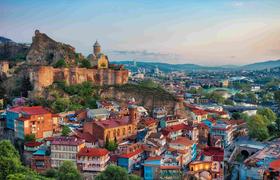
48 hours in Tbilisi: a weekend in Georgia’s capital
Dive into the heart of Georgia for 48 hours, strolling through historic streets, relaxing in a sulfur bath and exploring local cuisine
Read more from
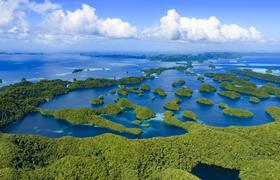
Jellyfish, drifts and giants: the very best things to do in Palau
Dive into one of the world’s last frontiers to learn about marine conservation, snorkel across kaleidoscopic coral reefs and more