Madi Wong
Editorial Content Lead
Editorial Content Lead
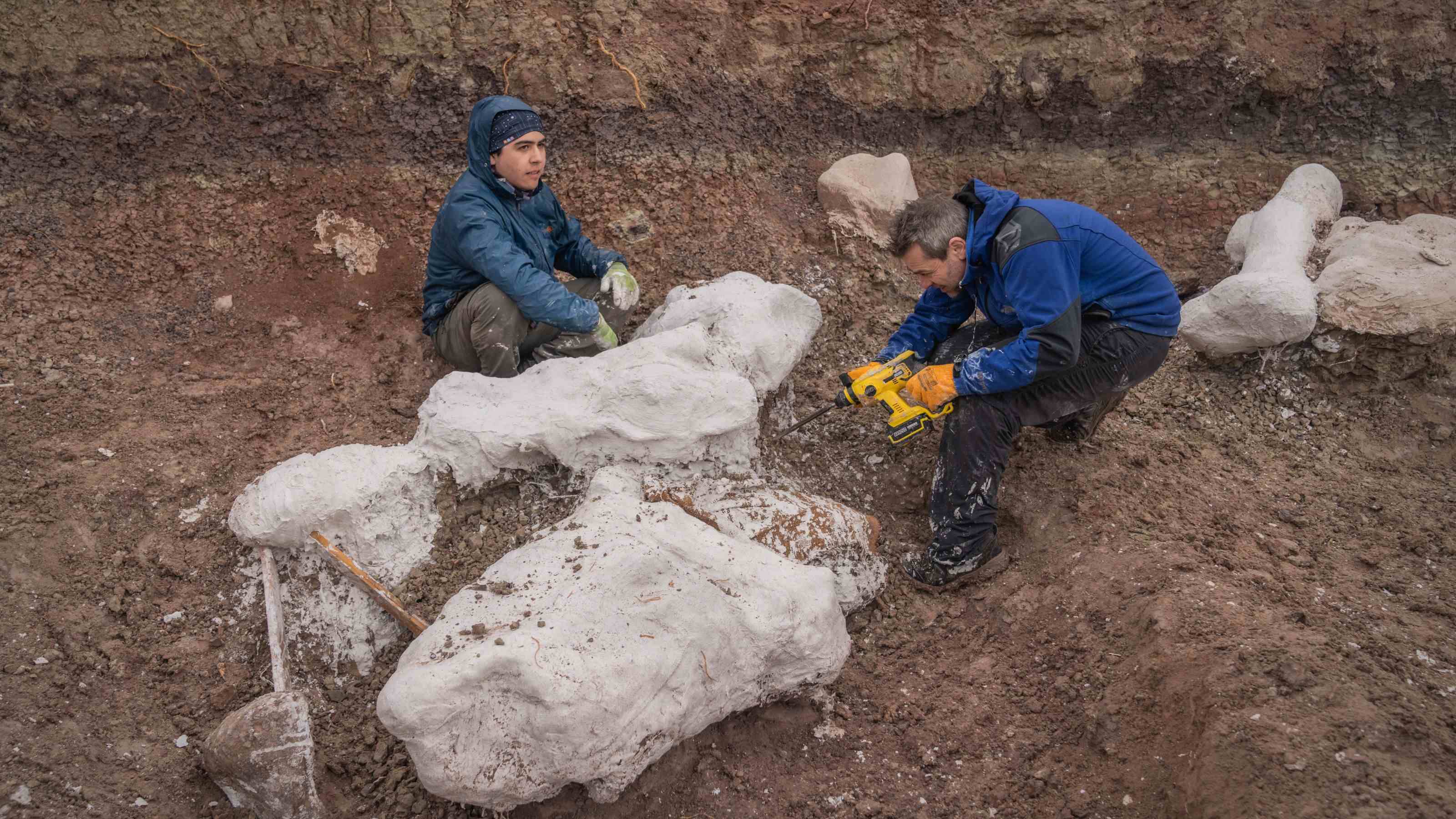
For the past 25 years, paleontologist Diego Pol has been exploring Patagonia in search for new fossils that can signal clues about the deep histories that lie within the region.
“I was very fortunate to be part of the discovery and description of 40 new species of dinosaurs, crocodiles, and other reptiles,” he said.
According to Pol — who is also a National Geographic Expedition Expert – Patagonia is one of the top three places that are helping to spell out new information and data on the Southern Hemisphere.
This is something scientists have been trying to build as there is currently more information about what happened in the Northern Hemisphere, than in the Southern Hemisphere, he adds.
Pol’s expertise has led him to work for National Geographic for 20 years. He’s led travellers across Patagonia and Antarctica – and will continue to connect with travellers for National Geographic Signature with G Adventures.

“National Geographic Society has supported many of my expeditions, my discoveries, my research,” said Pol, pointing to his current project as an example that is focused on trying to understand extinction patterns.
Pol is also the head of the science department at the Egidio Feruglio Paleontological Museum in Argentina and emphasizes his equal passion for outreach and educating future generations.
“I firmly believe that scientists need to go outside their little communities, and try to explain why what we're doing is important for the society where we live in, and try to increase curiosity amongst kids about science, about discovery, about the natural world,” he said.
Travel with Diego on Signature: Argentina, Chile & the Heart of Patagonia
According to Pol, Patagonia has implemented more guidelines in recent years to prioritize sustainability and nature conservation.
“The national park services … learned the lessons the hard way due to wildfires and forest fires that destroyed important parts many times, due to human activities, or campsites that were overpopulated, people were camping a little beyond the places where they should,” he explained.
“Many national parks have quotas about how many people can camp at one site, and they are much better organized than 20 years ago.”
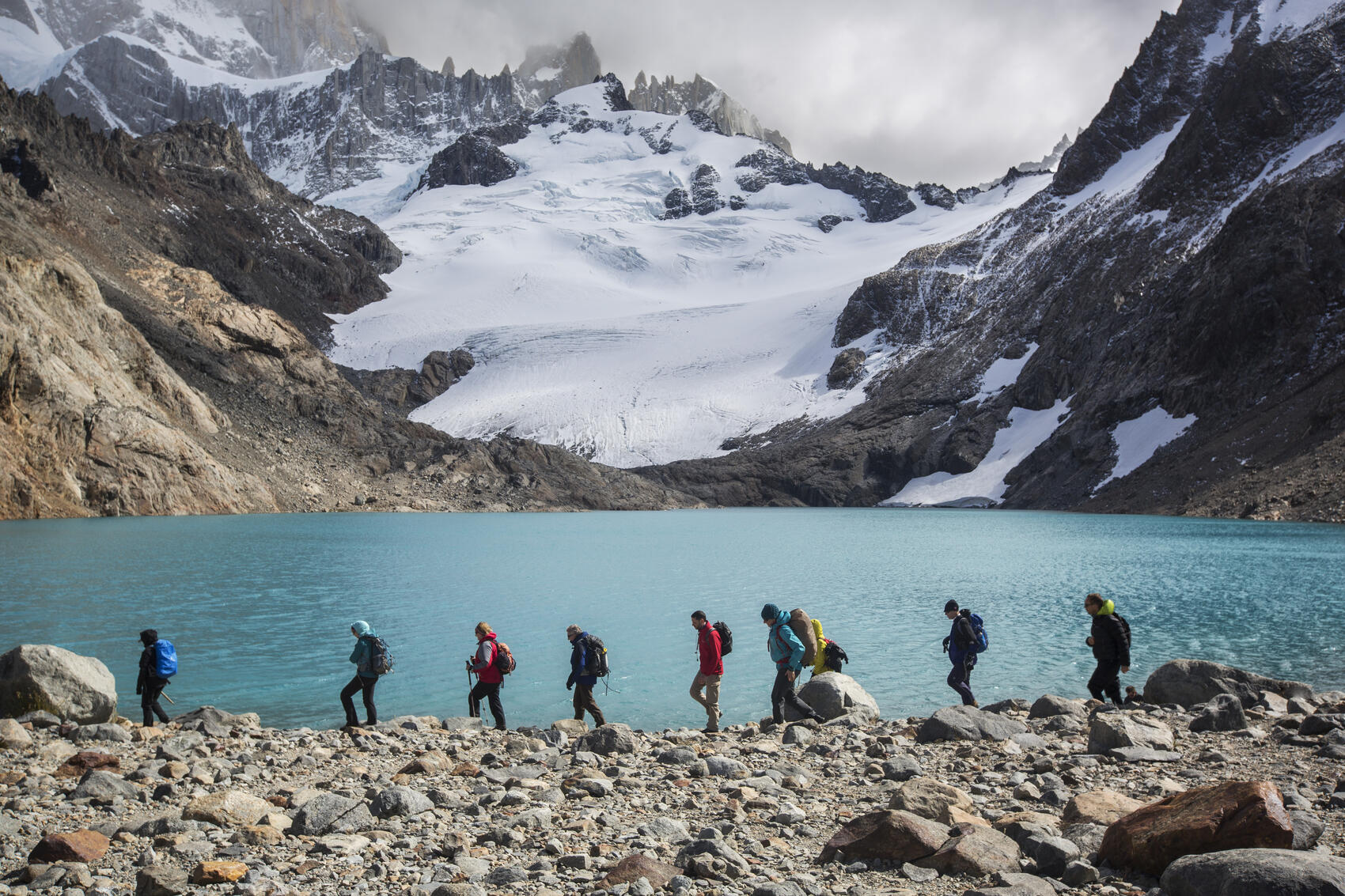
In the previous trips that Pol has led with National Geographic, local guides were also recruited to be a part of the journey.
“Most of them are people born and raised there, and they're very proud of what they do. Most of them are very young, and they're trying to find a way to be included in these beautiful places,” he said.
As an Expedition Expert, Pol strives to not only highlight the local communities he and his group meet, but also the work of his colleagues.
“I try to bring annotations, the work, or experiences of fellow scientists, fellow Nat Geo explorers also working in Patagonia, because it's such a wonderful place that is sort of a hub of biology, ecology and geology research,” he said.
Pol’s admiration for Patagonia is no secret — in fact, it all started when he was 12 years old.
During a 40-day road trip he and his family took across Patagonia, he found his first fossil and fell in love with the region.
“I started wondering about many things that formed part of my everyday life and research nowadays, like how this mountain got to be … what is happening to our planet, and I think it was a trip that changed my life,” said Pol.
In fact, he is consistently reminded about his love for the region, through witnessing the experience of other travellers.
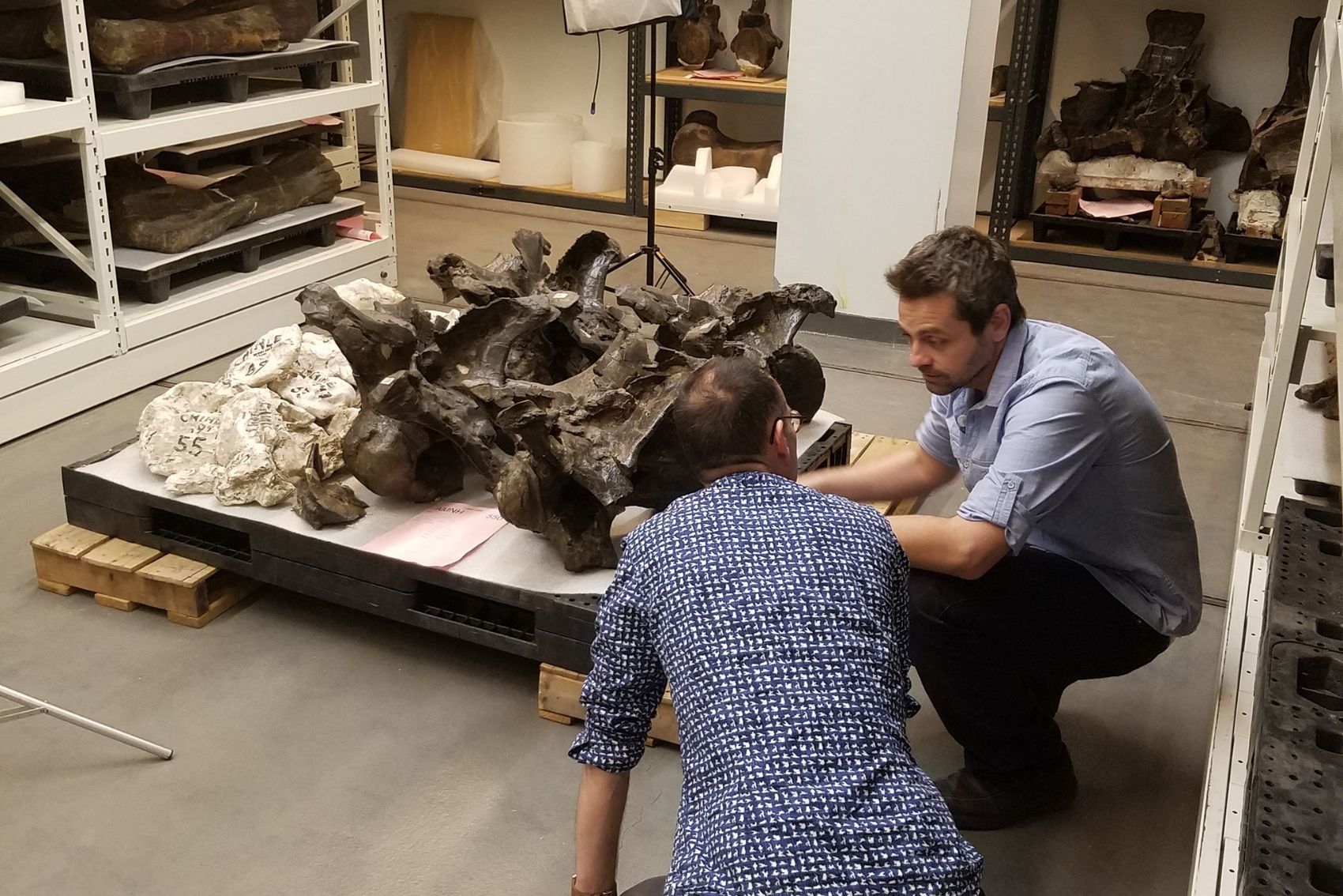
“(The) many times when I see the travellers falling in love with the place that I love, having that shared connection with the place, I think it's very rewarding. I love to show how wonderful and unique this place is,” he said.
“Many people also appreciate the way we are traveling … The way we try to minimize the use of plastics during our visit, the way we end up meeting people on every destination and learning not only about the natural history, trees, the plants, the climate, the fossils, the history, the natural history, but also how people are living nowadays.”
Read more stories like this:
National Geographic Signature with G Adventures: travel that goes deeper
Meet the signature expert leading shorebird conservation efforts in China's Yellow Sea
How this National Geographic expert enriches and educates travellers