
10 jaw-droppingly beautiful landscapes every traveller should see
Join us on a journey to some of the planet's most beautiful and awe-inspiring landscapes
This post was originally written by Daniel Sendecki on 23 Nov, 2015
The world is full of landscapes that stop you in your tracks. From ice‑scarred islands at the edge of Antarctica to turquoise alpine lakes and towering granite peaks, these are the places that make you feel well and truly alive. In this guide, we’ve rounded up 10 of the planet’s most jaw‑dropping destinations — some well-known, some hidden gems — plus the best ways to experience them up close, responsibly, and without holding back. Your adventure starts here...
Elephant Island, Antarctica

Rising from the Southern Ocean off the coast of Antarctica, Elephant Island is a remote, ice-covered mountainous island in the outer reaches of the South Shetland Islands, best known as the desperate refuge of Ernest Shackleton and his crew in 1916. After their ship was crushed by Weddell Sea ice, 28 men endured months on drifting ice floes before reaching the island, where they awaited rescue in one of the most extraordinary survival stories in polar history.
Accessible only during the austral summer from late October to March, Elephant Island offers travellers the chance to witness immense icebergs, spot whales and seabirds from the deck, and come face-to-face with Antarctica’s stark, otherworldly beauty.
See it for yourself on: Spirit of Shackleton
Scottish Highlands & Isles, Scotland
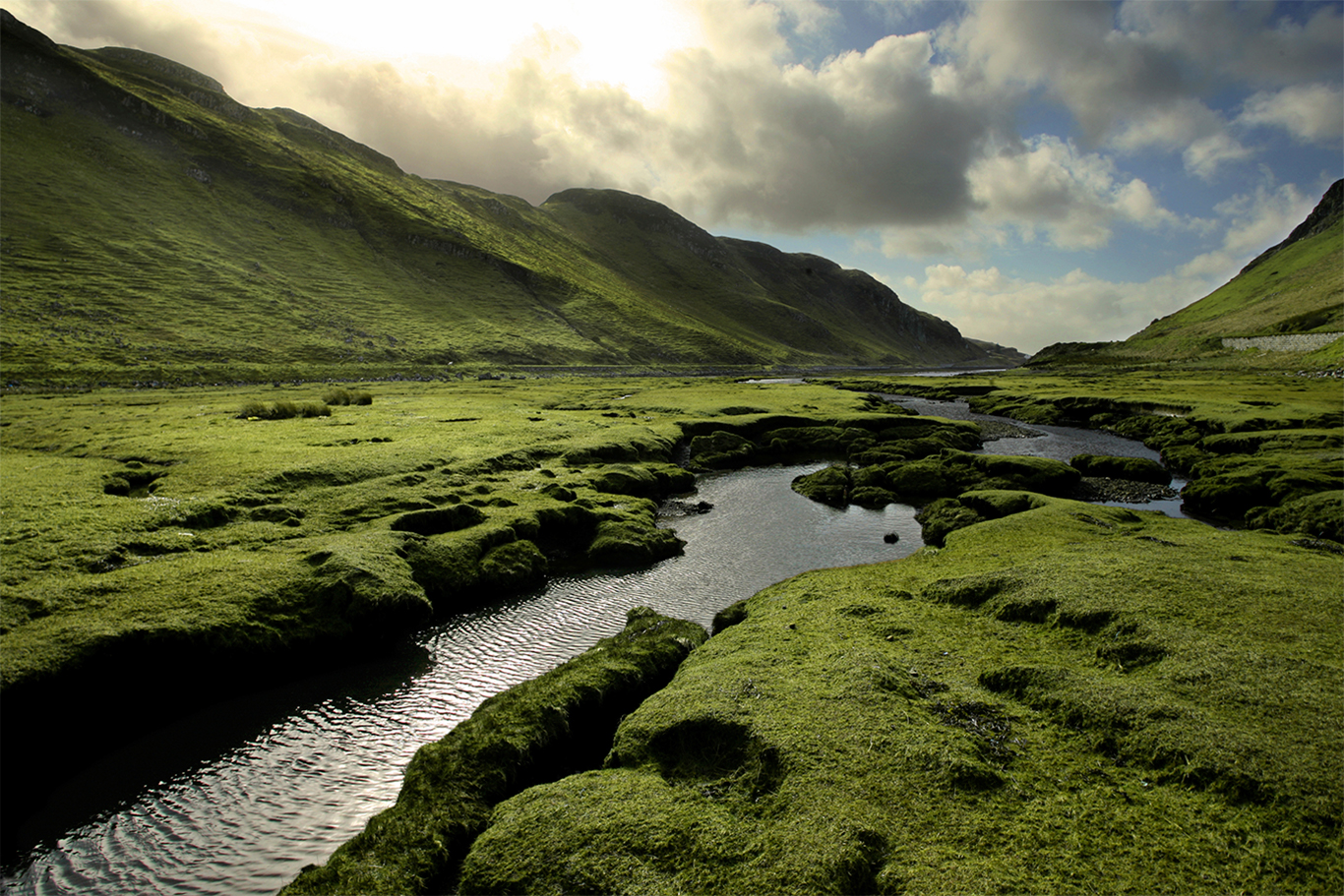
Rugged, remote, and fiercely beautiful, Scotland’s Highlands and Isles are where wild landscapes meet deep history, from towering mountains and misty glens to the storied isles of Orkney, Shetland, and beyond. The region is dotted with medieval castles, ancient churches, windswept beaches, whisky distilleries, and plenty of wildlife including Shetland ponies, highland cows, white-tailed sea eagles, puffins, seals, and even basking sharks just offshore.
Spring or Autumn are both fantastic times to visit, when the light accentuates the dramatic scenery and crowds are thinner, but expedition cruises run year-round, bringing you face-to-face with cliffside ruins, prehistoric stone circles, and the bracing North Atlantic coastline. Travellers can combine small-ship sailing with onshore exploration of islands, hiking, wildlife spotting, and cultural encounters, making this one of the UK’s most diverse and photogenic landscapes.
Explore it for yourself on: Expedition Through the Scottish Isles or Highlights of Scotland
Dettifoss, Iceland

Located in northeast Iceland, Dettifoss is reputed to be the most powerful waterfall in Europe, with meltwater from Vatnajökull glacier surging through a stark volcanic canyon at up to 500 cubic metres per second during peak summer flow. The surrounding landscape is raw and dramatic, with sheer drops and dark rock formations that amplify the falls’ untethered power.
The best time to visit is from June to September, when access roads are open and conditions allow visitors to safely approach the viewing areas. Travellers exploring the region can also discover black-sand beaches used in shows like Game of Thrones, glacier-carved fjords, and some of Iceland’s most striking natural contrasts.
See it for yourself on: Best of Iceland
Grand Canyon, USA

Carved by the Colorado River over nearly two billion years, the USA’s Grand Canyon is one of the world’s most magnificent natural wonders, stretching for hundreds of kilometres and reaching depths of more than a mile. At its widest point, the canyon spans 28km (17.4 mi), while at its narrowest it measures just 54m (177 ft) across, revealing striking geological contrasts throughout.
The best times to visit are March to May and September to November, when cooler temperatures and thinner crowds create ideal conditions for exploration. Highlights include panoramic sunset views from the rim, stargazing under dark desert skies, and journeys that combine those legendary American landscapes with legendary road-trip routes.
See it for yourself on: Best of the West Road Trip: California, Utah & Vegas Bright Lights
Machu Picchu, Peru
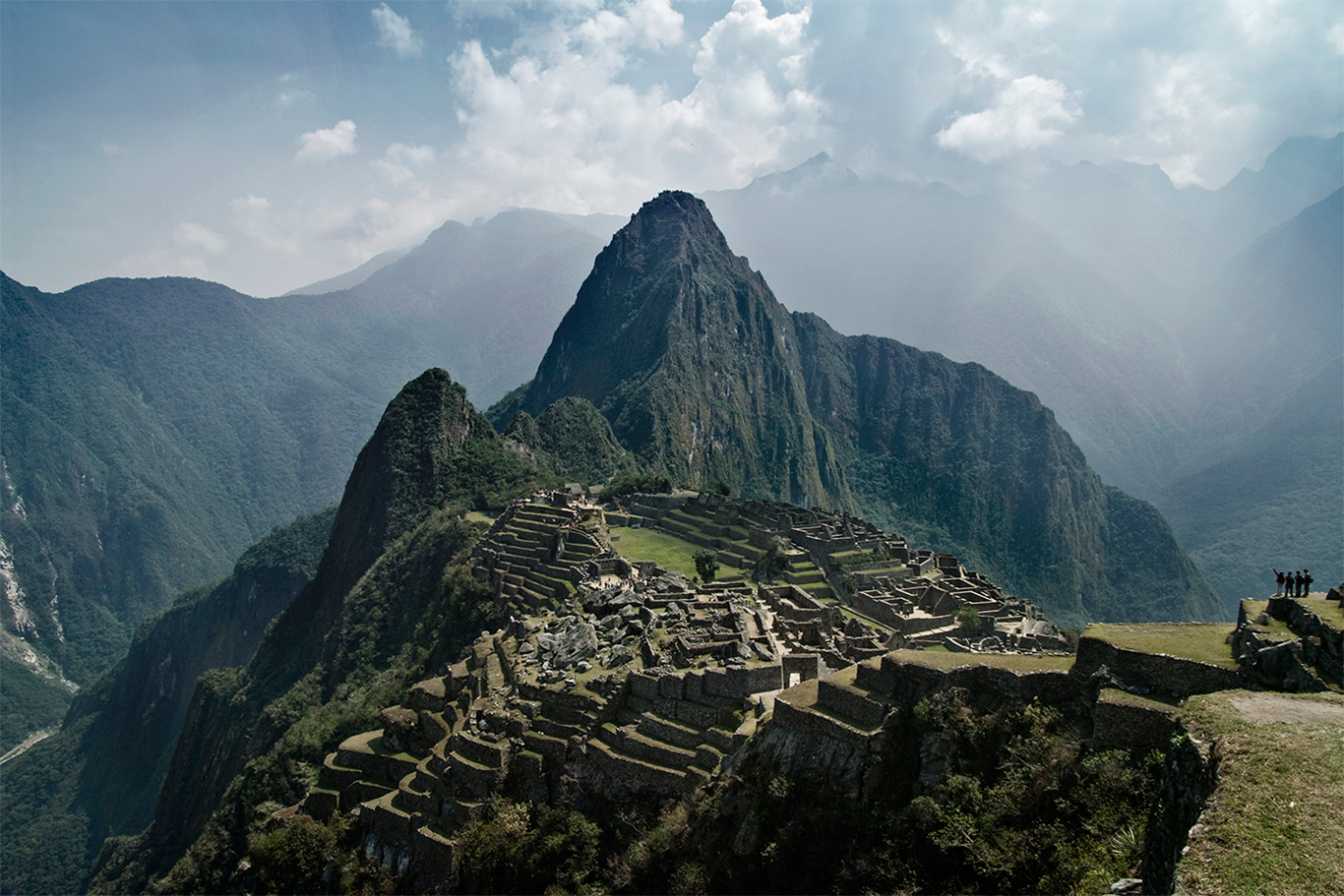
Perched high above Peru’s scenic Urubamba Valley, Machu Picchu is the most famous remnant of the ancient Inca civilization, often referred to as the Lost City of the Incas. Located some 80km (49.7 mi) northwest of Cusco, the site blends architectural mastery with dramatic Andean scenery, making it one of South America’s most compelling cultural landscapes.
Open all year-round, Machu Picchu experiences its wettest months from October to April, while peak visitor numbers occur in July and August. Travellers exploring the region can hike ancient trails, visit mist-shrouded Sacred Valley ruins, and learn about enduring Andean traditions that continue to shape life in the mountains.
Discover this UNESCO-listed wonder for yourself on: Inca Discovery Plus
Torres del Paine National Park, Chile

Located deep in Chilean Patagonia, the Torres del Paine National Park is one of the world’s most jaw-droppingly beautiful landscapes, shaped by glaciers and defined by towering granite peaks known as the Torres del Paine. The park is a UNESCO Biosphere Reserve and is renowned for its dramatic mix of mountains, turquoise lakes, glaciers, and wide-open valleys, offering some of the most diverse scenery in the whole of South America.
The best time to visit is from October to April, when trails are fully accessible and conditions are ideal for trekking, wildlife spotting — this is the best place in the world to see pumas — and glacier viewing, including the massive Grey Glacier. Travellers can hike iconic routes like the W Circuit, watch ice floes drift across glacial lakes, and pair their Patagonian adventure with time in cosmopolitan Santiago before heading south.
See it for yourself on: Torres del Paine - Full Circuit Trek
Peyto Lake, Canada

Set high up in the breathtakingly beautiful Canadian Rockies, Peyto Lake is a glacier-fed alpine lake renowned for its vivid turquoise colour, created by suspended rock flour flowing into the water during the summer melt. Named after English explorer Bill Peyto, who discovered the lake in 1894, the area offers classic Rocky Mountain scenery framed by snow-capped peaks. The lake is best seen from Bow Summit, which is 2,088m (6,800 ft) above sea level and the highest point on the Icefields Parkway — one of the world’s most spectacular roads.
The best time to visit here is from June to September, when the hiking trails are accessible and the lake’s colour is at its most striking. Travellers can enjoy scenic drives, wildlife viewing — black bears, elk, bald eagles, and even grizzlies are sometimes seen — glacier walks, and relaxing soaks in nearby natural hot springs.
Visit Peyto Lake and more on: Journeys: Discover the Canadian Rockies — Westbound
Seljalandsfoss, Iceland

One of Iceland’s most famous waterfalls, Seljalandsfoss cascades over a rocky cliff into a lush green pool, with a footpath that allows visitors to walk right behind the falling water. The cliffs are believed to have once formed part of Iceland’s ancient coastline, adding geological intrigue to the scene — it’s often considered one of the most beautiful views in the world too.
While best visited between June and September, when conditions are milder, the waterfall is accessible year-round and offers dramatically different experiences across the seasons. Exploring Seljalandsfoss is often paired with glacier treks, volcanic landscapes, and multi-day hikes through Iceland’s ever-changing terrain.
Stand in awe at Seljalandsfoss on: Best of Iceland: Golden Circle & Snæfellsnes Peninsula
Northern Lights, Various Locations

The Northern Lights (aurora borealis) are one of the most mesmerising natural phenomena on Earth, created when electrically charged particles from the sun interact with gases high in the Earth’s atmosphere to produce shimmering colours across dark night skies. This spectacle is best viewed in high-latitude regions — often right above the Arctic Circle — where long, clear nights give ample opportunity for lights to appear overhead. In places like Iceland, northern Scandinavia, or across the Arctic, travellers can combine aurora hunting with glacier hikes, hot springs, and remote wilderness experiences.
The prime season for sightings runs from late September through early April, with peak visibility typically on crisp, cloud-free nights away from city lights. Because the aurora is influenced by both solar activity and atmospheric conditions, there’s never a guaranteed sighting. But, planning for darker nights, checking forecasts, and allowing several nights increases your chances of catching this unforgettable celestial show.
Watch the lights dancing on: Winter in Finland: Lapland & Northern Lights or Across the North Atlantic: Iceland, Greenland & Labrador
Iguassu Falls, Argentina and Brazil
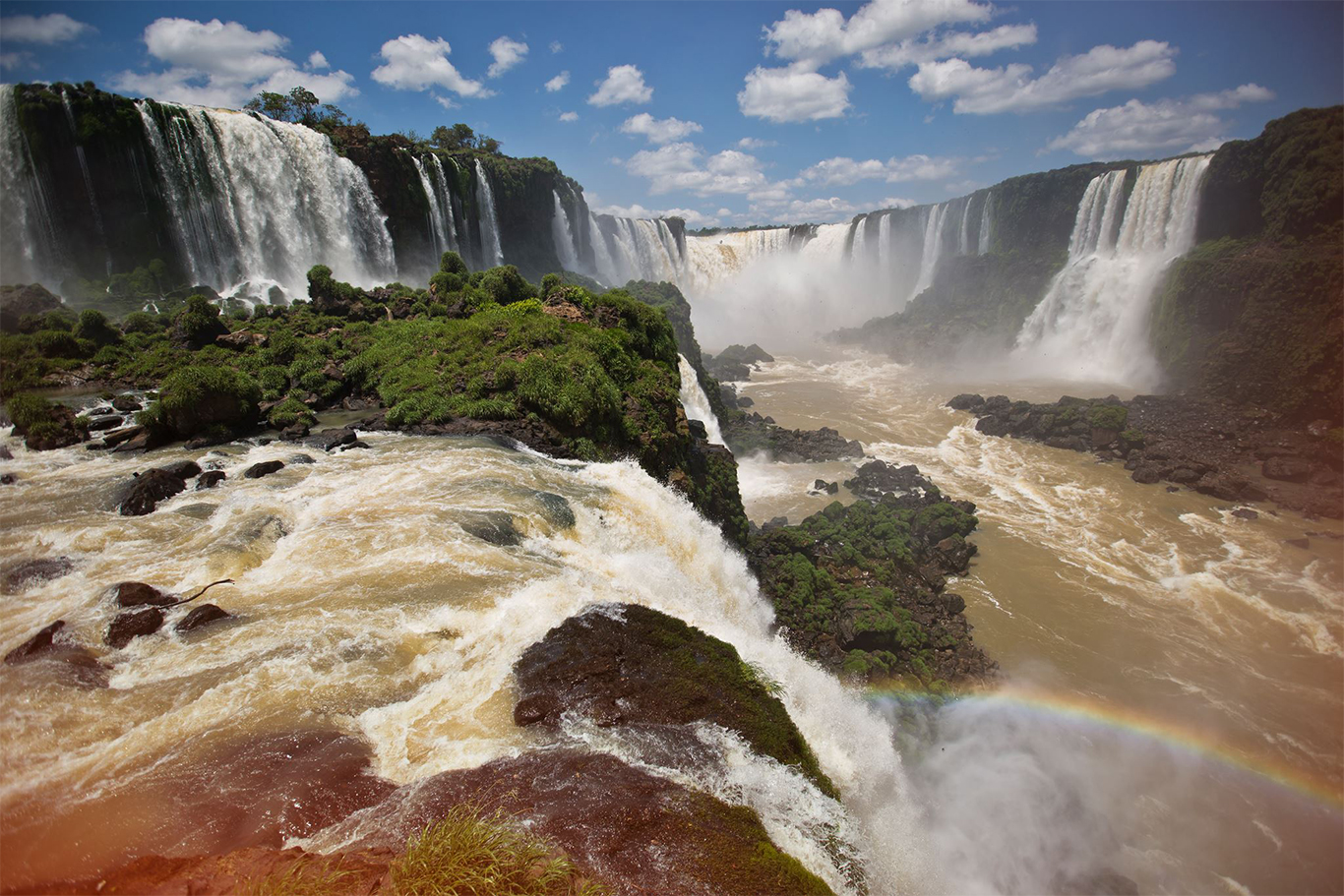
Straddling the border of Argentina and Brazil, Iguassu Falls is one of the most powerful and expansive waterfall systems in the world, comprising 275 individual cascades set within lush subtropical rainforest. Taller than Niagara Falls and wider than Zimbabwe’s Victoria Falls, the most dramatic section — otherwise known as the Devil’s Throat — plunges more than 106m (347.8 ft) into the gorge below.
The heaviest flow occurs from December to February, when seasonal rains make the falls especially thunderous. Visitors can explore viewpoints on both sides of the border and experience the region’s rich biodiversity — which includes coatis and toucans — up close and personal.
Stand in awe at the falls on: Iguassu & Beyond
Read more from
What’s the real value of small group tours? Insights from an experienced solo traveller
Discover why small group tours are a smart, stress-free choice for solo travellers, through Lydia’s experience
Read more from
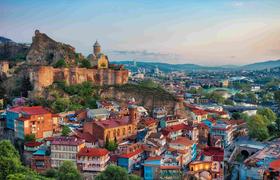
48 hours in Tbilisi: a weekend in Georgia’s capital
Dive into the heart of Georgia for 48 hours, strolling through historic streets, relaxing in a sulfur bath and exploring local cuisine
Read more from
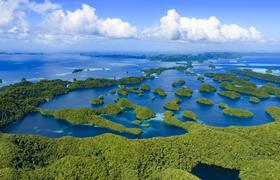
Jellyfish, drifts and giants: the very best things to do in Palau
Dive into one of the world’s last frontiers to learn about marine conservation, snorkel across kaleidoscopic coral reefs and more
Read more from
National Geographic Signature with G Adventures: how we're redefining high-end travel
High-end travel is evolving — and G Adventures is helping to lead the shift.
Read more from
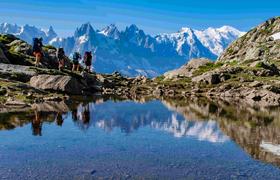
Mont Blanc hike: the ultimate guide and tips for first-timers
Your complete first-time guide to the unforgettable Mont Blanc hike