Madi Wong
Editorial Content Lead
Editorial Content Lead
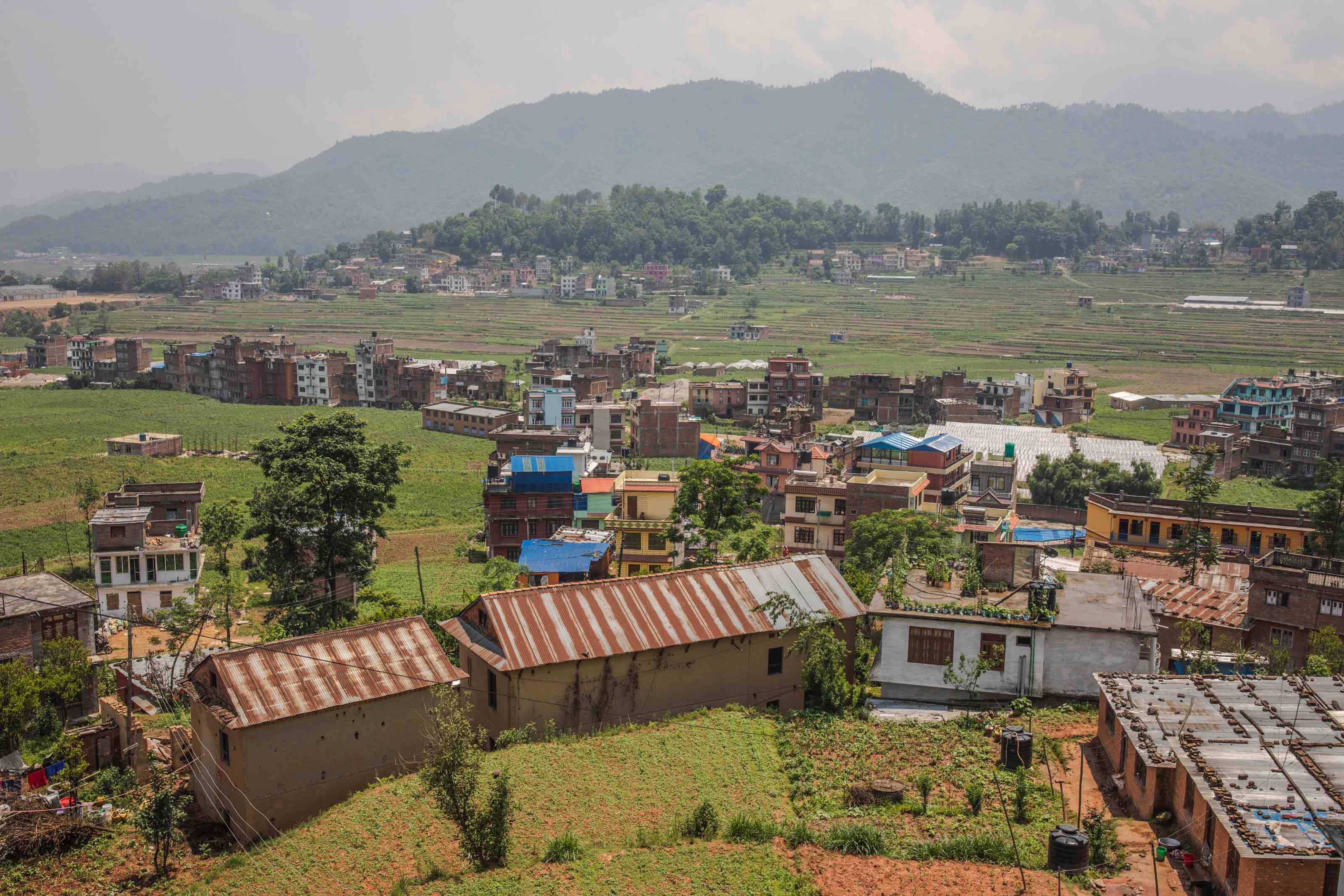
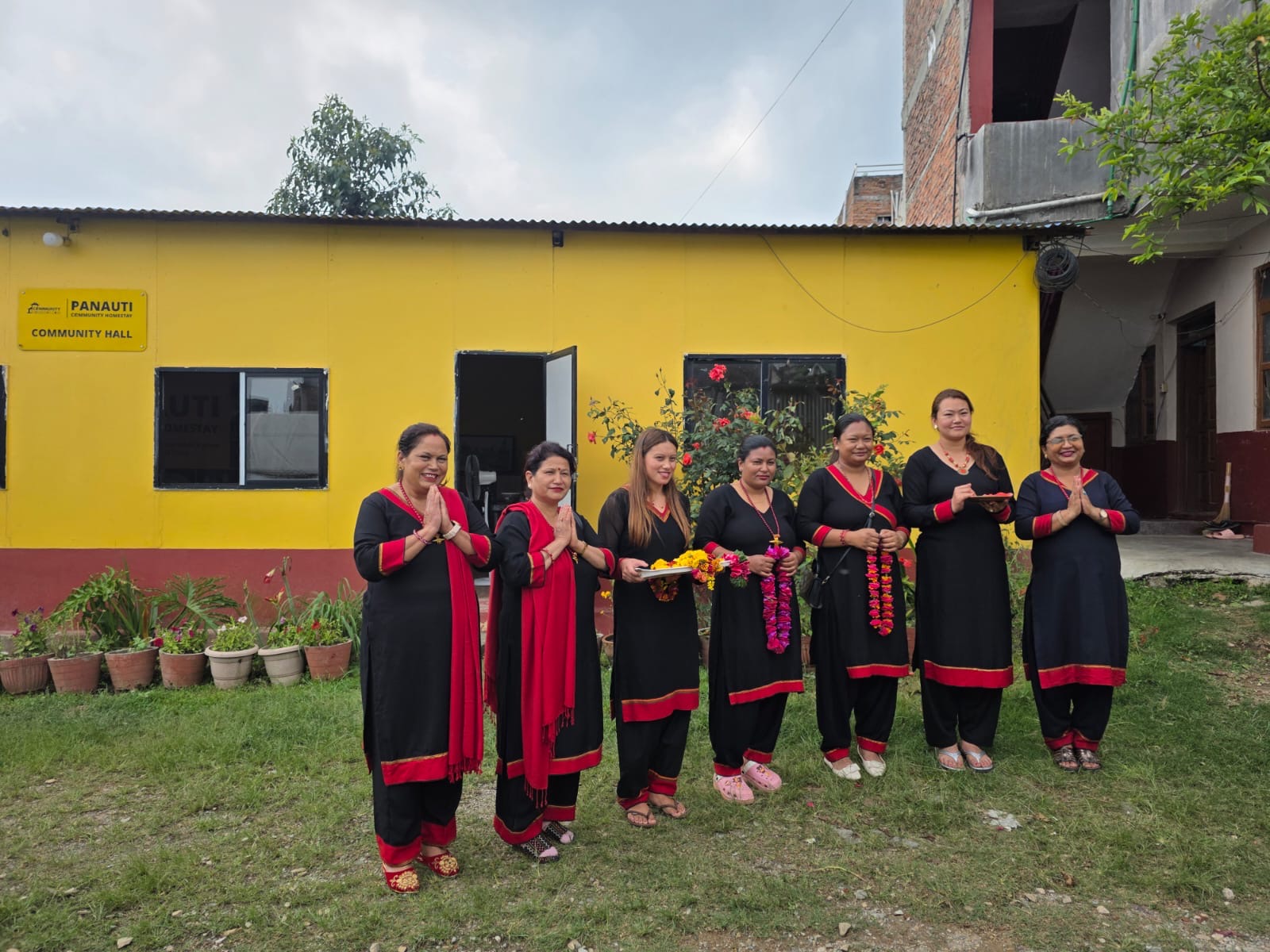
Located in Panauti – a historic Newari town in Nepal – is a community homestay run by 15 women – all from different families.
For over 14 years, Panauti Community Homestay has hosted numerous travellers from around the world. Together, they have also fostered opportunities for Nepali women and youth, generating income for community development across Panauti.
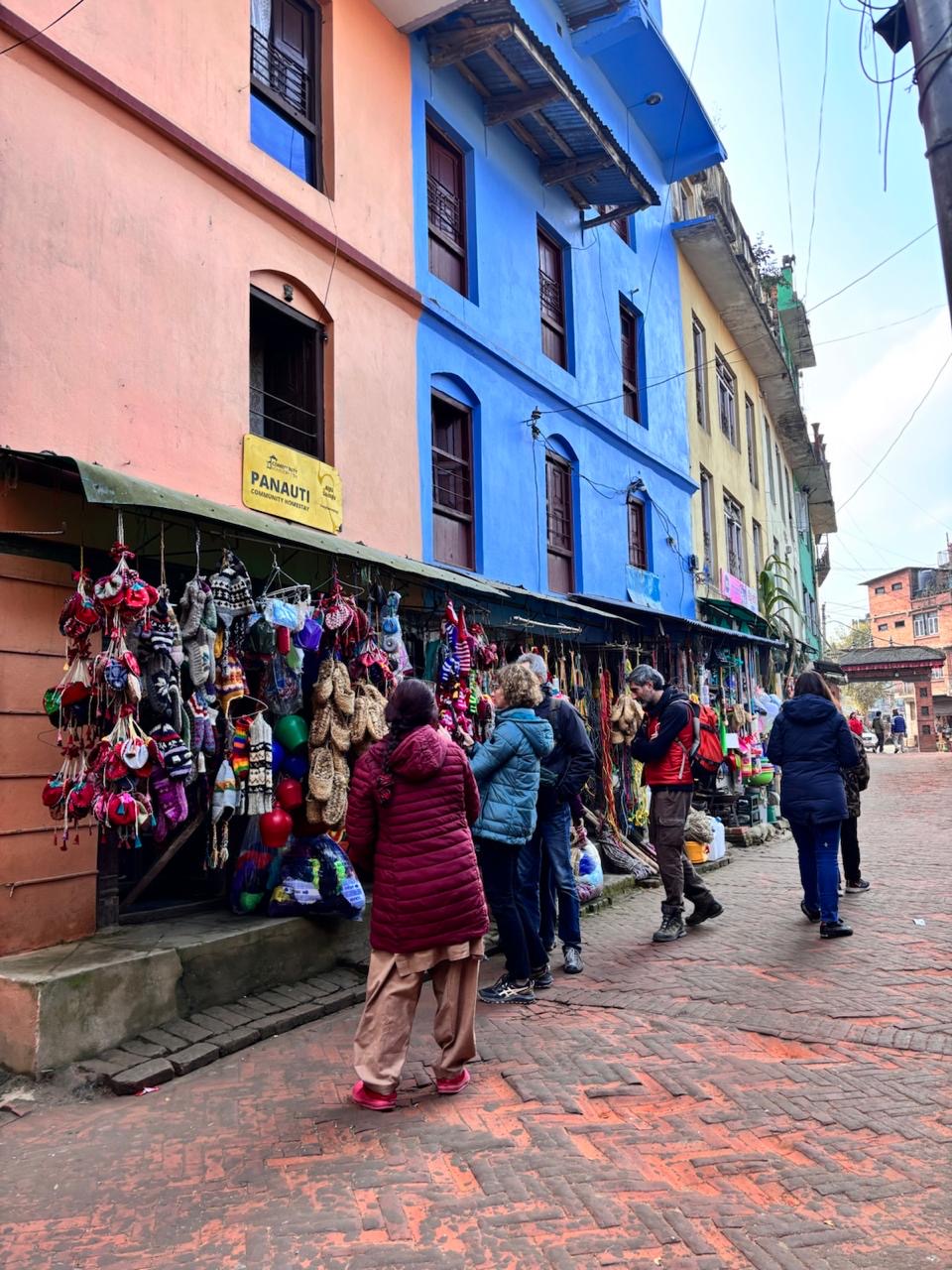
Ashish Gupta – whose mother is one of the original founders of the homestay – says what started as a vision to help empower women, has blossomed into a meaningful, successful community project.
In 2012, seven women – including Gupta’s mother – put forward a proposal to G Adventures and Planeterra to provide support for the homestay and bring travellers to Panauti to experience local living.
“They accept our proposal. And from there, the whole thing just became history. And it became one of the most powerful women leading projects, and it's one of the very first women-led homestays of Nepal,” explained Gupta.
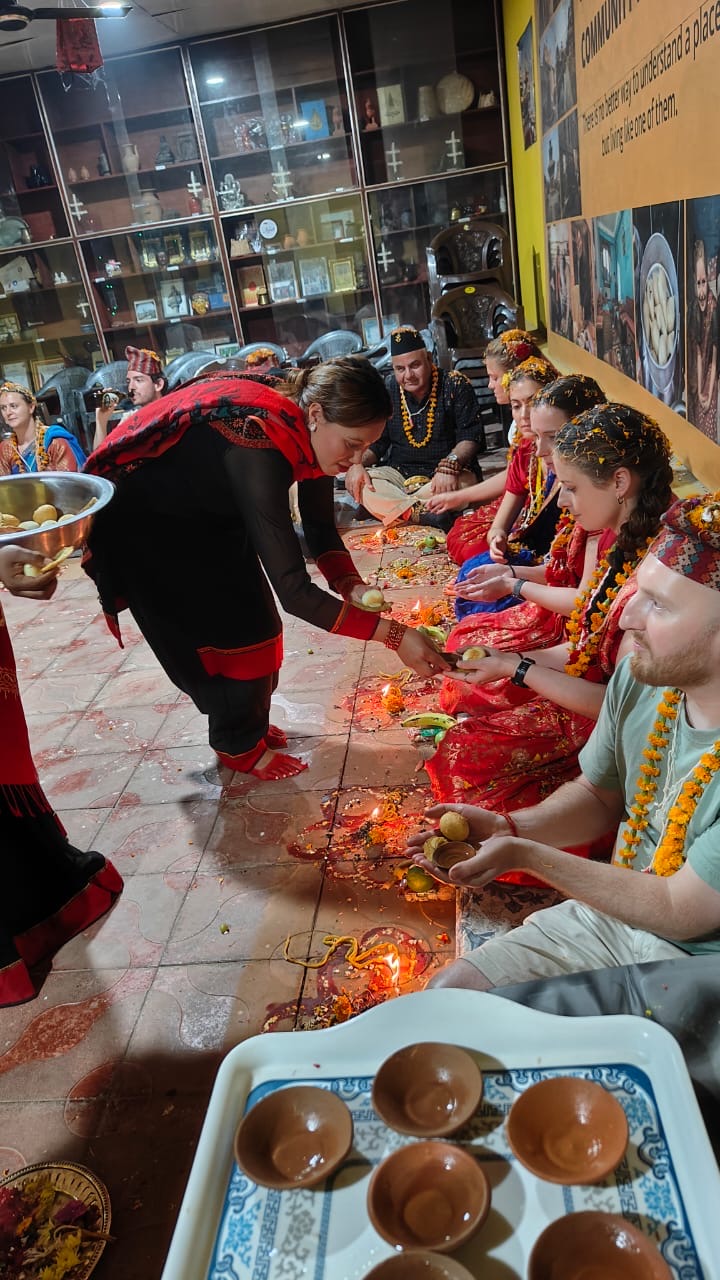
Their courage to open the homestay at that point in time was a big step forward, he says, pointing to societal criticisms the women received for stepping outside a traditional housewife role.
“They said, ‘We want to showcase our culture, our history, the way we live.’ And at the same time, they want their own independence, they are earning for themselves, but they want to do it for their own community as well,” he said.
Gupta, who was only 18-years-old at the time the homestay opened, began helping his mother as a Nepali to English translator.
He and his three sisters worked together to communicate and share stories with travellers about Nepal’s history and heritage. As a family unit, they supported the growth of the homestay whenever they could lend an extra hand.
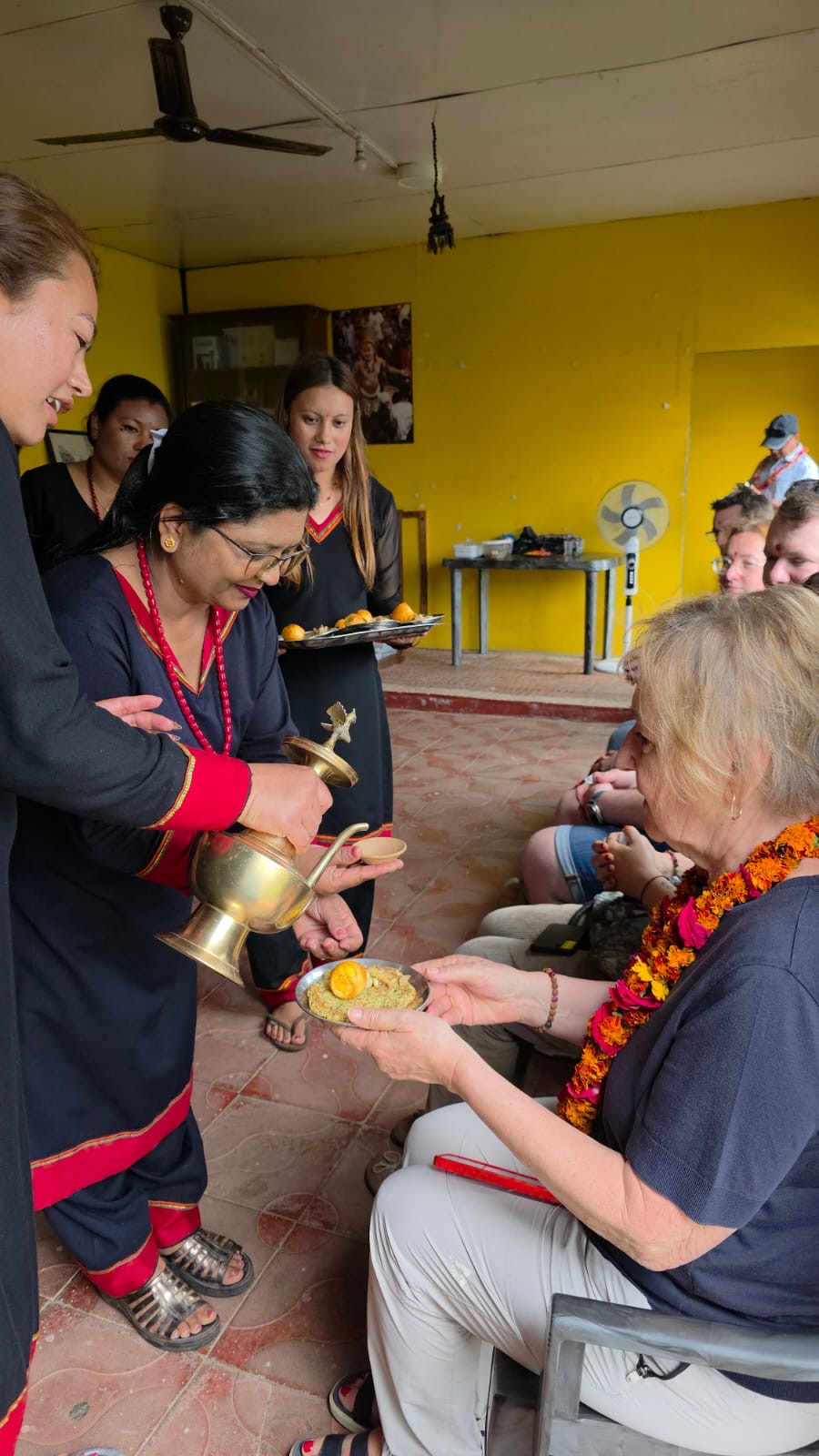
“What I really understand while sitting with these different travellers from different parts of the world, [is] with a one single meal or one story, it can change their life,” he said.
“And these travellers, they did not expect big sights or big monuments. They just want to know what's going on in our daily life … our way of living, and it actually connected two different parties,” he said.
As Gupta and his sisters developed their own careers in Nepal’s tourism industry, his path eventually led him to becoming a Chief Experience Officer (CEO) with G Adventures in 2017.
Through each of the tours he has led across Nepal, what remains at the forefront of Gupta’s mind are the lessons he learned from his mother and the women at Panauti Community Homestay.
“What I learned from my mom is how openly she welcomed the door for the different strangers from all around the world, and at the end of the day, we became a part of a big family,” he said.
“And that hospitality nature, that caring nature, I carry on with me, and it really helped me. And now I'm focusing on the same thing, what I learned from my mom in a global space.”
Being part of the second generation to lead Panauti Community Homestay and community tourism in Nepal is an honour and responsibility that Gupta holds close to heart.
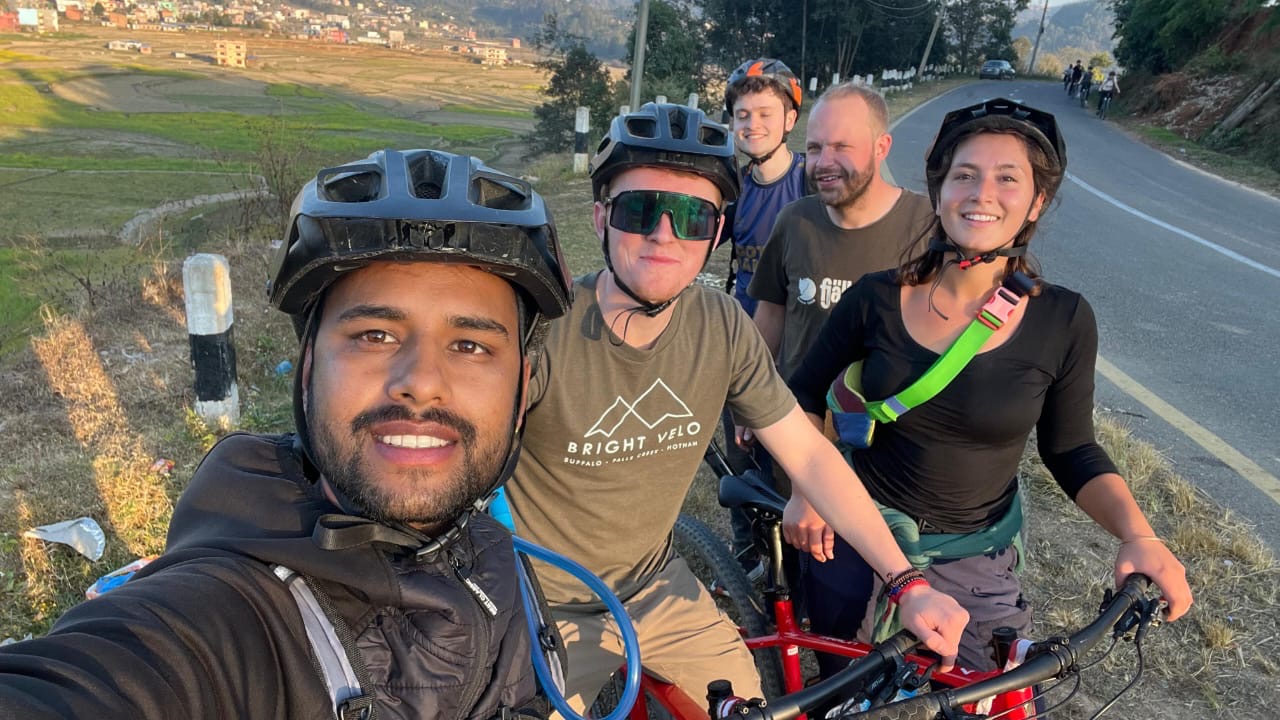
Building off the foundation that his mother and other women created, Gupta says they have also created other initiatives, including a bicycle storytelling program for youth, in efforts to build a community-based system that can be continued into the future.
“The biggest challenge our nation is facing is a lot of youngsters, they are migrating. And they think that opportunities are always outside,” he said, adding the program can not only give them job security but show them it's possible to thrive within their own hometown.
Through each facet of his work, Gupta aims to find ways to have Nepali families and communities benefit from the community tourism work he and his family engage in.
While many tourists often look to Nepal for its notable mountains and landscapes, he hopes he can be a small part of making his ancestors proud by showcasing Nepali people, stories and culture.
“We are changing people's lives. And at the same time, we are creating happiness for every single individual. It's not only for the travelers, but for the communities who are connected with us,” he said.
Read more stories like this:
**These 3 sisters opened doors for female trekking guides in Nepal
How an Indigenous community in the Philippines is restoring a rainforest