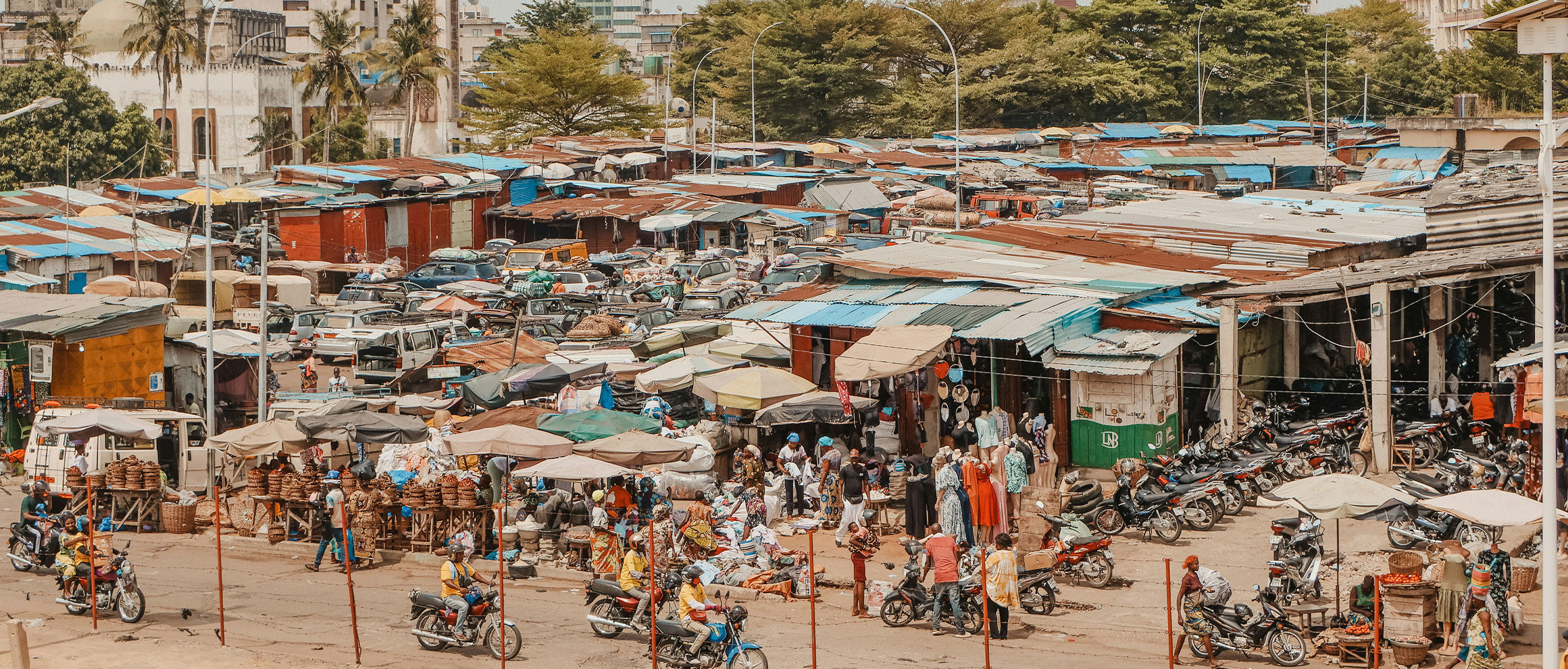
Ẹ̀nkpɔ́
Benin is where Vodun (Voodoo) was born — a land of sacred traditions, colourful festivals, haunting history, lively markets, wildlife-filled wetlands, and untouched beaches.
Vodun Festivals & Cultural Heritage
Jan-April & Nov-Feb: Best for cooler weather, travel, and Vodun festivals in Ouidah
Experiences that define Benin
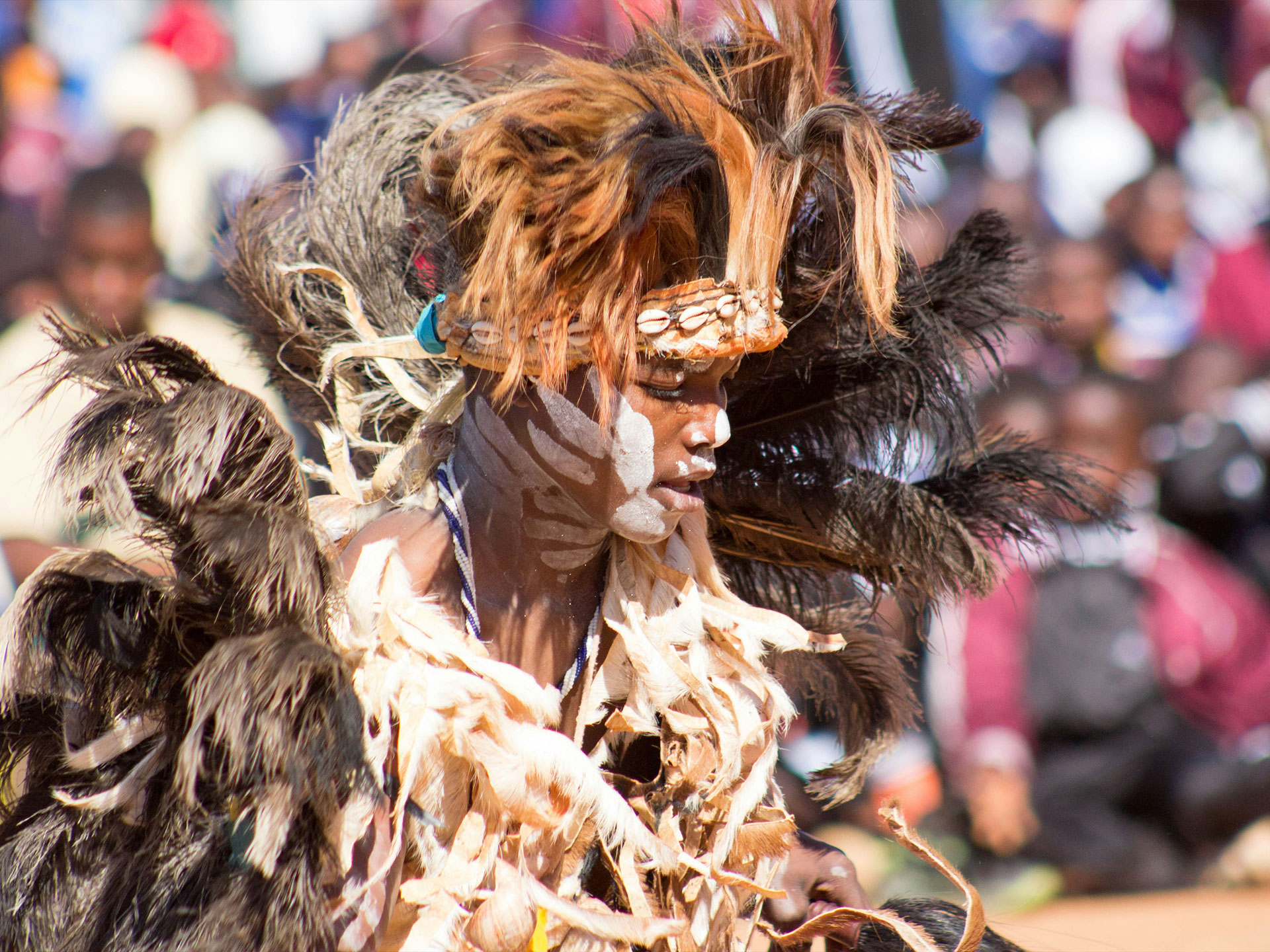
Ouidah Voodoo Heritage
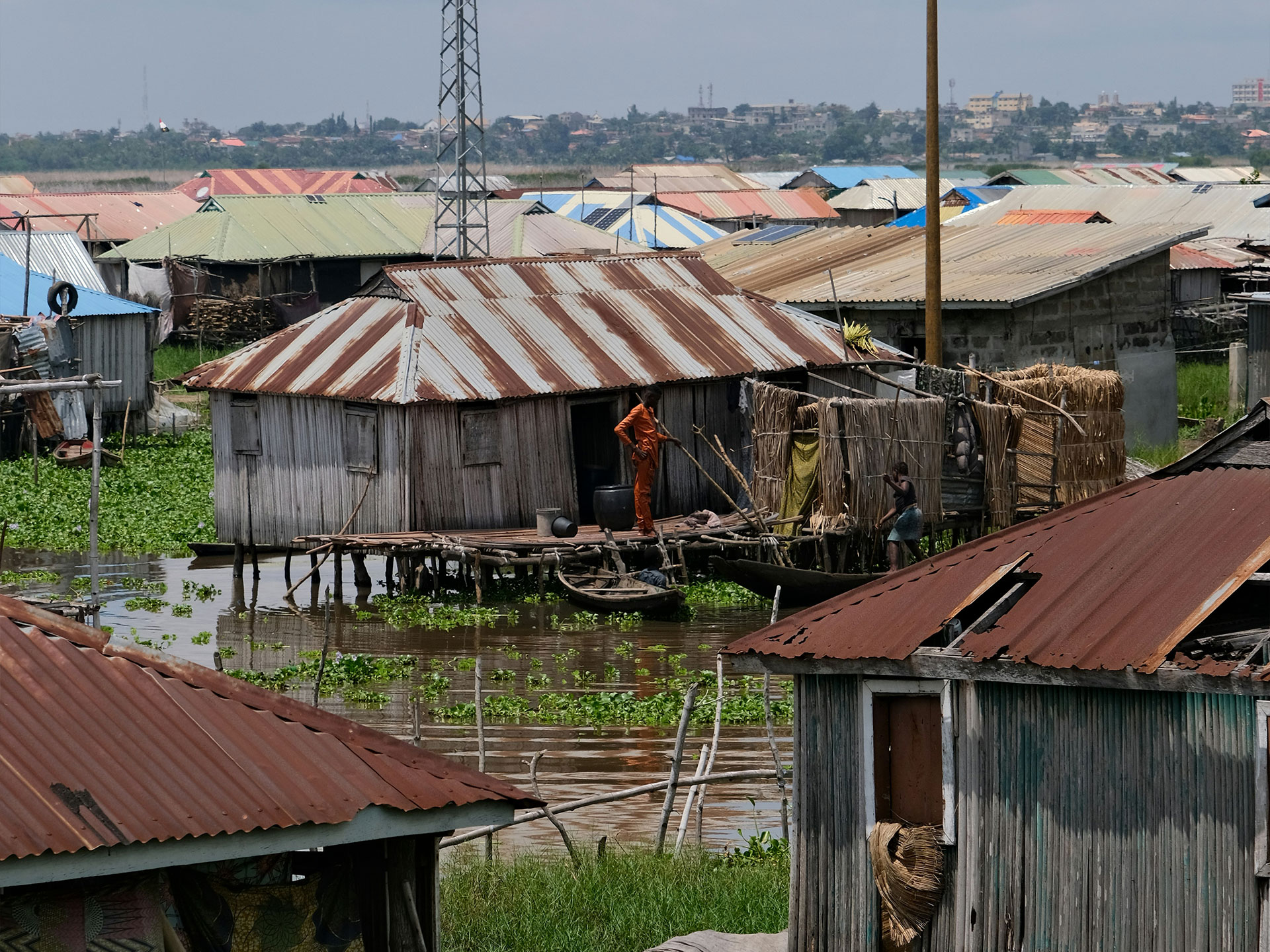
Ganvié Stilt Village
Abomey Royal Palaces
Door of No Return
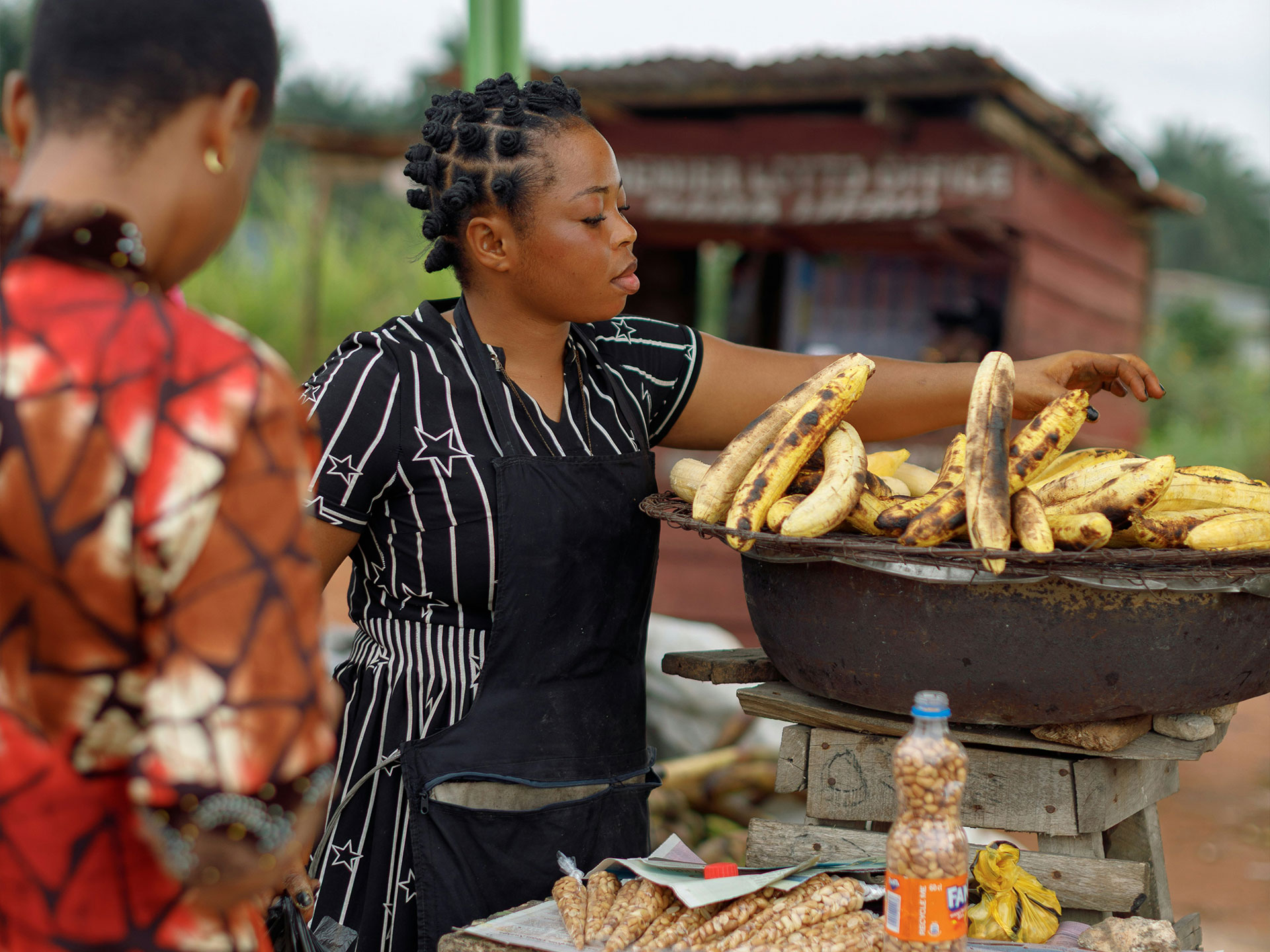
Porto-Novo Markets
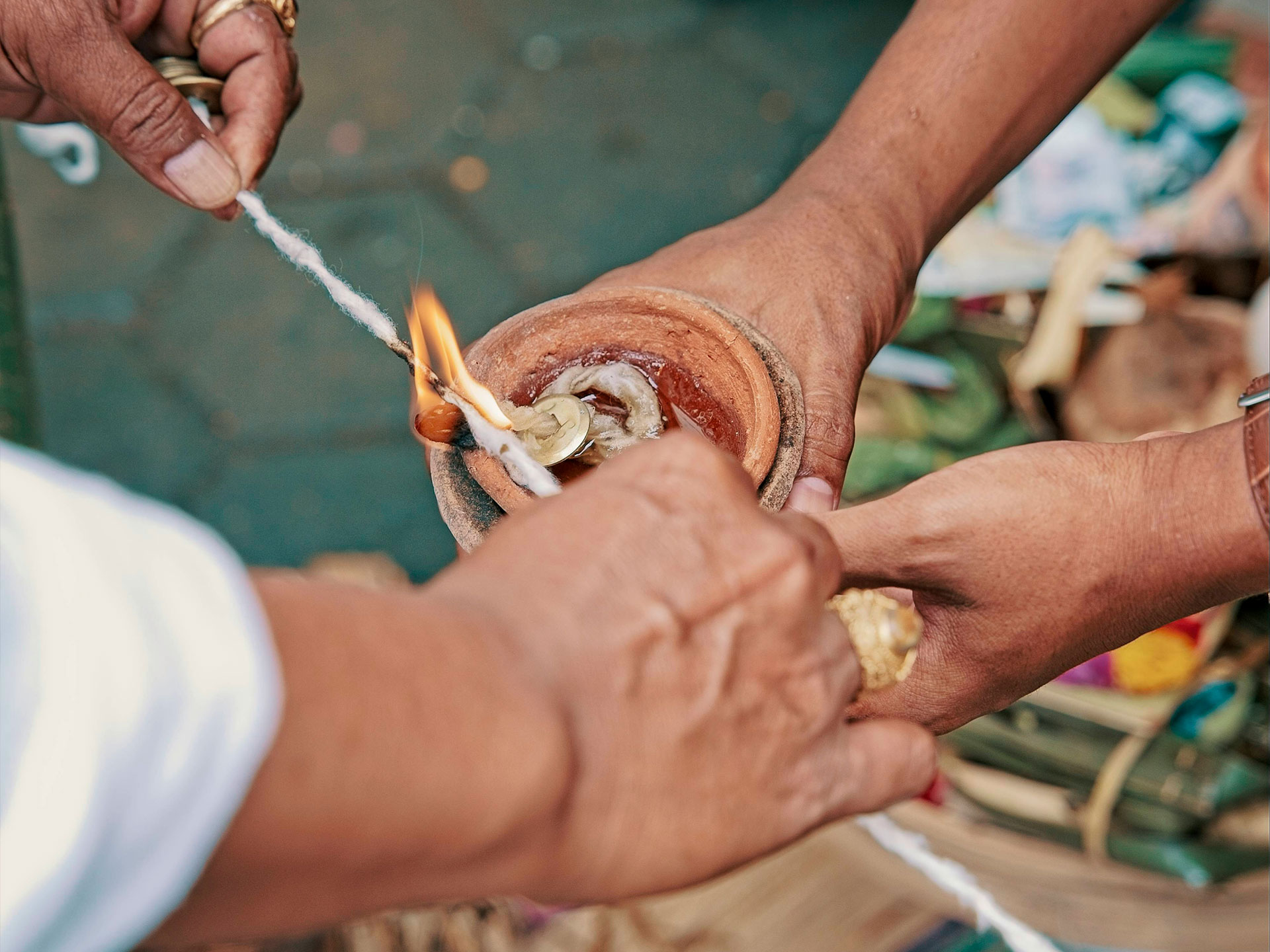
Voodoo Ceremony Rituals
Benin at a glance
Because planning should feel exciting, not exhausting
Frequently asked questions
Visa requirements may change, so for the most up to date information we recommend using our [Entry Requirements tool](https://www.gadventures.com/travel-and-visa-requirements/). Alternatively, check the Beninese embassy website in your country of departure.
Due to its location near the equator, Benin tends to have a hot and humid climate all year round. Temperatures tend to range from 18 to 35°C (64.4 to 95°F), though in the north of the country, it can get even hotter. The Harmattan winds, which blow from November to March, tend to bring very hot and dry conditions — bring moisturizer and lip balm\!
There are two rainy seasons in the south, from April to mid-July, and from mid-September to late October; and a rainy season in the north from June to early October. June tends to bring the most rainfall — up to 334 mm (13.15 inches) in some cases.
The best time to visit Benin tends to be during the dry season, which typically runs from November to February or March. Temperatures range from 25 to 30°C (77 to 86°F) in most areas, with low humidity and little to no rainfall. The weather is ideal for outdoor activities without the risk of heavy rain in the rainy season (March to October) disrupting plans or roads being washed away.
Tipping in Benin is not strictly required, but it’s appreciated for good service, especially in tourist areas, hotels, restaurants, and for guides too. While it's not a formalised practice, small tips can go a long way in showing appreciation for quality service. 5 to 10% in restaurants or the service industries is a great ballpark figure.
Tipping your G Adventures CEO is also very much appreciated. The amount is entirely a personal preference; however as a guideline USD$20–30 per person, per week is our recommendation in the region. However, if you felt your CEO did an especially outstanding job, any additional amount is always welcome.
Internet access in Benin is generally available in towns and cities, but the quality and reliability can vary depending on where you are. Some hotels and cafes offer free Wi-Fi, but speeds may be slower compared to what you might expect in more developed countries.
In rural areas and smaller towns, internet access can be much more limited. While mobile data (3G) might still work, it can be slow, and coverage may be spotty.
Yes — ATMs are widely available in major cities such as Cotonou, Porto-Novo, and Bohicon. Most will accept international cards like Visa, Mastercard, and Cirrus. However, American Express and other less common cards might not always be accepted.
Please note that you may be charged a transaction fee for withdrawals — check with your bank before you travel. If you’re heading out into rural areas, it’s a good idea to carry cash with you in case you can’t locate an ATM. For safety, use ATMs in well-populated, well-lit areas.
Benin is relatively tolerant towards LGBTQ+ individuals, but it’s still a country where LGBTQ+ rights are not fully recognised and attitudes can still be conservative. It therefore pays to be discreet.
As part of their commitment, all CEOs receive LGBTQ+ inclusion training so every traveller feels respected and welcomed on all of our tours. We commit to making our tours a safe and inclusive place for people to express their authentic selves without judgement, free from any discriminatory language or harassment.
While travelling with G Adventures, all travellers must treat each other with dignity and respect to create an environment that is positive, safe, and where everyone feels welcome. You can find out more via our [LGBTQ+ travel page](https://www.gadventures.com/about-us/lgbtq-travel/).
Benin is a multilingual country, with several languages spoken across the country. The official language of Benin is French, but there are many local languages spoken by various ethnic groups – including Fon, Yoruba, Bariba, Dahomey, Goun, and Aja. English is not commonly spoken but may be encountered in some business or tourism contexts.
In a word, no — tap water is not safe to drink in Benin as it may be contaminated with bacteria, parasites, and viruses. You’re best sticking to bottled water which is cheap and widely available.
Please note however that all drinks provided on our tours are safe to drink (including drinks with ice), as well as the water in most hotels and restaurants visited on tour. If in doubt, please ask your CEO for further info.
Benin is generally considered to be a safe country for travellers, especially compared to some other countries in West Africa. However, that being said, petty crime does still exist here like everywhere else in the world. It pays to be aware of crimes such as pickpocketing and bag-snatching in towns and cities like Cotonou.
Roads can also be hectic here — always wear a seatbelt — and while Benin is not prone to natural disasters like hurricanes, the rainy season (May to October) can cause flooding, especially in coastal or low-lying areas.
G Adventures takes all reasonable measures to ensure your safety and enjoyment while travelling with us. All of the included activities are properly vetted and regularly checked by us, and we take great care in choosing the right transportation, stays throughout your trip, and guides leading your tour. However, there are always inherent risks when travelling — you can find out more via our [Travel Safety page](https://www.gadventures.com/travel-resources/safety/).