Kazakhstan Tours

Қазақстанға қош келдіңіз!

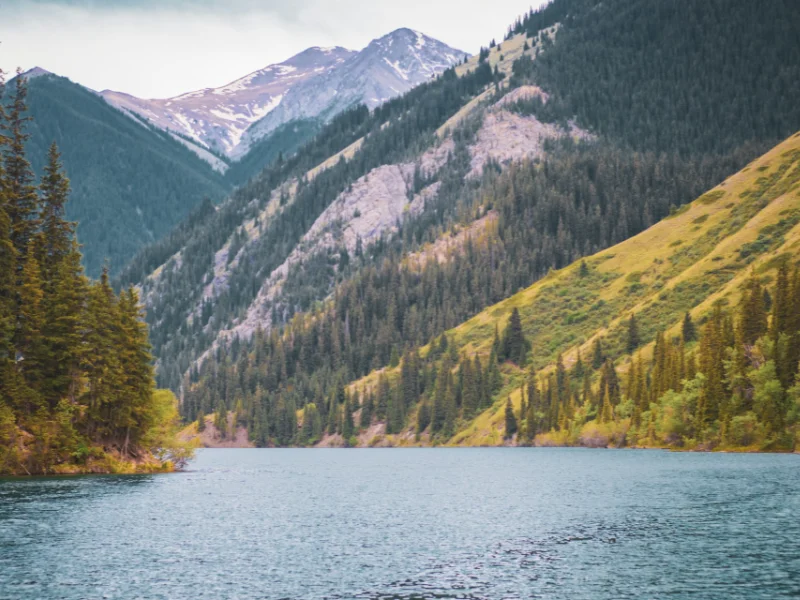
Kazakhstan, the world’s largest landlocked country, blends steppes, mountains, and tradition. Don't miss the stunning Kolsay Lakes with alpine views, great hikes, and the eerie sunken forest.

Kazakhstan travel header image

Best time to travel

Canyon hikes & national festivals

March for Nauryz (Persian New Year) and nationwide spring renewal festivities.

Most popular time

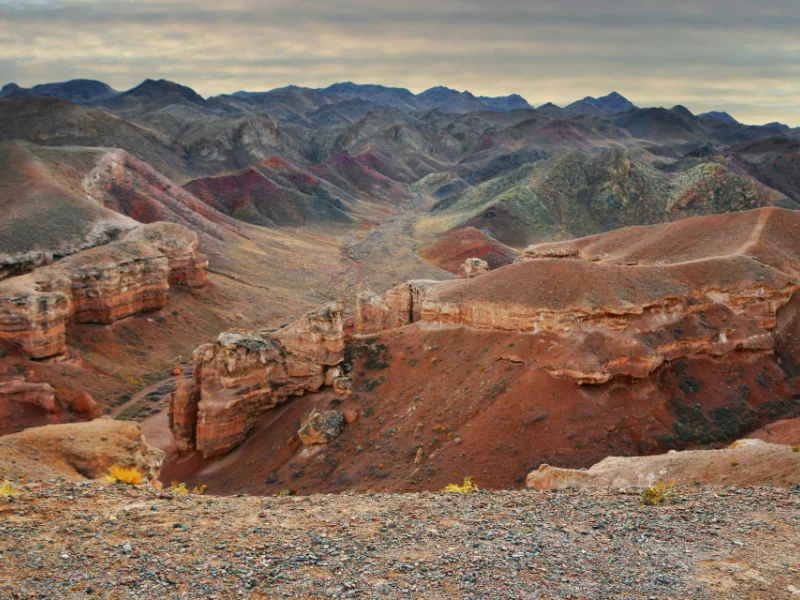
Jun-Sep: warm summer days for hiking around Almaty and the Charyn Canyon.

Favourite season

Peak festival season in Jul around Almaty brings the highest visitor numbers.

Culturally significant times

Nauryz Festival, around March 21, marks the New Year with a traditional celebration.

Most budget-friendly

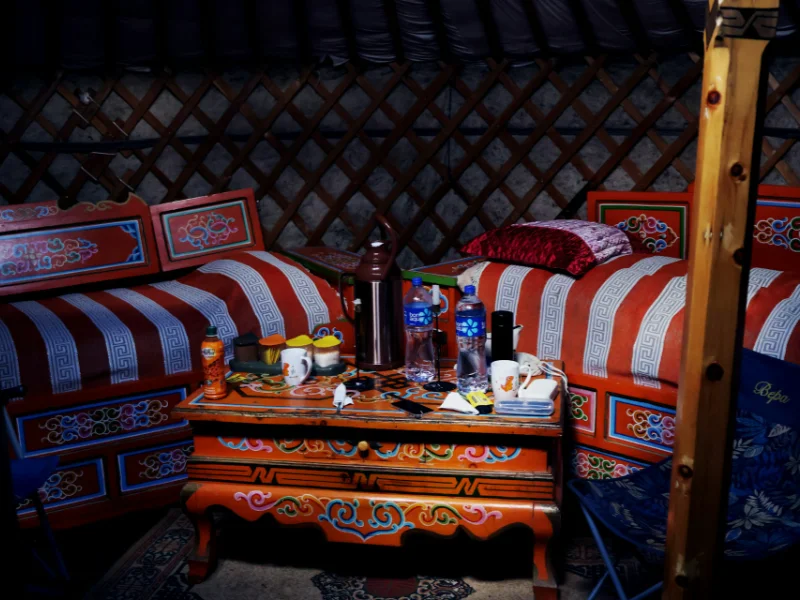
Harsh winter conditions Dec-Feb mean bargain rates on tours and yurts.

Need to know

Kazakhstan at a glance

Time Zone

Kazakhstan Time (UTC +5)

Climate

Varied with four distinct seasons

Currency

Kazakhstani Tenge (KZT)

Transportation

Buses, minibuses (marshrutkas), trains, taxis, and flights

Local cuisine

Beshbarmak (meat & noodles), baursak, and fermented kumys

Languages Spoken

Kazakh, Russian

G Adventures reviews

Don't just take our word for it

Frequently asked questions

Because planning should feel exciting, not exhausting.
Visa requirements may change, so for the most up to date information we recommend using our Entry Requirements tool. Alternatively, check the Kazakhstani embassy website in your country of departure.
While there are no mandatory vaccinations for most travelers to Kazakhstan, certain recommended vaccinations such as hepatitis A, hepatitis B, typhoid, and rabies are strongly advised if you’re heading into rural areas and working with animals. Yellow fever is also required if you’re arriving from a country which has the disease. However, as advice often changes, you can check out our Entry Requirements tool for the most up-to-date details on vaccination requirements.
Kazakhstan experiences a continental climate, meaning it has hot summers and cold winters with significant seasonal temperature differences. Winters (December to February) are very cold here, with temperatures often dipping below -10°C (14°F) in most areas. They can even go as low as -30°C (-22°F) in the northern reaches of the country. Summers can be hot and dry, particularly in the southern and central regions. Average temperatures can range from 25 to 35°C (77 to 95°F), but in some areas like Aktobe and Atyrau, temperatures can exceed 40°C (104°F) during heatwaves. Spring (March to May) and Autumn (September to November) are often marked by fluctuating temperatures, and rain can be more common.
Spring (March to May) is one of the best times to visit Kazakhstan, as the weather begins to warm up, and the landscapes are considered their prettiest. The temperatures in southern and central Kazakhstan are mild and pleasant, making it ideal for sightseeing, hiking, and other outdoor pursuits. Autumn (September to November) is another great time to visit the country, because the weather remains pleasant, and the summer heat has subsided. The orange colours of the trees and foliage are also a major draw.
In Kazakhstan, it’s not customary to tip service providers such as waiters, but it is very appreciated — depending on the service we recommend 3–5%. Tipping shows an expression of satisfaction with the people who have assisted you on your tour. Although it may not be customary to you, it is of considerable significance to the people who will take care of you during your travels. There are several times during the trip where there is opportunity to tip the local guides or drivers we use. You may do this individually, or your CEO will offer to collect the money and tip as a group. Recommendations for tipping drivers and local guides would range from USD $2–$3 per person per day depending on the quality and length of the service; ask your CEO for specific recommendations based on the circumstances and culture. Also at the end of each trip if you felt your G Adventures CEO did an outstanding job, tipping is appreciated. The amount is entirely a personal preference, however as a guideline USD $20–25 per person, per week can be used.
Internet access in Kazakhstan is generally pretty good, especially in urban areas like Almaty, Astana, and other major cities. In rural areas, internet access may be slower and less consistent, though mobile internet (3G or 4G) is still commonly available. Be aware that the government has been known to occasionally restrict access to certain websites and platforms, particularly during times of political unrest or protests.
Yes, ATMs are widely available throughout Kazakhstan, especially in major cities like Almaty, Astana, and other large towns and cities too. Most ATMs in Kazakhstan accept international credit and debit cards (Visa, MasterCard, and sometimes American Express). However, make sure your card is enabled for international use before traveling. Please note that you may be charged a transaction fee for withdrawals — check with your bank before you travel. If you’re heading out into rural areas, it’s a good idea to carry cash with you in case you can’t locate an ATM.
While same-sex relations are not illegal in Kazakhstan, the country does not have specific laws to protect LGBTQ+ people from discrimination, and the societal acceptance of LGBTQ+ individuals is still fairly limited. Therefore, it pays to be discreet when you’re in the country. As part of their commitment, all CEOs receive LGBTQ+ inclusion training so every traveller feels respected and welcomed on all of our tours. We commit to making our tours a safe and inclusive place for people to express their authentic selves without judgement, free from any discriminatory language or harassment. While travelling with G Adventures, all travellers must treat each other with dignity and respect to create an environment that is positive, safe, and where everyone feels welcome. You can find out more via our LGBTQ+ travel page.
Kazakhstan is a multiethnic country with a rich linguistic diversity. The two official languages of Kazakhstan are Kazakh and Russian, but there are also various minority languages spoken by different groups across the country. These include Uzbek, Ukrainian, Korean, German, and Tatar.
In a word, no — the tap water in Kazakhstan isn’t generally safe to drink. You’re best sticking to bottled water which is widely available. Please note however that all drinks provided on our tours are safe to drink (including drinks with ice), as well as the water in most hotels and restaurants visited on tour. If in doubt, please ask your CEO for further info.
Kazakhstan is generally considered safe for travelers, but like any country, it’s important to be aware of specific safety considerations. In major cities like Almaty and Astana, petty crime such as pickpocketing or theft can occur, particularly in crowded places like markets, public transport, and tourist spots. Earthquakes, though rare, are a possibility, and the roads can be dangerous, especially during winter when ice and snow may affect driving conditions. There have also been occasional protests or demonstrations, particularly in response to political or economic issues. These events are rare but can escalate unexpectedly, so it’s advisable to stay informed about the local situation and avoid large gatherings or protests. G Adventures takes all reasonable measures to ensure your safety and enjoyment while travelling with us. All of the included activities are properly vetted and regularly checked by us, and we take great care in choosing the right transportation, stays throughout your trip, and guides leading your tour. However, there are always inherent risks when travelling — you can find out more via our Travel Safety page.