Tajikistan Tours

Хуш омадед ба Тоҷикистон!

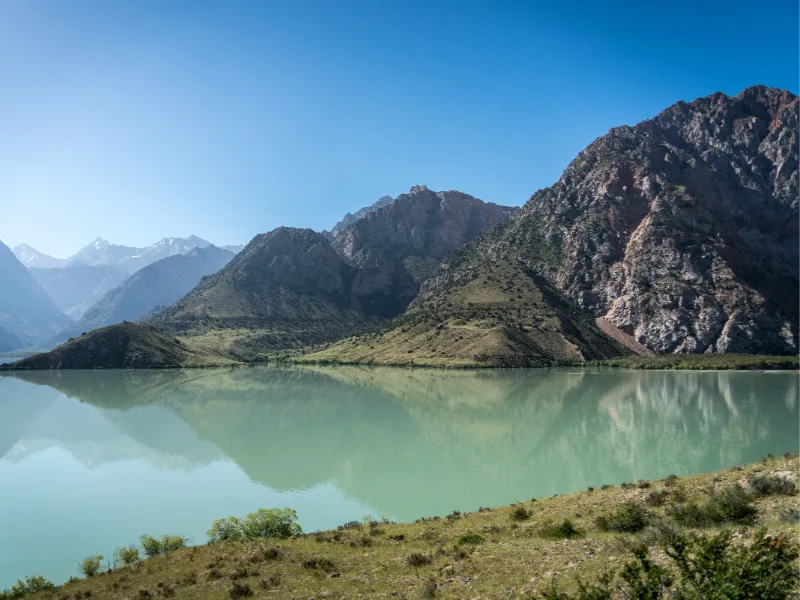
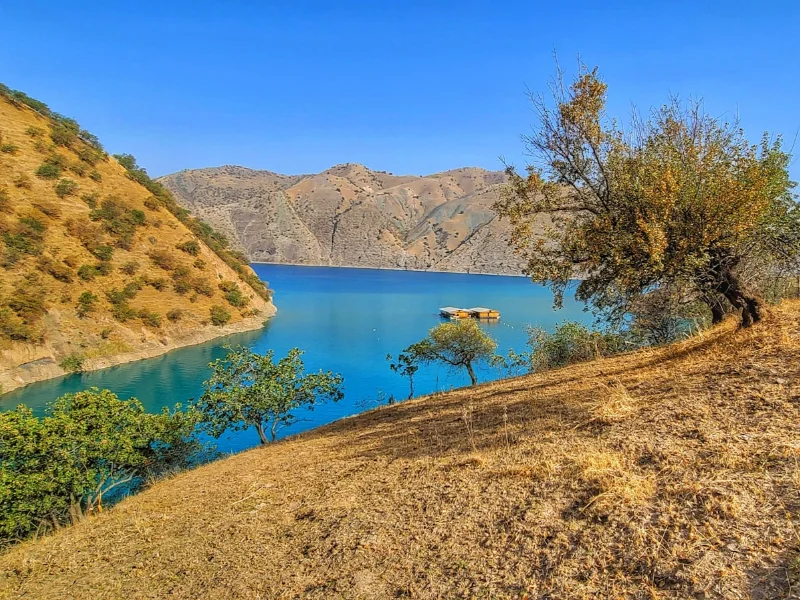
Tajikistan stuns with Silk Road history, epic landscapes, and rich culture. Explore Dushanbe, the Mug Tepe fortress, and the scenic lake of Iskanderkul in this underrated Central Asian gem.

Tajikistan travel header image

Best time to travel

New Year celebrations & spring blossoms

Mar for Navruz, the New Year celebrating new life, coinciding with the Spring Equinox and blossoming flowers.

Most popular time

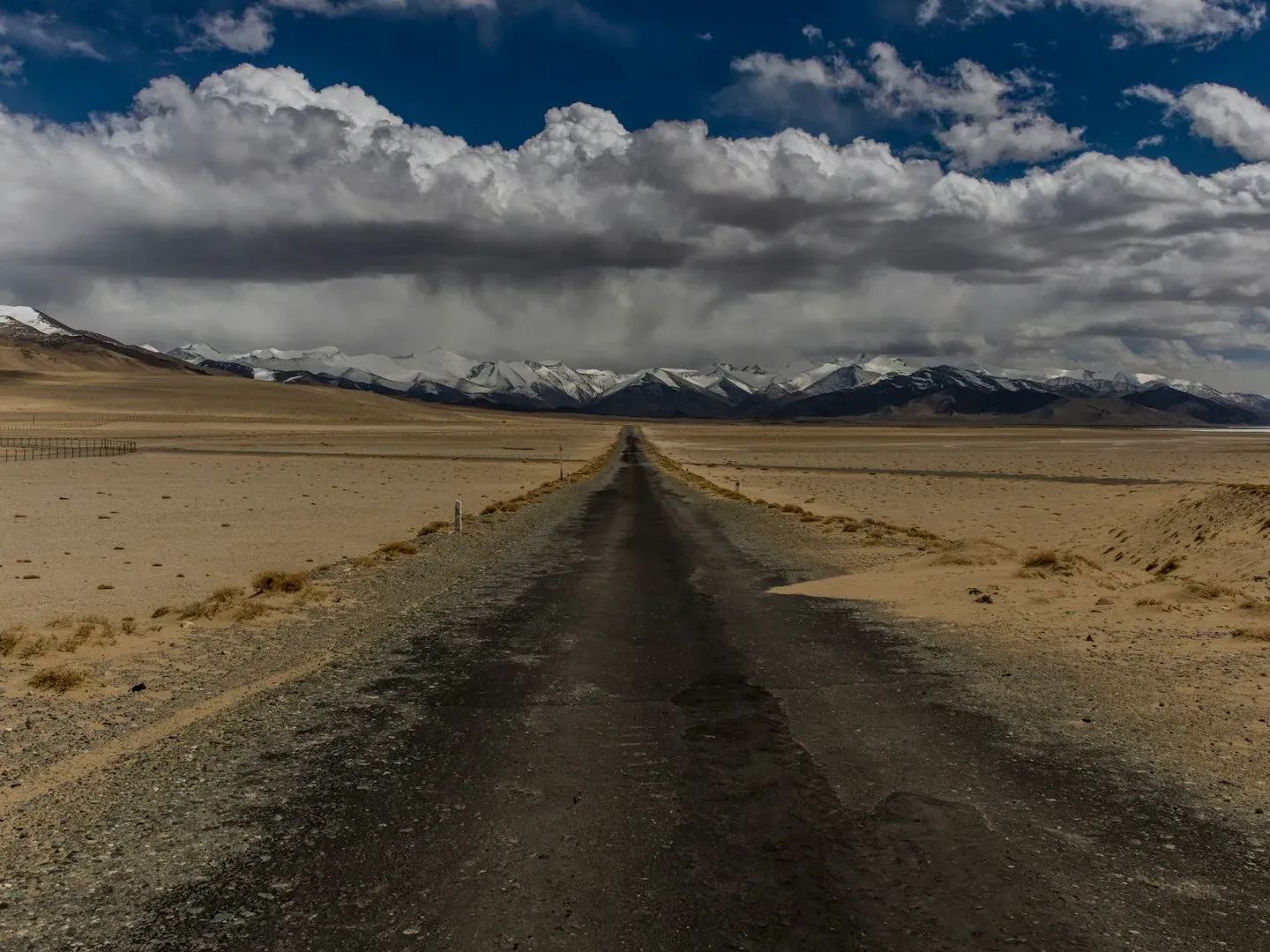
From Jun-Sep, warm summer days for Pamir Highway road trips and Fann Mountains treks.

Most budget-friendly

Winter (Dec-Feb) sees colder weather, frozen roads, and discounted rates.

Favourite season

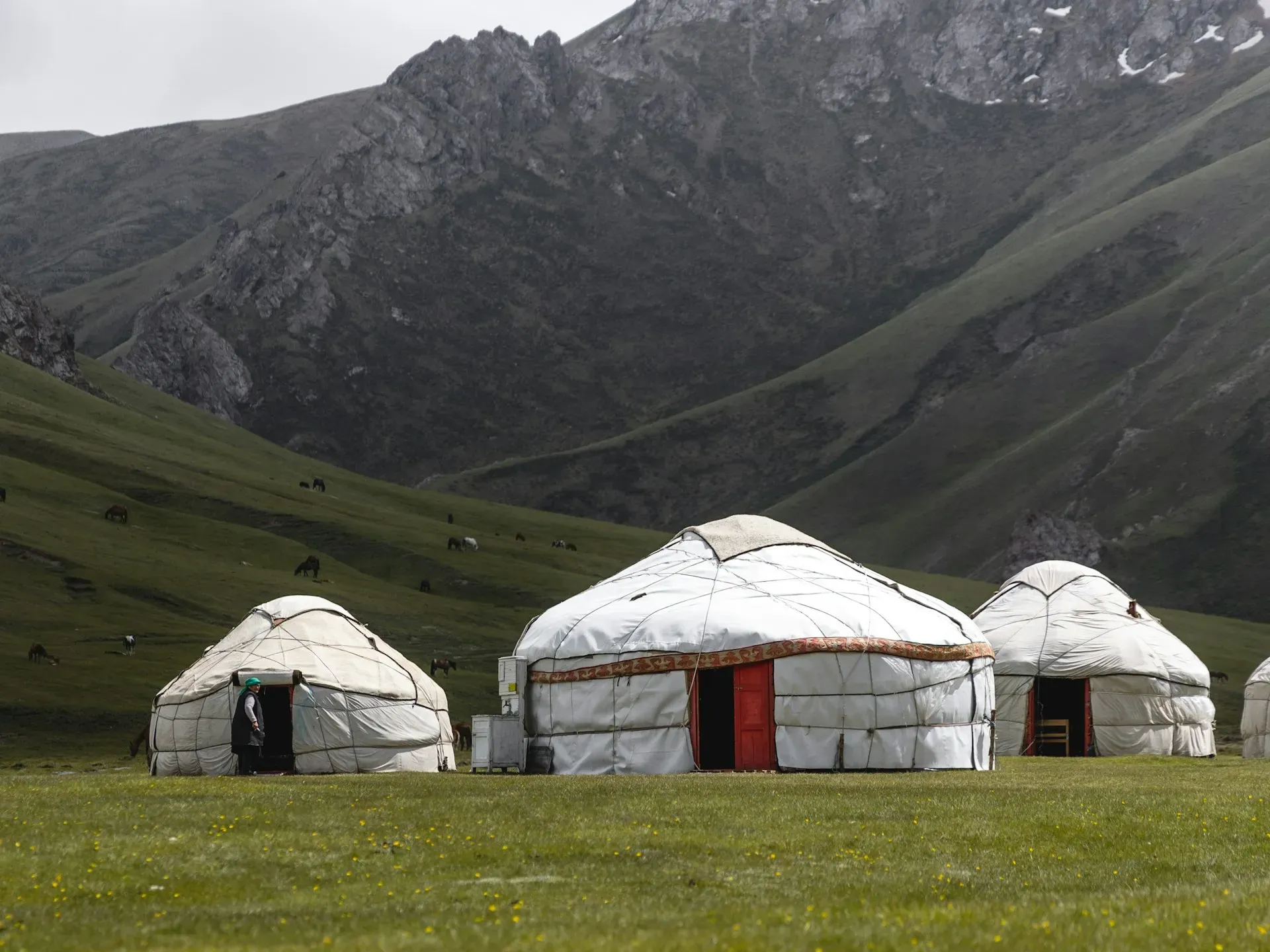
August is peak trekker season, drawing full yurt camps and shared minibuses.

Culturally significant times

As well as Navruz, there's the autumn festival of Mehrgon and the winter-themed Sada.

Need to know

Tajikistan at a glance

Time Zone

Tajikistan Time (UTC +5)

Climate

Varied with four distinct seasons

Currency

Tajikistani Somoni (TJS)

Transportation

Private cars, taxis, and marshrutkas (vans)

Local cuisine

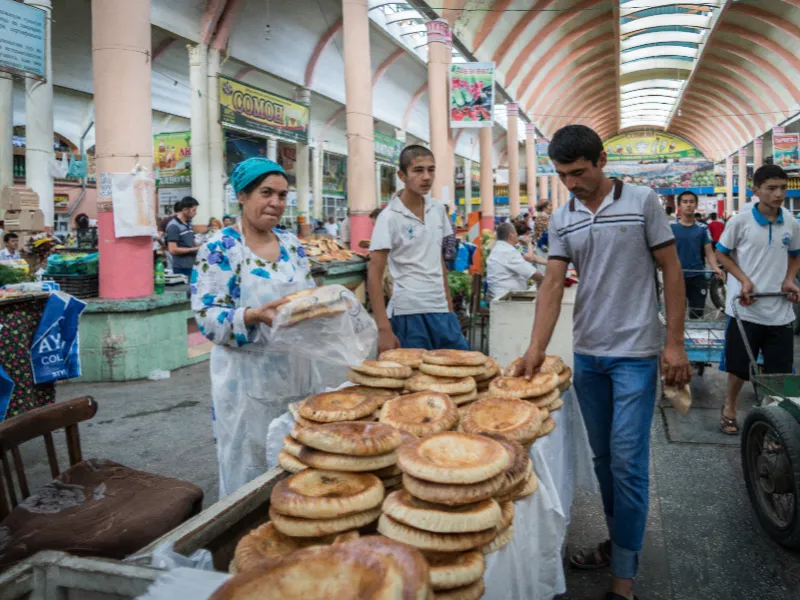
Qurutob (bread with yogurt), sambusa, and mantu dumplings

Languages Spoken

Tajik

G Adventures reviews

Don't just take our word for it

Frequently asked questions

Because planning should feel exciting, not exhausting.
Visa requirements may change, so for the most up to date information we recommend using our Entry Requirements tool. Alternatively, check the Tajikistan embassy website in your country of departure.
Recommended vaccinations for Tajikistan such as hepatitis A, hepatitis B, typhoid, polio, diphtheria, meningitis, tetanus, measles, mumps, and rubella (MMR), and rabies. However, as advice often changes, you can check out our Entry Requirements tool for the most up-to-date details on vaccination requirements.
Tajikistan has a continental climate, which means it experiences hot summers and cold winters, with significant temperature variations depending on the region and on the altitude. Summers (June to August) can be very hot, especially in the lower-lying areas. In the lowland regions, such as the Panj River Valley and Dushanbe, temperatures often exceed 30°C (86°F) and can reach up to 40°C (104°F) in some areas. Winters (December to February) can be quite cold, particularly in the mountains, where temperatures can drop well below 0°C (32°F). In the lowlands, temperatures during winter are more moderate but can still fall to -5 to -10°C (23 to 14°F). Spring (April to June) and Autumn (September to November) see temperatures fall somewhere in between.
Spring and Autumn are considered the best times to visit Tajikistan. The weather is mild, making it ideal for outdoor activities, such as hiking in the mountains or exploring the capital. Summers can be very hot, especially in the lowland areas, and winters can be harsh — especially in the mountains.
Tipping in Tajikistan is generally not mandatory, but it is appreciated for good service. The culture of tipping is not as ingrained as in some other countries, but it is becoming more common, especially in areas frequented by tourists. Expect to tip around 10% in hotels, restaurants, cafés, and bars. There are several times during the trip where there is opportunity to tip the local guides or drivers we use. You may do this individually, or your CEO will offer to collect the money and tip as a group. Recommendations for tipping drivers and local guides would range from USD $2–$3 per person per day depending on the quality and length of the service; ask your CEO for specific recommendations based on the circumstances and culture. Also at the end of each trip if you felt your G Adventures CEO did an outstanding job, tipping is appreciated. The amount is entirely a personal preference, however as a guideline USD $20–25 per person, per week can be used.
Internet access and speed can be decent in urban areas, towns, and cities, but connection speeds can fluctuate and may not always be as fast as what you’re used to in Western countries. Rural areas often have slower speeds and less stable connections. Internet censorship exists in Tajikistan, with certain websites and content being restricted or blocked, particularly those related to politics or opposition groups. Social media may occasionally experience restrictions and censorship too.
Yes, ATMs are available in Tajikistan, particularly in major cities like Dushanbe, Khujand, and Khorog. However, in rural or remote areas, ATMs are much less common, and you may need to rely on cash for transactions. Most ATMs in Tajikistan accept Visa, Mastercard, and some may accept Maestro. However, American Express is not widely accepted at ATMs. Please note that you may be charged a transaction fee for withdrawals — check with your bank before you travel.
Tajikistan is a predominantly Muslim country, and conservative views on gender and sexuality are common. LGBTQ+ issues are largely taboo, and public discussion around these topics is minimal. While it’s not illegal to be gay here, LGBTQ+ individuals often face social discrimination and harassment, especially in rural areas. It pays to be discreet. As part of their commitment, all CEOs receive LGBTQ+ inclusion training so every traveller feels respected and welcomed on all of our tours. We commit to making our tours a safe and inclusive place for people to express their authentic selves without judgement, free from any discriminatory language or harassment. While travelling with G Adventures, all travellers must treat each other with dignity and respect to create an environment that is positive, safe, and where everyone feels welcome. You can find out more via our LGBTQ+ travel page.
The official language of Tajikistan is Tajik, which is a variety of Persian (Farsi) and is part of the Indo-Iranian language family. However, Russian is also widely spoken and understood, especially in urban areas. Tatar, Karakalpak, Pashto, and Kyrgyz are also spoken by people here too.
In a word, no — the tap water in Tajikistan isn’t generally safe to drink. You’re best sticking to bottled water which is widely available. Please note however that all drinks provided on our tours are safe to drink (including drinks with ice), as well as the water in most hotels and restaurants visited on tour. If in doubt, please ask your CEO for further info.
Tajikistan is generally considered safe for travellers, but like any destination in the world, it’s important to take certain precautions. Earthquakes and landslides are risks due to the country’s mountainous terrain. The Pamir Mountains and other high-altitude regions are particularly prone to natural disasters, which can make travel more challenging, especially in rural areas. Don’t talk politics here either, and avoid the border areas with Afghanistan. G Adventures takes all reasonable measures to ensure your safety and enjoyment while travelling with us. All of the included activities are properly vetted and regularly checked by us, and we take great care in choosing the right transportation, stays throughout your trip, and guides leading your tour. However, there are always inherent risks when travelling — you can find out more via our Travel Safety page.