Panama Tours

¡Bienvenidos a Panamá!

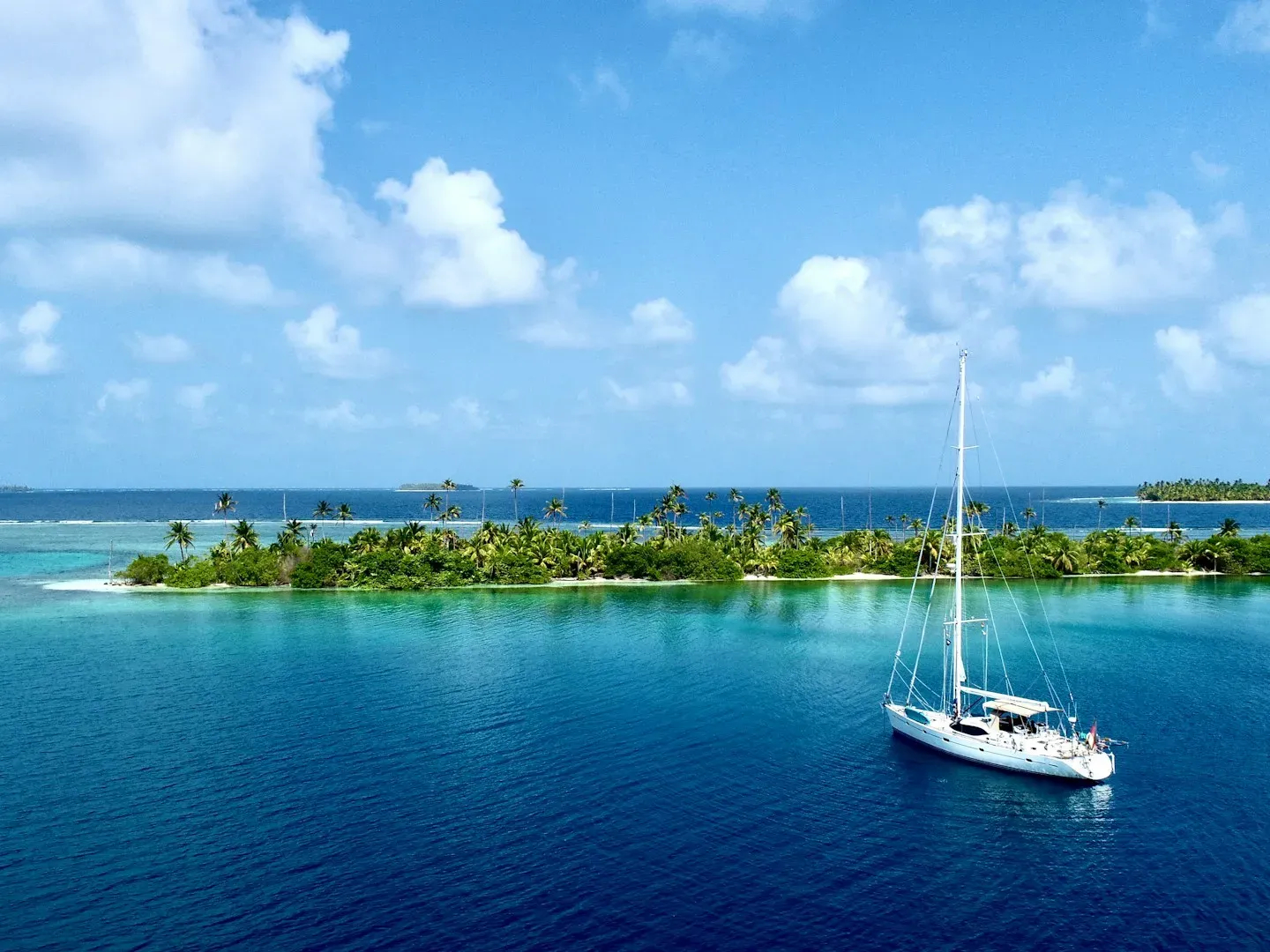
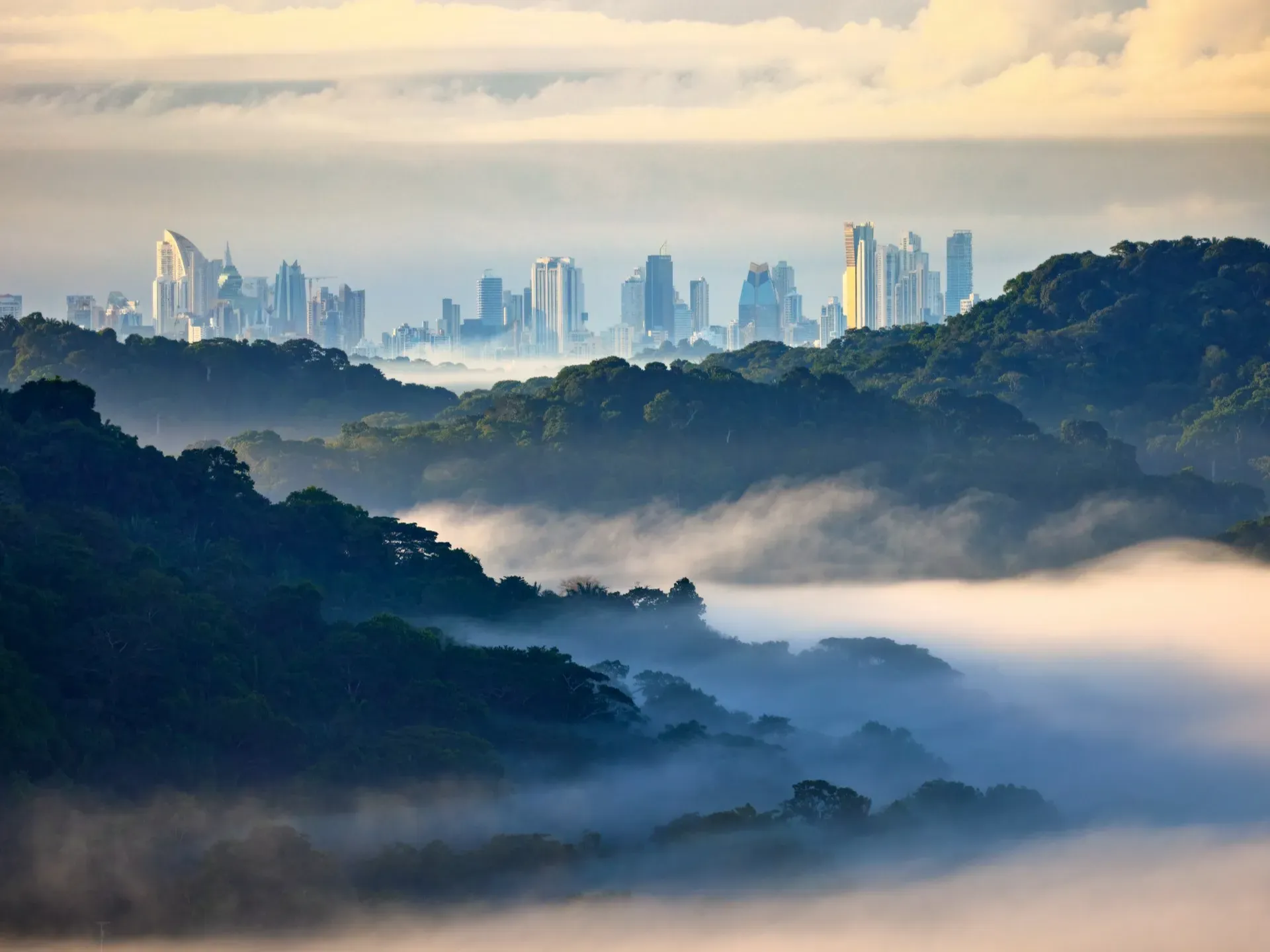
In Panama, sleek cities meet wild islands. From buzzing Panama City to Bocas del Toro’s beaches and San Blas reefs, it’s the ultimate bridge between nature and innovation.

Panama travel header image

Best time to travel

Canals, rainforests, & Caribbean isles

Dry season (Dec-Apr) is ideal for sun and sightseeing. Rainy season (May-Nov) means vibrant nature and fewer visitors.

Most popular time

Dec-Apr is peak season for festivals and dry weather ideal for beach trips and exploring.

Most budget-friendly

May-Nov is cheaper. Green season means lower prices, lush views, and fewer visitors.

Favourite season

Dec-Apr is dry season, ideal for exploring Panama City, hiking, and time on the beach.

Culturally significant times

Carnival is in Feb or Mar. It's Panama’s biggest celebration, with parades and music.

Need to know

Panama at a glance

Time Zone

Eastern Standard Time (UTC -5)

Climate

Tropical, warm, and humid year-round

Currency

Panamanian Balboa (PAB) / United States Dollar (USD)

Transportation

Buses, metro, taxis, domestic flights, rental cars

Local cuisine

Sancocho (stew) and arroz con pollo (rice with chicken)

Languages Spoken

Spanish

G Adventures reviews

Don't just take our word for it

Frequently asked questions

Because planning should feel exciting, not exhausting.
Visa requirements may change, so for the most up to date information we recommend using our Entry Requirements tool. Alternatively, check the Panamanian embassy website in your country of departure.
Recommended vaccinations for Panama include hepatitis A, hepatitis B, typhoid, diphtheria, tetanus, polio, measles, mumps, and rubella (MMR) and yellow fever if you’re arriving from a country which has it (for example Colombia). However, as advice often changes, you can check out our Entry Requirements tool for the most up-to-date details on vaccination requirements.
Panama has a tropical climate, characterised by warm and humid temperatures all year round and distinct wet and dry seasons. Temperatures here typically range from 25 to 31°C (77 to 88°F), with coastal areas being a little warmer and cooler temperatures in the highlands (Boquete and Volcán). It's hot and humid in most areas. The dry season (December to April) is when you'll experience the most sunshine and the least rainfall, though even in the wet season (May to November), you’ll experience plenty of dry spells.
The best time to visit Panama really depends on the type of experience you're looking for, but generally, the dry season (December to April) is considered the best time to visit. There’s less rainfall and the weather is warm and sunny, which means it’s the best time for outdoor activities like hiking, exploring the cities and topping up the tan. Carnival (February or March) also runs during this time — expect higher prices and more tourists however. While it rains more during the rainy season (May to November), there are less crowds and the scenery is lush and green, making it an excellent time to explore the rainforests, national parks, and country’s wildlife.
It’s customary in Latin America to tip service providers such as waiters, at approximately 10%, depending on the service. Tipping is an expected — though not compulsory — component of your tour programme and an expression of satisfaction with the persons who have assisted you on your tour. There are several times during the trip where there is opportunity to tip the local guides or drivers. Recommendations for tipping drivers and local guides would range from USD $5 to $10 per day depending on the quality and length of the service; ask your CEO for specific recommendations based on the circumstances and culture. Tipping your G Adventures Chief Experience Officer (CEO) is also very much appreciated. The amount is entirely a personal preference; however as a guideline USD $5 to $7 per person, per day is our recommendation throughout the region.
Internet access in Panama is generally pretty good, especially in places like Panama City, where you’ll find fast and reliable connections. Wi-Fi is commonly offered in public spaces, cafés, and hotels, though speeds can vary. In more rural areas or remote locations, expect the connections to be less reliable.
Yes, ATMs are widely available in Panama — particularly in towns and cities like Panama City. Most ATMs here accept international credit and debit cards (such as Visa and MasterCard), but it's a good idea to check with your bank beforehand and ensure your card is enabled for international use before travelling. Please note that you may be charged a transaction fee for withdrawals — check with your bank before you travel. If you’re heading out into more rural areas, it’s a good idea to carry cash with you in case you can’t locate an ATM.
In general, yes — Panama is considered LGBTQ+-friendly, particularly in larger cities like Panama City. However, in more rural and conservative parts of the country, it’s better to be more discreet about LGBTQ+ identity in public spaces to avoid negative reactions. As part of their commitment, all CEOs receive LGBTQ+ inclusion training so every traveller feels respected and welcomed on all of our tours. We commit to making our tours a safe and inclusive place for people to express their authentic selves without judgement, free from any discriminatory language or harassment. While travelling with G Adventures, all travellers must treat each other with dignity and respect to create an environment that is positive, safe, and where everyone feels welcome. You can find out more via our LGBTQ+ travel page.
In Panama, the official language is Spanish, and it’s spoken by pretty much the entire population. English is also widely spoken, and Ngäbere, Buglere, and Kuna are spoken by indigenous communities here too. If you’re heading to the Caribbean region, then you may also hear Panamanian Creole too.
In large cities and towns like Panama City, the water is perfectly safe to drink as it’s treated to a high standard. However, in rural areas, this may not be the case so you’re recommended to drink bottled water here. Please note however that all drinks provided on our tours are safe to drink (including drinks with ice), as well as the water in most hotels and restaurants visited on tour. If in doubt, please ask your CEO for further info.
Panama is generally considered a safe destination for travellers. However, like any destination in the world, it’s important to stay aware of your surroundings and take basic safety precautions. Keep an eye on your belongings in Panama City and you should be fine. Muggings are rare, but they do sometimes occur, and mosquito-borne diseases such as malaria and zika also exist here. Take a taxi at night and make sure you use insect repellent. G Adventures takes all reasonable measures to ensure your safety and enjoyment while travelling with us. All of the included activities are properly vetted and regularly checked by us, and we take great care in choosing the right transportation, stays throughout your trip, and guides leading your tour. However, there are always inherent risks when travelling — you can find out more via our Travel Safety page.