Falkland Islands Tours
Welcome to the Falkland Islands!
The stark, rocky landscapes of the Falkland Islands (Islas Malvinas) evoke their impressive remoteness and are home to a spectacular variety of Antarctic wildlife.

Best time to travel
Seabirds, Penguins & Wild Shores
Oct-Mar: Breeding season for penguins and mild weather for hiking

Most popular time
December - February is best for wildlife viewing

Most budget-friendly
April - September is off-season with less tourists

Favourite season
Prime in austral summer (Dec–Feb) for wildlife and long days

Culturally significant times
Visit in December for Liberation Day parades
Things to do and see
Experiences that define Falkland Islands
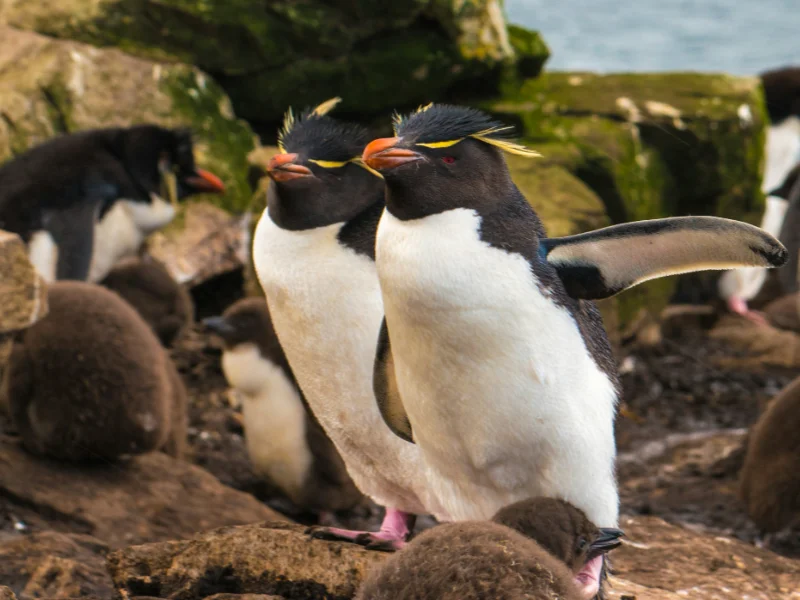
Port Stanley
Visit Port Stanley—Falklands history, harbour views, and local life in the islands’ capital on the edge of the Southern Ocean.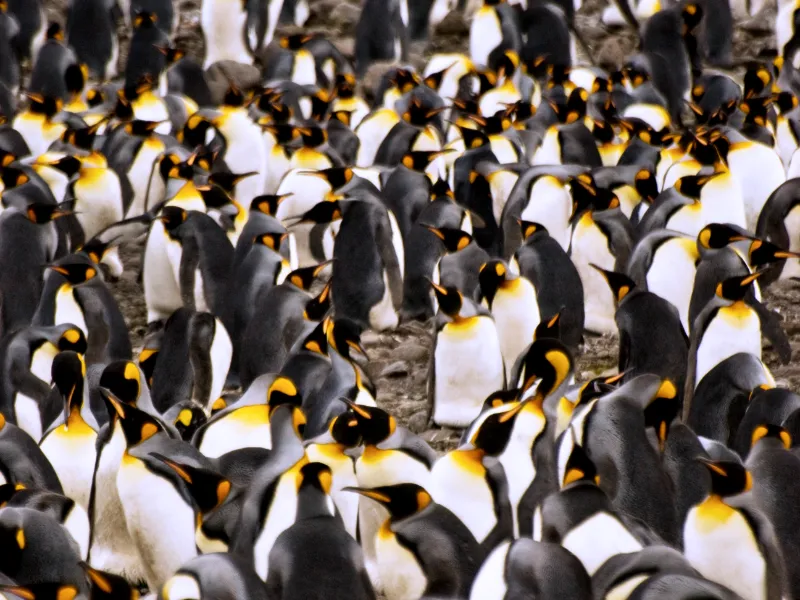
Penguin colonies
See Falklands penguin colonies—gentoo, magellanic, and more—plus rugged beaches and unforgettable wildlife encounters.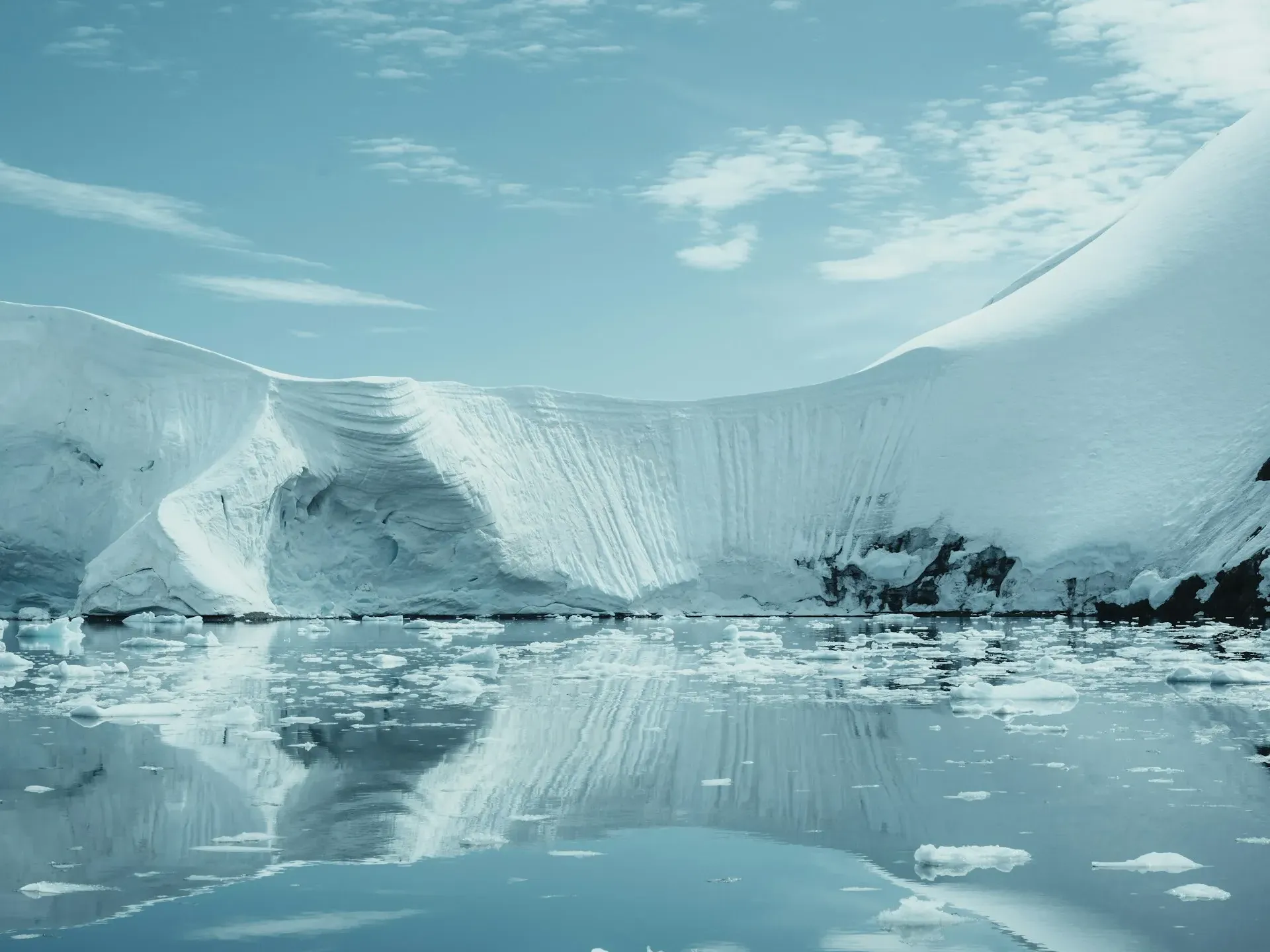
Southern Ocean views
Take in sweeping Southern Ocean views—wind-carved coastlines, dramatic skies, and remote beauty at the world’s edge.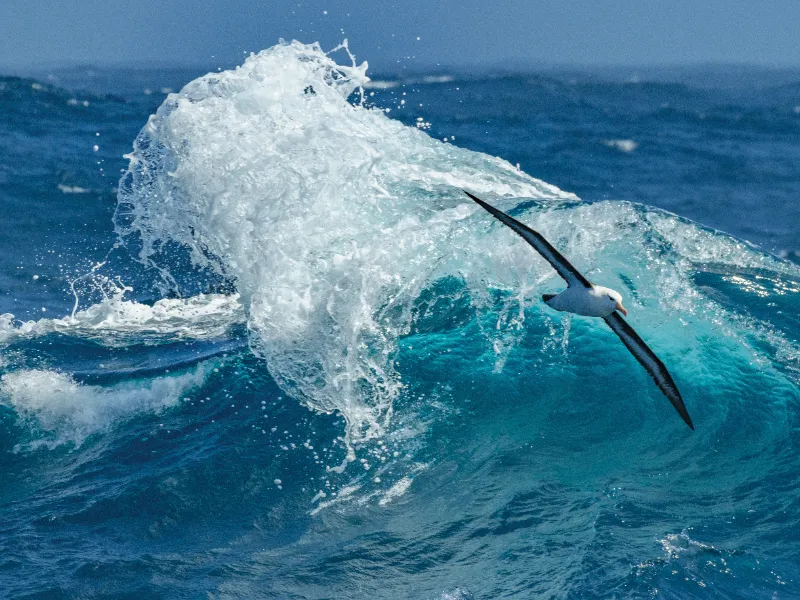
Black-browed albatross
Spot black-browed albatross in the Falklands—huge seabird colonies and dramatic cliffside nesting sites.Need to know
Falkland Islands at a glance

Time Zone
Falkland Islands Standard Time (UTC -3)

Climate
Temperate with four distinct seasons

Currency
Falkland Islands Pound (FKP)

Transportation
4x4 vehicles, small planes

Local cuisine
Calamari, lamb, rock cod fish

Languages Spoken
English
Frequently asked questions
Because planning should feel exciting, not exhausting.
Visa requirements may change, so for the most up to date information we recommend using our Entry Requirements tool. Alternatively, check the British embassy website in your country of departure.
There aren’t any specific vaccination requirements needed for the Falkland Islands. However, as advice can often change, you can check out Entry Requirements tool for the most up-to-date details on vaccination requirements.
The weather in the Falkland Islands is generally cool and pretty windy, with a maritime climate. Summers (December to February), the days are pleasant with the occasional burst of sunshine — expect highs of around 18°C (64.4°F). Winters (June to August) here are relatively cold and very windy — snow can occasionally occur and temperatures tend to float between 4 and 10°C (39.2 and 50°F). Autumn (March to May) and Spring (September to November) temperatures fall somewhat in between the two extremes — just be prepared for weather conditions to change at any time. Bring a jacket and plenty of layers, as the windchill can make it seem much colder. Rain is also common here — especially during the Winter and Spring.
The best time to visit the Falkland Islands generally is during the Summer months (November to March). The weather is at its best at this time of year, and this is when you’ll see migratory birds and wildlife like seals, penguins, and whales. It’s also a good time to go hiking, and the light means that the photography is the best it’ll be throughout the year.
Tipping in the Falkland Islands is generally not required but is appreciated, especially in the service industry. 10% is a good ballpark figure.
You need to remember that you’re far offshore here in a remote location, so even though there is fairly good internet access in the capital Stanley, there may not be in other areas of the islands. You may also need to pay to access it here.
Yes, there are ATMs in the capital Stanley. The primary one is located at the Falkland Islands Government (FIG) office, and there are a couple of others at banks in town. ATMs can sometimes run out of cash, especially during busy periods, so it's a good idea to withdraw cash when you can. You should also check with your bank to make sure your card will be accepted and if you’ll be charged withdrawal fees. As currency exchange rates can fluctuate often we ask that you refer to the following website for daily exchange rates: www.xe.com.
In general, yes — the Falkland Islands are considered to be LGBTQ+ friendly. While the islands are small and have a relatively conservative culture, attitudes towards LGBTQ+ people have been gradually becoming more accepting, especially in recent years. Same-sex marriage has been legal since 2017, as have civil partnerships. As part of their commitment, all CEOs receive LGBTQ+ inclusion training so every traveller feels respected and welcomed on all of our tours. We commit to making our tours a safe and inclusive place for people to express their authentic selves without judgement, free from any discriminatory language or harassment. While travelling with G Adventures, all travellers must treat each other with dignity and respect to create an environment that is positive, safe, and where everyone feels welcome. You can find out more via our LGBTQ+ travel page.
As a British Overseas Territory, the official de facto language of the Falkland Islands is English. There may be some slang unique to the islands spoken here too.
Yes, you can drink tap water all over the Falkland Islands as a general rule. We recommend you bring a reusable water bottle for environmental reasons as there are numerous filling stations.
In a word, yes — the Falkland Islands are one of the safest places in the world. Don’t approach wildlife too closely and wrap up warm in the changeable weather and you should be absolutely fine! G Adventures takes all reasonable measures to ensure your safety and enjoyment while travelling with us. All of the included activities are properly vetted and regularly checked by us, and we take great care in choosing the right transportation, stays throughout your trip, and guides to lead your tour. However, there are always inherent risks when travelling — you can find out more via our travel safety page.