
Ellena Kkolos
Freelance writer
Freelance writer
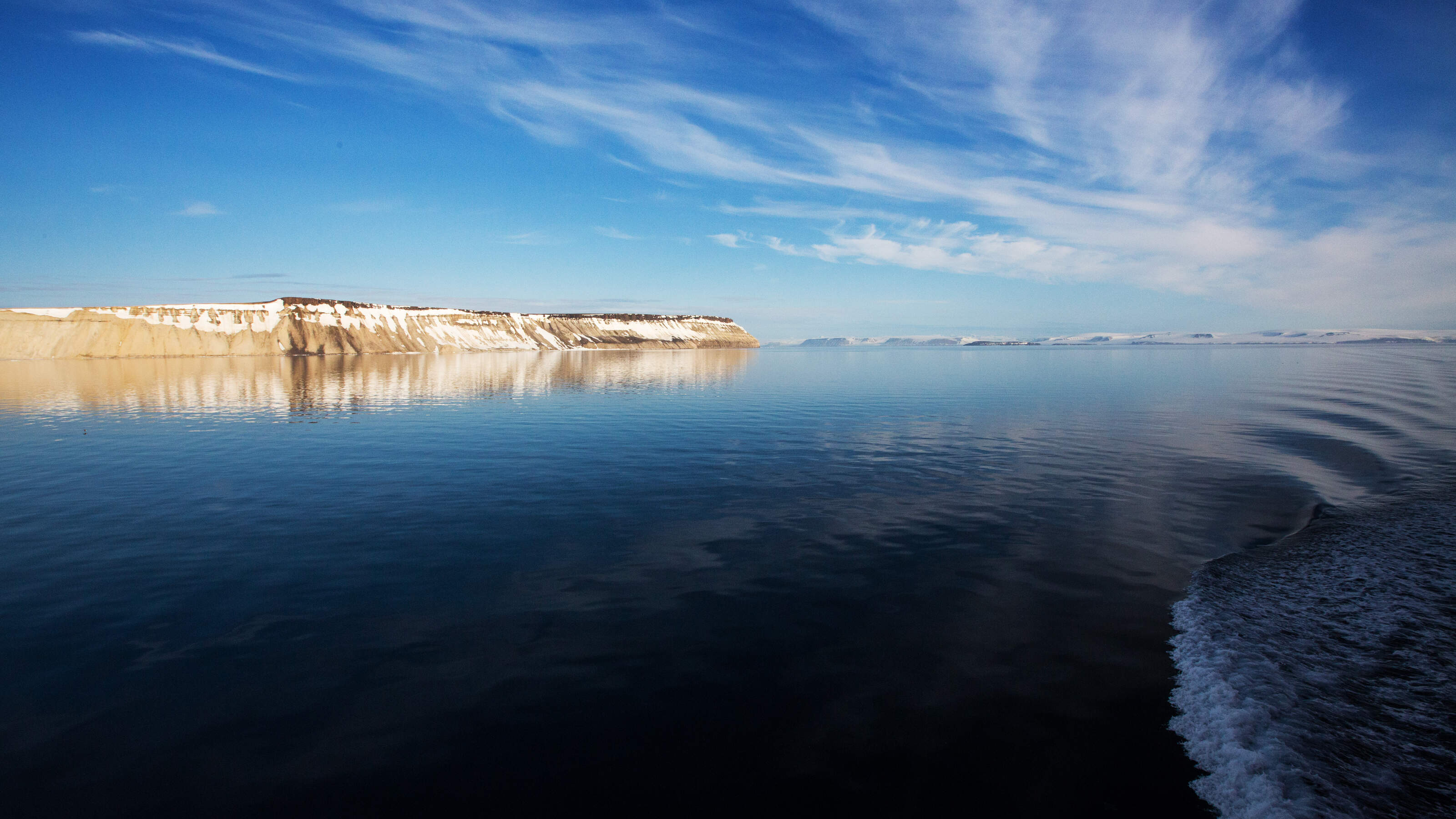
Polar bears or penguins? Midnight sun or towering icebergs? When it comes to the Arctic vs Antarctica, choosing between the two isn’t easy. Both promise extraordinary wildlife, surreal landscapes, and the kind of adventure that makes your holiday photos look like a nature documentary.
But beyond the ice, these two ends of the Earth are surprisingly different. One combines wilderness with colourful settlements and centuries of human history; the other is a vast, remote continent with no permanent population at all. The question, then, isn’t which is better, it’s which one feels more like your first polar adventure. Here’s how the two compare, from wildlife and landscapes to culture, accessibility, and the kind of stories you’ll be telling for years afterwards.
At first glance, the Arctic and Antarctica seem like mirror images: lots of ice, very few people, and temperatures that make your average winter feel positively tropical. Geographically, though, they’re almost opposites. The Arctic is essentially a frozen ocean surrounded by land, stretching across parts of Canada, Greenland, Iceland, Norway, Sweden, Finland, Russia, and the United States. That means there isn’t one single Arctic experience. You could sail beneath the jagged mountains of Svalbard, hike across Greenlandic tundra, explore Iceland’s volcanic landscapes, or visit remote settlements in the Canadian Arctic.
Antarctica, meanwhile, is an entire continent surrounded by the Southern Ocean. There are no permanent towns or cities, only research stations, and temporary visitors. The scenery is bigger, emptier, and more extreme; immense glaciers tumble towards the sea, icebergs drift past in increasingly improbable shapes, and penguin colonies appear to have collectively missed the memo about personal space.
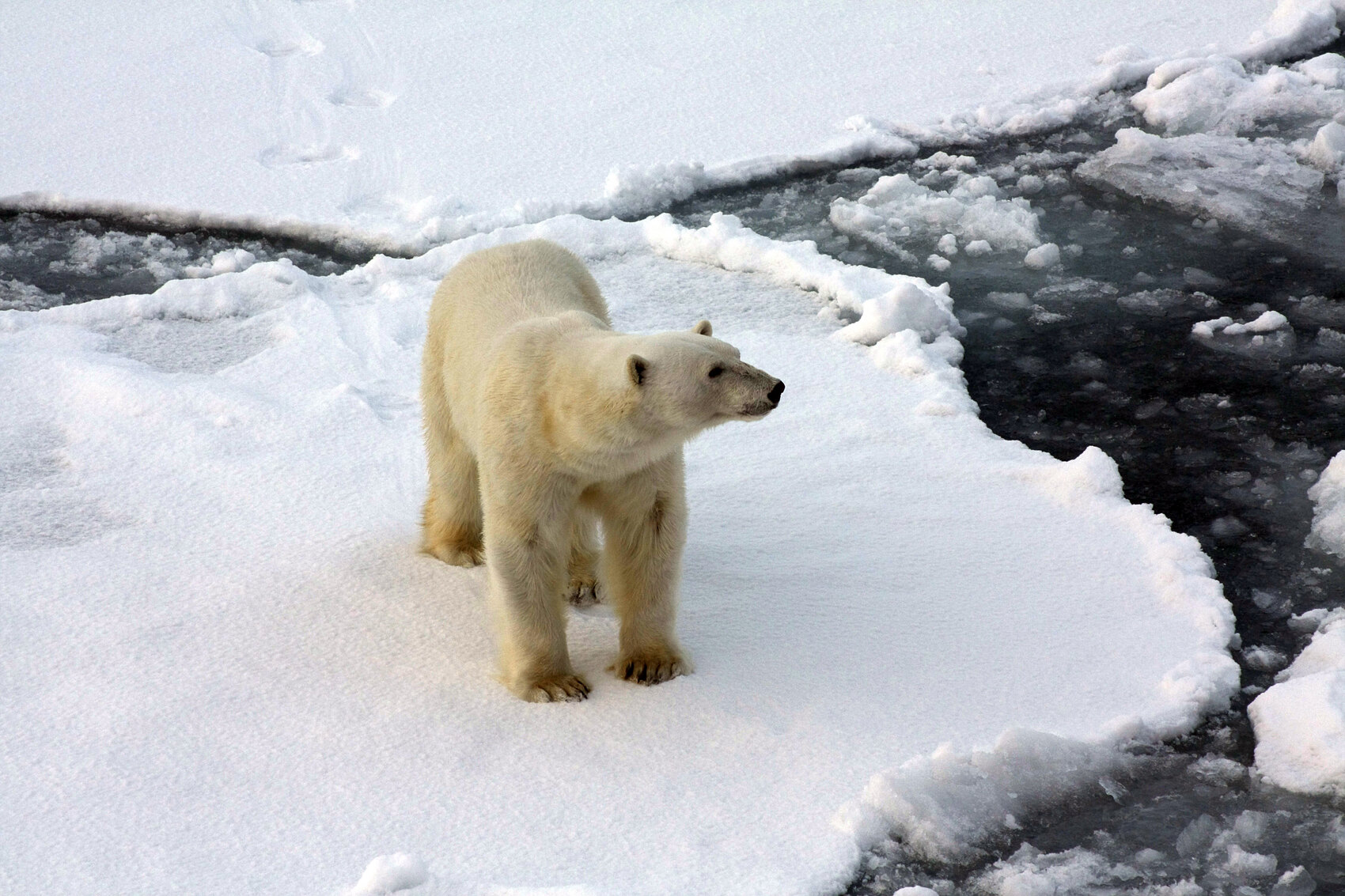
The Arctic isn’t just about chasing wildlife. It’s a chance to experience a living, breathing region shaped by ice, ocean, and centuries of human resilience. From remote communities and rich Indigenous cultures to dramatic coastlines and long summer days, an Arctic adventure offers plenty to discover beyond the wildlife.
Polar bears, puffins, and incredible wildlife
However, for many travellers, why you’d visit the Arctic begins and ends with one animal: the polar bear. Seeing one in the wild is every bit as thrilling as you’d imagine, particularly because there’s no guarantee of when or where one might appear. Expedition teams scan coastlines and sea ice for movement, and suddenly that suspicious-looking white dot in the distance becomes the reason everyone is reaching for their binoculars.
But polar bears are only part of the story. Depending on where you travel, you might encounter walrus gathered along remote shores, Arctic foxes darting across the tundra, reindeer grazing beneath mountains, and whales surfacing offshore. Summer also brings enormous numbers of migratory birds north, with puffins, guillemots, and other seabirds filling cliffs and skies. Wildlife here tends to be more dispersed than in Antarctica, so sightings can require patience. But when they happen, they feel genuinely wild.
Culture is part of the journey
Unlike Antarctica, the Arctic isn't empty. One of the biggest differences between the Arctic and Antarctica is that people have lived in the far north for thousands of years. Indigenous cultures, historic trading posts, fishing villages, and modern Arctic communities all form part of the region’s story. Depending on your itinerary, you might learn about Sámi traditions in northern Scandinavia, visit Inuit communities in Greenland or Canada, or discover how people have adapted to environments where winter darkness, sea ice and extreme weather shape everyday life. It gives an Arctic trip a completely different dimension. You’re not simply travelling through wilderness, you’re visiting a region where landscape, wildlife, history, and human life have always been closely connected.
There’s more variety than you might expect
The word Arctic might conjure up endless white landscapes, but head north in summer and you’ll quickly realise there’s a lot more colour involved. Tundra can burst into tiny wildflowers, mountains rise straight from deep-blue fjords, and brightly painted houses dot otherwise remote coastlines. You might kayak past glaciers one day, hike across open tundra the next, then spend an afternoon exploring a small settlement or watching seabirds wheel around towering cliffs. There’s also the light. Travel around midsummer, and the sun may barely set at all, giving you long, golden evenings, and the slightly surreal experience of looking at your watch and discovering it’s somehow midnight.
It’s easier to reach
The Arctic often wins when it comes to accessibility. Norway, Iceland, and parts of Greenland can be reached relatively easily from Europe and North America, while Svalbard has scheduled flights connecting it with mainland Norway. That makes it easier to build a polar experience into a shorter trip, and there’s more flexibility in how adventurous you want to go. You could take a full expedition cruise deep into the Arctic, or combine a few days of wilderness with time exploring towns, cities, and landscapes elsewhere in the north.
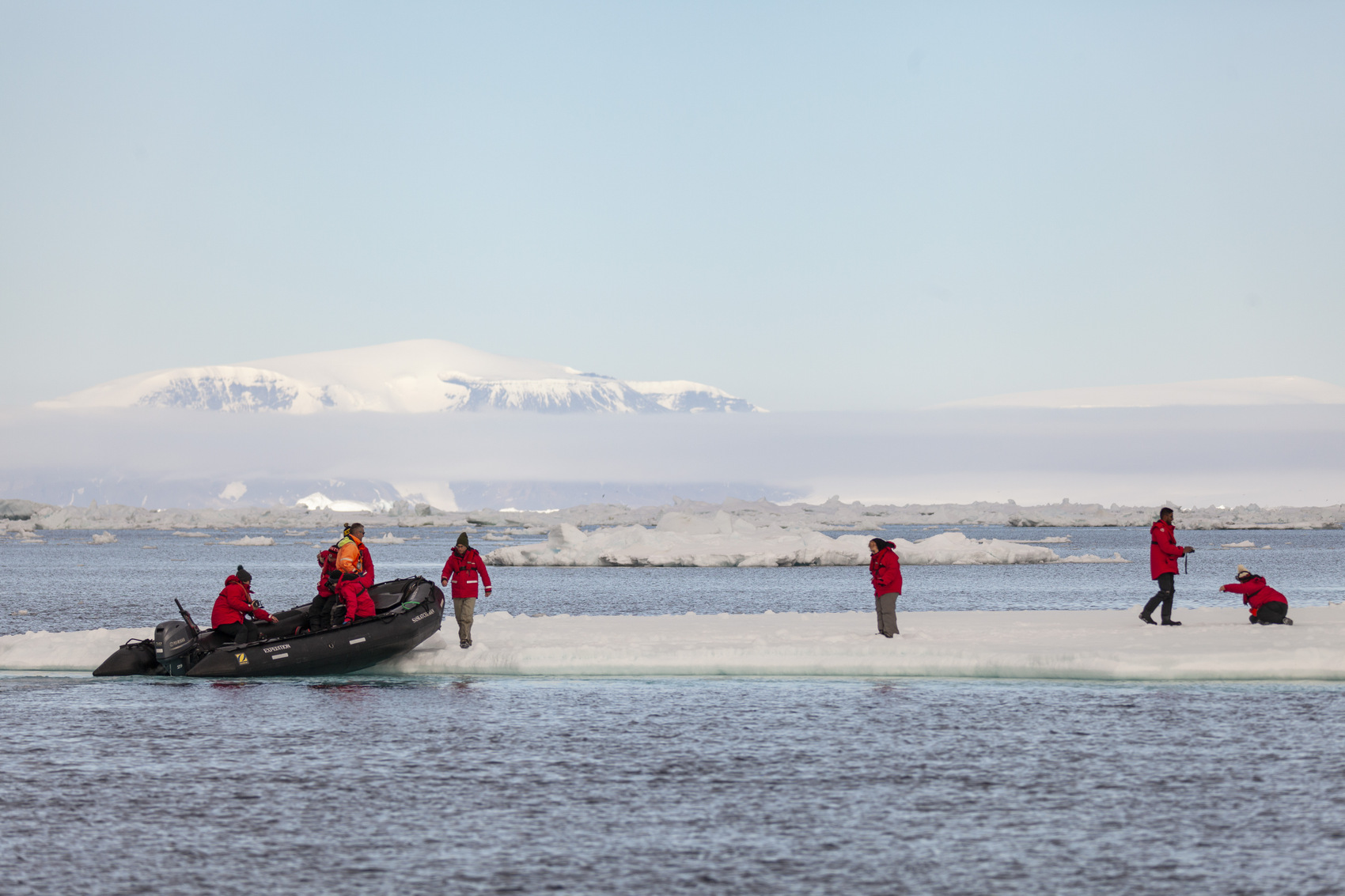
Antarctica offers a very different kind of polar adventure: vast, untouched wilderness where ice and ocean dominate the landscape. With no permanent population, few places on Earth feel quite so remote, making every landing, wildlife encounter, and glimpse of a towering iceberg feel like a genuine expedition.
It feels like another planet
If you've ever wanted to feel like you've landed at the edge of the Earth, Antarctica delivers. And it doesn’t ease you into things — you cross the Southern Ocean, and arrive somewhere with no cities, no roads connecting settlements, and no permanent human population. Suddenly, your world consists of ice, mountains, ocean and an occasional research station. And the scale is difficult to grasp until you’re there — icebergs can tower above expedition ships, glaciers stretch for kilometres between mountains, narrow channels open into vast bays filled with floating ice, while the silence is occasionally interrupted by the crack and rumble of a glacier calving in the distance. It’s beautiful, but also humbling. Antarctica has a way of making humans feel very, very small.
The wildlife puts on quite a show
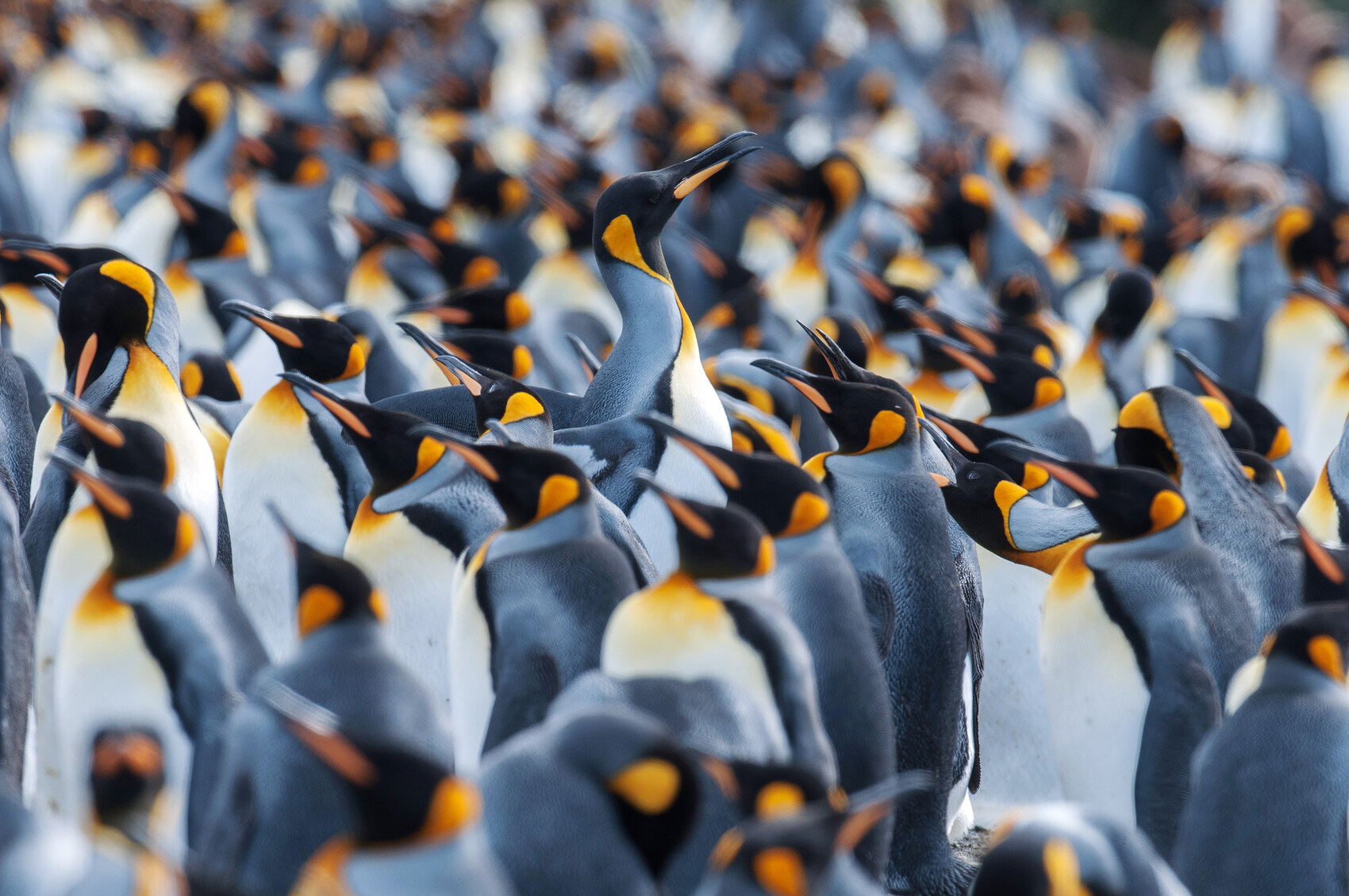
If you like your wildlife encounters frequent, noisy, and occasionally chaotic, Antarctica has you covered. Penguins are the obvious headline act, from gentoo and chinstrap colonies on the Antarctic Peninsula to Adélies in colder regions. Watching them is endlessly entertaining; they squabble over pebbles, shuffle along well-worn ‘penguin highways’, and launch themselves into icy water with considerably more elegance than they manage on land.
Then there are the seals, including Weddell, crabeater, and leopard seals, while humpback, minke, and orca sightings can turn an ordinary Zodiac ride into something you’ll talk about for years. Because many Antarctic animals have few land predators, they can also appear remarkably unfazed by human visitors — although responsible expeditions maintain strict distances and let wildlife dictate the encounter.
Every day feels like an expedition
Antarctica isn’t really a destination where you arrive, unpack, and follow a fixed sightseeing itinerary. Weather, ice, and wildlife conditions help decide what happens each day. You might wake to find the ship anchored in a sheltered bay, spend the morning cruising between icebergs in a Zodiac, step ashore near a penguin colony in the afternoon, and kayak through mirror-still water before dinner. Another day might bring a completely different landing because ice or weather has changed the plan overnight. That unpredictability is part of the appeal. You’re not simply observing Antarctica from a ship, you’re actively exploring it.
Getting there is part of the adventure
Antarctica requires a little more commitment. Most voyages begin at the southern tip of South America before crossing the Drake Passage, the famously unpredictable stretch of ocean separating Cape Horn from the Antarctic Peninsula. Conditions can range from the relatively calm ‘Drake Lake’ to the rather more lively ‘Drake Shake’, but either way, the crossing creates a genuine sense of transition. By the time the first Antarctic mountains appear on the horizon, you know you’ve travelled somewhere extraordinary. And if spending two days at sea isn’t your thing, some itineraries offer fly-and-cruise options that skip the traditional crossing.
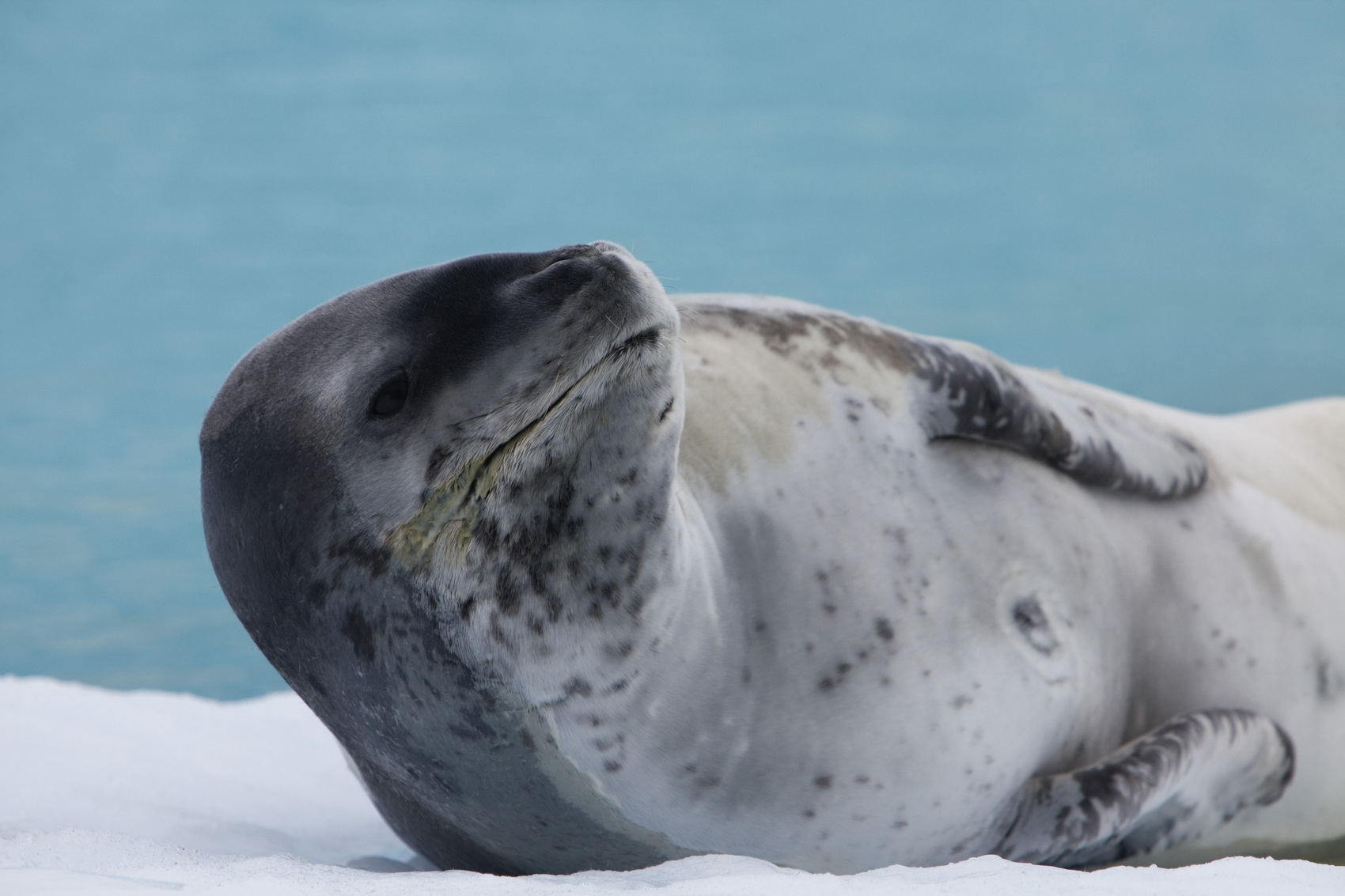
Wildlife is one of the biggest draws of any polar adventure, but the Arctic and Antarctica offer very different experiences. The north is home to iconic land animals and a wider variety of habitats, while the south is famous for spectacular concentrations of penguins, seals, and whales. Here’s what you can expect to see in each destination — and which one might be the better fit for your wildlife wish list.
Arctic icons: polar bears, walrus, and reindeer
The Arctic offers something closer to a traditional safari experience, except your vehicle might be an expedition ship or Zodiac, and the scenery involves considerably more ice. Animals are often spread across huge territories, so guides look for clues — tracks in the snow, movement along a ridge, birds gathering over feeding whales, or a distant shape on the sea ice. That makes each encounter feel like a discovery. Polar bears are the obvious prize, but walrus are another Arctic heavyweight worth travelling for. Add musk oxen, reindeer, Arctic foxes, and huge seabird colonies in certain regions, and there’s far more to look for than one famous white bear.
Antarctica’s stars: penguins, whales, and seals
Antarctica wins on sheer concentration. Penguin colonies can number in the thousands, filling beaches and rocky slopes with constant movement and noise. Whale encounters become particularly rewarding later in the Antarctic summer, when animals arrive to feed in nutrient-rich waters. Humpbacks may surface near Zodiacs, while seals can be spotted resting on ice floes or swimming around landing sites. The experience is less about searching a huge landscape for one elusive animal and more about finding yourself surrounded by wildlife.
The truth? It depends what you want to see
If seeing a polar bear in its natural habitat sits at the top of your bucket list, head north — there are no polar bears in Antarctica. If penguins are your dream sighting, head south — you won’t find wild penguins in the Arctic. Whales, seals and seabirds can be seen in both, although the species and encounters vary depending on destination and season. So rather than asking which has the ‘best’ wildlife, ask yourself which animal you’d be genuinely devastated to travel all that way and not see. That will probably give you your answer.
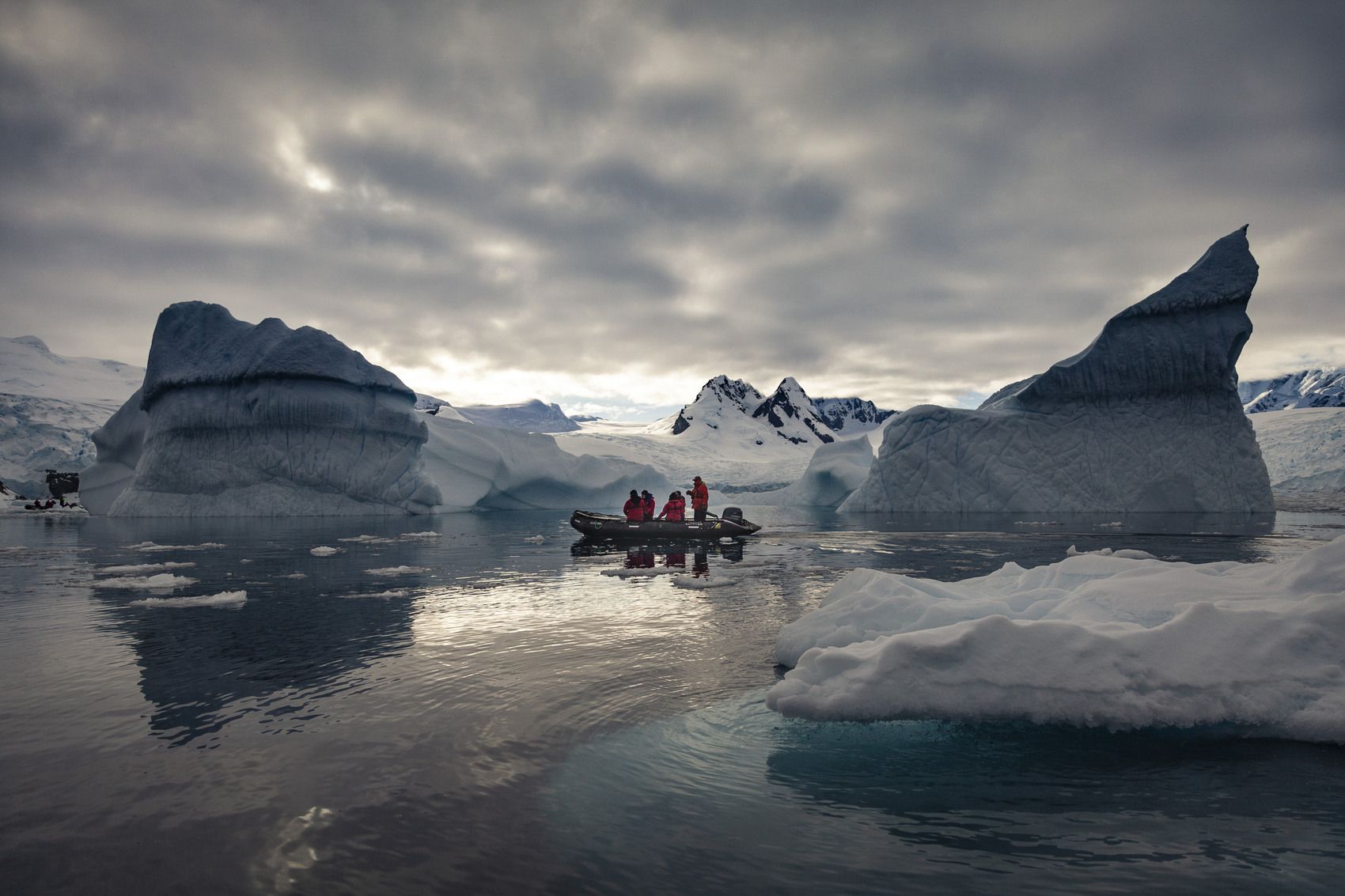
Both destinations deliver the kind of scenery that makes you stop mid-sentence, but they do it in very different ways. The Arctic offers greater variety, with landscapes that shift from tundra and mountains to glaciers, fjords, and colourful coastal communities. Antarctica is more singular and dramatic: a vast world of ice, towering peaks, and enormous glaciers stretching as far as the eye can see.
The Arctic: diverse, colourful, and constantly changing
The Arctic’s biggest strength is variety. This isn’t a landscape made entirely of snow and ice. Depending on where you go, you’ll find tundra, mountains, volcanic terrain, sweeping valleys, enormous fjords, and coastlines dotted with colourful settlements. Svalbard brings jagged peaks and glaciers spilling towards the sea. Greenland serves up immense icebergs alongside green valleys and tiny coastal communities. Elsewhere, the landscapes can feel surprisingly lush during the brief Arctic summer. And then there’s the sky. Travel in summer for the midnight sun, when daylight stretches around the clock; visit parts of the Arctic later in the year, and you may have a chance of seeing the northern lights instead.
Antarctica: bigger, wilder, and wonderfully strange
Antarctica is less about variety, and more about scale. The Antarctic Peninsula is lined with sharp mountain peaks, enormous glaciers, and waterways scattered with icebergs in every shade from brilliant white to deep glacial blue. Some are sculpted into arches and towers, others are so vast they look more like floating islands. There’s also something extraordinary about how quickly the scenery changes — fog can lift to reveal an entire mountain range, a bay can fill with newly calved ice overnight, and an iceberg that looks white from one direction suddenly reveals electric-blue crevasses as you sail around it. If the Arctic feels dramatic, Antarctica feels cinematic.
So, when it comes to Arctic vs Antarctica, here's the slightly annoying answer: whichever one excites you most. If your idea of adventure involves penguins, towering icebergs, and standing on the most remote continent on Earth, Antarctica should come first. If you'd rather combine spectacular wildlife, polar bears, fascinating cultures, and dramatic northern landscapes, start with the Arctic. Many seasoned polar travellers actually end up doing both eventually, and once you've experienced one end of the planet, it's surprisingly difficult not to become curious about the other. Whether you head north or south first, one thing's guaranteed: ordinary holidays may struggle to compete afterwards.
Read more:
Arctic gateway: 11 things to do in Longyearbyen