Madi Wong
Editorial Content Lead
Editorial Content Lead
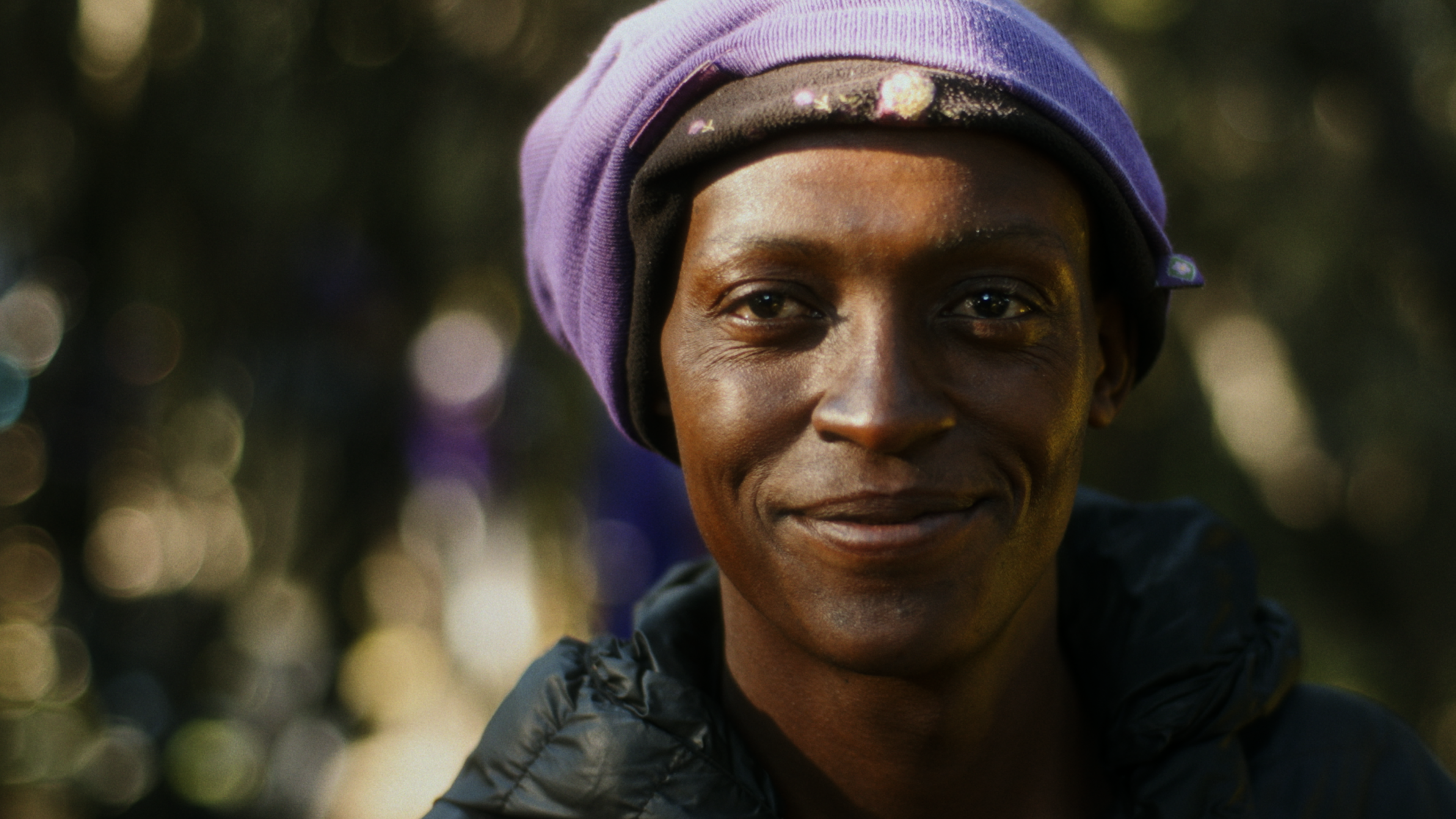
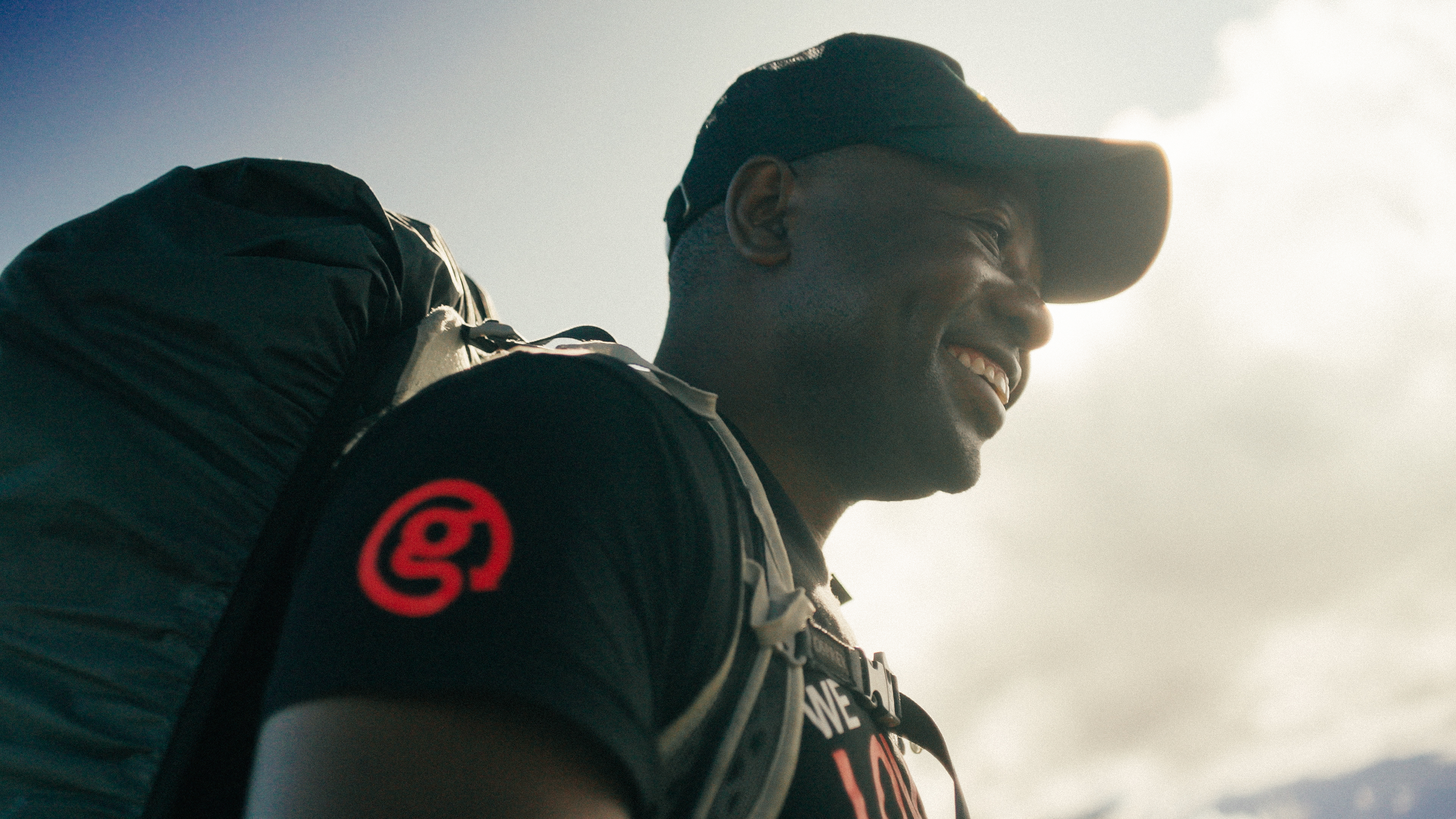
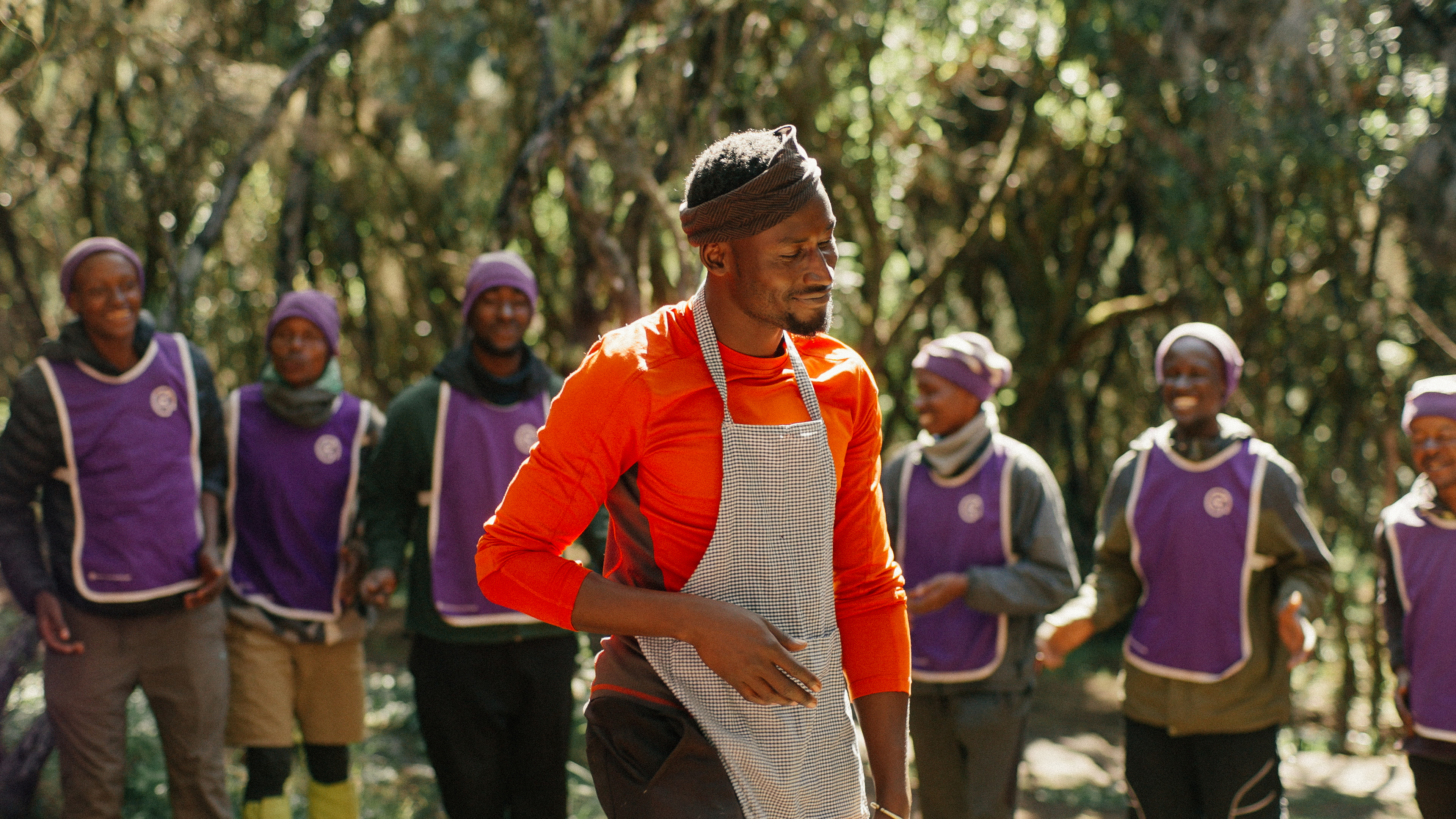
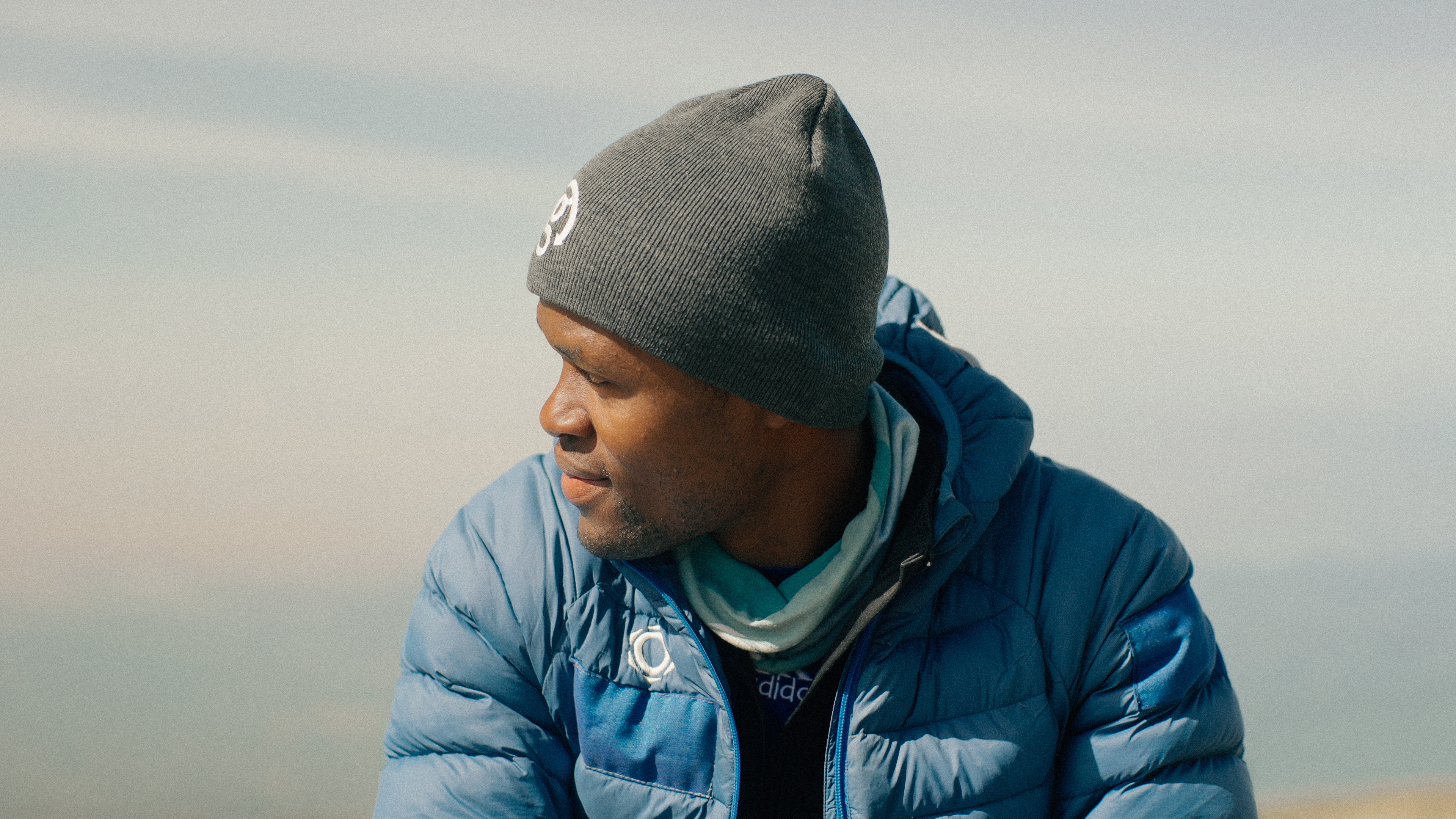
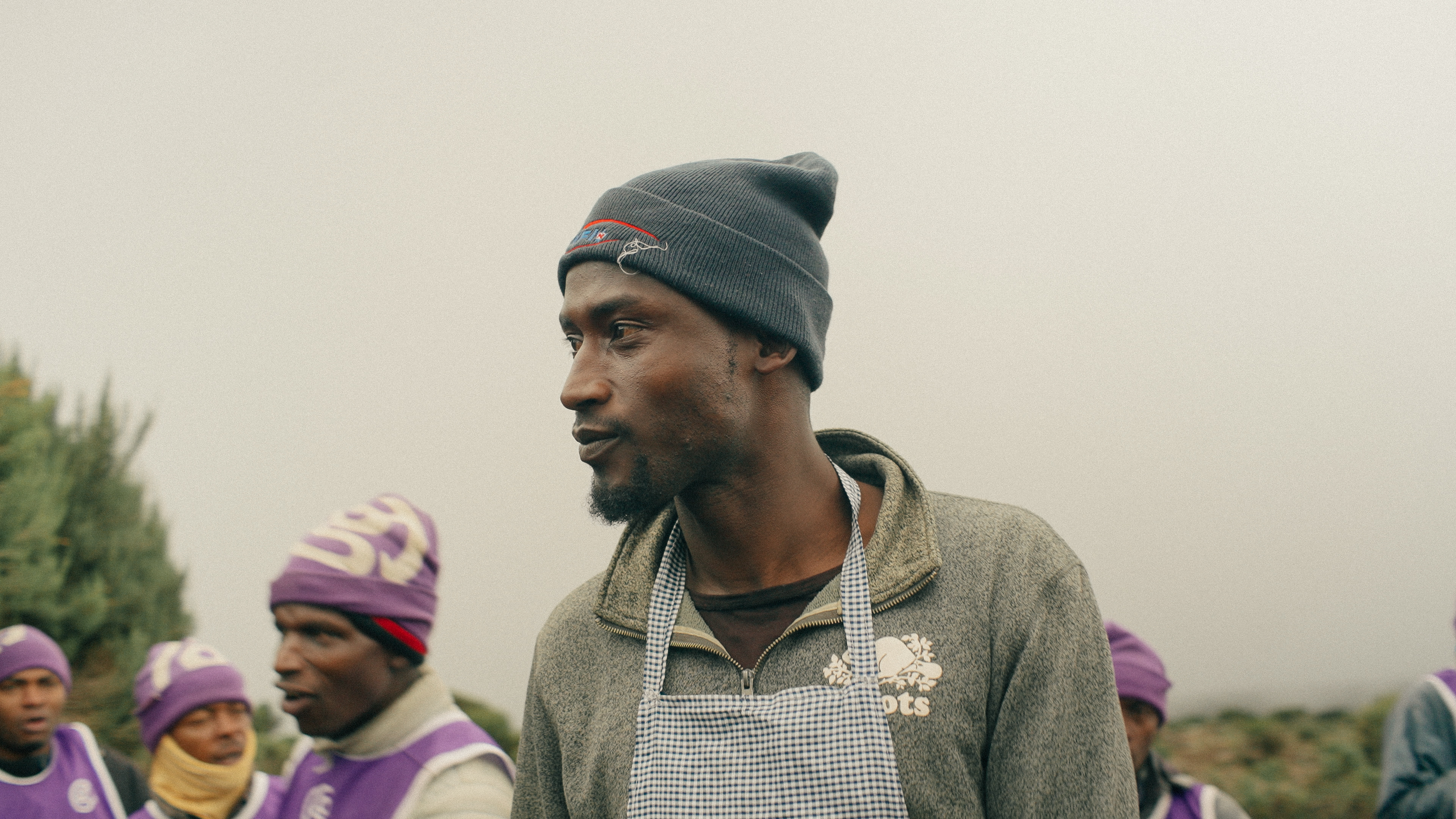
A portrait of Santaeli, one of the G-fighters who hosted and looked after the group at camp each day on the mountain. We're All Climbing Our Own Mountain is the opening film in Searching for Soul, a new documentary series from Mark Klassen.
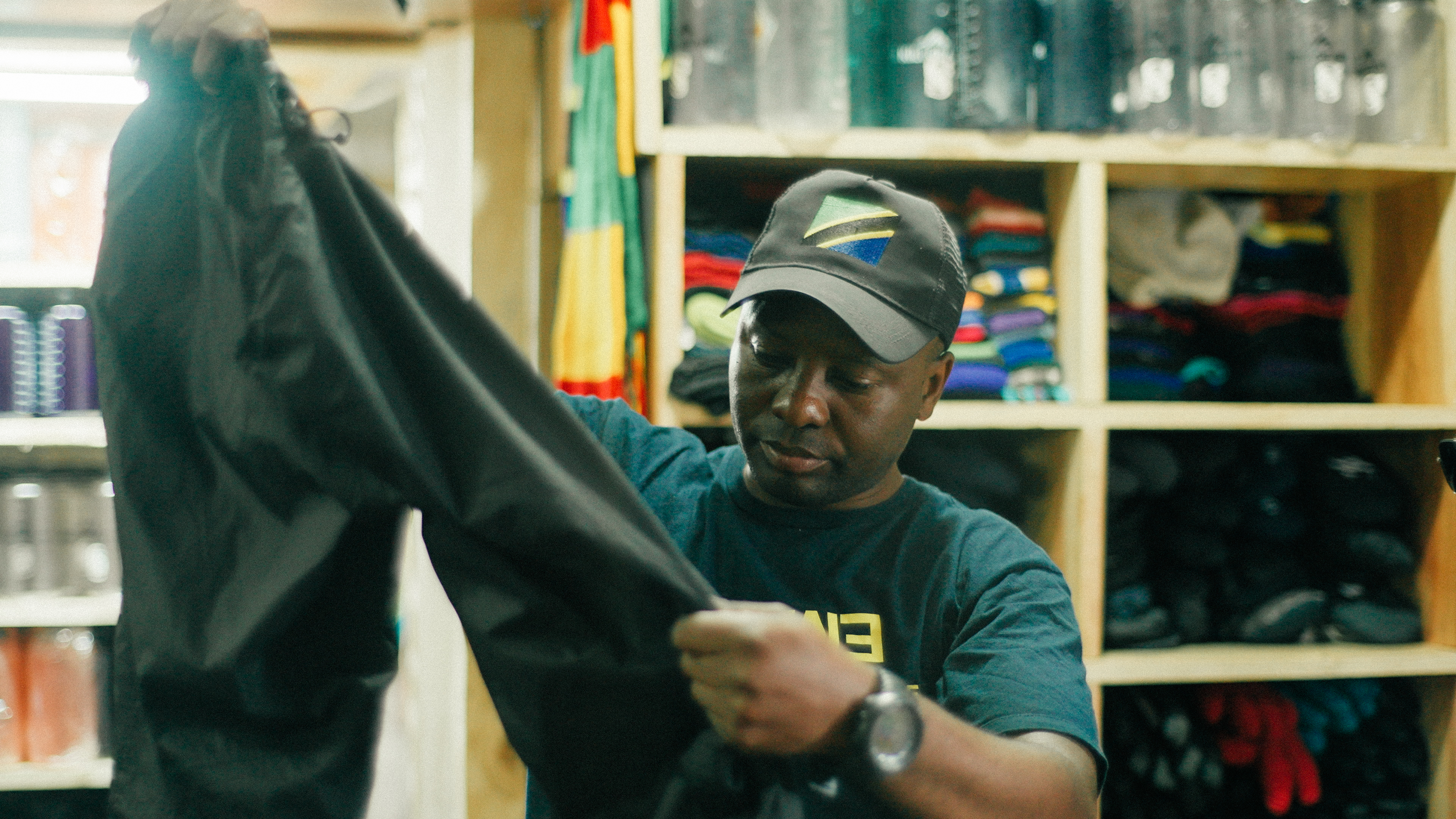
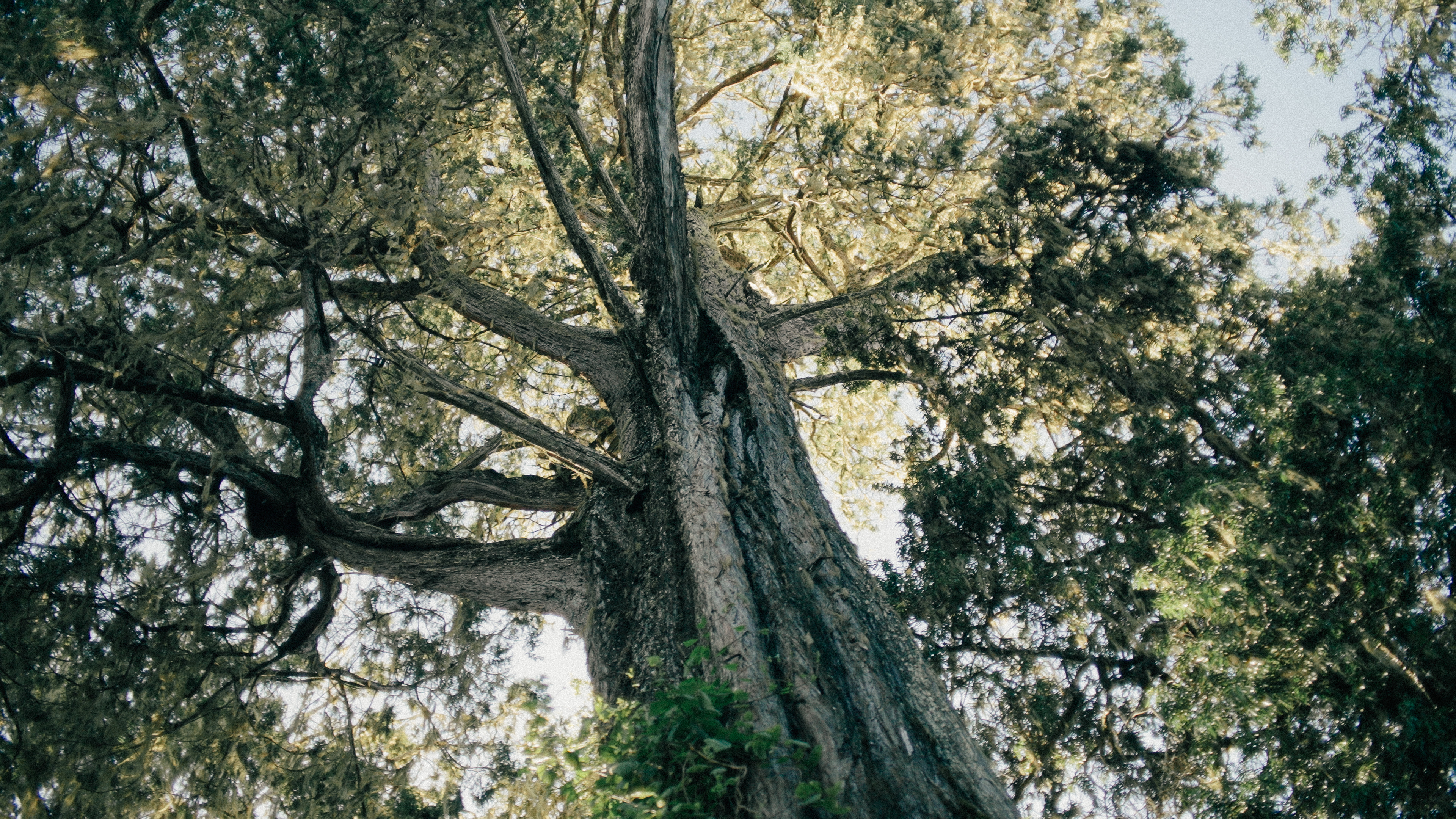
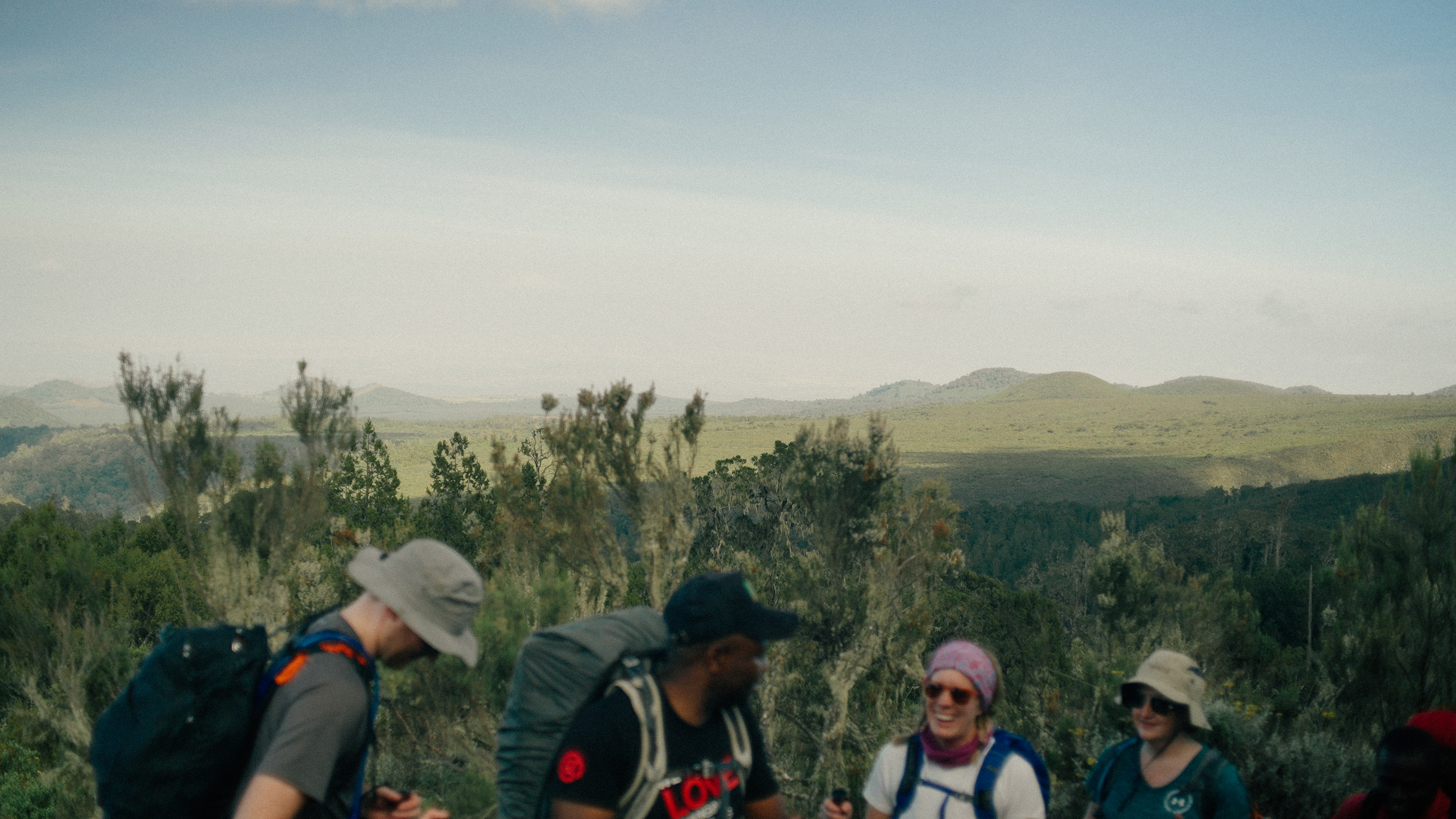
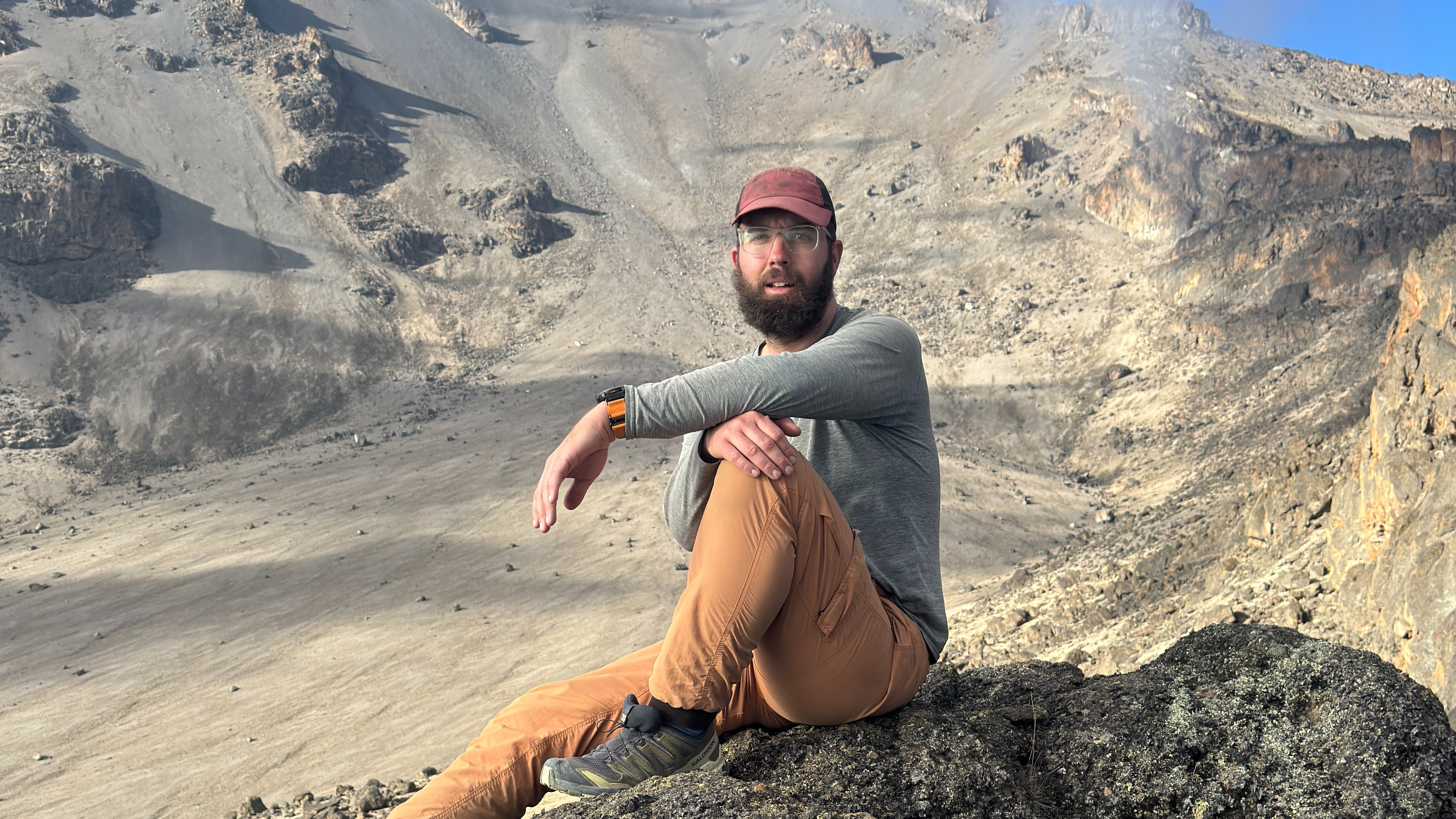
Mark Klassen has climbed several mountains in the west coast of Canada and in some parts of Africa but never one as beastly as Mount Kilimanjaro.
For the documentary filmmaker, this was more than just a personal challenge. When presented with the opportunity to not only tackle the continent's highest peak, but to harness his creative vision to document the entire experience, he gratefully embraced the leap.
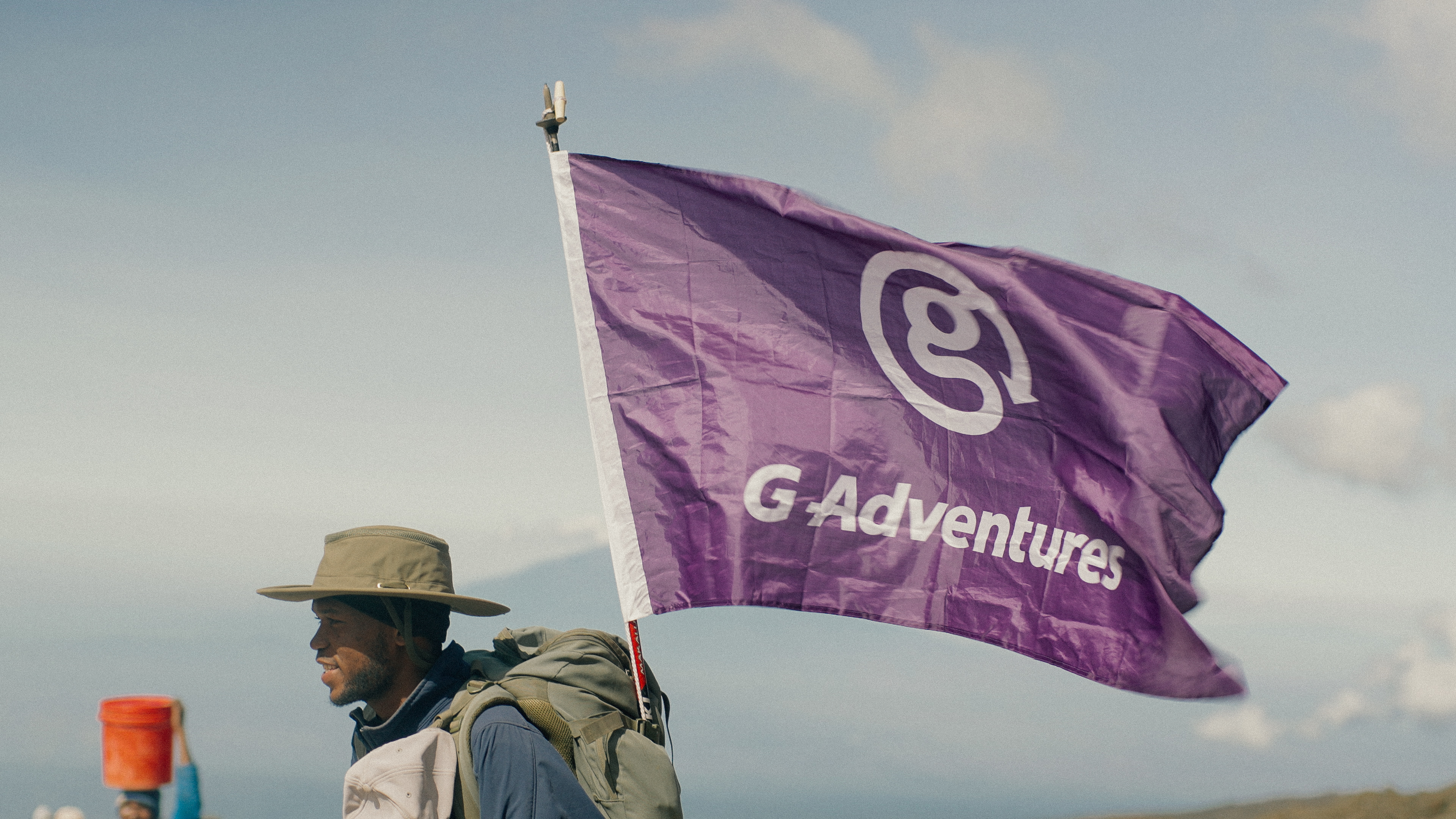
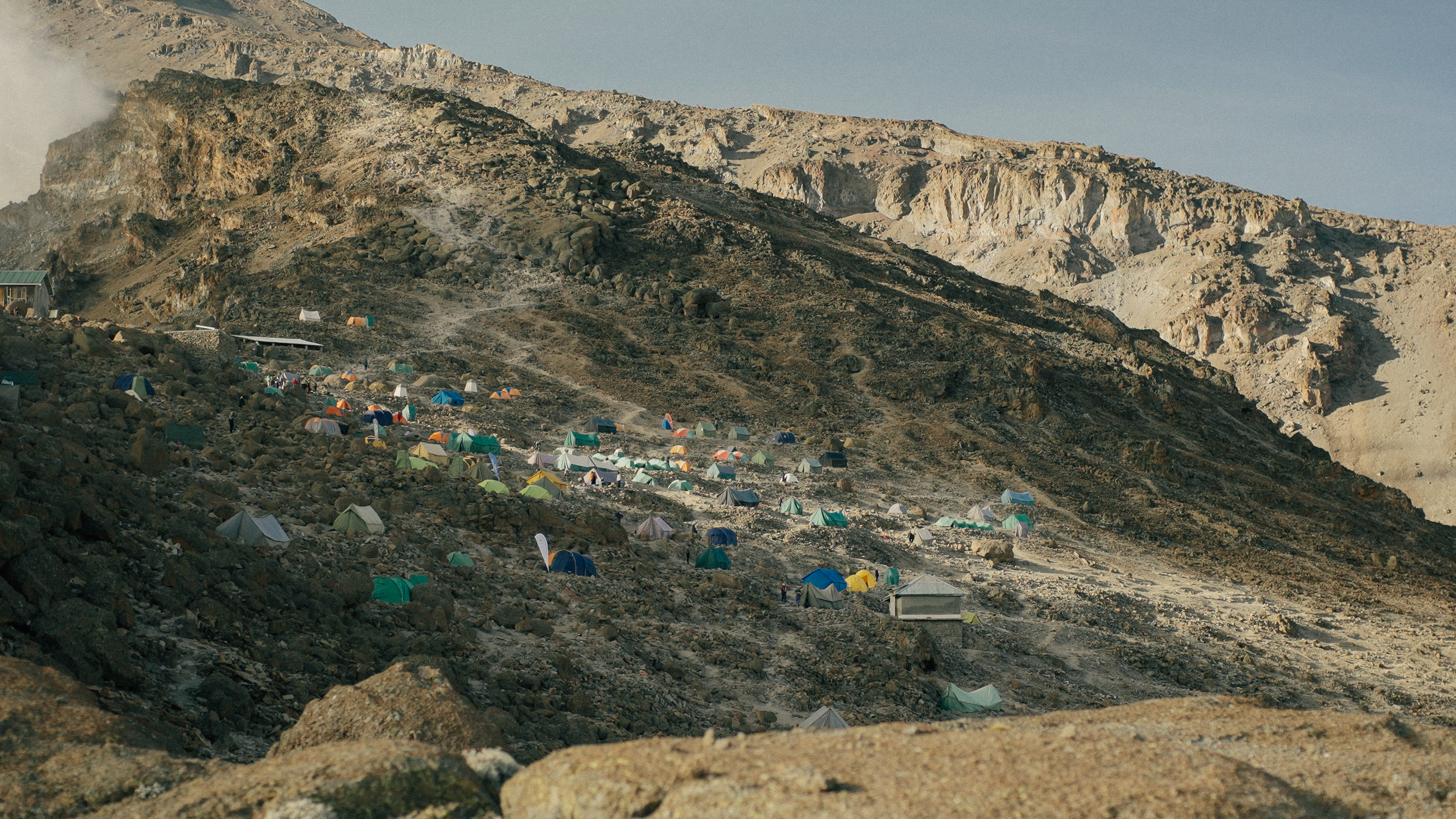
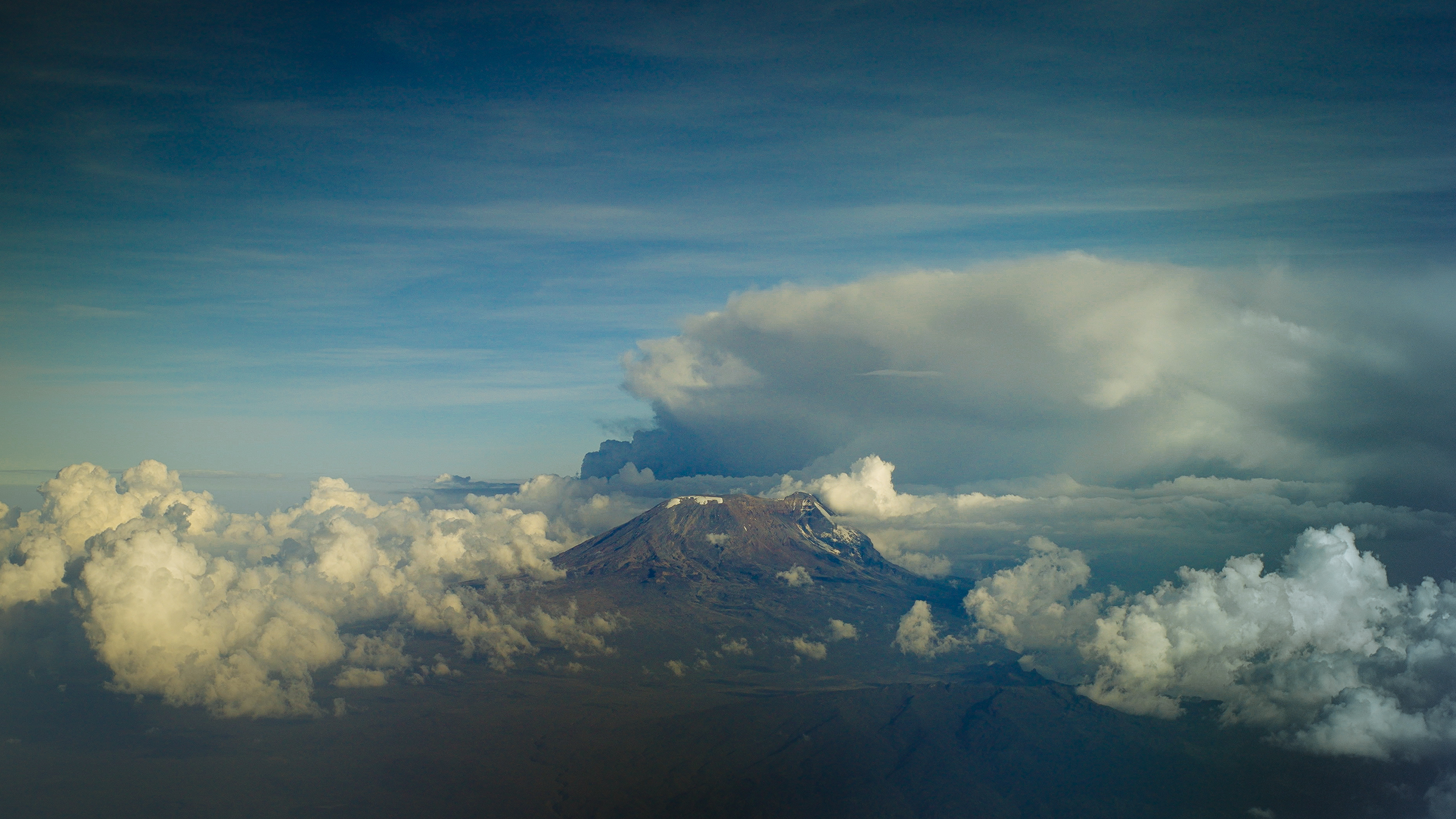
His expedition would follow G Adventures’ 10-day Lemosho route , kicking off in the lush Lemosho Glades montane forest zone. Over the next week and a half, travellers are pushed through vastly different ecological regions and testing terrains, each day’s climb rewarded with more incredible landscapes as they inch closer to the summit.
With only two months to prepare, Klassen began bolstering his cardio and strength training, carrying 50 to 60 lbs worth of goods in a backpack while hiking through his neighbourhood in Nova Scotia.
“I'm like, ‘I got one shot to do this, to just do everything I can to kind of get my body as at least as close to what it needs to be there,” he said.
Klassen had always had the goal of filmmaking at higher altitudes, and looked at this trip as the first training ground to see what he’s capable of.
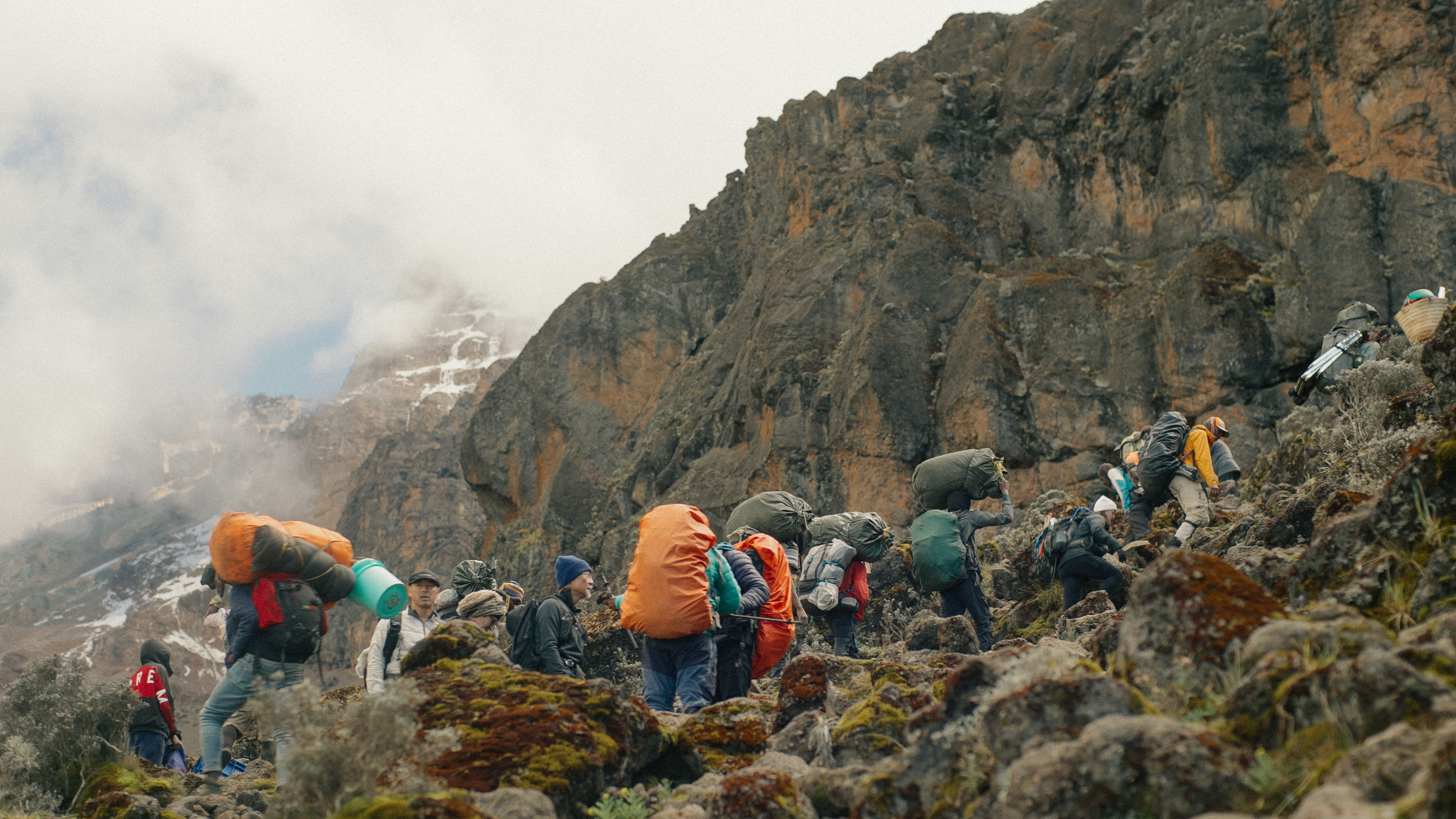
Despite having to carry extra technical equipment, Klassen had to adhere to the same weight and bag limits as the other trekkers in his group.
“You get two bags, you have one that the porters (G-fighters) take from location to location. You're limited to something like 15 kilograms … but it's not a ton,” he said.
Within those two bags, Klassen had to consciously choose how to best balance packing essentials like clothing and a sleeping bag, in addition to his camera and tech gear.
His inventory included two camera bodies, several batteries, memory cards and a headlamp – setting him up for hours of high quality recording and photo capturing throughout the multi-day trek.
"The extra thing with Kilimanjaro is that you're moving through so many different levels of altitude," said Klassen, adding on summit day – the most strenuous day of the trek – he calculated nearly 14 to 15 hours of moving his body.
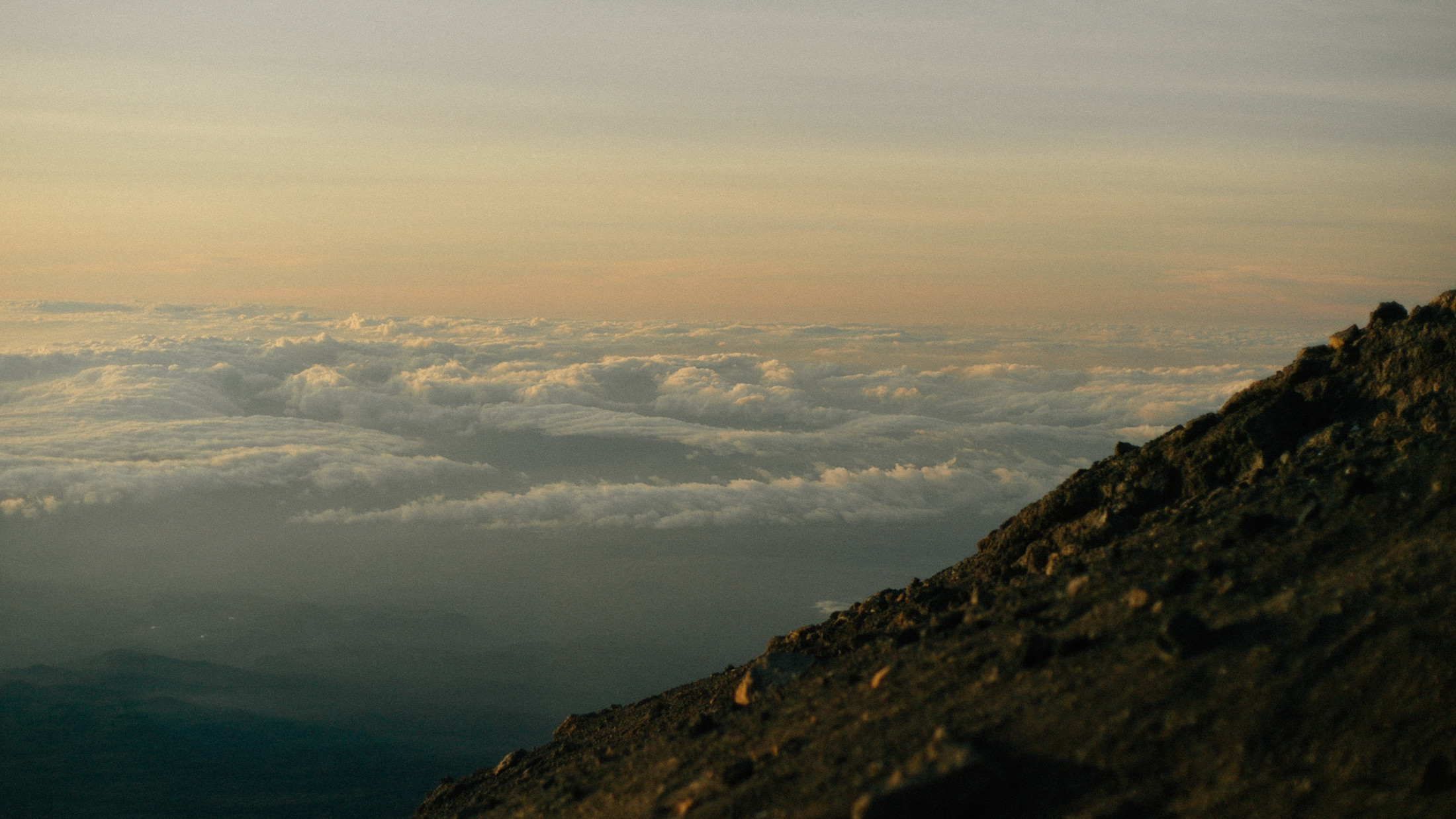
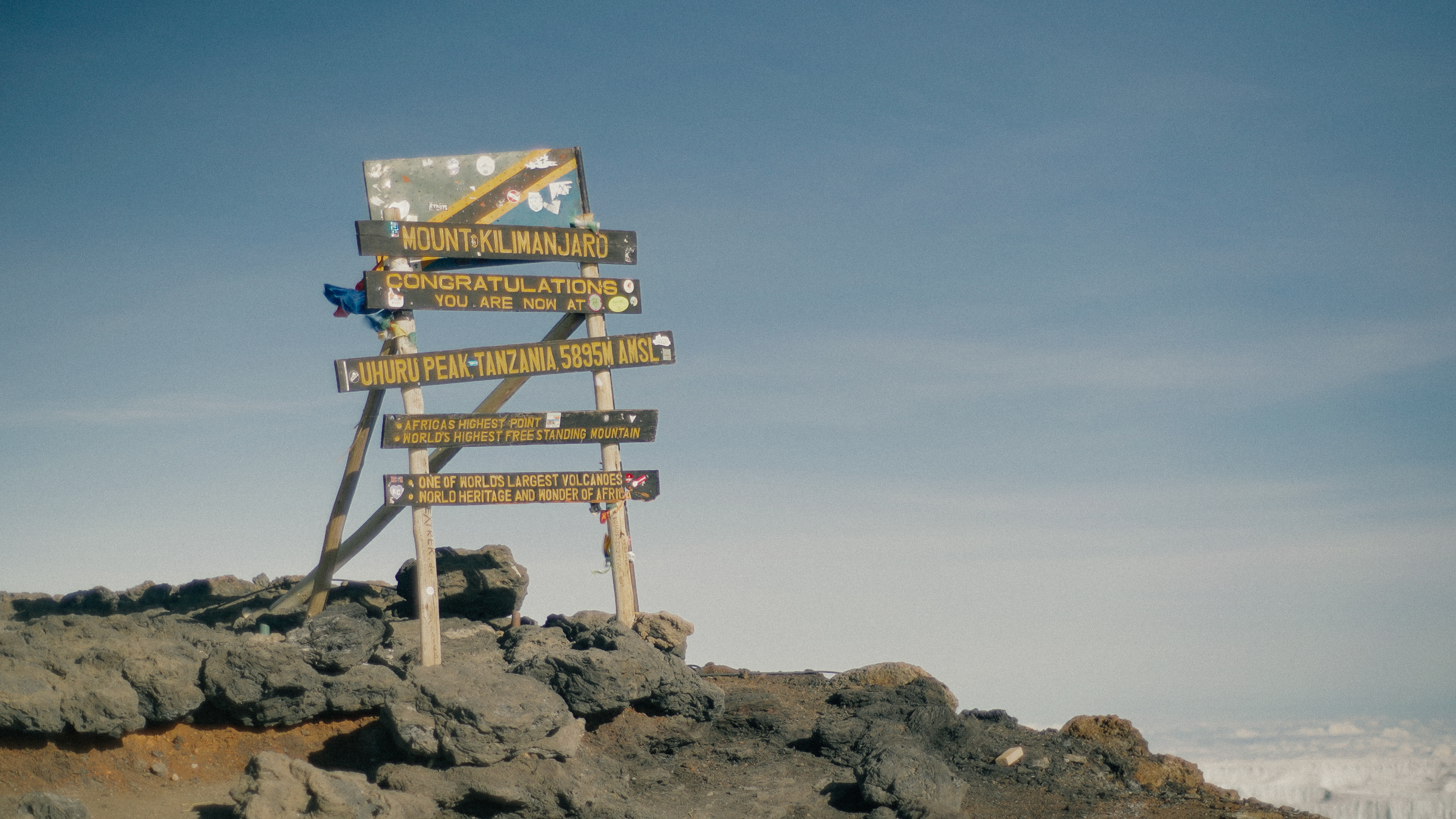
Then came summit day, his most challenging day of the tour. Comparing it to a grand event like a graduation – where each moment builds up to a final reward – Klassen knew this was the final stretch to conquer.
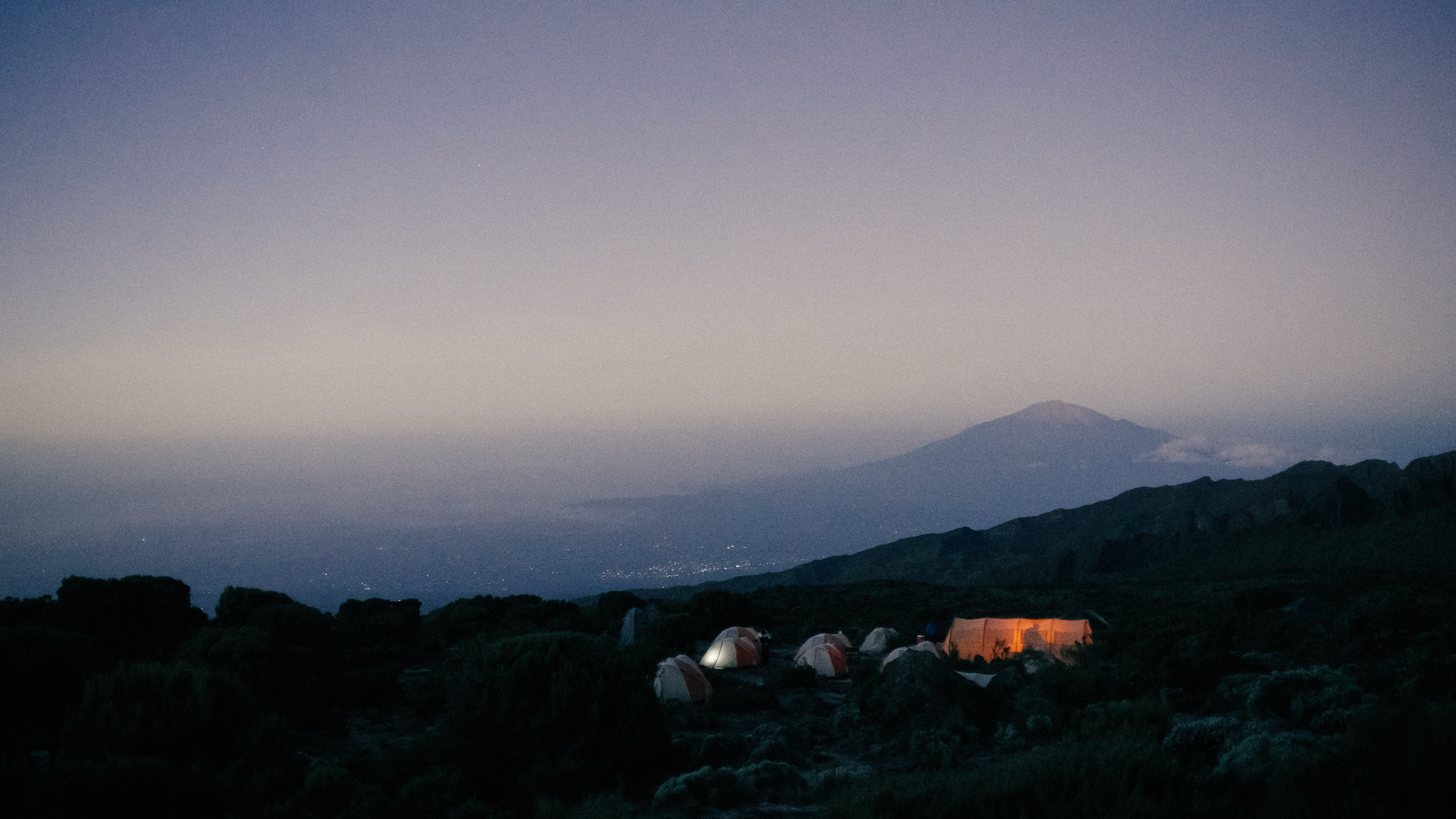
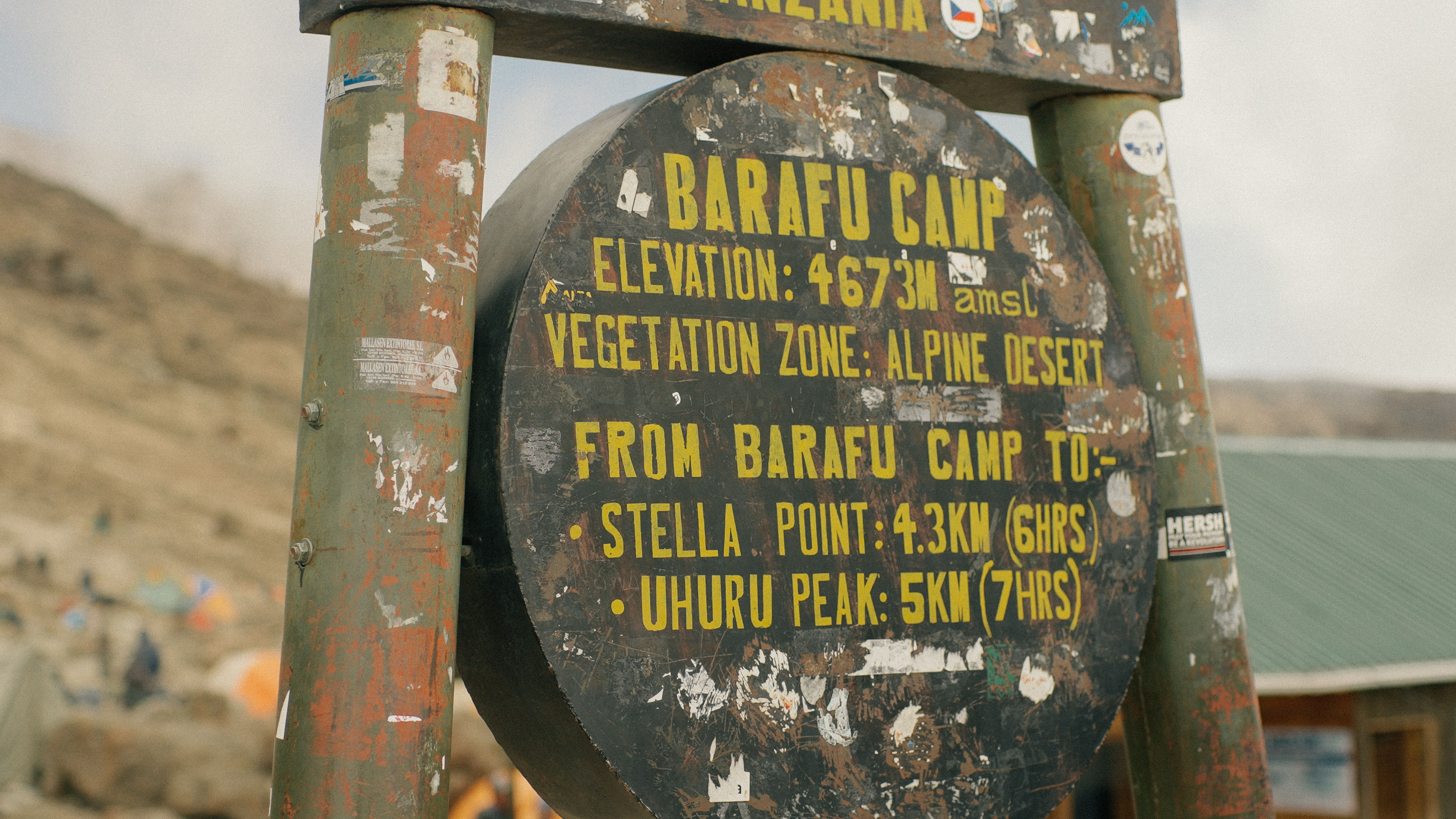
The group woke up at 11 p.m. to pack their bags and start working their way up a windy, 5 kilometre trail where below, they could see a birds-eye view of Moshi.
“You just see a lineup of headlamps, hundreds of hundreds of people just making their way up to the summit,” he said.
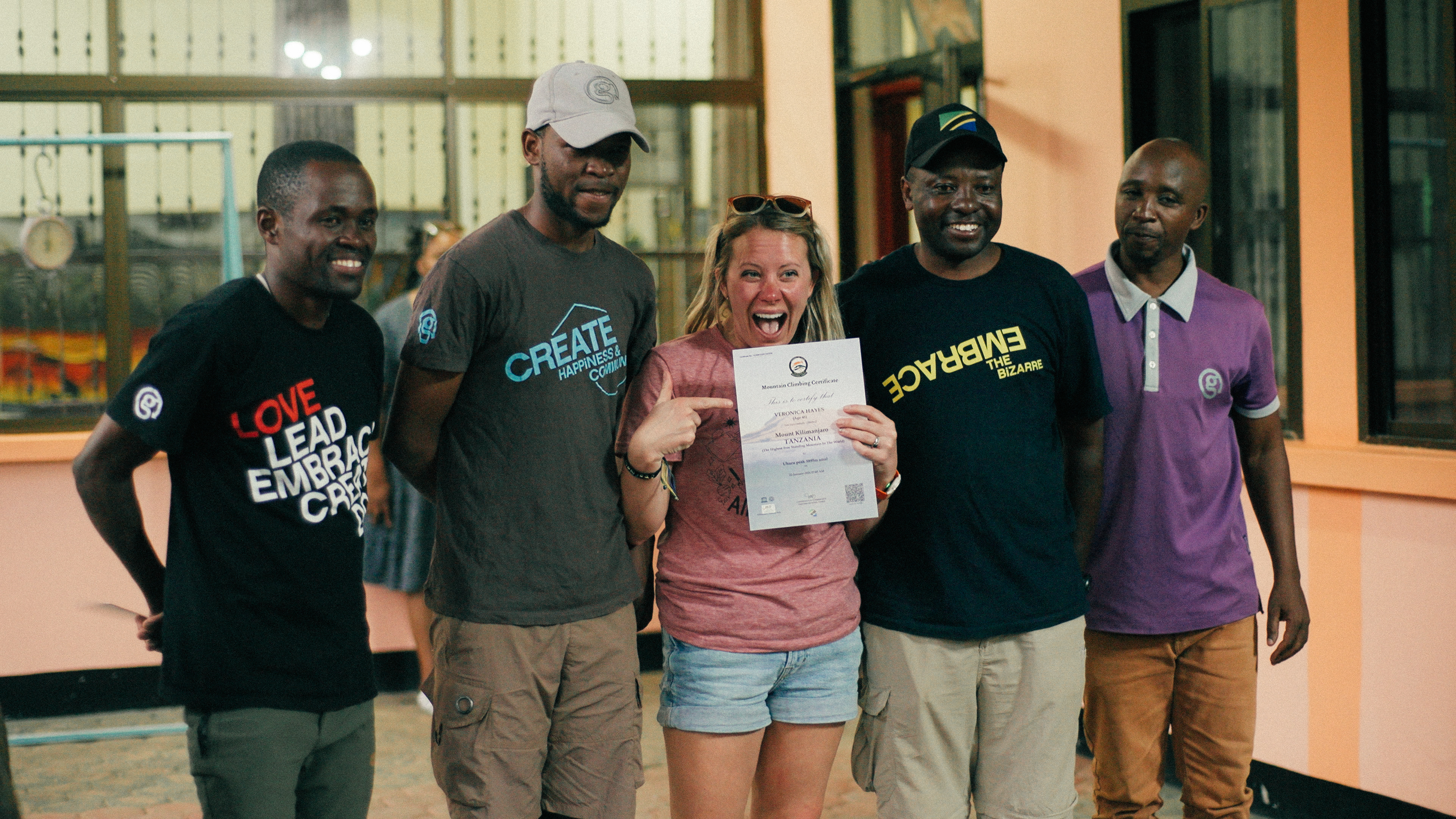
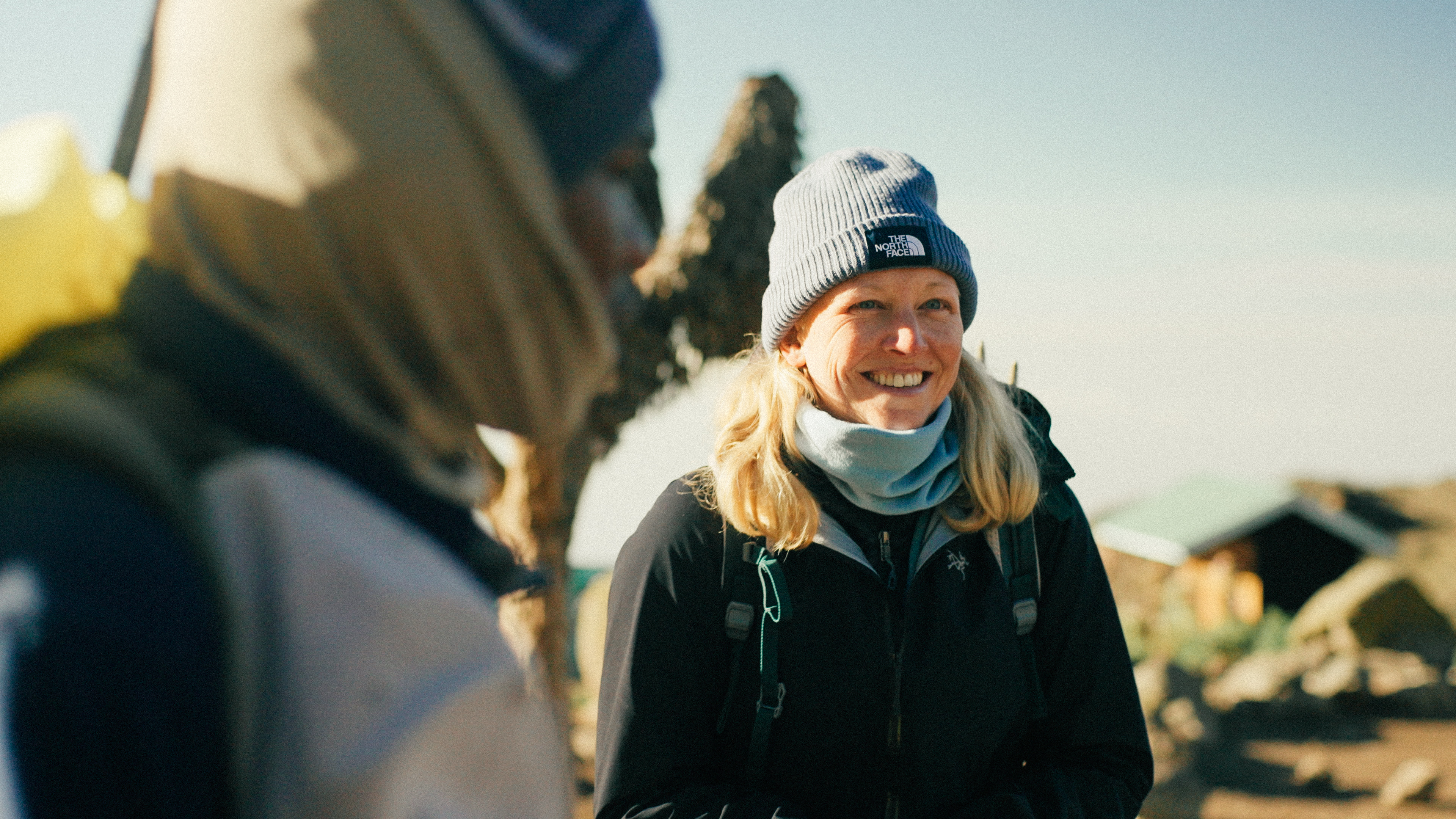
The cheers and words of encouragement from fellow trekkers and his Chief Experience Officer (CEO) kept him grounded throughout each step and once each person in their group reached the top, it was a collective celebration.
“You've got the guides, the porters, and then you have this group that you've grown to be around with for over six or seven days, and it's a really special thing, because these relationships form,” he said.
“And even though we're strangers, you're just like, ‘I want you to get to the top too.’”
Prior to arriving in Tanzania, Klassen said he also did a lot of research to familiarize himself with the Kilimanjaro hike and communities, in order to gain a better understanding as a storyteller.
But, he says being present and living in the moment while he was there, taught him more than he could’ve prepared for.
“I've been working as a filmmaker for a very long time. So I'm very intuitive about how to move around other people … What's going on around me. But my whole philosophy, especially now in my career, is its very curiosity driven,” he said.
“So if I'm in a situation where something's unfolding or somebody's sharing a story … I'll immediately latch onto that and listen and engage.”
He points to his CEO Emanuel Sr. as an example, who had been climbing Kilimanjaro for 20 years and shared a wealth of experience and knowledge.
“He spent so much time on that mountain that they just know it inside and out, and that's a really unique perspective that not a lot of people have,” said Klassen.
It became clear to Klassen that despite how many people like Emanuel Sr. live in towns one to two hours away from Kilimanjaro – the mountain brings so many local and international communities together.
“When I was climbing the mountain over many days, I had plenty of time to think, and it just kind of makes me hopeful of what I'd love to see more in the world,” he said.
“People coming together and working towards a common goal. And obviously it's not necessarily a physical mountain, but more of a metaphorical mountain of coming together and making this world that we live in like a bit of a better place.”
That journey up Mount Kilimanjaro became 'We're All Climbing Our Own Mountain,' the opening film in Searching for Soul, Klassen's new YouTube documentary series. As a filmmaker, he hopes people will takeaway that the experience has less to do with the climb itself than with the people who make it possible: the guides, porters and strangers who get each other to the top.
What he hopes people take from it has less to do with the climb itself than with the people who make it possible: the guides, porters and strangers who get each other to the top
“I have always looked at travel as this really beautiful privilege of being able to go to other places and connect with other people, and sort of be a sponge and soak up these different experiences and then come back home and use that to sort of inform how I move around in the world, whether it's as an individual or as a filmmaker,” he said.
“I may not die a wealthy man in my life, but I will die rich in experiences.”