JT
Jada Thompson
Social Media Specialist
Social Media Specialist
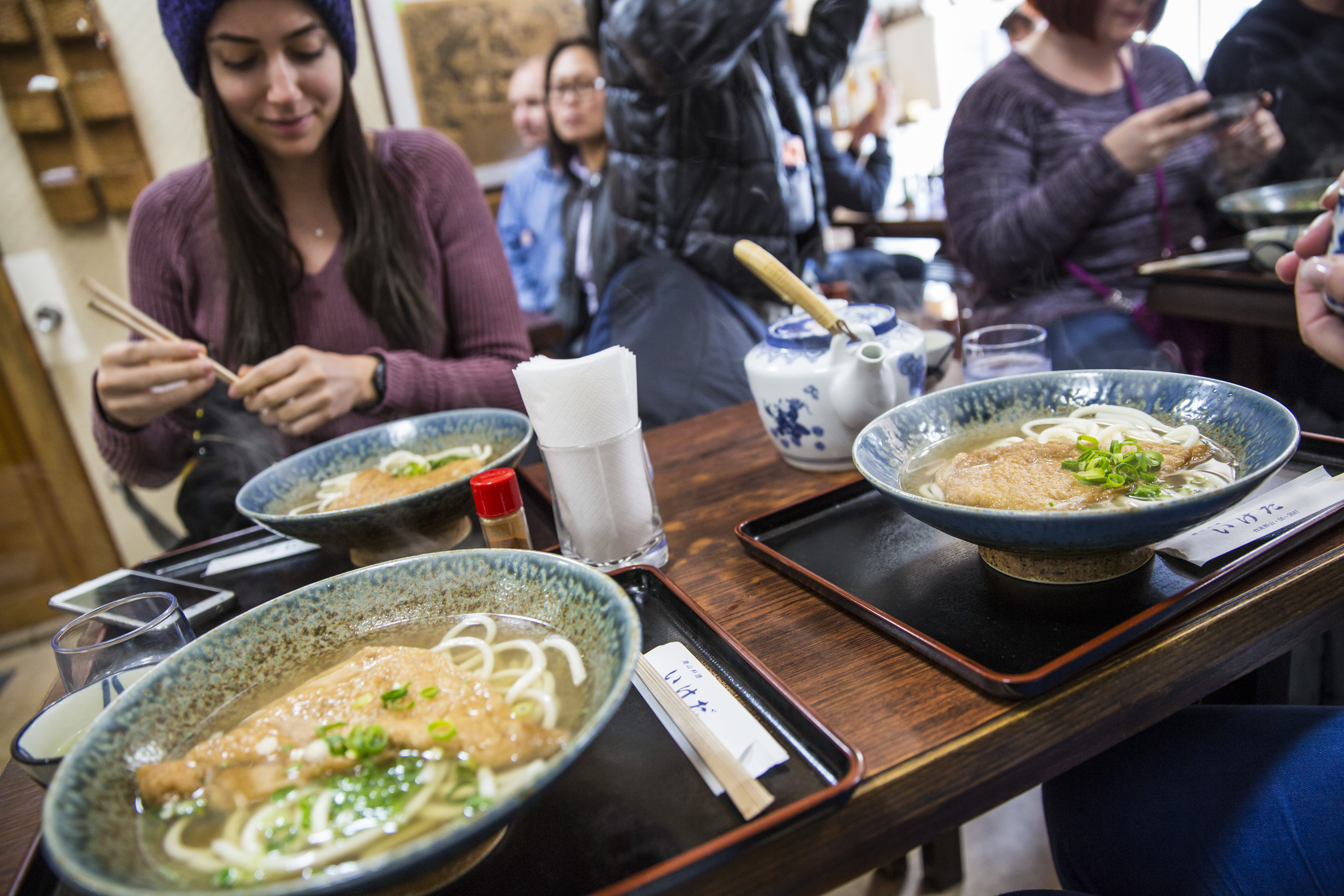
Travelling to taste local food is a big part of why so many foodies choose their destinations.
Cuisines from around the world get replicated in restaurants everywhere, but there's no substitute for trying a dish right at the source — where the ingredients, the techniques, and the people who perfected it all come together.
Countless countries offer unforgettable plates, but these four top foodie destinations never fail to deliver an extraordinary gastronomic adventure.
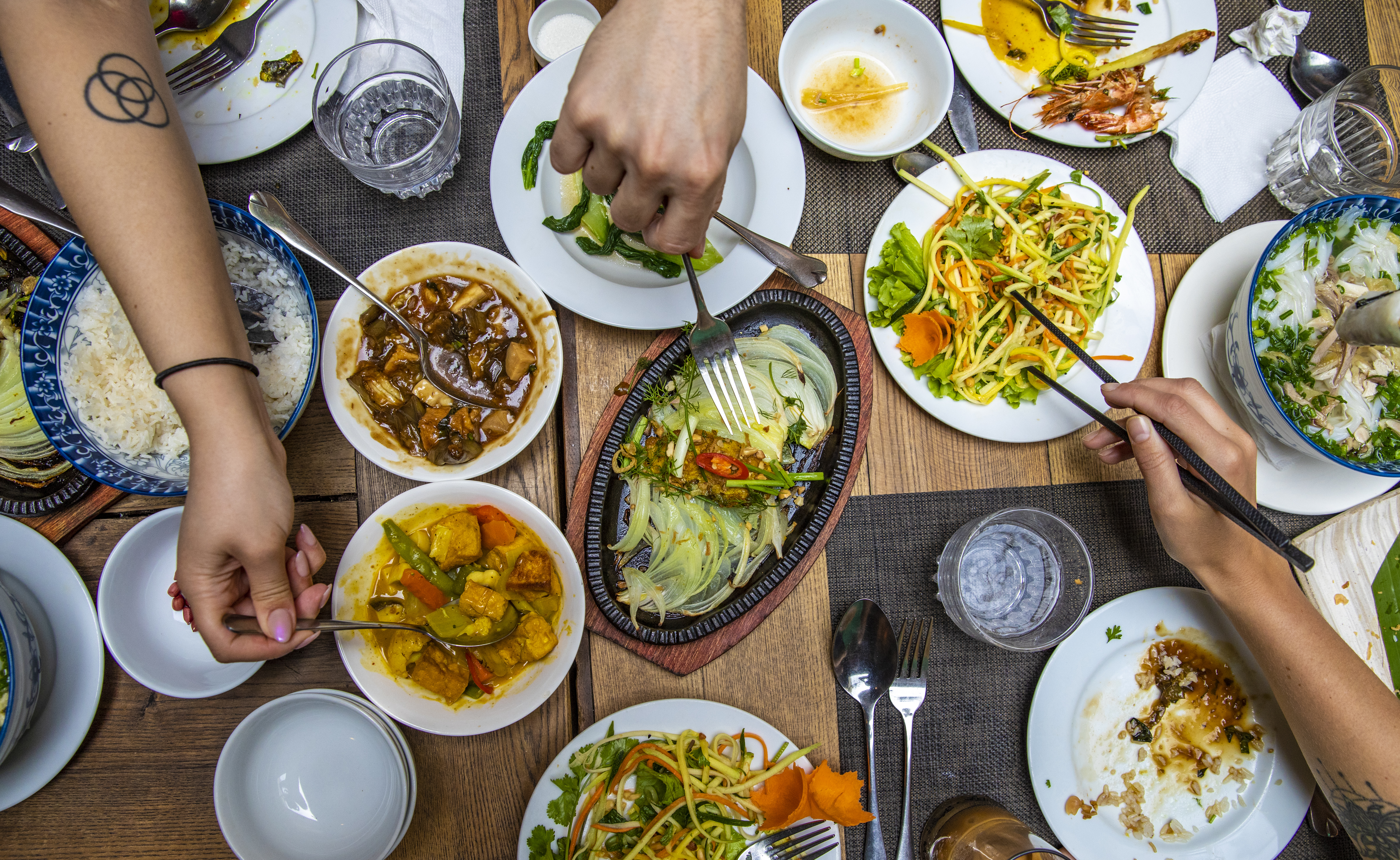
Vietnam is a foodie's dream, and for many travellers, it's the whole reason the trip gets booked in the first place. Winding through the country by road, boat, or motorbike means winding through its food too — every stop on the map comes with its own bowl, bun, or roll to try.
Vietnamese cuisine isn't one single thing — it shifts as you move from north to south.
In the north, around Hanoi, dishes are subtle and savoury, built on clean broths and simple seasonings. Central Vietnam, especially Huế, cranks up the heat and the presentation, with bold, spicy flavours and dishes plated like miniature works of art, signifying the region’s royal past. Down south, around Ho Chi Minh City, the food gets sweeter and more generous with fresh herbs, coconut, and tropical produce.
Whether you're eating at a white-tablecloth restaurant, on a plastic-stool at a street stall, or straight out of a market vendor's cart. Vietnamese food is connected by one thing — every dish is fused with multiple flavours in a perfect balance. Sweet, spicy, salty, sour, Vietnam has it all and it blends beautifully in harmony. That is what makes Vietnamese food so addictive.
Pho: You cannot visit Vietnam without trying pho-nomenal pho. A soft, but hearty bowl full of rich broth, soft rice noodles, and fresh meat of your choice.
Banh Mi: A crispy, airy baguette stuffed with pork, pâté, pickled carrots and daikon, cucumber, and chili mayo.
Bún riêu: A tangy, tomato-based crab and pork broth over rice vermicelli, topped with fried tofu, herbs, and lime. An essential meal to locals.
Egg coffee: Vietnamese coffee topped with a rich, whipped cream of egg yolk and condensed milk — invented in 1946 in Hanoi during a milk shortage.
Gỏi Cuốn: Fresh spring rolls stuffed with shrimp, pork, herbs, and vermicelli in rice paper, dipped in a smooth peanut or fish sauce. A light, perfect antidote on a hot day of sightseeing.
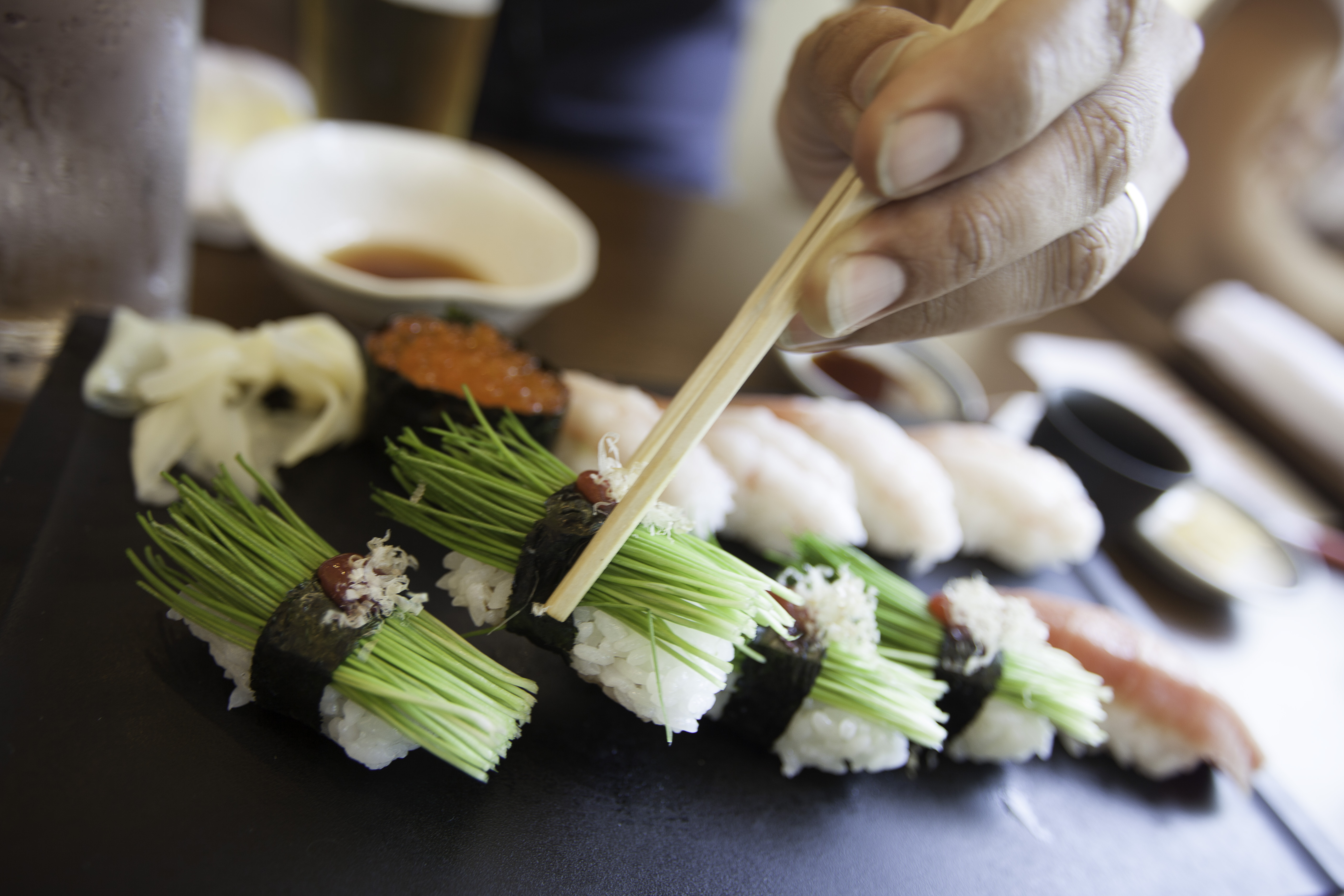
Japan turns meals into an art, and it's exactly why food lovers plan entire trips around it. A big part of what makes eating in Japan so memorable, is that it's not only just about eating. You can be sitting at a sushi counter and watching each piece being made in front of you, slurping ramen in a solo booth, or squeezing into a tiny standing-room izakaya with locals after work – and each of those meals become a story to tell.
Japanese cuisine is an open book, it doesn't taste the same everywhere you go. Osaka is loud, casual, and street-food obsessed. Kyoto is quieter and more traditional, built around refined multi-course kaiseki meals. Up in Hokkaido, it's all about seafood freshly pulled straight from cold northern waters. The only way to really taste the versatility of Japan is to keep moving from region to region — which is a pretty good excuse to travel across the country, or return for seconds.
Sushi: Vinegared rice topped or wrapped with fresh fish and a touch of wasabi. Watching it made piece by piece at a Tokyo counter feels less like a meal and more like a performance.
Ramen: Rich broth (tonkotsu, miso, shoyu, shio — take your pick) over springy noodles, pork, and a soft-boiled egg. Every region has its own bowl, and locals will debate about which is best.
Wagyu Beef: Famously marbled beef from cattle raised with care. Grilled hibachi-style or seared tableside, one bite explains the hype as it melts in your mouth.
Tempura: Vegetables and seafood in a featherlight batter, fried crisp and never greasy. Simple in theory, but requires precision and skill.
Mochi: A pillowy soft sweet treat made from glutinous rice called mochigome, often stuffed with sweet red bean or fruit. A classic grab-and-go treat that never goes wrong.
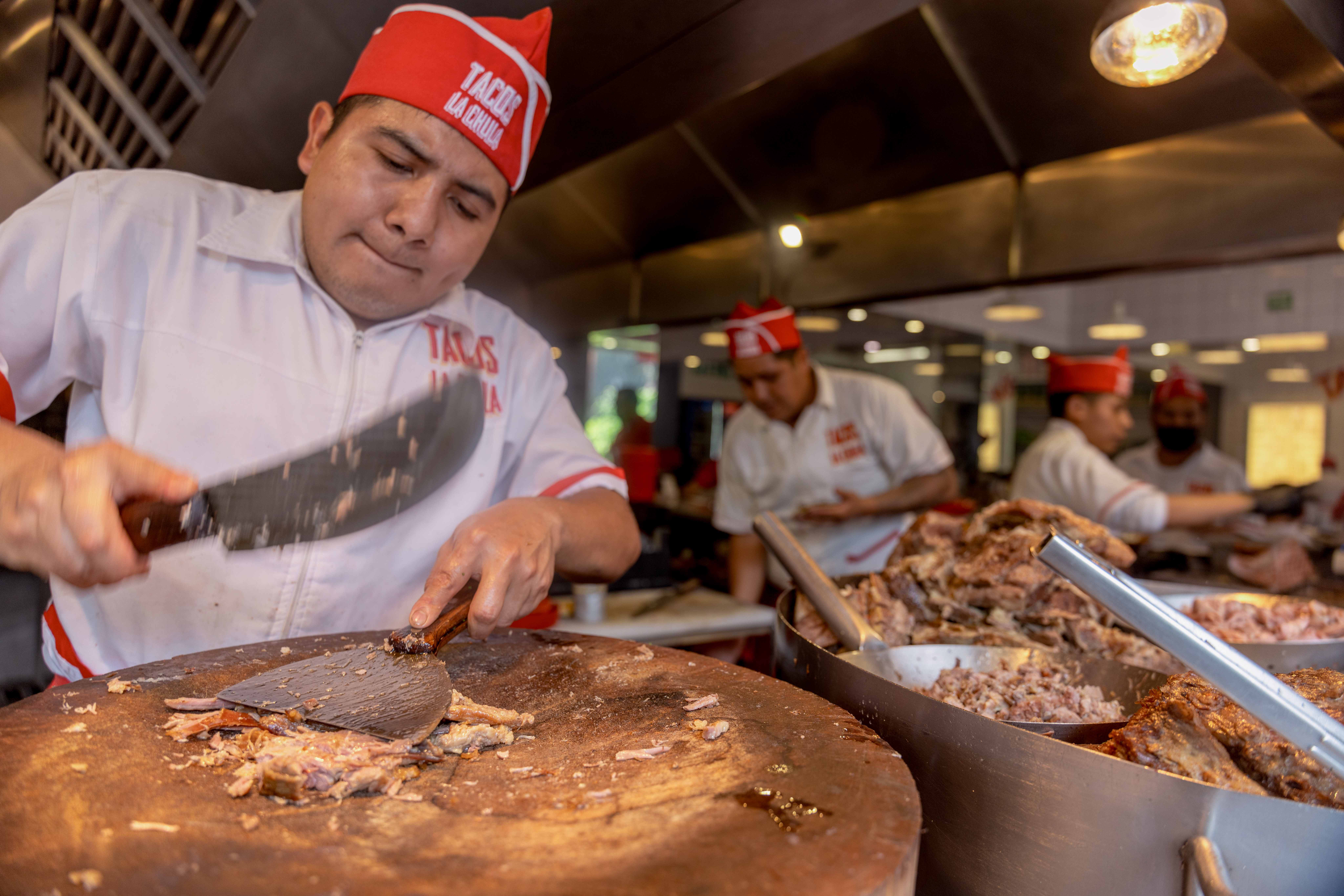
In Mexico, the best meal of your trip may not be at a formal restaurant — it'll be standing on a street corner, plate in hand, next to a local who's been coming to the same taco stand for decades. Food in Mexico isn't dressed up to impress anyone; it's honest, bold, and built to be shared, which is exactly why travellers keep coming back for it.
The boldness of this cuisine has deep roots. Corn (maize), chili, beans and cacao have shaped Mexican cooking for thousands of years and that history lies on every plate to this day. You're not just eating a taco with beans, corn and chili on top. You're eating a tradition that's had centuries to perfect.
And Mexico, like most places worth travelling for, doesn't taste the same everywhere. Oaxaca is known for its rich, complex moles and smoky mezcal. The Yucatán is Mayan-influenced, shaped by centuries of local tradition that infuses citrus and smoky elements. Mexico City is street food galore, a place where you could eat tacos from a different stand every night for a month and still have more to try.
More than anything, eating in Mexico comes in hand with socializing and connecting. Meals spill out onto sidewalks, market stalls double as gathering spots, and strangers strike up conversations over the same smoky red table sauce, salsa roja. It's food built for sharing — with family, with friends, or with whoever happens to be standing next to you in line. That's the kind of meal you don't forget.
Birria: Perfectly tender, slow-cooked lamb, beef or goat, marinated in a blend of spices and earthy chilis. It’s braised for hours for maximum flavour and served swimming in its own juices that bleed together in unity.
Tacos al Pastor: An iconic Mexican street food, with thin, melt in your mouth, slices of marinated pork, topped with onions, pineapple, and cilantro on a warm corn tortilla. It’s bold, bright and bursting with flavours making it impossible to eat just one.
Churros: The ultimate sweet treat, perfect for any time of day. A star-shaped fried dough, crispy on the outside, offering a perfect crunch but airy and soft on the inside. Rolled in cinnamon sugar, and sometimes filled with chocolate or dulce de leche.
Tamales: A staple in Mexican households — made from corn dough (masa), wrapped tightly in a banana leaf or corn husk, then steamed until firm to the touch. The filling is a savoury mix of meats, cheeses, and chiles. Sweet versions exist too, filled with a mix of fruits and spices of your choice.
Mole: A rich, complex sauce made from dozens of ingredients — literally — chilis, spices, nuts, and a touch of chocolate. Simmered together for hours until it's deep, dark, and rich. Poured generously over chicken or enchiladas, it turns a simple plate into something unforgettable.
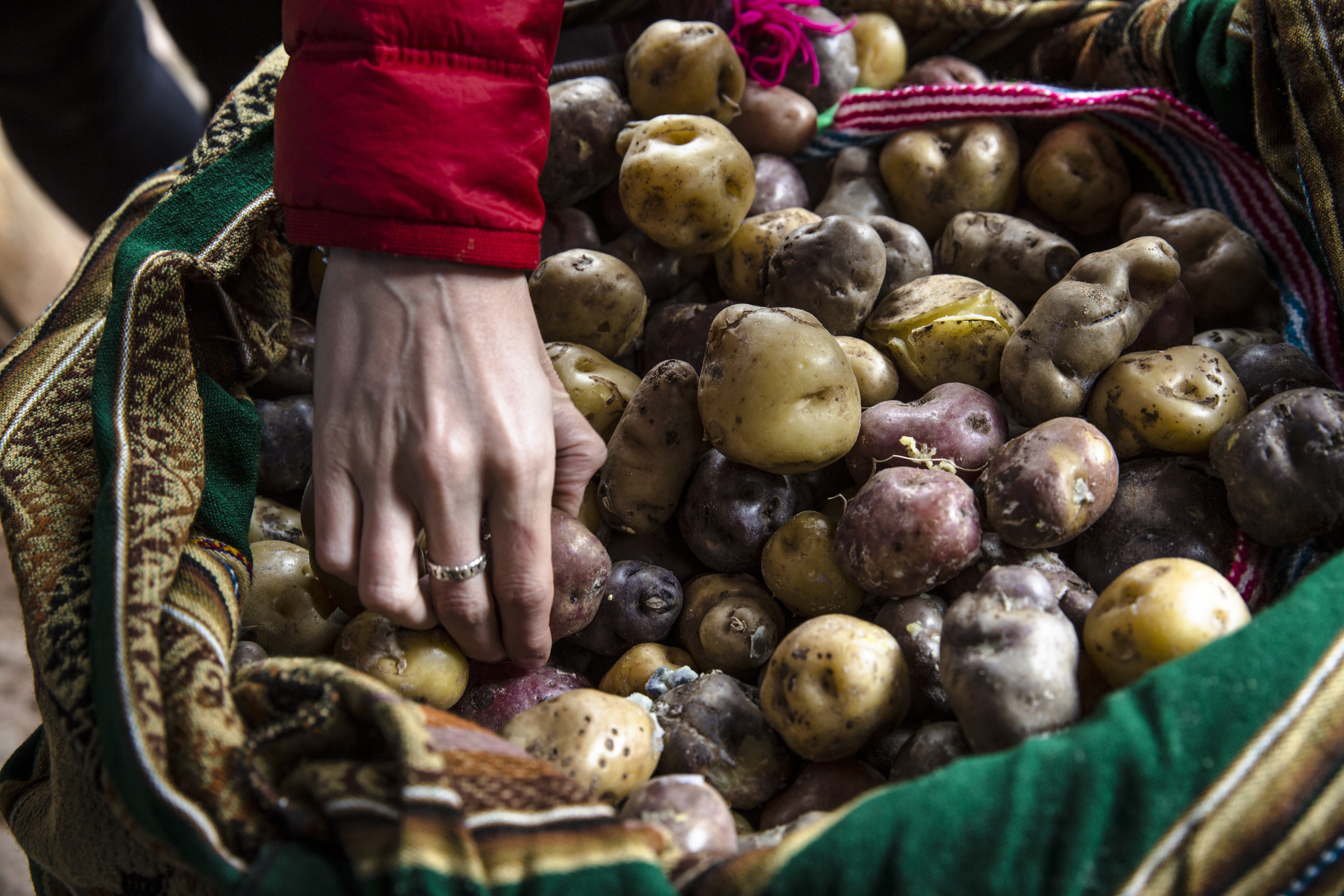
Peru might have the most biodiverse pantry on earth. This is the land of the potato, with over 4,000 varieties native to Peru alone — purple, pink, speckled, and some no bigger than a marble. It doesn't stop there, either; hundreds of types of corn are grown here too. Consider the Pacific coast for fresh seafood, produce grown high in the Andes, and fruits found nowhere else in the world but the Amazon Jungle, and you've got three completely different ecosystems feeding into the same kitchens.
That raw diversity is only half the story, though. Over the centuries, Peruvian food absorbed influences from Incan and Indigenous roots, Spanish colonizers, enslaved African communities, as well as Chinese and Japanese immigrants. Chinese immigrants began arriving in 1849 to work on coastal plantations, in mines, and on railroads, bringing rice, soya sauce, green onions, scallions, and ginger with them. Japanese immigrants followed by the end of the century. Both communities adapted their home cooking styles to Peruvian ingredients out of necessity at first, but then eventually became a permanent part of Peru's identity. A cross-cultural blend of flavours.
That's how Chifa (Peruvian-Chinese) and Nikkei (Peruvian-Japanese) were born — cuisines that only exist in Peru. Nikkei in particular makes sense once you notice that Japanese and Peruvian food share a lot in common — both have dishes around fresh raw fish, whether it's sushi or ceviche.
This is exactly why Peru has become one of the most talked about food countries on the planet – the cultural food influences are unmatched.
Ceviche: Fresh, raw fish cured in lime juice, tossed typically with red onion, cilantro, and chili. Light, bright, and widely considered Peru's national dish — best eaten fresh, right by the coast it came from.
Lomo Saltado: Stir-fried beef strips, onions, yellow peppers and tomatoes, tossed with a soy sauce and vinegar mixture — served over crispy fries and rice. A double-carb combination. An example of Chifa cooking.
Anticuchos: Skewered, charred, grilled beef heart marinated in vinegar and spices to give a deep and savoury palate. Eat it fresh and hot off the grill and pair with yellow potatoes and corn as local sides.
Causa Rellena: Cold layers of smooth, mashed yellow potatoes. Slightly seasoned with fresh lime and chili. Between the layers of potatoes are avocado, chicken or tuna. It’s cool, creamy, and a small appetizer or light snack to enjoy between meals showcasing just how much Peru can do with a single potato.
Pisco Sour: No trip to Peru is complete without one of these. Peru's signature cocktail — composed of pisco (a grape brandy), lime juice, egg white, and a dash of bitters, shaken until a velvety, rich foam occurs. Not a meal, but pairs iconically with any dish you try.
From steaming bowls of pho in Vietnam, to Lima's ceviche stands, one thing is clear: the best meals rarely come from a menu translated for tourists.
They come from the street stall with the longest local line, family recipes passed down to younger generations, and hidden gem counters where the chef has spent a lifetime perfecting a single dish.
Food this good is worth building a trip around — and honestly, it's one of the best excuses to go. So the next time you're planning where to travel next, let your stomach lead the way. Chances are, it already knows exactly where to go.