
Poonam Binayak
Freelance writer
Freelance writer
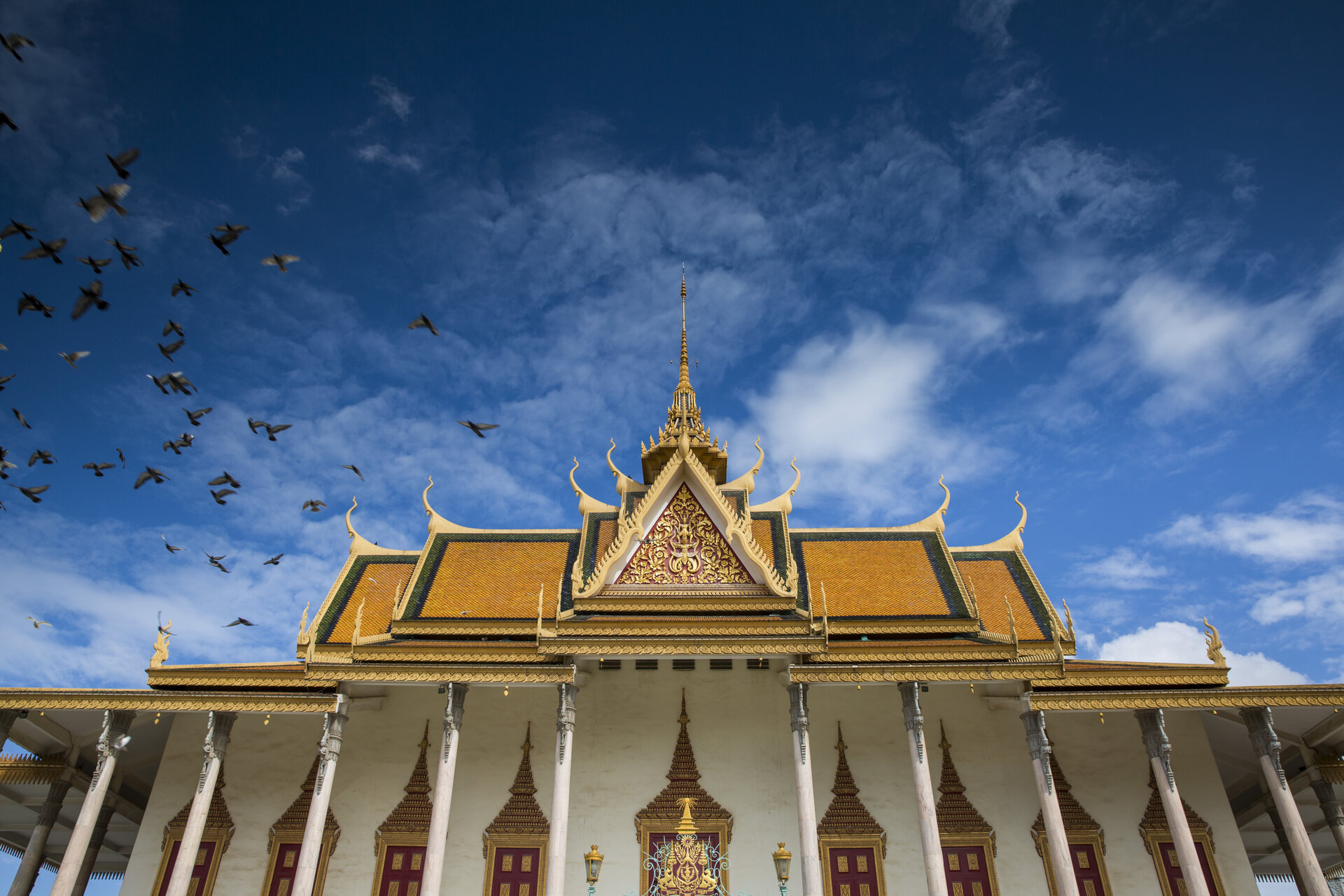
Angkor Wat gets top billing in Cambodia, but it’s only the opening act. The temples of the Khmer Empire are every bit as astonishing as the photographs suggest, yet the country has plenty more in store: the riverside capital, Phnom Penh, colonial-era Battambang, the pepper farms around Kampot, the island beaches of Koh Rong, sunrise boat rides through the jungle of the Cardamom Mountains, and rare Irrawaddy dolphins in the Mekong near Kratie. Cambodia is easy to love, and even easier with a bit of planning. Get the basics sorted now, and you can spend your energy on the good stuff.
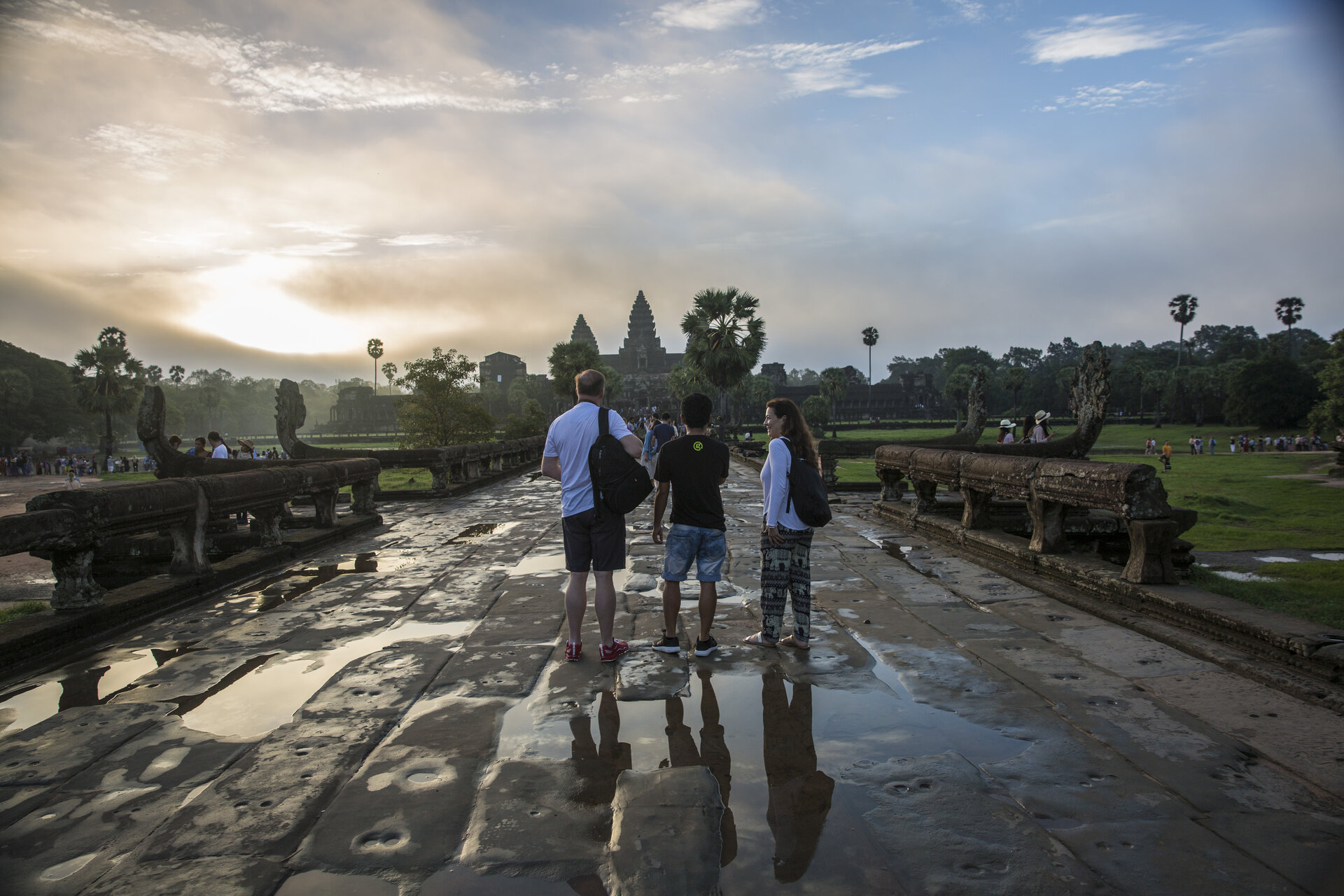
Cambodia has two seasons: dry and wet. The dry season, from November to April, is the crowd-pleaser, with sunny skies, lower humidity, and easy travel. November to February is the coolest stretch, and also the busiest. From March to May, the heat builds, with daytime highs of 35°C to 40°C (95°F to 104°F).
If you fancy some revelry, time your visit for mid-April, when Khmer New Year turns the streets into one giant water fight. Join in and expect to get soaked.
The wet season runs from roughly May to October, with the heaviest rain in September and October. Expect short, heavy downpours, greener countryside, thinner crowds, and better hotel deals. A strong El Niño is forecast to last until around February 2027, so check the forecast before you fly.
Citizens of Canada, the US, the UK, Australia, New Zealand, India and most of Europe need a visa. Apply for an e-visa at evisa.gov.kh, the official site. Processing takes about three business days, so apply at least a week ahead. A tourist e-Visa costs USD 30, plus a small processing fee, and covers a 30-day stay that you can extend once. Overstay and you’ll pay a fine for every extra day, so keep an eye on your dates.
Alternatively, you can get a visa on arrival at the international airports (Cambodia has three: Techo International in Phnom Penh, Siem Reap-Angkor International and Sihanoukville International), and main land crossings. Bring a passport-size photo, and note that e-visas are accepted only at certain entry points, so if you are crossing overland, check the list on the official site first. At land borders, pay the official fee in exact US dollars and politely refuse any surprise extras.
If you’re flying in, you’ll also need to fill out the free e-Arrival Card at arrival.gov.kh (or via the official app) within the seven days before you land. It produces a QR code for immigration officers to scan, so save it to your phone and take a screenshot in case the signal is patchy.
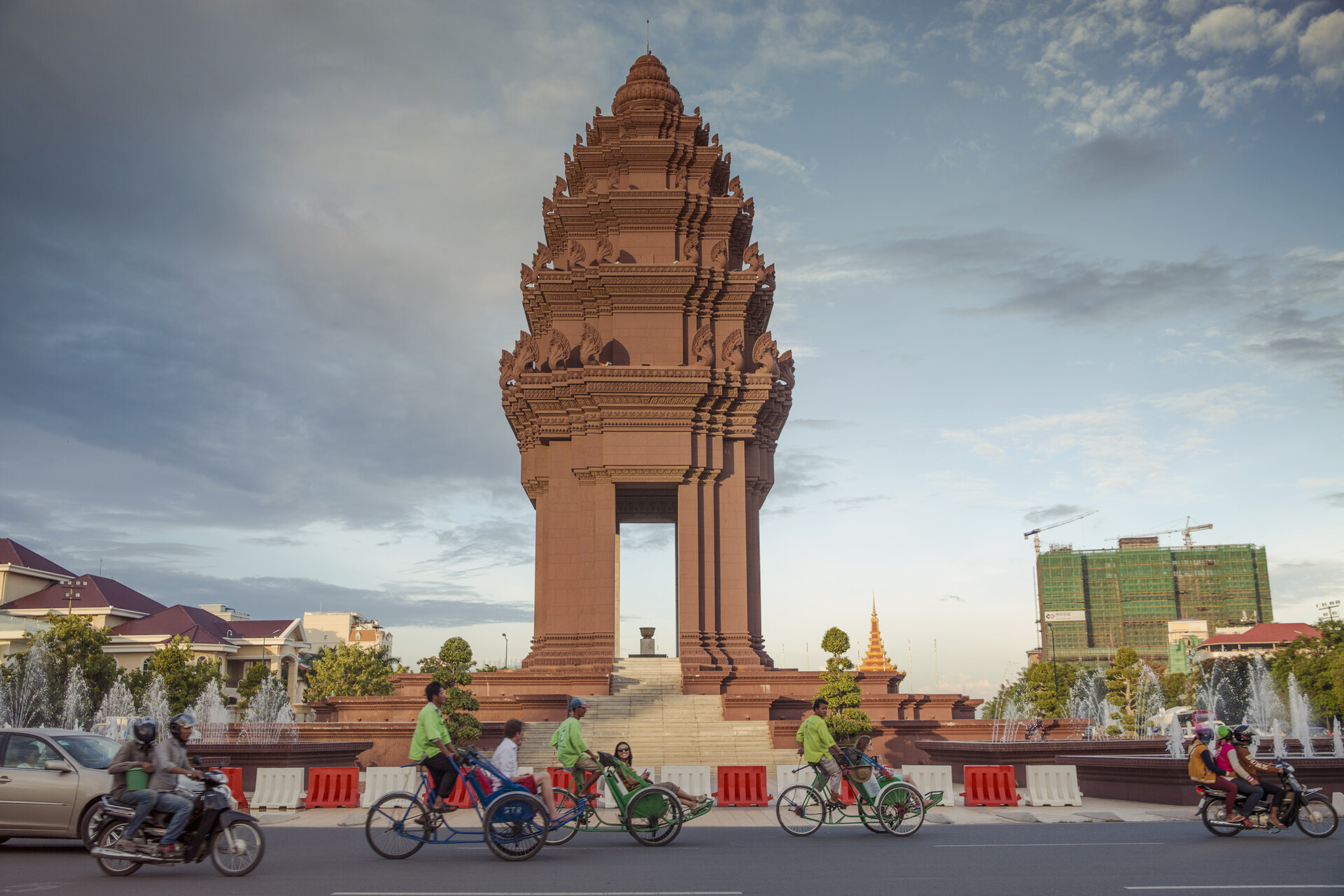
Once you land, getting around is easy. In Phnom Penh and Siem Reap, the tuk-tuk, a motorbike-drawn carriage, is your go-to, whether you’re zipping across town or spending a full day touring the Angkor temples. Agree on the price before you climb in, or book through Grab or PassApp for a set fare. Moto taxis (motodups) cost even less, usually USD 1 to USD 2.
For longer journeys between cities, take a bus. Book through BookMeBus app or website, and keep your valuables with you instead of in the luggage hold.
If you prefer to explore at your own pace, book a car, which usually comes with a driver and costs roughly USD 40 to USD 60 a day, plus fuel. You can also rent a motorbike in the main tourist towns from about USD 5 a day. Check the bike’s condition first, and make sure your travel insurance covers riding and that you hold the licence it requires.
The riel (KHR) is the official currency, but US dollars are accepted everywhere, at roughly 4,000 riel to USD 1. Carry plenty of small bills, and keep them crisp, as torn, taped or marked notes are often refused.
ATMs are easy to find in cities and larger towns, and scarcer elsewhere. Most dispense US dollars and charge a fee of a few dollars per withdrawal on top of whatever your bank adds. Cards work at hotels and bigger restaurants, but cash is king at markets, where bargaining is expected, so keep it light and friendly.
Tipping is not compulsory, although it is customary for guides and drivers on organised tours. Elsewhere, rounding up or leaving a dollar or two is a kind gesture.
Heading to Angkor? Buy your pass only from official sources: https://www.angkorenterprise.gov.kh/en or the ticket centre in Siem Reap. The ticket prices are USD 37 for one day, USD 62 for three days (use them within seven days) and USD 72 for seven days (use them within a month).
Cambodia requires no vaccines on entry beyond proof of yellow fever vaccination if you're arriving from a country where the disease is present. Even so, routine shots, hepatitis A and typhoid are commonly advised, while hepatitis B, tetanus and diphtheria, rabies and Japanese encephalitis may be recommended depending on your route and how long you stay.
Dengue is a risk throughout the country, so use insect repellent and cover up. Drink bottled or filtered water, stick to food that’s freshly cooked and served hot, and pack hand sanitiser and rehydration salts.
Medical facilities are limited outside Phnom Penh and Siem Reap, and serious cases may need evacuation to Thailand or Singapore. That’s why travel insurance is a must. Choose a policy that covers medical evacuation and any adventure activities you have in mind. World Nomads and SafetyWing are popular providers.
Cambodia is a welcoming country, but as anywhere, stay alert. Thieves on motorbikes sometimes snatch phones and bags, particularly around Phnom Penh’s riverfront, Siem Reap and Sihanoukville. To stay ahead of them, wear a cross-body bag on the side away from the road and keep your phone out of sight while walking.
A few habits also keep scams at bay. When you pay in dollars, your change often comes back in riel, and some vendors shortchange you or use a lower rate than the usual 4,000 riel to USD 1, so do the quick maths before you walk away. If a friendly stranger invites you to a card game or asks you to follow them somewhere, politely decline, because scammers stage these set-ups to empty your wallet. Book tours through your hotel or a licensed operator, since touts and fake guides may steer you to shops where they earn a commission. Skip rides from strangers, and avoid isolated areas.
Cambodia is also one of the most heavily mined countries in the world. In rural areas, stay on paved roads and marked paths, and don’t wander into fields or forest without a local guide. Drug penalties are severe, so steer well clear.
Save these emergency numbers in your phone before you set out: police 117, fire 118 and ambulance 119. The national police also run a Rapid Response Team for Foreigners on 031 201 2345 or 031 601 2345.
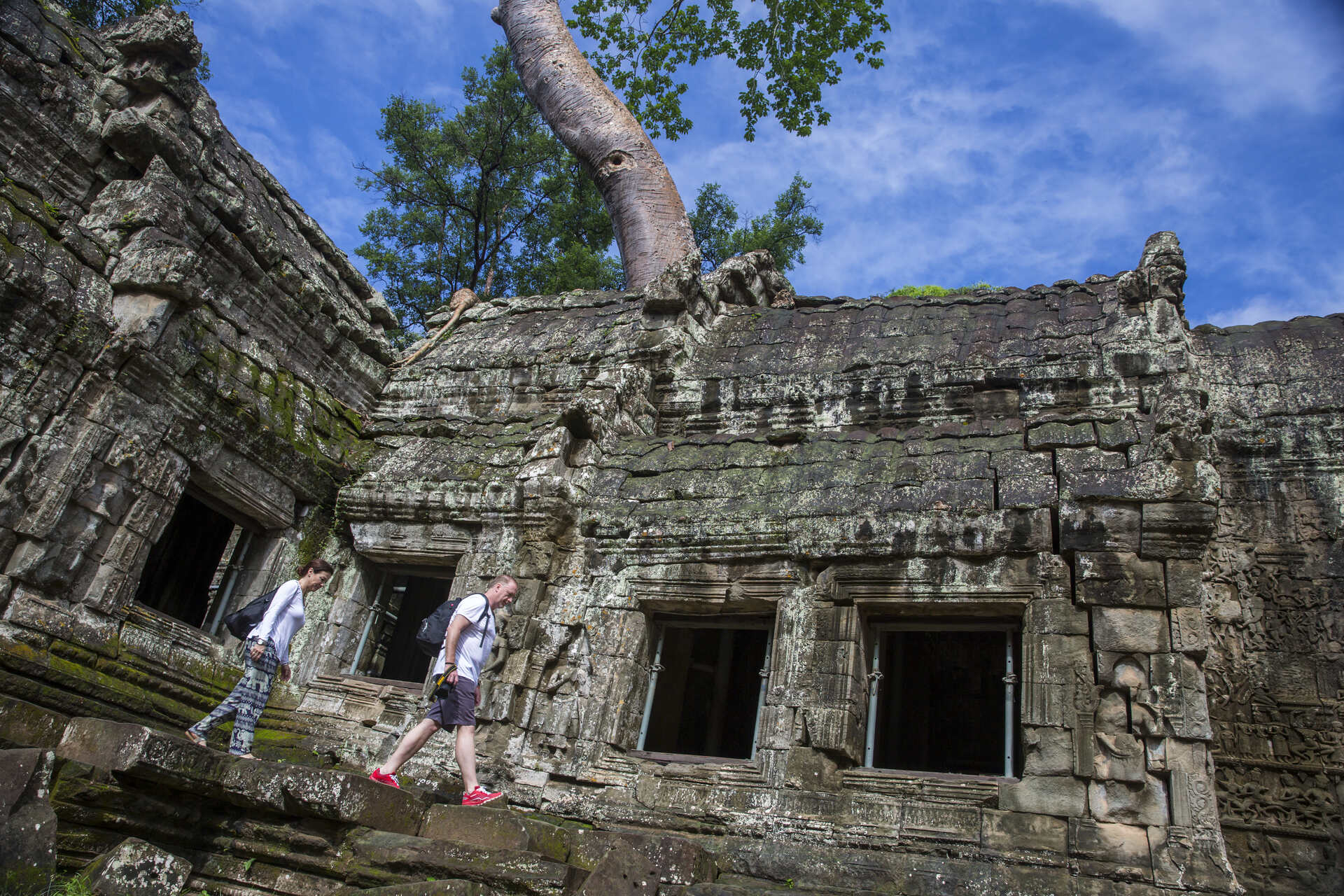
Cambodian people are generous hosts, and a little politeness goes a long way. At temples, cover your shoulders and knees, skip tight or revealing clothes and T-shirts printed with images of Buddha, and take off your shoes and hat before going inside. Buy a krama when you land, the checked cotton scarf you’ll see on nearly every Cambodian. It keeps the sun off your neck and doubles as a quick cover-up.
A few Khmer words also earn big smiles. Greet people with a sampeah, pressing your palms together near your chest with a slight bow. Suasdei is an easy hello, and orkun means thank you. Soum toh means sorry or excuse me, and ot te is a handy “no, thanks” for persistent tuk-tuk drivers.
Hand over money and gifts with your right hand or both hands, never the left alone, since the left hand is traditionally considered unclean. Likewise, the head is sacred and the feet are not, so avoid touching anyone’s head and never point your soles at people or Buddha images.
Cambodia is a conservative country, so keep public displays of affection to a minimum. Ask before photographing people, monks included, and skip orphanage visits and elephant rides.
Pack light, loose clothing, a rain jacket for May to October, sunscreen, insect repellent and a reusable water bottle. Cambodia runs on 230V, with a mix of US-style and European sockets, so bring a universal adapter.
On arrival, grab a local SIM at an airport kiosk, where staff can set it up for you or get it from an official store of a major provider (Metfone, Smart, or Cellcard). Tourist SIMs cost USD 3 to USD 10, depending on data. Metfone tends to reach furthest into rural areas, while Smart and Cellcard are strongest in cities. Bring your passport to register. If you would rather be connected the moment you land, buy an eSIM plan online and set it up before you fly.
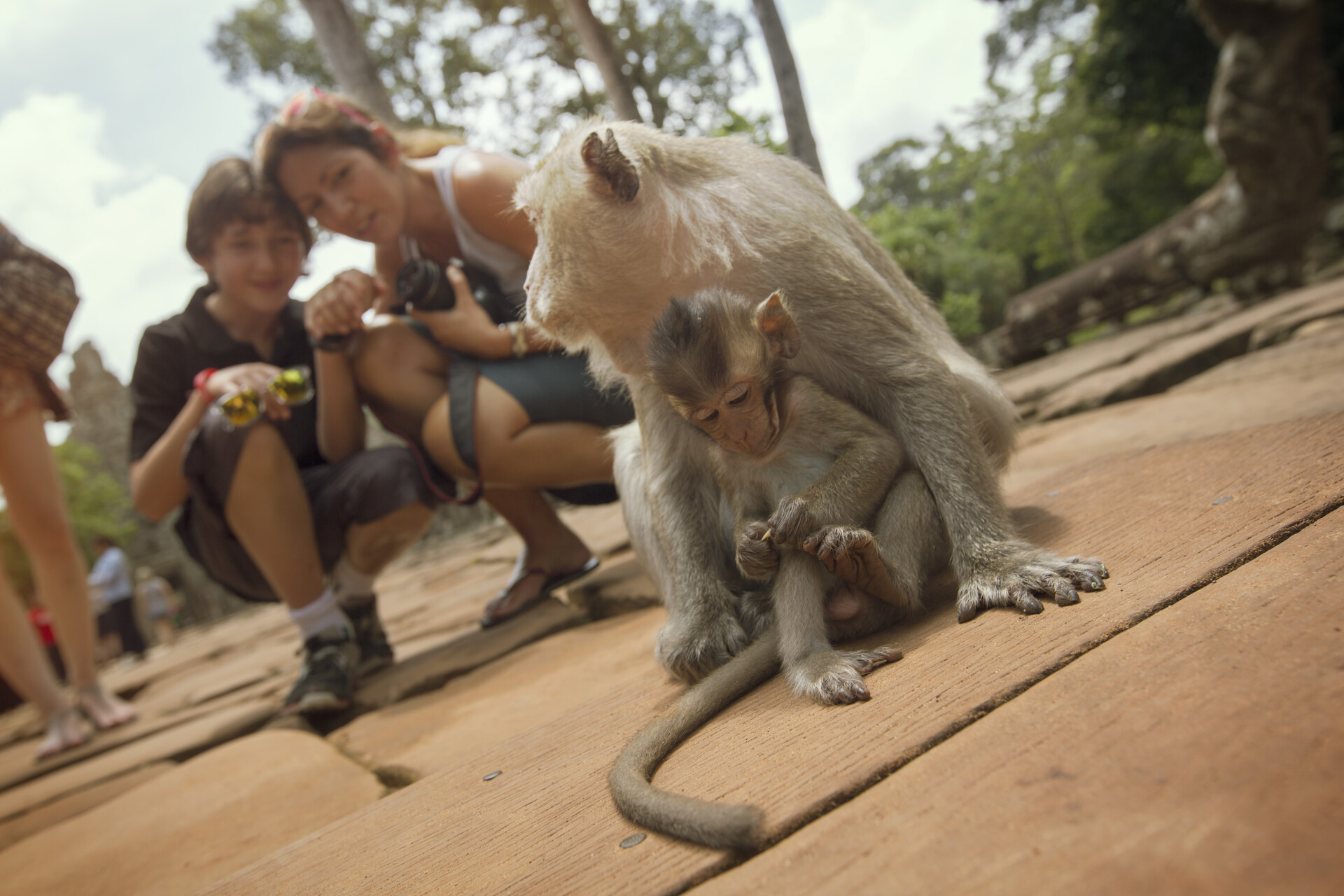
Prefer local experts to handle the logistics? The 14-day Ultimate Cambodian Adventure runs from Phnom Penh to Battambang, Siem Reap, Mekong dolphin country around Kratie, Kampot, and a private beach on Koh Rong – a good fit if you want a full sweep of the country. Travelling solo? Sign up for this 10-day Solo-ish Cambodia tour.