
Ellena Kkolos
Freelance writer
Freelance writer
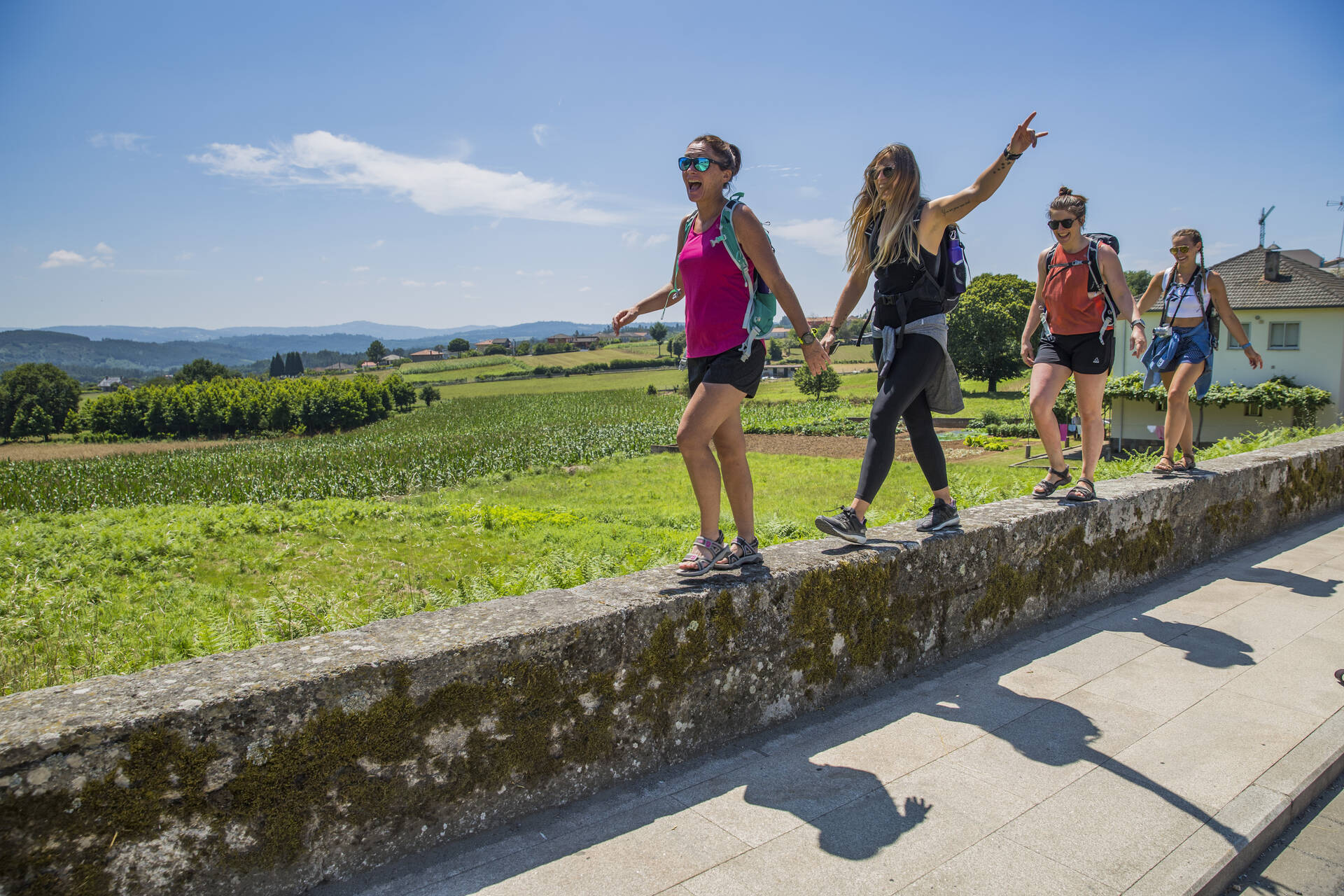
Thinking about hiking the Camino de Santiago? The good news: you don’t need to disappear for six weeks, or develop calves of steel overnight. There are multiple Camino de Santiago routes, from the famous French Way to coastal paths and shorter sections that can be walked in a week. Here’s how far you can expect to walk, how long the different routes take, what you’ll eat along the way, and how to plan your own Camino itinerary.
And then there’s the small matter of your Compostela: the official certificate awarded to pilgrims who meet the requirements. Because after all those kilometres or miles (depending where you're from), it’s rather nice to have a piece of paper to prove you didn’t simply spend several days wandering around Spain eating tortilla.
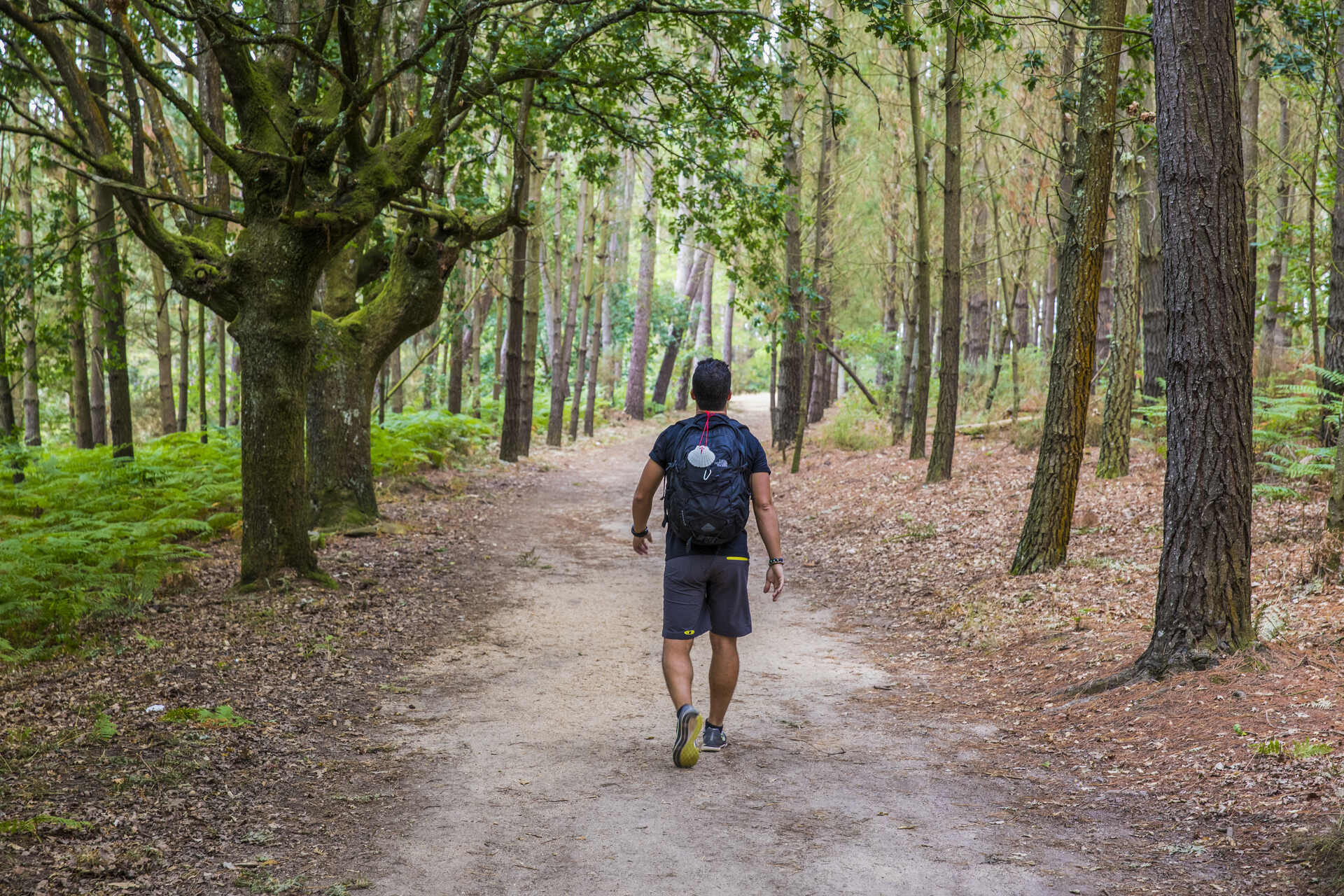
The Camino de Santiago, or ‘Way of St James’, is a network of pilgrimage routes leading to Santiago de Compostela in north-west Spain, where the cathedral is believed to house the remains of St James the Apostle. There isn’t one single Camino - several routes cross Spain and neighbouring countries, each with its own landscapes, food, towns, and level of challenge. You can walk for several weeks from the French or Portuguese borders, or simply tackle the final 100km (62 mi) into Santiago.
And despite its religious roots, you don’t have to be particularly devout to walk it. People take on the Camino for all sorts of reasons: spirituality, adventure, a personal challenge, time away from everyday life or, quite simply, because walking across Spain sounds like a pretty good way to spend a few weeks.
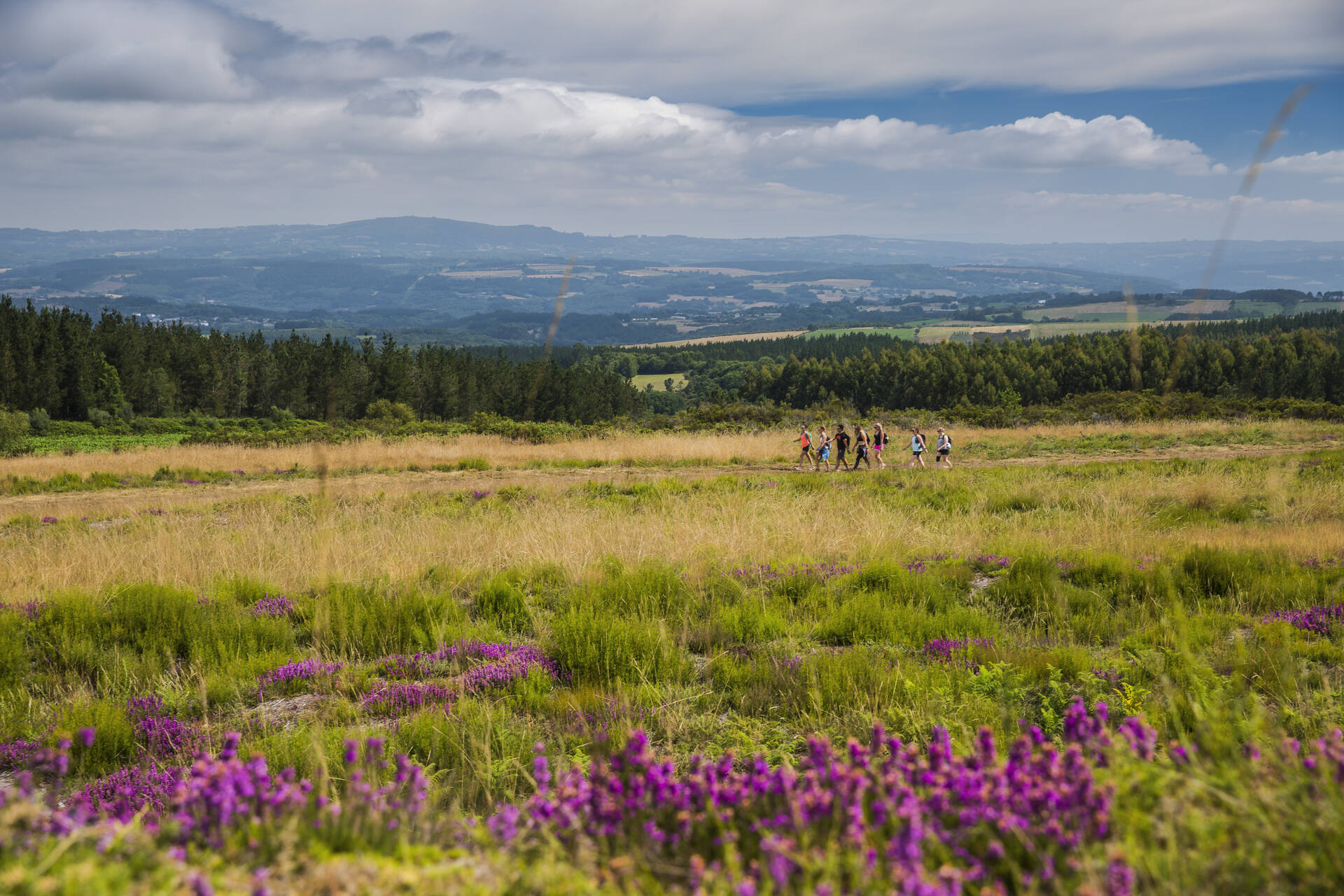
Choosing between the Camino de Santiago routes largely comes down to how much time you have, and what sort of walking you enjoy.
The Camino Francés, or ‘French Way’, is the best-known route, and the one most people picture when they think of the Camino. The Spanish section runs for around 800km (497 mi) from the Pyrenees in France to Santiago, passing through cities and towns including Pamplona, Logroño, Burgos, León, and Astorga. It’s a good choice if you want the classic experience, with plenty of pilgrim infrastructure, historic towns, and a strong sense of walking into the story of the route.
The ‘Portuguese Way’ heads north from Portugal into Spain. If you’re short on time, the Spanish section from Tui to Santiago is around 119km (74 mi), making it one of the more manageable options for earning the Compostela. There’s also a coastal variant, which follows the Atlantic for part of the journey - expect seafood, pretty towns, and plenty of opportunities to remember that Galicia is rather good at feeding hungry walkers.
The ‘Northern Way’ follows Spain’s northern coast from Irún towards Santiago. It’s a longer and more varied route, with sections through the Basque Country, Cantabria, Asturias, and Galicia. Choose this one if dramatic coastal scenery appeals more than following the most established pilgrim trail.
The ‘Primitive Way’ starts in Oviedo and joins the ‘French Way’ at Palas de Rei. It crosses mountains, forests, and valleys, and is generally considered one of the more demanding Camino routes. In other words, beautiful, rewarding, and probably not the one to choose if your main goal is a leisurely stroll between excellent lunch stops.
The ‘English Way’ is one of the shortest routes to Santiago. You can start in Ferrol, with around 112.5km (70 mi) to walk, or A Coruña, at around 73km (45 mi). The two routes meet at Bruma, before continuing towards Santiago. It’s a useful option if you want a taste of the Camino without committing several weeks to the journey.
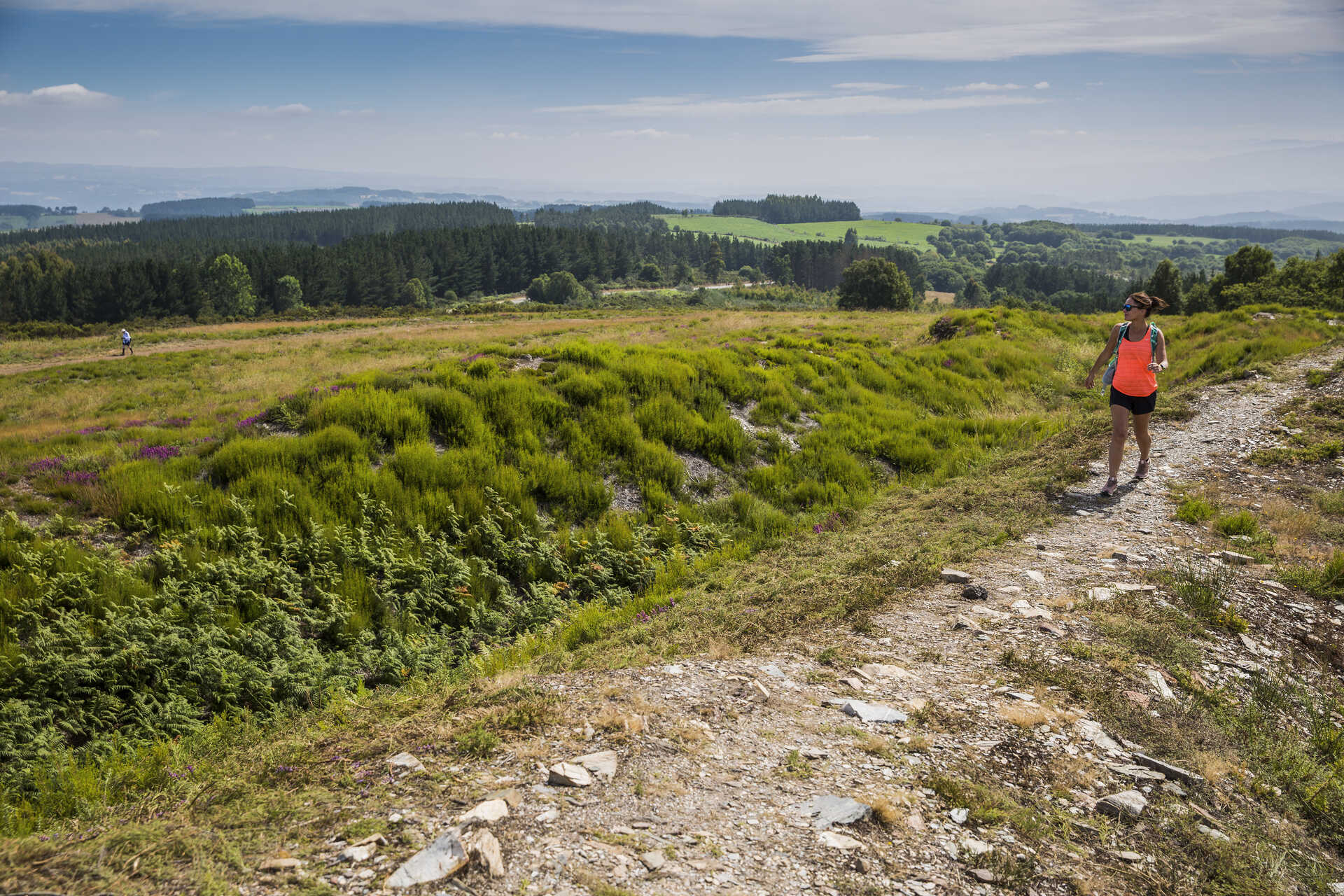
Most walkers cover around 20 to 30km (12.4 to 18.6 mi) a day, although there’s no official requirement to stick to that distance. For the full ‘French Way’, that usually means around five to seven weeks. But if that makes your annual leave disappear in a puff of smoke, don’t panic. Walking the final 100km (62.1 mi) from Sarria takes around five days of walking, depending on how you divide the stages.
The Sarria route is particularly popular because completing at least 100 continuous km (62.1 mi) on foot or horseback, or 200km (124 mi) by bicycle, can qualify you to receive the Compostela, provided you meet the other requirements.
A typical Camino day starts relatively early. You’ll walk for several hours, usually stopping for breakfast, coffee, and snacks along the way, before reaching your destination in the afternoon. The exact rhythm is up to you - some people like to get moving at sunrise and arrive early; others prefer a slower start, and a long lunch. The important thing is not to treat the route like a race. Twenty kilometres with a beautiful lunch, a swim, and an afternoon exploring a medieval town can feel very different from 20km (12.4 mi) spent staring at the back of someone’s backpack, while wondering if your feet will ever forgive you. Spain’s official tourism guidance recommends typical stages of around 20 to 30km (12.4 to 18.6 mi), but notes that they can be adapted to suit individual needs.
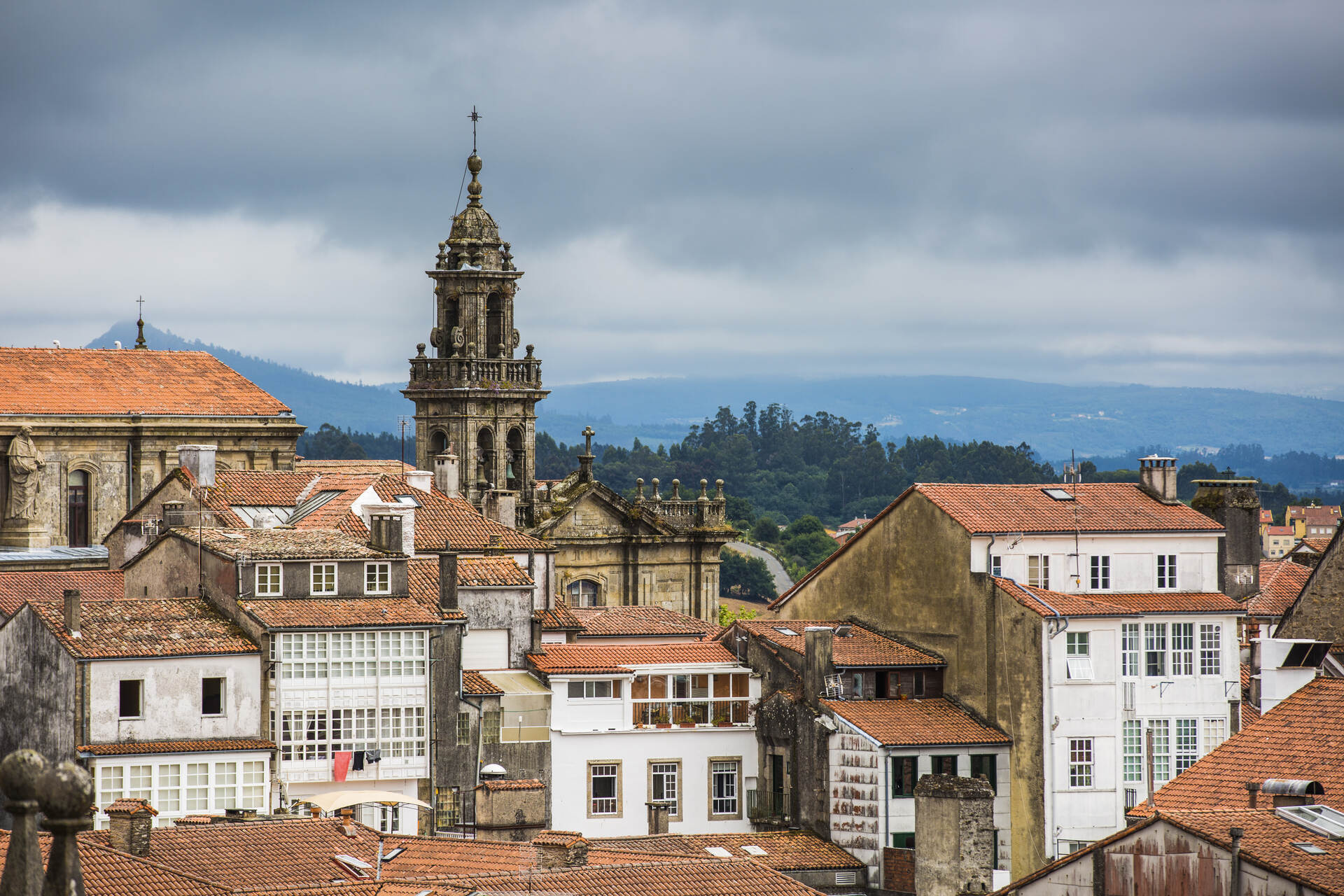
One of the joys of the Camino is that the walking connects a string of genuinely interesting places. Pamplona is a natural early stop on the ‘French Way’, famous for its historic centre and, of course, the Running of the Bulls. Logroño is another highlight, particularly if you like your pilgrimage with a generous side serving of Rioja and tapas.
Further west, Burgos is home to one of Spain’s great Gothic cathedrals, and is well worth allowing time to explore rather than simply treating it as somewhere to sleep. León brings more historic architecture, and some serious food credentials, while Astorga is known for its cathedral, Gaudí-designed Episcopal Palace, and connection to the Camino. And then there’s Santiago de Compostela itself. After weeks of walking, arriving in the old town and seeing the cathedral is likely to feel like considerably more than just reaching the end of a route.
Walking 20-plus km (12.4 mi) a day gives you an excellent excuse to take the food seriously. The Camino de Santiago food changes as you move through Spain, so eating your way along the route becomes part of the journey. In Castilla y León, look out for dishes such as cecina, cured beef, and regional specialities including morcilla. Around Astorga, the hearty cocido maragato is particularly famous - not exactly minimalist hiking food, but after a long day on your feet, that may be precisely the point.
Once you reach Galicia, things get even more delicious. Pulpo á feira - octopus served with paprika, olive oil, and salt - is a classic, while empanada, Padrón peppers, lacón con grelos, and fresh seafood all deserve space on the itinerary. And don't leave Santiago without trying a tarta de Santiago, the almond cake decorated with the cross of St James - consider it your edible certificate of completion.
You don’t need a restaurant spreadsheet to eat well along the Camino. Many towns have cafés, bakeries, bars, and restaurants geared towards pilgrims, so you can generally find something substantial without too much planning. In Galicia, look out for pulperías for octopus and traditional restaurants serving local specialities. Once you reach Santiago, head towards the Mercado de Abastos, the city’s main food market, then explore the surrounding streets and old town for restaurants and tapas bars. The best food to eat on the Camino de Santiago isn't necessarily the fanciest. A strong coffee, fresh bread, tortilla, or plate of pasta can be remarkably exciting when you've already walked 18km (11.2 mi) before lunch.
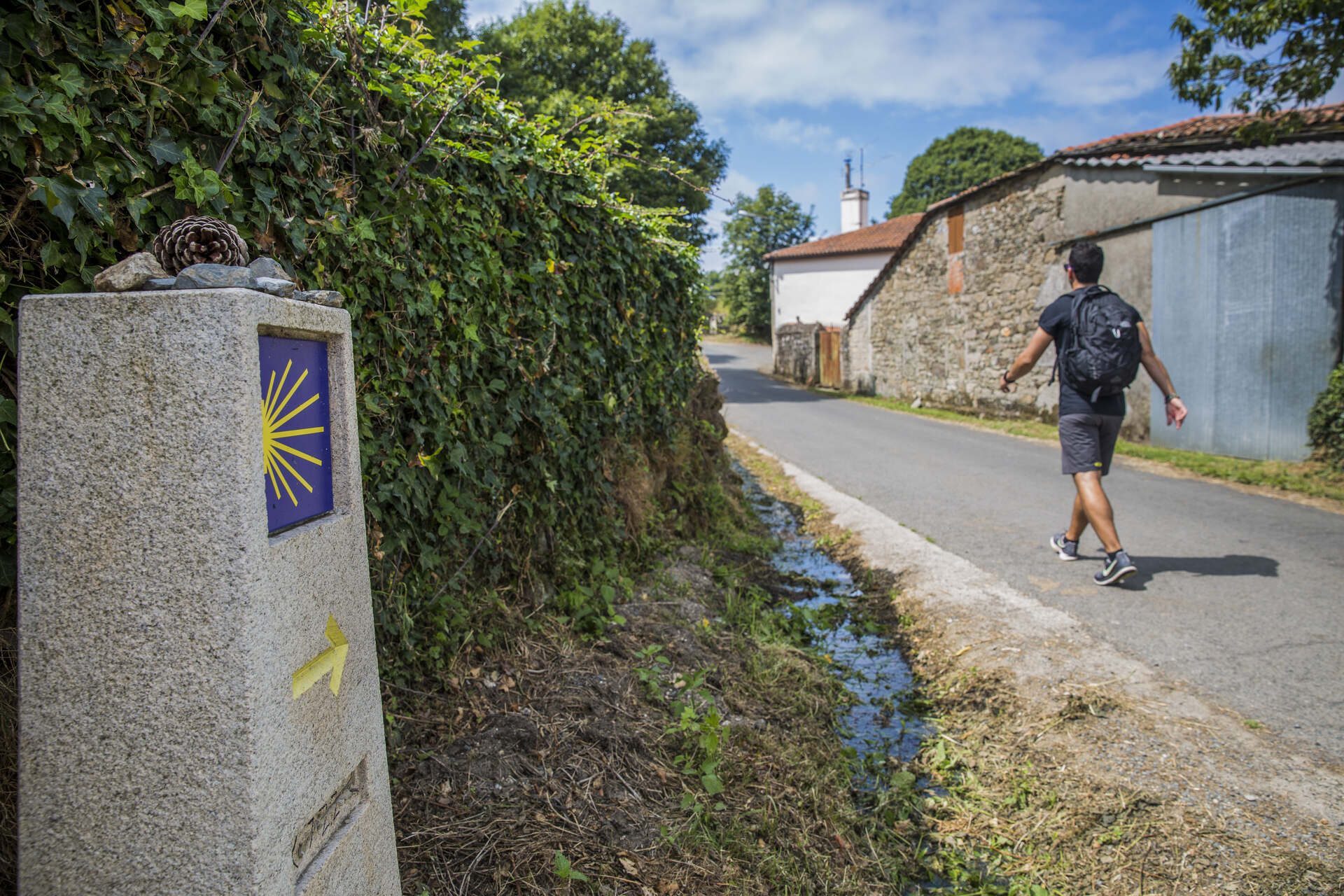
Start with the amount of time you actually have, rather than picking a route first, and then trying to make your annual leave behave. If you have three to five days, look at a shorter section such as the final stretch from Sarria or the ‘English Way’. Within a week, the Portuguese route from Tui gives you a manageable journey to Santiago. If you have several weeks, you can take on a much longer section of the French, Northern or Portuguese Ways.
Build in some flexibility, too. You’re walking through towns, villages and landscapes that are worth stopping for, and an unexpectedly beautiful square is a perfectly valid reason to arrive at your accommodation an hour later than planned. If you want the Compostela, check the current requirements before setting off, and make sure you have your pilgrim credential for collecting the necessary stamps.
Spring and early autumn are particularly good times to walk, with Spain’s official tourism board highlighting spring, and September to October as especially pleasant periods. Summer is also possible, although temperatures can make midday walking uncomfortable, particularly inland.
Whichever season you choose, start early when temperatures are higher, and carry enough water. The weather can vary considerably between regions, so check the forecast as you go rather than assuming the conditions you started with will stick around.
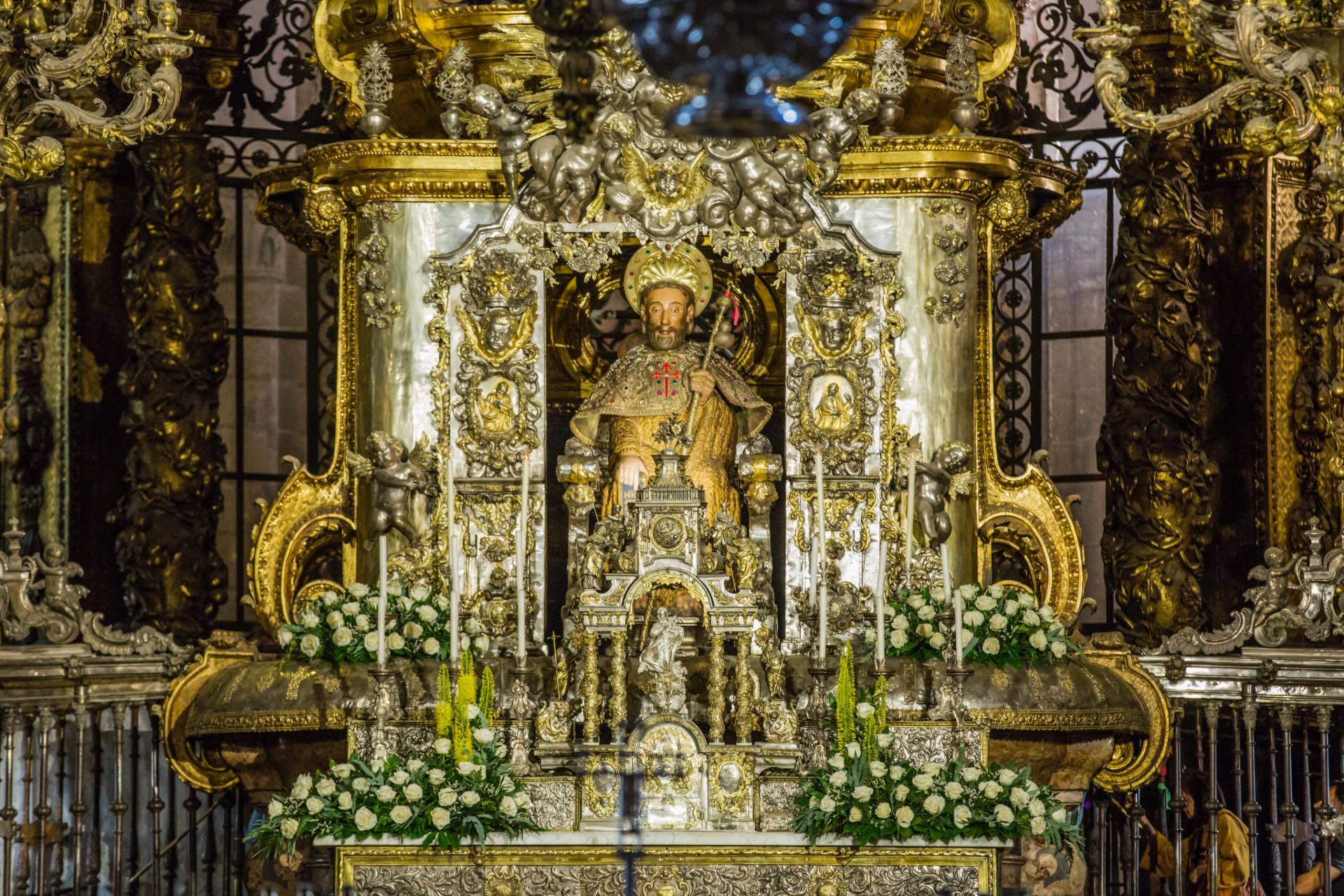
There’s no single answer to the best Camino de Santiago route - it depends on the experience you want. For the classic pilgrimage, the Camino Francés offers the most recognisable route and plenty of historic stops. For a shorter trip, the Camino Portugués from Tui or Camino Inglés can take you to Santiago in under a week. If scenery is your priority, the ‘Northern Way’ brings coastal landscapes, while the ‘Primitive Way’ offers a more challenging mountain experience.
Whichever you choose, remember that the Camino isn't just about getting to Santiago. The kilometres might get you there, but it's the cafés, conversations, unexpected detours, beautiful towns, and very well-earned meals along the way that you'll probably remember. And, naturally, arriving in Santiago with a serious appetite for tarta de Santiago.