TL
Tom Leonard
CEO, New Zealand
CEO, New Zealand
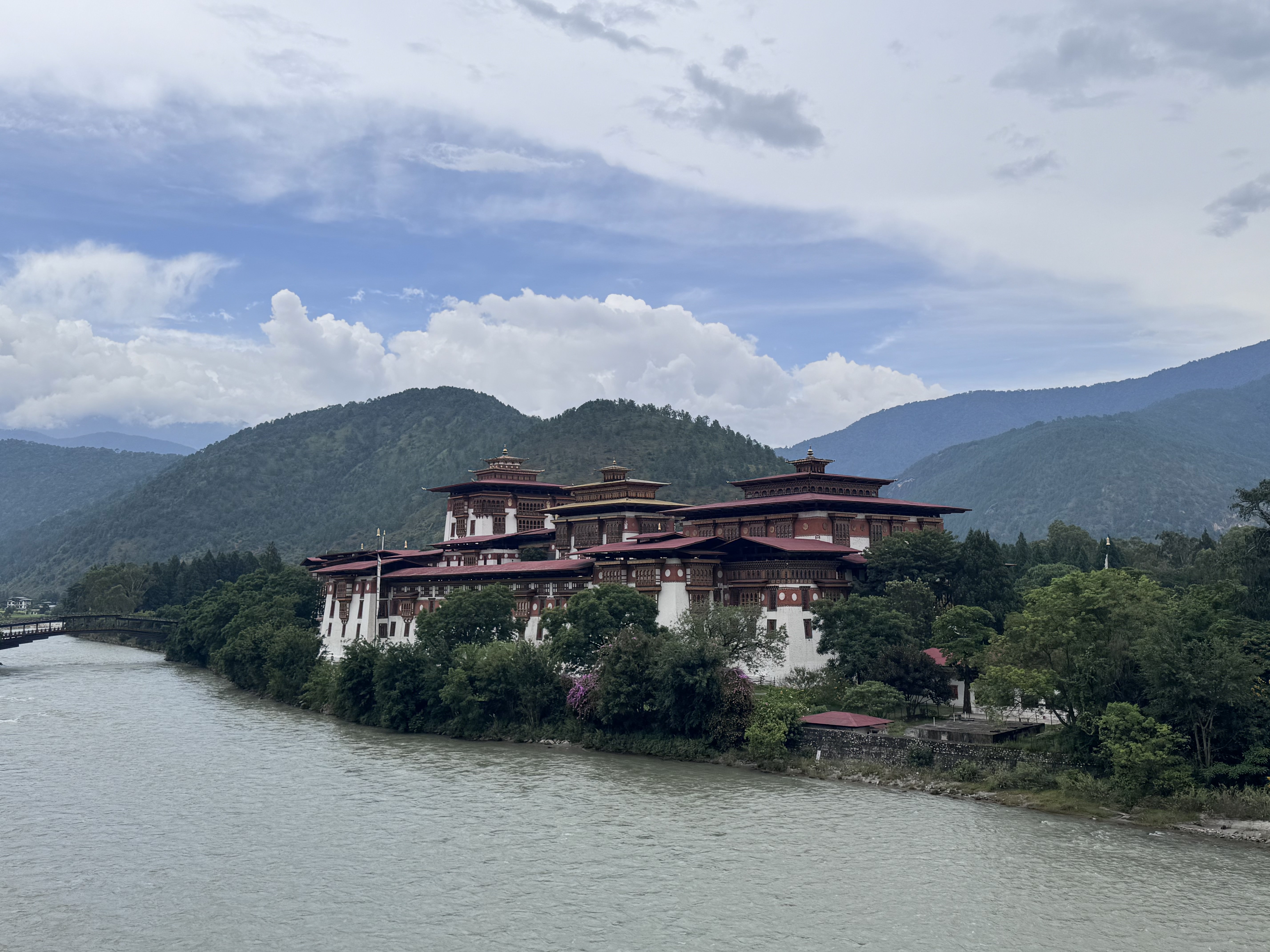
I thought I knew what the Trans Bhutan Trail would look like. We were in the Himalayas after all. I envisioned huge mountain panoramas, exposed trails and snow covered peaks dominating the horizon.
Over the years, I’ve learned that it can be more rewarding to arrive somewhere without knowing exactly what to expect. Of course, I do some homework, but I avoid researching every last detail. But perhaps this time I’d let my imagination get a little carried away. Bhutan has no shortage of mountains, and catching a glimpse of Mount Everest from my window seat – just 20 minutes before landing at Paro Airport – only reinforced the picture I’d already painted in my head.
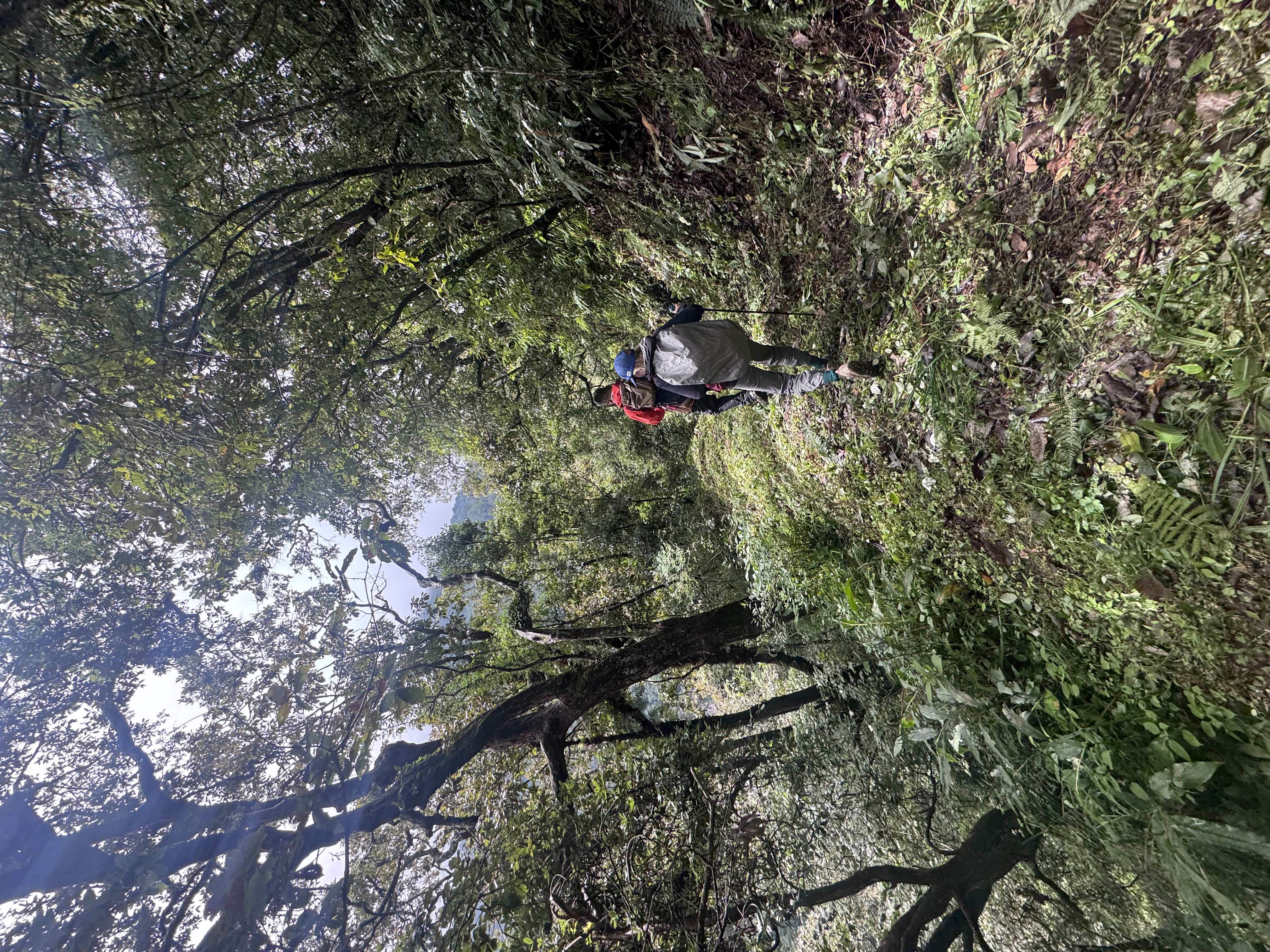
Several days into the ‘Camp the Trans Bhutan Trail’ tour, however, I realized that the landscape around me was telling a different story. We were walking through dripping rainforest, ducking beneath bamboo, sliding down muddy tracks, checking ankles for leeches and occasionally shouting into the forest to warn off the black bears. Bhutan was not quite the hiking experience I had imagined – it was better.
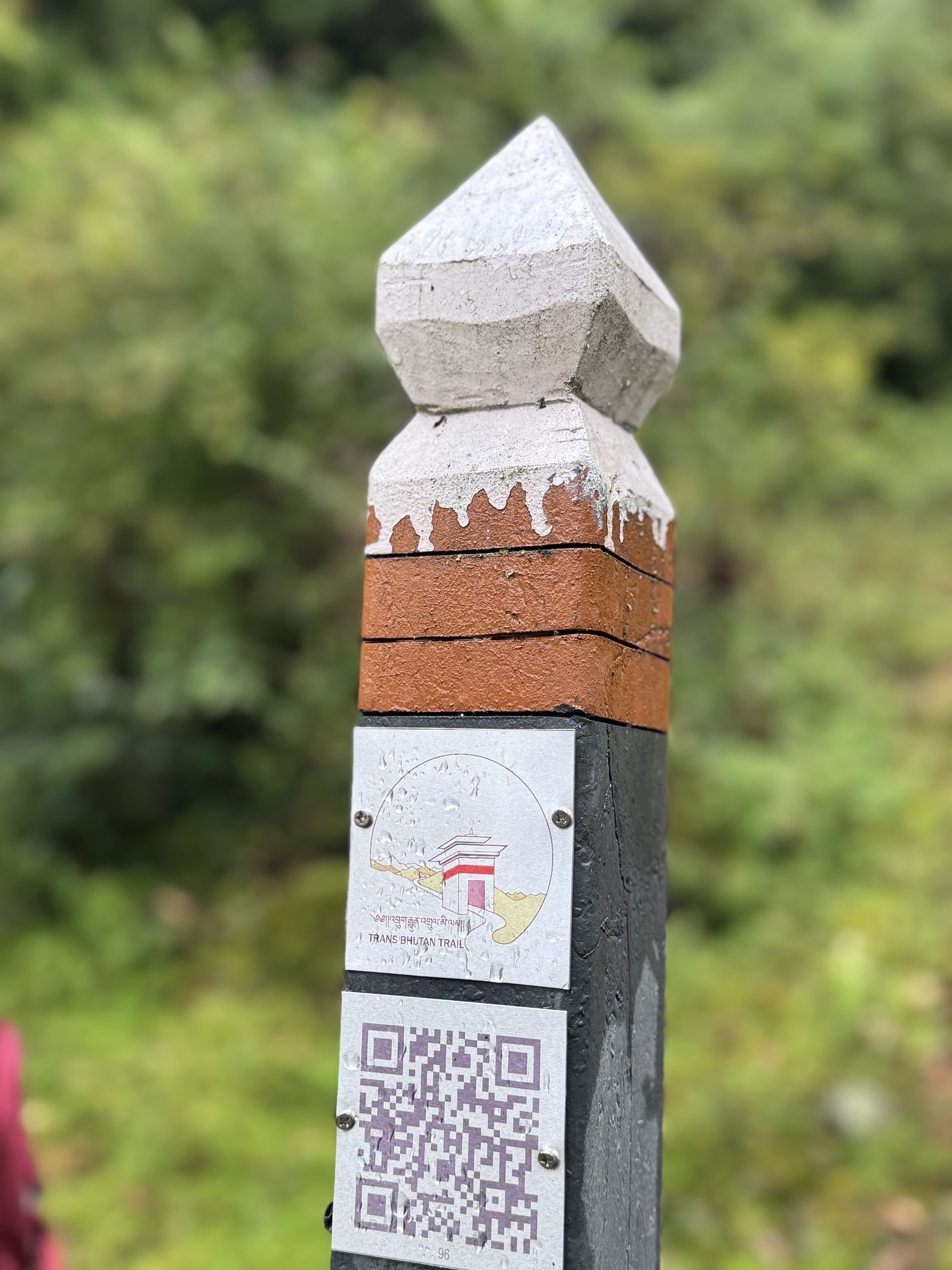
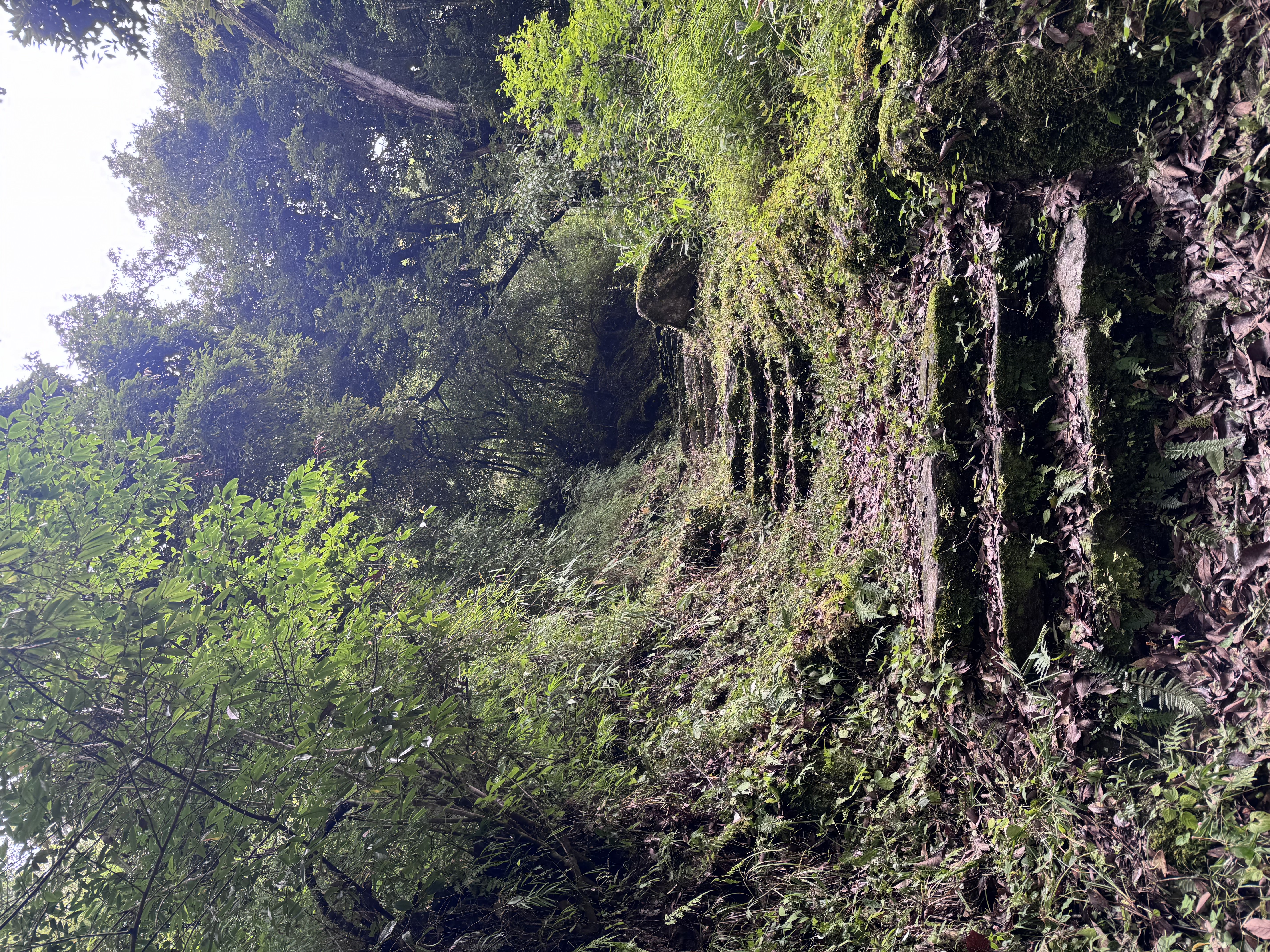
The Trans Bhutan Trail once formed an important connection between communities across the country, long before their road network developed. This tour follows sections of the historic route, mixing days on foot with monasteries, fortresses, villages, museums and some wonderfully long and winding drives through the mountain valleys.
As hiking trips go, distance is not necessarily the greatest challenge here. Some days are surprisingly short. However, the gradients, weather and trail conditions make those kilometres far more interesting. On our first section, wet leaves gave way to slippery clay as we climbed through the forest towards Dochula Pass and its famous 108 chortens. From this viewpoint, somewhere beyond the clouds were the Himalayas and we would have to take their word for it.
From here, we disappeared down the ‘Divine Madman’s Trail’ and back into the forest, where formal introductions were made to the famous residents of Bhutan’s forests, the leeches. Initially, every sighting generated alarm. We inspected ankles. We checked our socks. And somehow, by the following day they had become comic supporting characters. While they are generally harmless, watching something enthusiastically drink your blood is still an acquired taste.
Two days later, our CEO (Chief Experience Officer) announced that the day’s hike would be around three kilometres. Three? I’ll admit to initially being disappointed as it didn’t sound like the challenge I was hoping for – turns out, I was very wrong.
The trail plunged down one side of a valley before climbing straight back up the other. It was rainforest walking at its finest. Bamboo crowded around narrow corridors and Cypress trees towered overhead. Butterflies appeared in flashes of colour. Water rushed beneath the bridge at the bottom of the valley towards a nearby hydropower facility, while the humidity made the whole forest feel intensely alive.
Then we had to climb back out and the short distance suddenly felt irrelevant. Every step required concentration on the wet ground, and evidence of recent trail clearing showed just how quickly the forest can reclaim the route. Somewhere within these forests live some of Bhutan’s more exciting residents, including Himalayan black bears, red pandas and tigers. We called out periodically to announce our arrival and while none appeared I wouldn’t have minded a red panda sighting.
One of the pleasures of travelling through Bhutan with a local guide is that the country gradually starts making more sense. Our CEO, Tshering Dorji, did a fantastic job at that.
The dragons painted on walls, prayer flags across valleys, enormous phalluses decorating houses and mythical animals painted outside temples stop being simply interesting photographs. We became more aware of Bhutan’s Buddhist traditions too. At temples we began recognizing the Wheel of Life. Then there are the penises, painted in impressive proportions onto homes across Bhutan. The phallus has traditionally been regarded as a symbol capable of warding off evil.
We also explored some of Bhutan’s impressive dzongs (fortresses) and museums, with time to wander through the populated towns of Thimphu and Paro to get a glimpse of everyday life. While adding to our step count, this also helped piece everything together. Beyond its fascinating traditions and spiritual beliefs, we discovered a modern Bhutan, one with a remarkable approach to social progress, environmental protection and sustainable development.
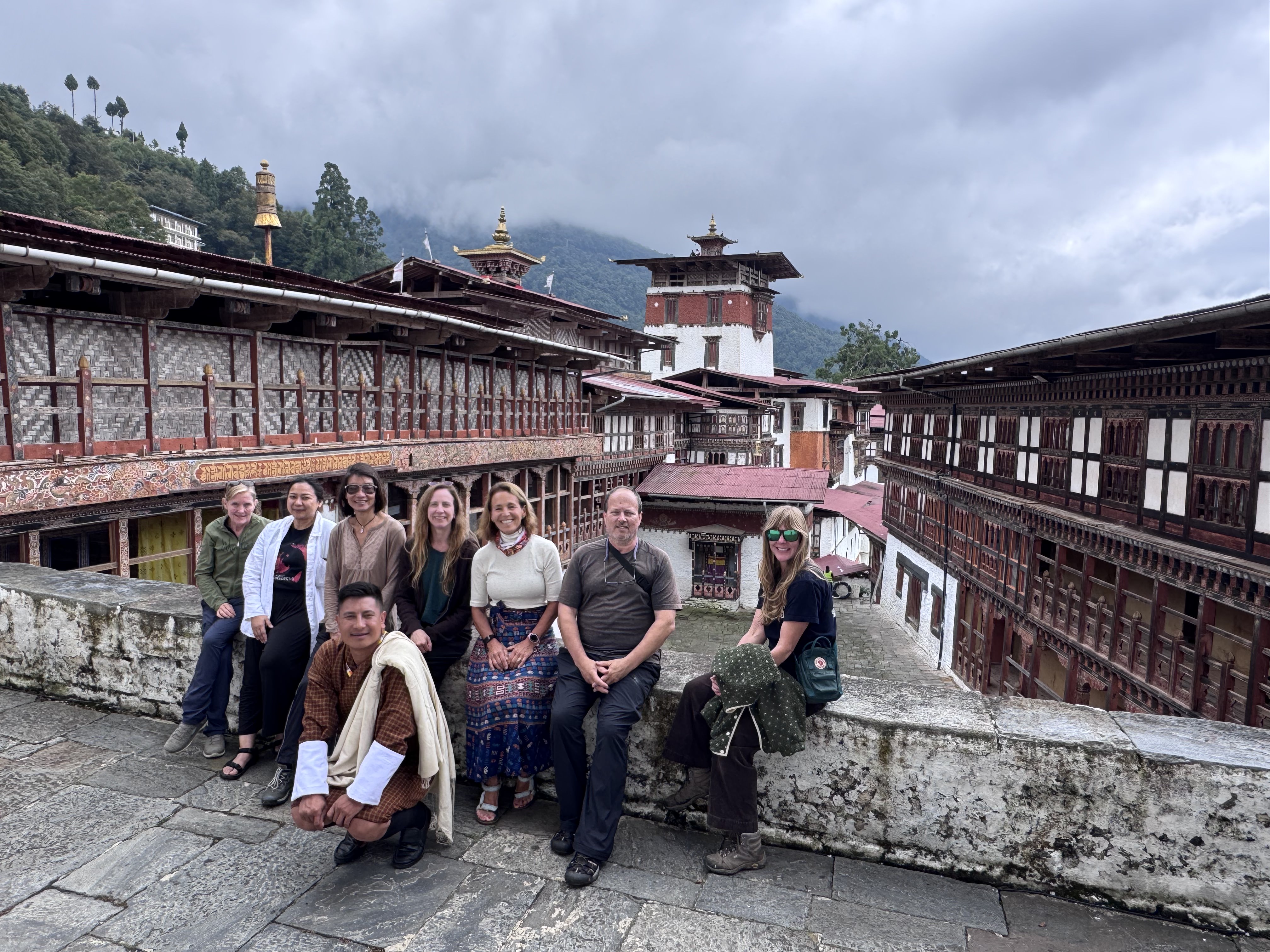
Another symbol of Bhutan you will see repeatedly is the Royal Family. Their photographs hang in hotels, restaurants, shops and homes. At our homestays in particular, family photographs often featured the King and Queen on their visits, offering a glimpse into the prominent place the monarchy occupies in public life.
Bhutan only became a democratic constitutional monarchy in 2008, following a transition initiated under the Fourth King. The same king is closely associated with the philosophy for which Bhutan has become famous around the world: Gross National Happiness.
The phrase can sound slightly whimsical from outside, but after spending time here you realize it represents something much more practical. Economic growth matters, but so does health, education, culture, good governance, communities and the natural environment. Development is considered alongside the things that might be lost in achieving it.
You can see that philosophy in the landscape too. Bhutan’s Constitution requires the country to maintain at least 60 per cent forest cover at all times. Today more than 70 per cent remains, helping Bhutan maintain its extraordinary status as the world’s only carbon negative country. Hydropower provides renewable electricity, forests swallow up carbon, and environmental protection is woven into national policy.
Tourism also feeds into this approach. International travellers pay a Sustainable Development Fee (included in the trip cost), currently $100 USD per adult per night, which contributes to development.
Bhutan is simultaneously resisting and adapting to the modern world. We even learned about the current King’s ambitious plans for the Gelephu Mindfulness City in the south. This project aims to create a major new economic centre – bringing together international business, technology and infrastructure – while incorporating Bhutanese ideas around sustainability, culture and wellbeing. I hope I’m still alive to see it.
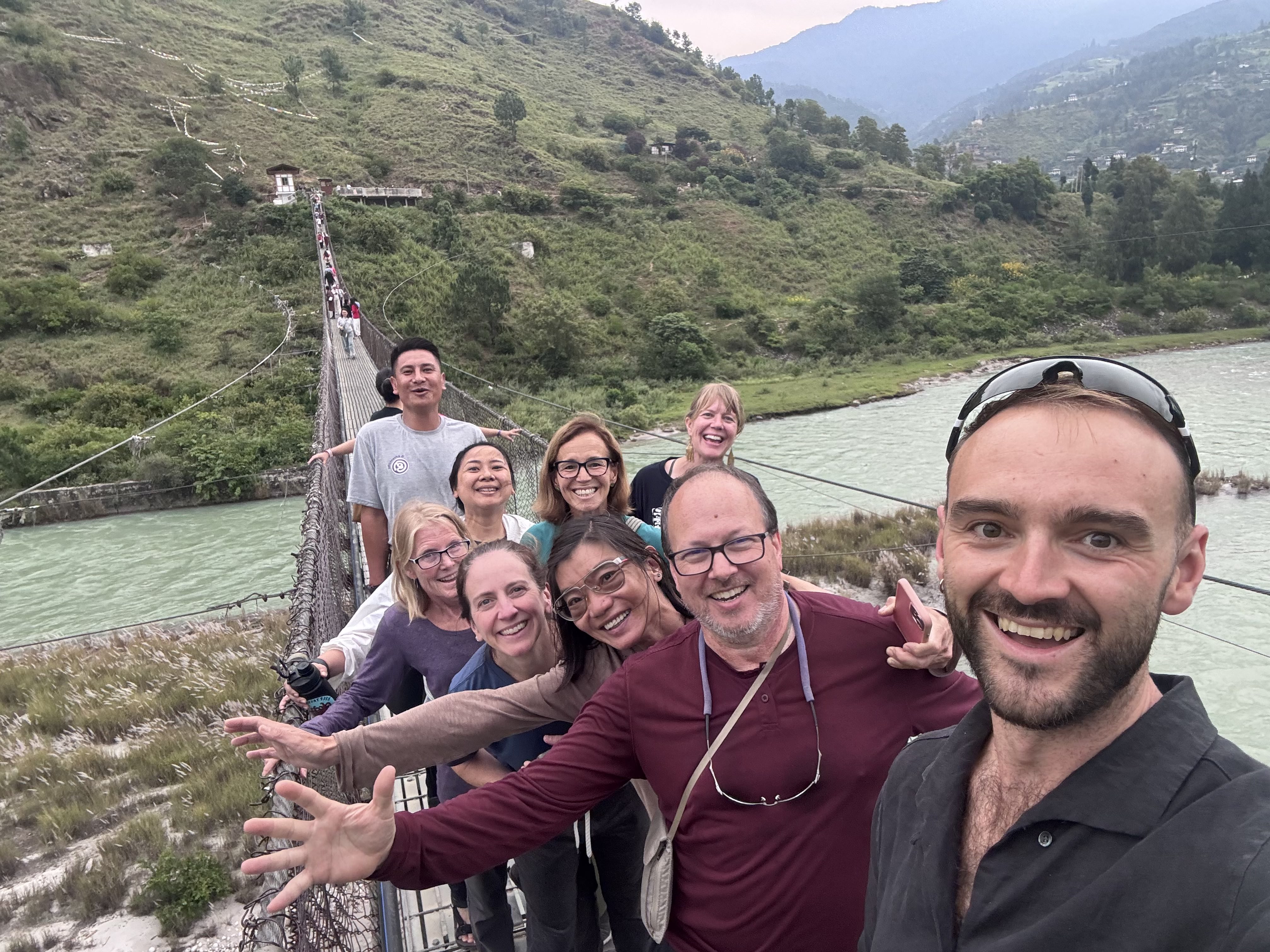
Over ten nights we moved between comfortable hotels, a luxurious resort, memorable homestays and camping. It meant one evening could involve muddy boots and a tent by the forest, while another involved a massage, coffee and a comfortable hotel room overlooking the mountains.
Even camping came with some unexpected luxuries. Our fantastic camp crew had everything ready by the time we arrived, with proper beds inside our tents, hot showers and dinner waiting in a tent. After a thorough leech inspection, all that remained was to eat, laugh and enjoy an evening without WiFi.
In Bumthang’s homestay, we learned to make buckwheat noodles before sitting down for dinner. In Punakha, we crossed a long suspension bridge to reach another homestay overlooking the valley, finishing the evening with ara, a traditional alcoholic drink mixed with egg, fried in butter. It tastes better than the description suggests.
Food became part of this adventure too. Rice, a wide variety of vegetables, curried meats, momos and Bhutan’s famous chilli cheese all occupied an important place at the table. There was never any danger of going hungry.
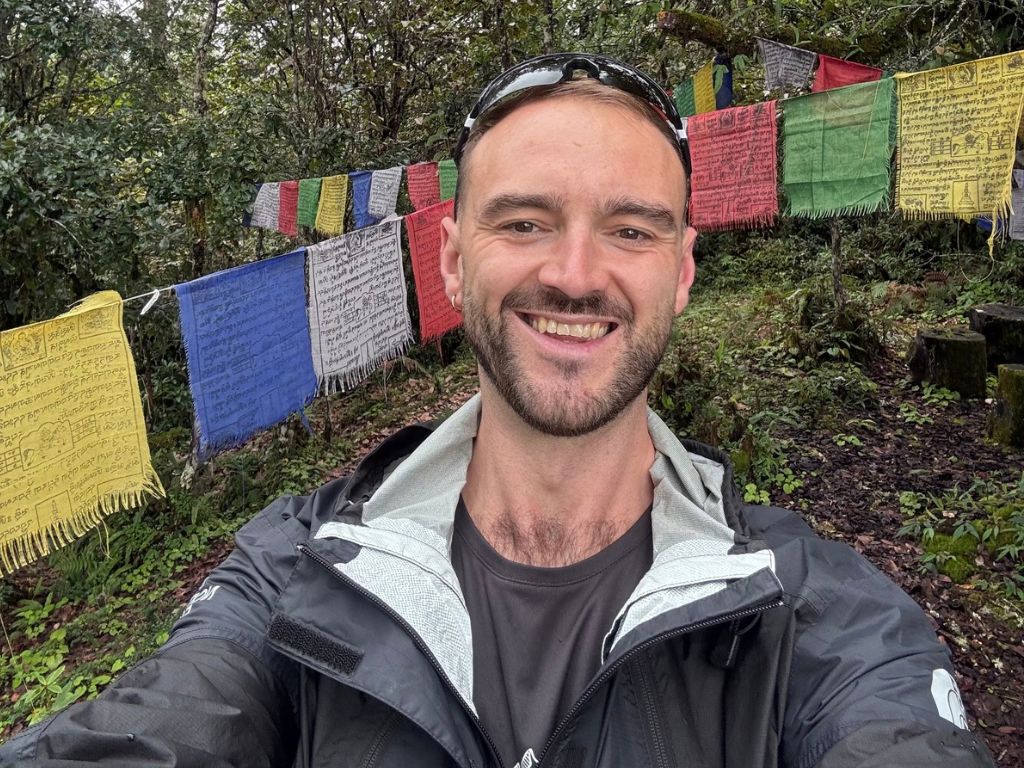
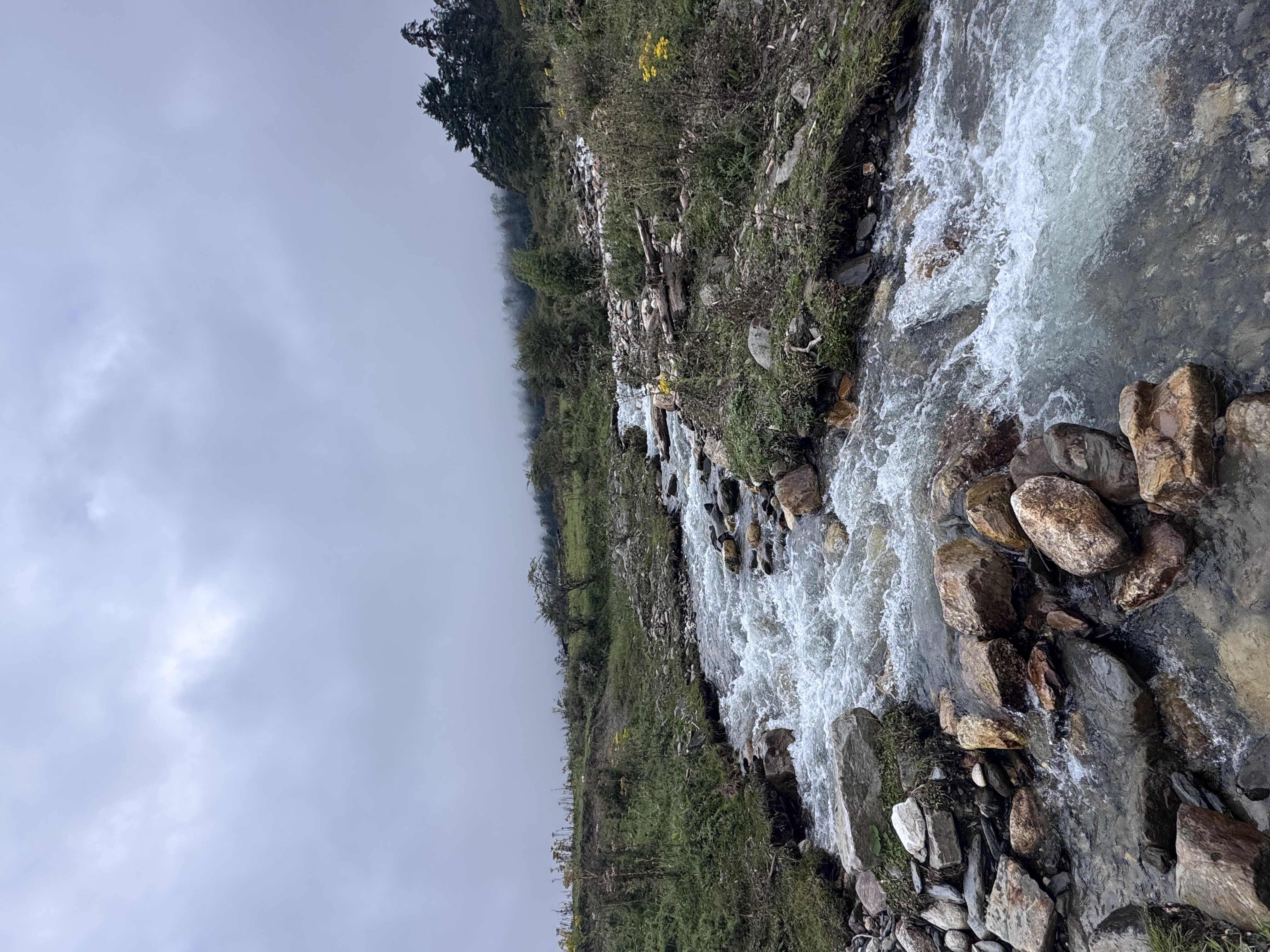
Our final day on the trail itself presented our biggest hiking challenge. A 16 km stretch brought our total walking distance to 50 km, just a fraction of the trail’s full 420 km. It began with a missing bridge. Heavy weather had washed it away, so shoes came off and we waded across the shallow river before continuing. A dog briefly joined our expedition, horses appeared further along the narrow trail, and then the climbing began.
Around 650 metres of ascent took us steadily upwards through pine, cypress and thick forest. Today’s dry weather felt like a gift. Blue sky appeared through the trees and, for once, our boots occasionally found something resembling grip. The altitude made itself known as we reached roughly 3,500 metres. Games and conversation kept the group moving until eventually the forest opened enough for us to stop for lunch. Still no red panda, though.
The trail then began its long descent towards Jakar, passing local families and beautifully decorated houses before eventually finishing at Jakar Dzong. After several days of walking, it felt like a fitting place to leave the historic trail behind. But the trip wasn’t finished.
At this point in the journey, we visited Dorjibi Weaving Centre, a local women’s weaving initiative supported by Planeterra, G Adventures’ non-profit partner. While a contribution to the project was already included in our trip cost, seeing the work firsthand helped bring the benefits of community tourism to life.
From preserving traditional weaving skills and passing them on to younger generations, to empowering women and creating employment opportunities, it was a wonderful example of how tourism can make a meaningful difference to the communities we visit.
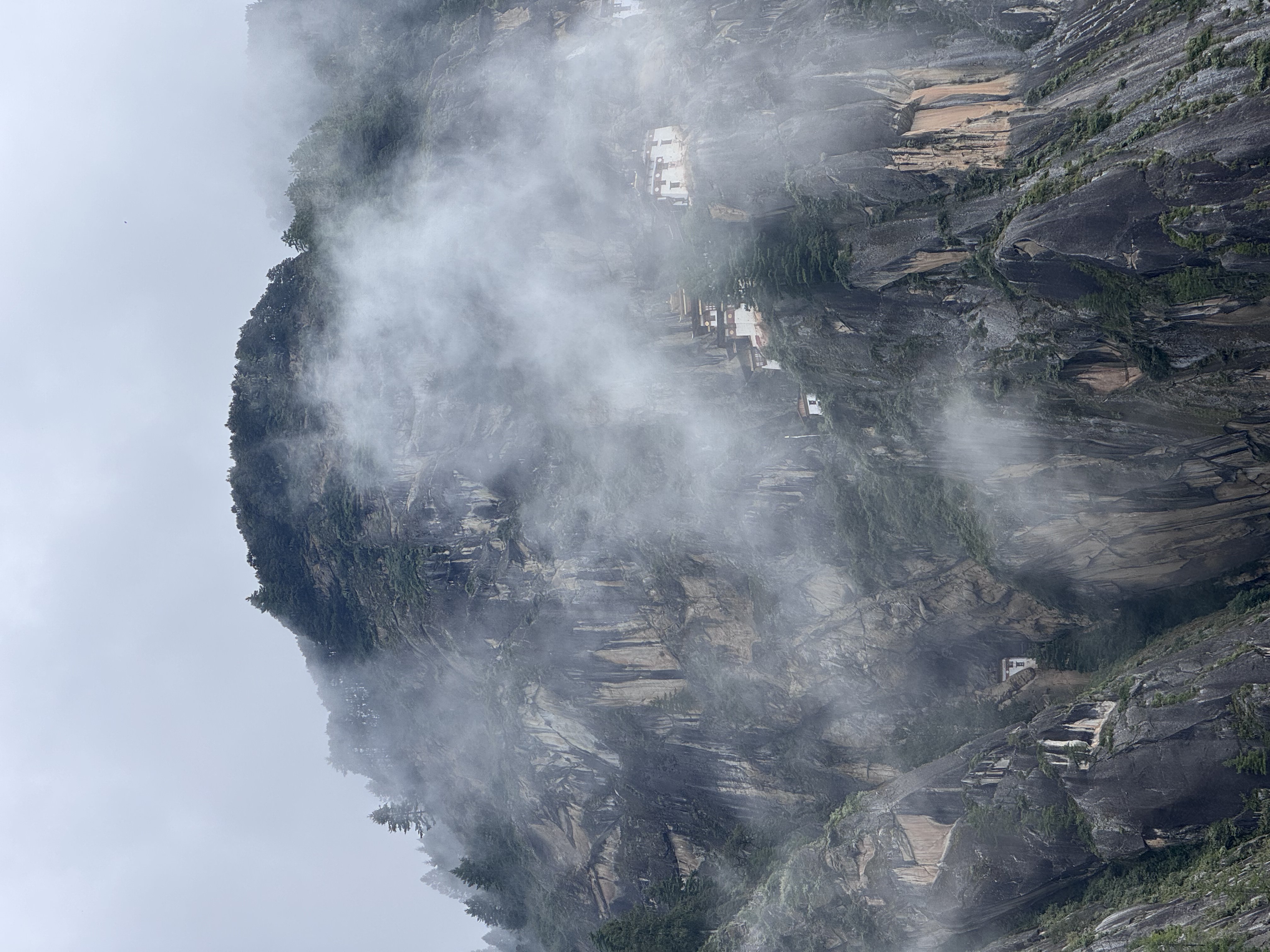
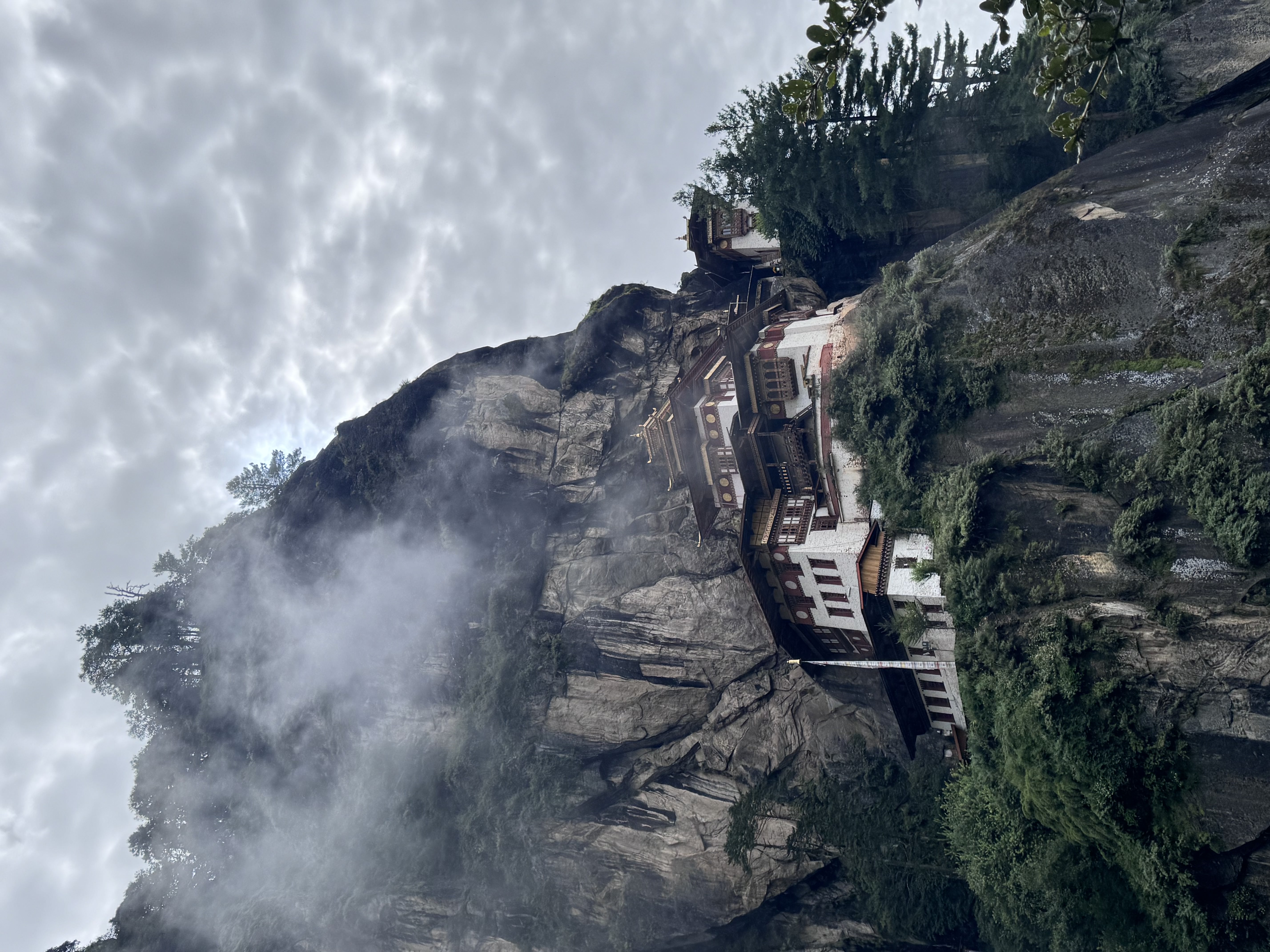
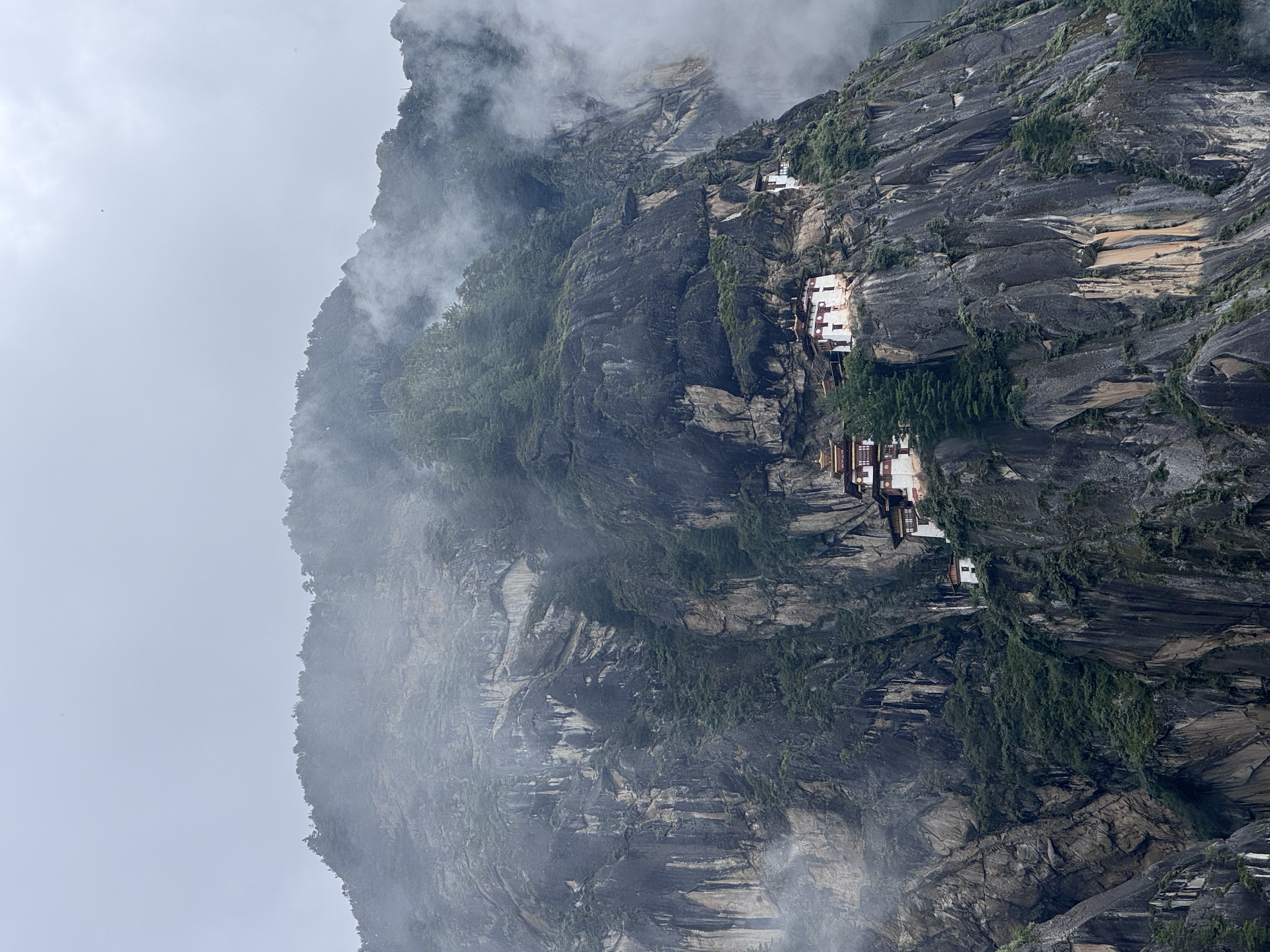
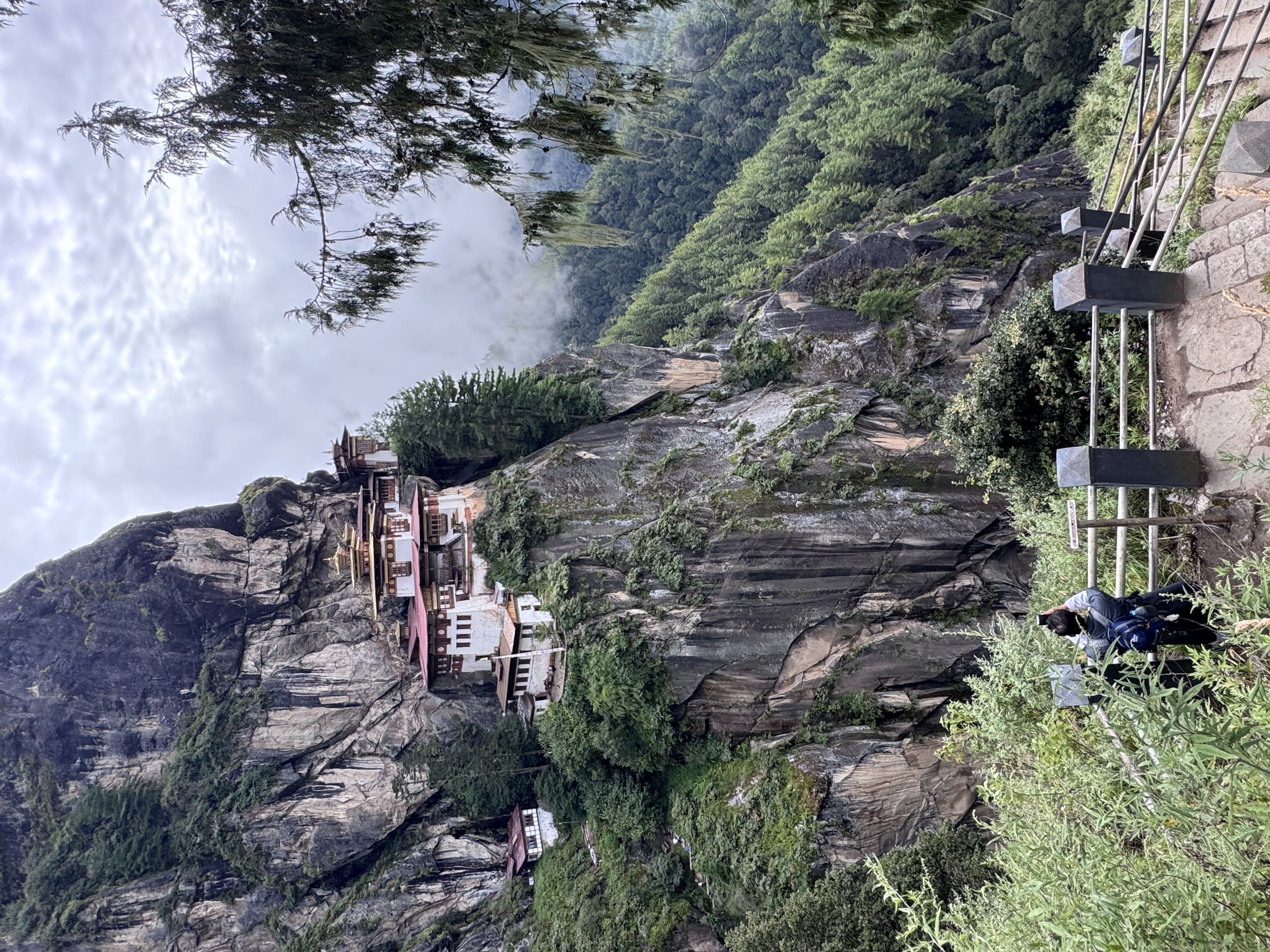
Eventually we returned to Paro, where the trip saved its most famous sight until last:Tiger’s Nest.
We were walking by 7 a.m., partly to avoid the heat and partly to get ahead of the crowds. The trail climbs steadily through forest until Bhutan’s most recognizable Taktsang Monastery appears across the valley, almost impossibly attached to the cliffside.
Inside, cameras are prohibited. Instead, our CEO led us through temples and stories, explaining the Buddhist figures and legends we had spent the previous ten days slowly learning to understand. Tiger’s Nest is spectacular even if you know nothing about Bhutan.
Ultimately, the kilometres collected on ‘Camp The Trans Bhutan Trail’ mattered less than the landscapes they took us through, and the walking created space to understand the country between each destination.
My personal highlight was learning how Bhutan balances preservation and progress, a valuable lesson for all. The Himalayas were there all along. Bhutan simply had much more to show us.