TL
Tom Leonard
CEO, New Zealand
CEO, New Zealand
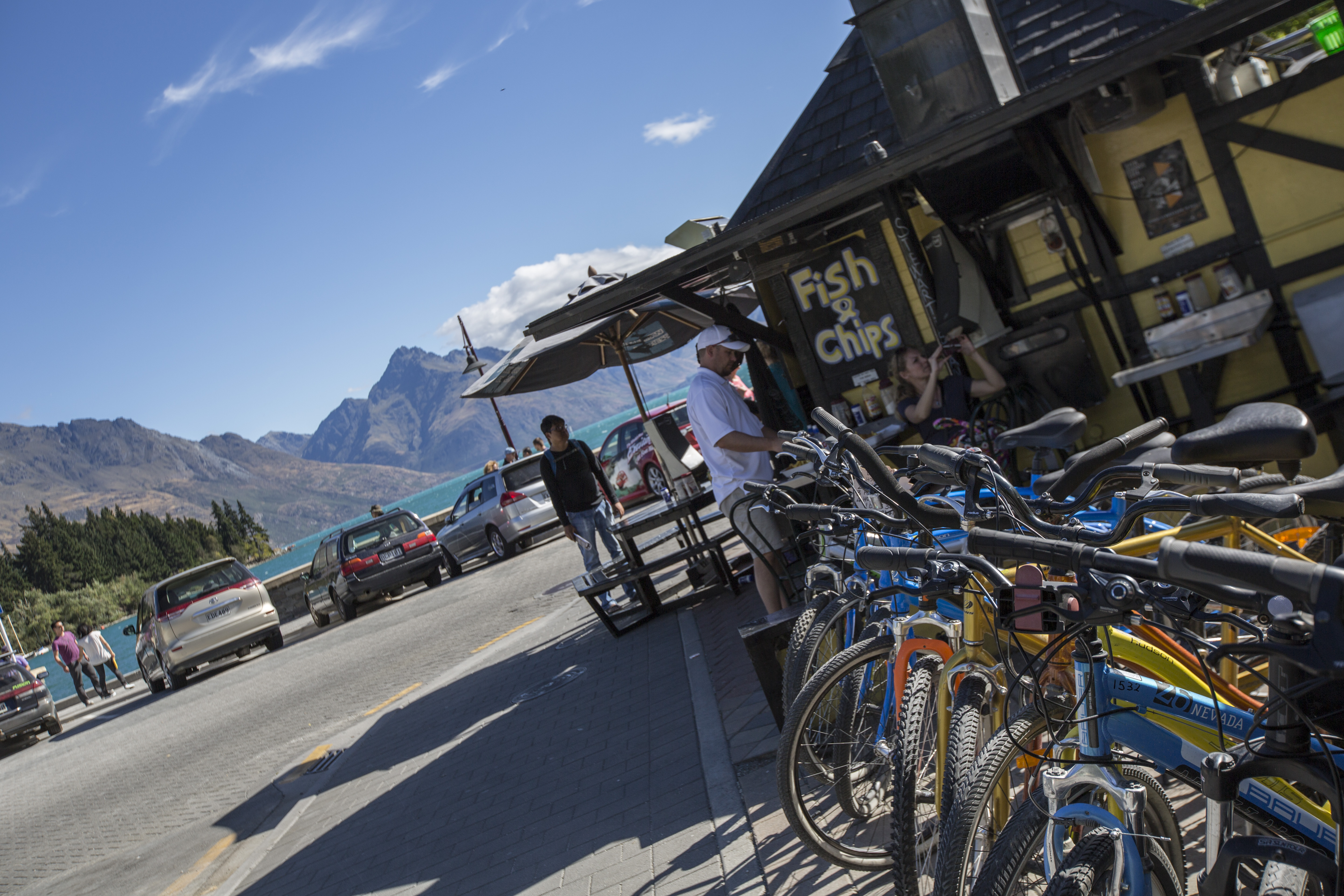
“Thank you for supporting us”
A phrase I started hearing after New Zealand reopened its borders following the COVID-19 pandemic. It was my travellers who made me take notice. Across different trips and different parts of the country, guests kept commenting on how they were surprised – and often touched – to be thanked simply for visiting. Restaurants, accommodation providers and activity operators seemed genuinely grateful to see international visitors returning to Aotearoa.
Perhaps that gratitude also recognises the effort it takes to get here. A long haul flight (or two), multiple time zones, jet lag and questionable sleeping positions. But those ‘thank yous’ mean something more. Behind so many memorable New Zealand experiences are real people, small businesses, families and communities whose livelihoods are closely connected to the people who choose to visit.
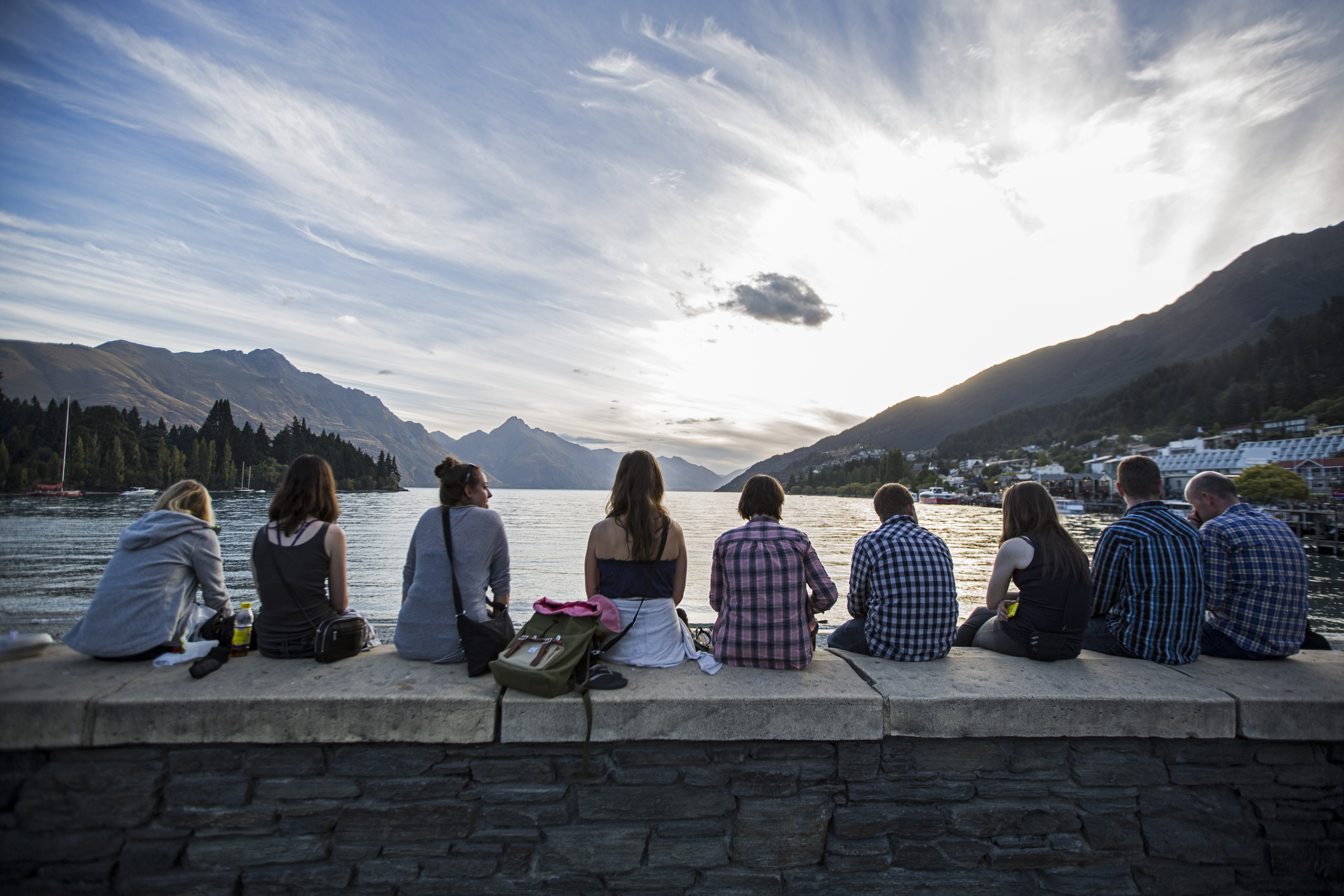
According to New Zealand’s Ministry of Business, Innovation and Employment, by 2025, international visitor numbers to the country had returned to around 94 per cent of pre-pandemic levels. Tourism contributed 7.7 per cent of the country’s GDP and was New Zealand’s second biggest export earner.
Those numbers are impressive, yet enormous tourism statistics can make it easy to forget what tourism actually looks like on the ground. It can look like buying a flat white from an independent café, ordering dinner in a family run restaurant, spending a night in a small town motel, joining a locally operated jet boating trip, taking a boat through Milford Sound, or being welcomed into a Māori community and hearing stories that have been passed between generations. Individually, these can feel like relatively small transactions, but collectively, they matter enormously.
The pandemic didn’t create the connection between tourism and local communities. It exposed just how deep that connection already was. When international travellers eventually returned, perhaps everyone understood the relationship a little differently. Guests who might previously have thought little about the wider significance of ordering dinner or booking an activity were suddenly hearing directly from the people providing those experiences that their presence mattered.
Imagine sitting down for dinner in a small New Zealand town. To you, it’s a meal, but your spending supports the people serving it, the suppliers behind it and the wider community they call home. Even a visit to somewhere as remote as Milford Sound relies on a network of drivers, guides, boat crews, mechanics, cleaners and suppliers.
Sometimes your contribution goes somewhere you might never expect. Across one trip through New Zealand, seemingly simple bookings can have an impact far beyond the experience itself: For example, on the South Island section of the New Zealand Multisport Itinerary:
Swimming with dolphins in Kaikōura: A portion of every Dolphin Encounter fare supports conservation and community projects, while sightings and identification photographs collected on trips contribute to marine mammal research.
Parking at a Department of Conservation (DOC) site: Commercial tour operators pay fees to access and use public conservation land, providing revenue that helps fund DOC’s wider conservation work.
Riding the Shotover Jet: One of Queenstown’s most famous adventure experiences is owned by Ngāi Tahu Tourism, a whānau (family) owned tourism business belonging to the South Island’s largest iwi (tribe).
None of these are necessarily the reason you make the booking. But behind each experience is another small example of how the money we spend while travelling can continue its journey long after we have. Sometimes the best way to understand that impact is to ask the people at the centre of it.
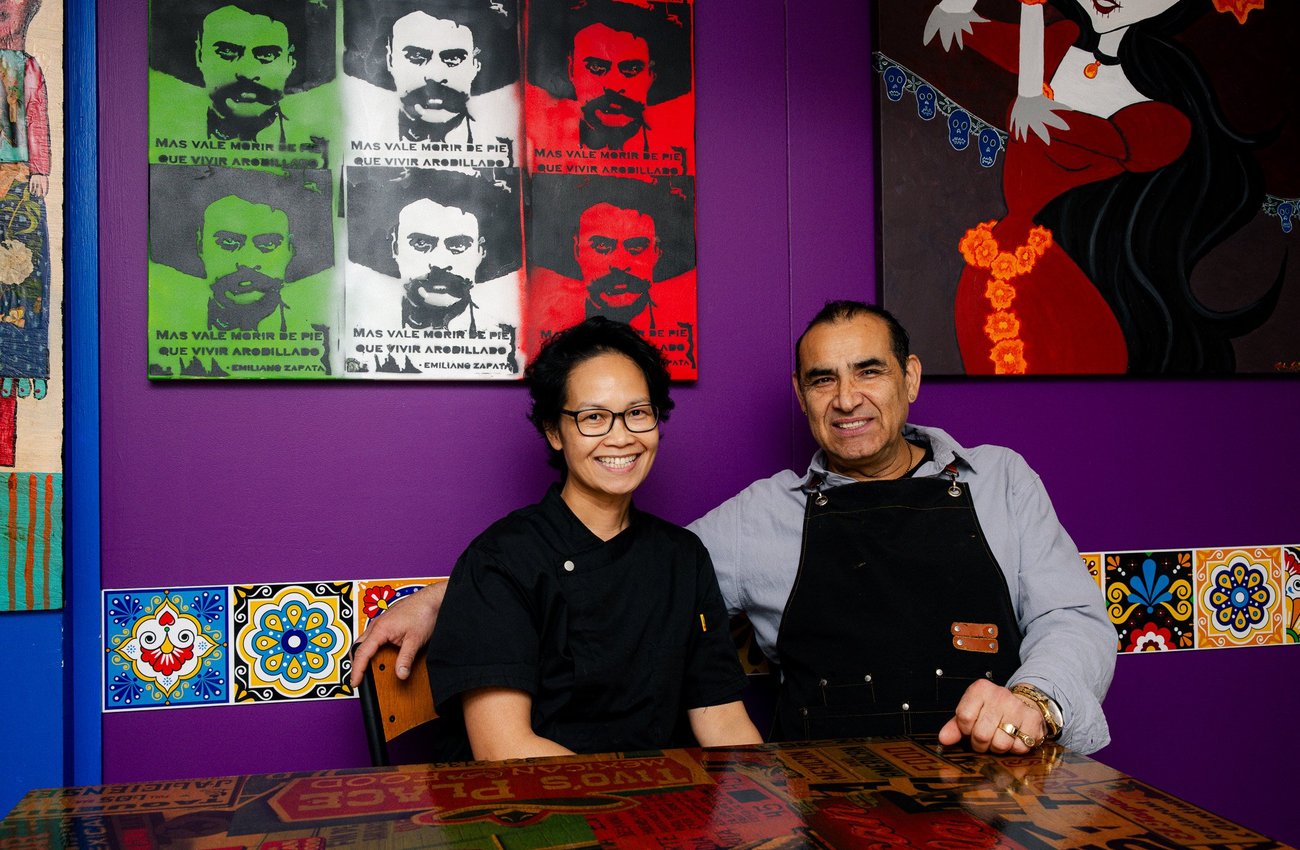
A frequent guest highlight on my trip is a restaurant in Rotorua. El Mexicano Zapata Express is a family-run business where the people behind the experience are as much a part of its character as the food. For an independent restaurant, a group arriving isn’t simply a table full of hungry travellers. It can represent guaranteed covers on a quieter evening, hours of work for employees and money that continues circulating through other businesses.
Husband and wife owners, Eduardo Diaz and Cristina Allen, make a point of welcoming every group, taking time to hear where guests have come from and share their own stories.
“Hospitality for us is everything. We work tirelessly day and night to make sure that locals, national and overseas visitors have the most wonderful experience that we and our team can possibly offer them,” says Allen.
There is something particularly powerful about hearing that gratitude directly from the people involved, because travellers rarely see what happens after they pay the bill. We continue on to the next destination and the restaurant opens again tomorrow, but for a couple of hours our journeys intersect and both sides contribute something to the experience.
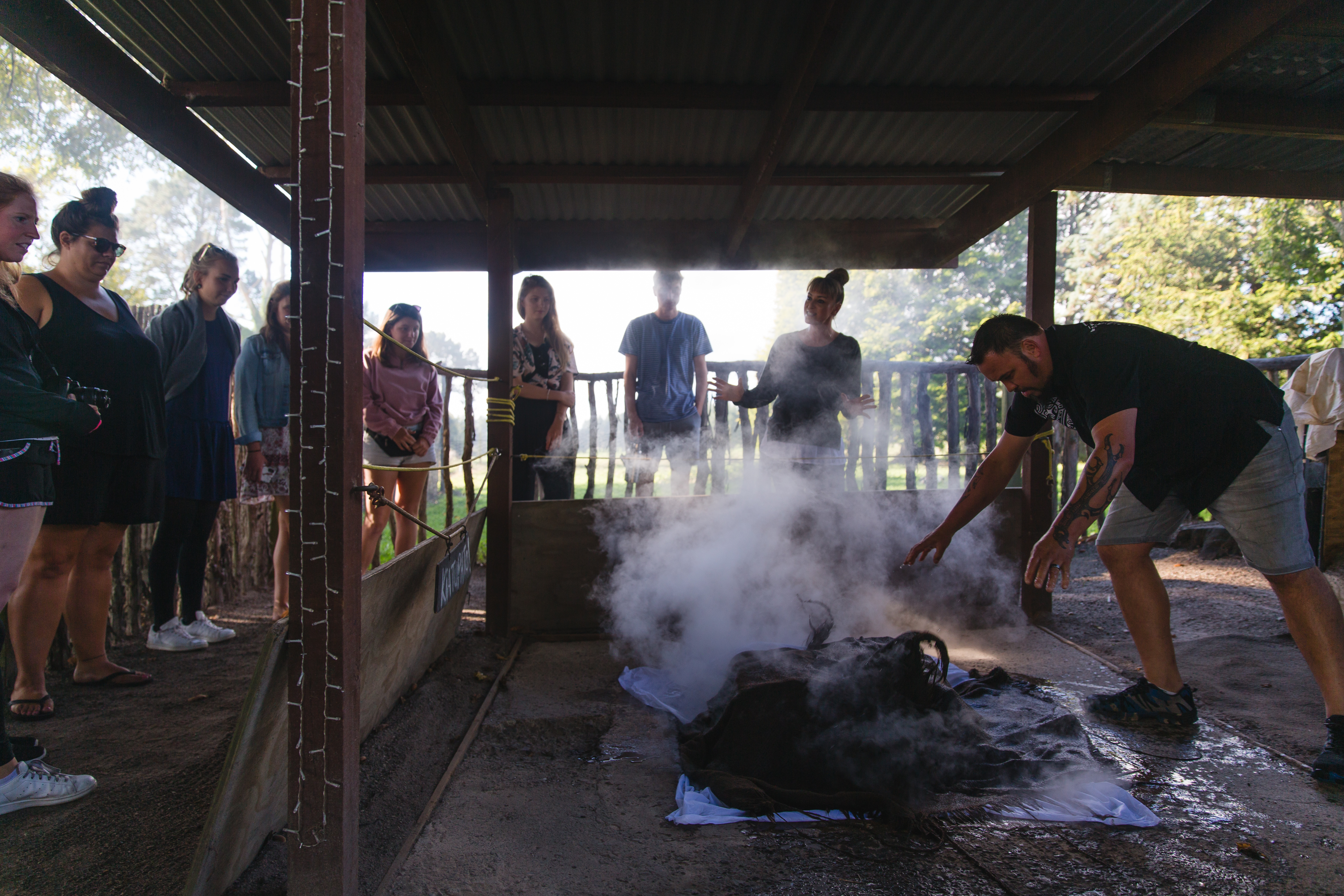
The impact becomes even more interesting when tourism is deliberately connected with community development. At Kohutapu Lodge in Murupara (included on some G Adventures itineraries), visitors experience Māori culture through the people who live it.
Owned by Nadine and Karl Toe Toe, a local Māori family, the lodge has become an example of how tourism can create employment opportunities and life experiences for youth in the community, extending beyond the visitors who arrive through its doors.
“When visitors choose to spend their time and money with us, it means everything. They’re not just supporting our whānau and our tourism business – they’re helping us create employment in our small rural town and enabling us to reinvest back into our people and community. Tourism gives us the means to support kaupapa such as Native Nations, our Indigenous youth exchanges; our community māra kai and food sovereignty mahi; koha to our marae; and meals and other support for local whānau when they need it. Their visit has a ripple effect well beyond their time with us – it helps create jobs, supports our rangatahi and kaumātua, strengthens our marae and community, and gives us the ability to keep investing back into the place and people we come from”, says Toe Toe
Kohutapu Lodge has recently started receiving support from G Adventures’ non-profit partner, Planeterra whose team uses community tourism as a catalyst to protect environments, create opportunities and celebrate local cultures.
Of course, such gratitude towards travellers and the idea of tourism creating opportunities for local communities is not unique to New Zealand. Across the world, G Adventures trips often bring travellers face-to-face with the people and communities their visit can help support.
In Bhutan, that might mean visiting a women’s weaving project that creates opportunities through traditional crafts. In Cambodia, it could mean eating at a hospitality training restaurant such as New Hope or exploring the floating community of Kampong Phluk, where tourism initiatives are helping local people build livelihoods while tackling challenges such as plastic waste.
Many of these experiences are supported by Planeterra and are part of ‘Project 300’ — an initiative which aims to have 300 community tourism enterprises integrated into G Adventures trips and benefiting from tourism by 2030. It means that somewhere between the temples, mountains, meals and photographs, travel can leave something behind too.
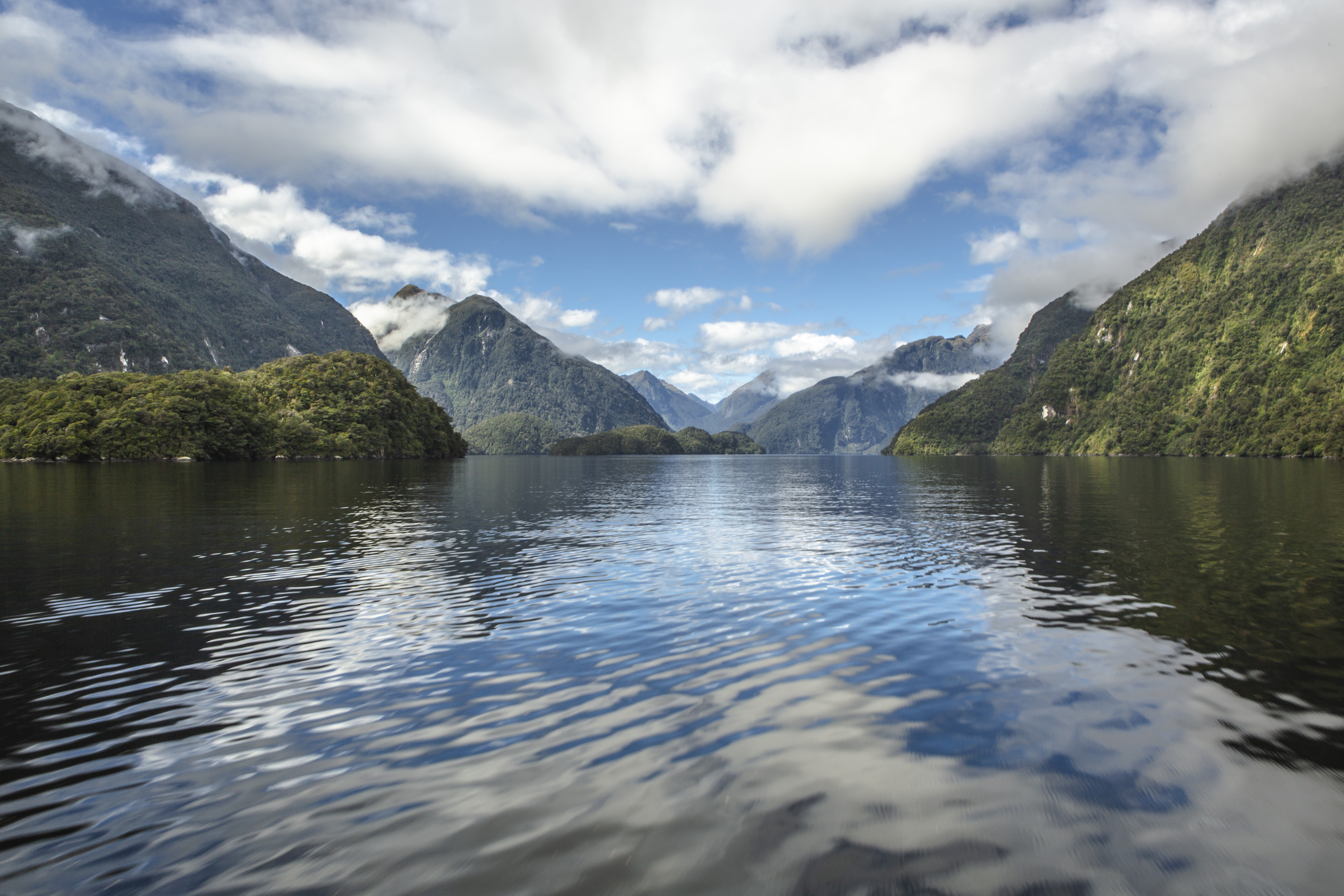
Of course, tourism works best as an exchange, and New Zealand gives travellers an extraordinary amount in return. ‘Manaakitanga’ is a value which kiwi’s proudly demonstrate daily and refers to the hospitality and care shown towards visitors.
Travellers may also hear of the ‘Ti Aki Promise,’ another value ingrained in New Zealand tourism, which encourages everyone travelling in Aotearoa to care for the land, sea and nature, travel safely and show respect for the people and culture around them. It feels almost like a “thank you” in advance. Enjoy this place, respect it and help protect it for whoever walks this track after you. A mutual understanding.
Hiking is perhaps where this relationship becomes most obvious. Across New Zealand, travellers have access to an extraordinary network of tracks, conservation areas and public land managed by the Department of Conservation. There might not be somebody standing at the end of every trail thanking you for visiting, but instead New Zealand asks something of you.
Years after New Zealand’s borders reopened, the tourism industry has moved forward. Restaurants are filling up, hiking tracks echo with different accents, boats cross Milford Sound and travellers pile into buses each morning ready to discover somewhere new.
Of course, you won’t hear “thank you for supporting tourism” everywhere you go. The waiter might be busy, your guide might be concentrating on tomorrow’s weather, the hotel receptionist might be solving three problems at once, or the activity operator might simply be trying to get everyone into the correct sized life jacket. Tourism, like most industries, can be stressful behind the scenes.
But after spending years travelling around New Zealand and meeting the people who make those journeys possible, I’ve learnt that you don’t necessarily need to hear the words to know the sentiment is there.