Madi Wong
Editorial Content Lead
Editorial Content Lead
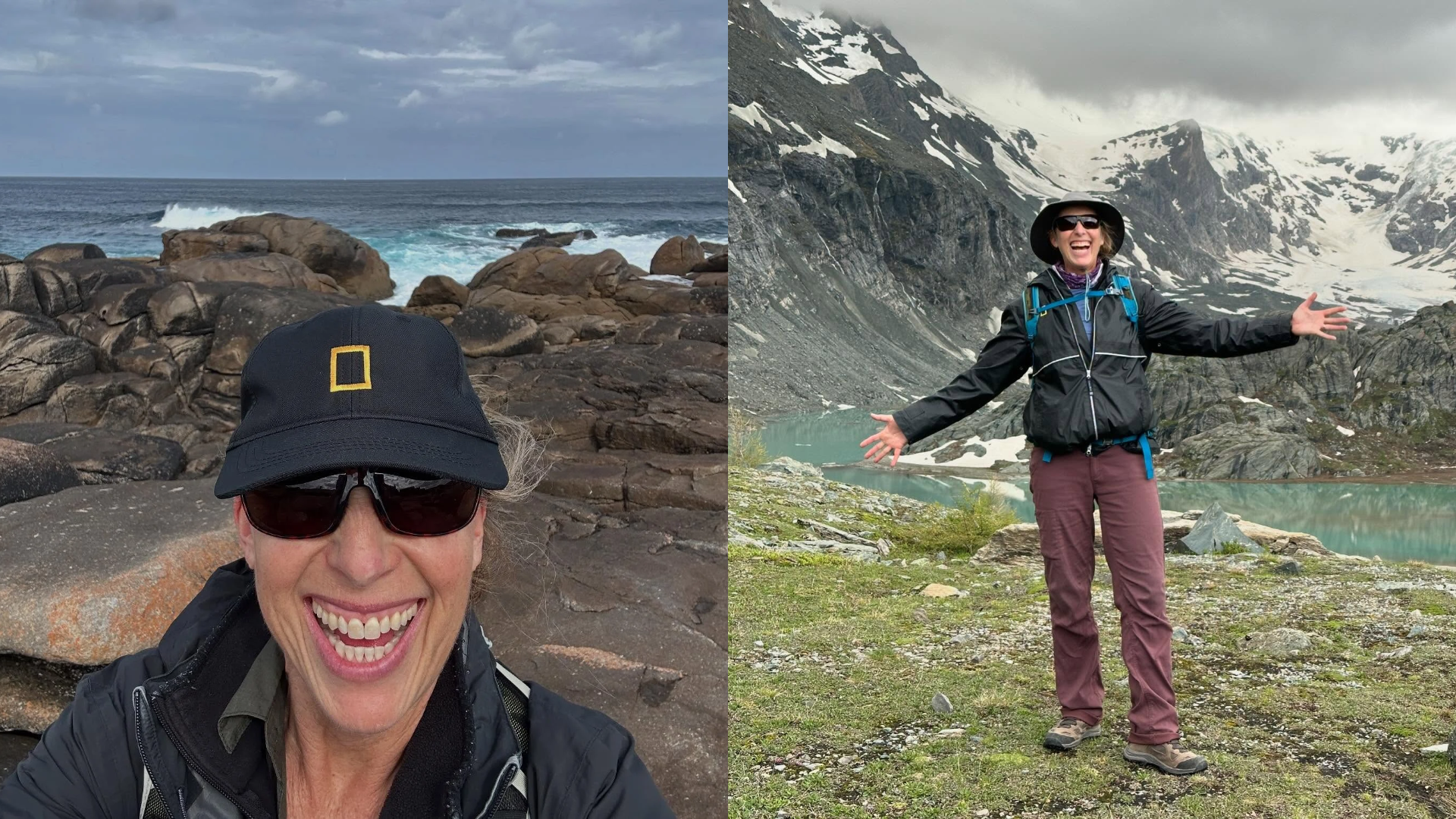
In college, Maria Fadiman found herself inside the humid rainforest of Latin America, as a volunteer naturalist guide. At the time, she only had a degree in Spanish and zero formal scientific training.
She had taken the assignment hoping to contribute to conservation, but before she could even settle in, the lead naturalist dropped a sudden piece of news to her: “I am leaving on the first plane out, so let’s get you trained.”
Plunged into unfamiliar territory, terrified of snakes and overwhelmed by swarms of spiders, Fadiman was forced to learn and adapt. Yet, as she pushed past her fear, she discovered something that would alter the course of her career.
The local community members were the ones teaching her about the soils, animals, and plants – including those once-frightening spiders – which she eventually came to adore.
“It became clear that if I wanted to work to preserve the forest, I needed to include people. They are a part of the ecosystem,” Fadiman recalls.
Discovering the field of ethnobotany – the study of the intricate relationship between human cultures and plants – provided her with a framework to bridge cultural preservation with ecological conservation.
“In the research I do now, working with communities throughout the globe to record their plant information and to help facilitate children learning from their own elders, I hope to foster an internal incentive for ecosystem conservation,” she explained.
“We all use what we understand and are more likely to conserve what we use. This work provides the opportunity to keep both knowledge and forests alive.”
Today, Fadiman is a celebrated ethnobotanist, a 2006 National Geographic Emerging Explorer, recipient of National Geographic Society’s Meridian Grant, a university professor, and a National Geographic Expedition Expert.
Whether she is documenting oral plant traditions on isolated Pacific atolls or guiding travelers along ancient European pilgrimage routes, her life’s work remains anchored in a single, driving philosophy: helping people see their surroundings – and each other – in a new light.
At the heart of Fadiman’s global research is a commitment to intergenerational knowledge retention. Across rainforests in Latin America, savannas in Africa, highlands in Tibet, lowlands in Bhutan, and isolated atolls in Micronesia, she works in collaboration with local communities to ensure that generational ecological wisdom does not vanish when elders pass away.
Fadiman collaborates with locals to create multilingual booklets filled with drawings, as well as local texts and knowledge.
Her projects place the tools of research directly into the hands of the youth. Young community members learn to interview their own elders, while school-aged children draw the plants that matter most to their families.
She points to an example of this methodology during her National Geographic Meridian Grant project.
Working alongside a multidisciplinary team with local communities on the main island of Pohnpei and locals on the remote atoll of Pakin Atoll, Fadiman began by asking a simple question: “What would you like for us to research and produce?”
The community's response surprised the research team: “The coconut.”
“‘The coconut?’ It seemed common,” Fadiman admits. But the villagers explained its true significance: “It is the Tree of Life. We want our children to remember how to use the coconut fruit, fronds, and stem.”
Even on isolated islands lacking electricity, modern technology had arrived. At dusk, groups of children gather under the fading sunlight, their faces illuminated by glowing cell phone screens.
Recognizing that youth now navigate a world of shifting global influences, the elders sought to ensure traditional survival skills were not lost in the era of the digital world. In response, Fadiman’s team produced a trilingual study guide detailing how the coconut palm provides food, shelter, basketry, and art, while conducting interactive workshops where children illustrated their native trees.
“I am proud of this project as it directly addresses the needs of the community, in a way where we truly had to listen to what they wanted, and to work together to create a product they value,” says Fadiman.
“This work also directly includes the younger generation, and ultimately that is on whom this knowledge and the ecosystem depends.”
Fadiman’s relationship with National Geographic began nearly two decades ago when she was named a 2006 National Geographic Emerging Explorer. In the years since, her involvement has expanded across virtually every facet of the organization. She has served twice as a National Geographic Mentor, acts as a Florida National Geographic Hub Leader, speaks for the Fairmont Hotel Series and National Geographic Explorers Festival, teaches through National Geographic Explorer Classrooms, and contributes to Cengage and Voices educational textbooks.
Her grant-funded fieldwork spans the globe, serving as Principal Investigator for projects such as the Genographic Legacy Fund’s study on Ha ethnobotany in Tanzania’s Bubango Village, and mentor-led fieldwork in Panama, alongside co-principal leadership mapping Blue Holes National Park in The Abaco Islands, Bahamas.
For Fadiman, one of the greatest privileges of this alliance is the opportunity to collaborate with fellow researchers. During the Meridian Grant in Micronesia, she collaborated with explorers Kenny Broad, David Harrison, and Shireen Rahimi, learning underwater photography, filmmaking, and linguistic anthropology.
In Tanzania, working with local explorer Grace Gobbo deepened her connection to African landscapes, while collaborating with cave divers in the Bahamas opened her eyes to subterranean ecosystems hidden beneath forest roots.
“Working with National Geographic certainly opens doors,” Fadiman said.
“The way I see it, once I walk through that door it is up to me what I do with these opportunities.”
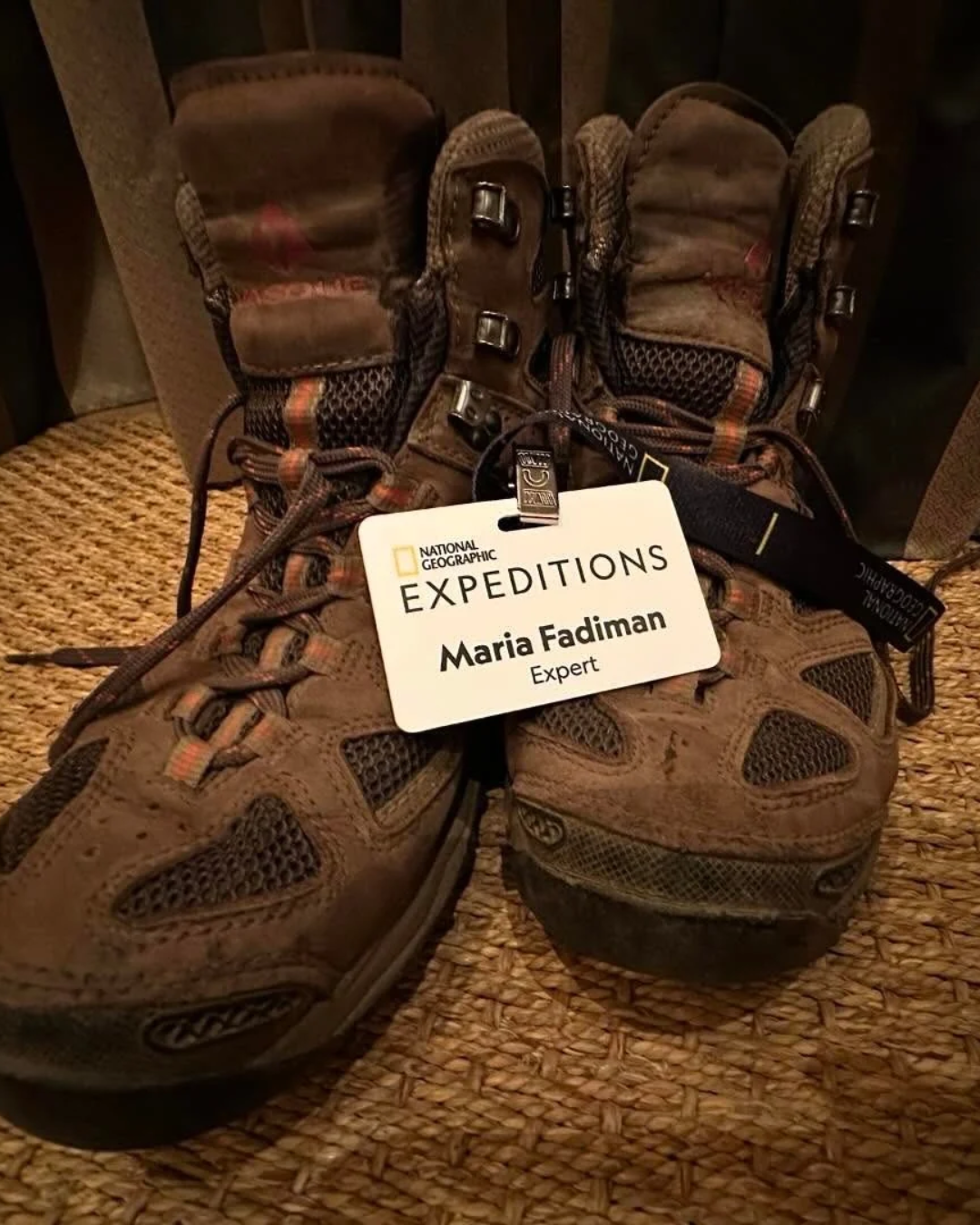
Among those opportunities, leading National Geographic Expeditions with G Adventures is a personal highlight for Fadiman.
“I am learning through these opportunities what a good fit the expeditions are for me,” she explains.
“I just love talking to people. Sharing travel adventures and learning about people’s stories fills me up in ways I had not anticipated.”
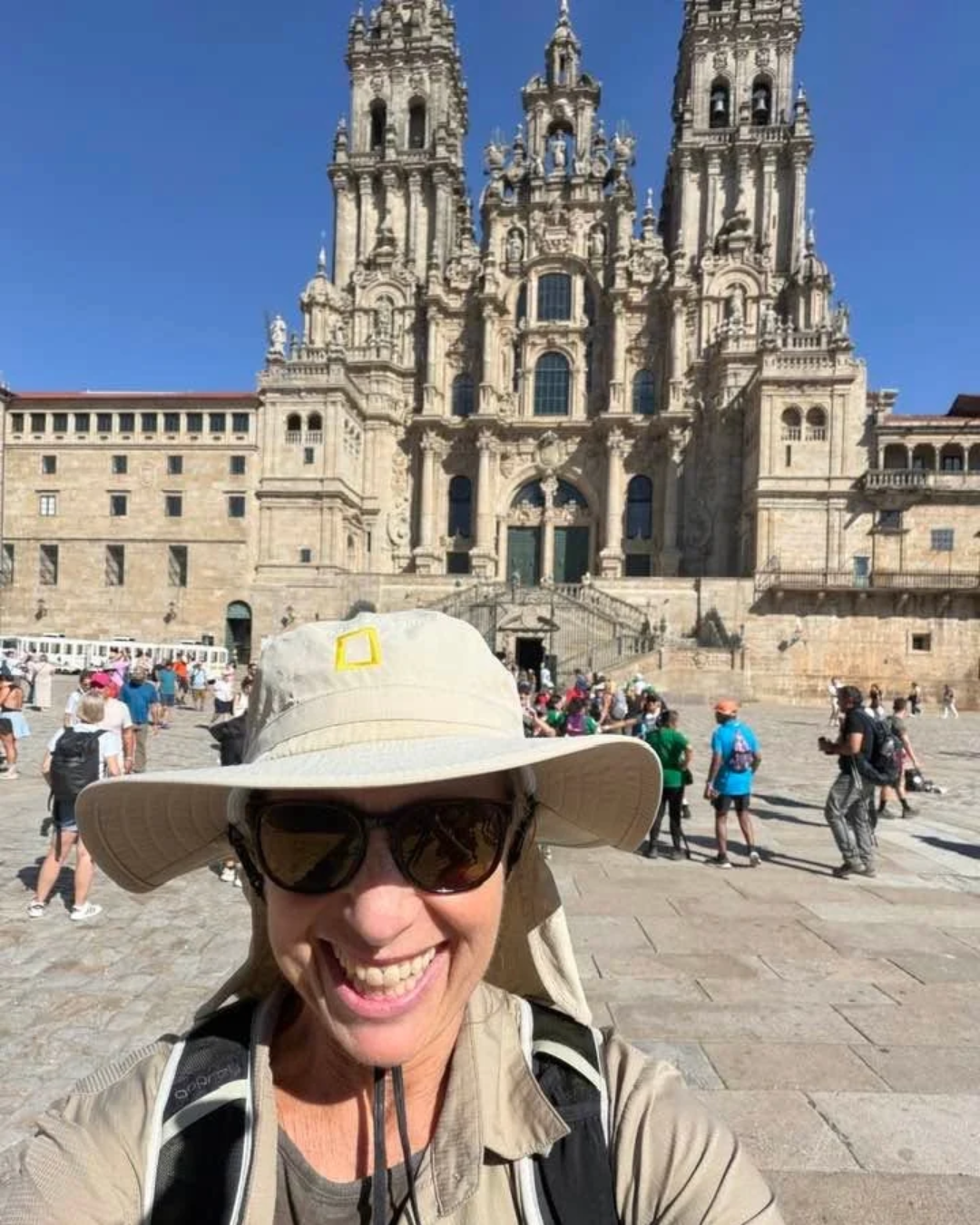
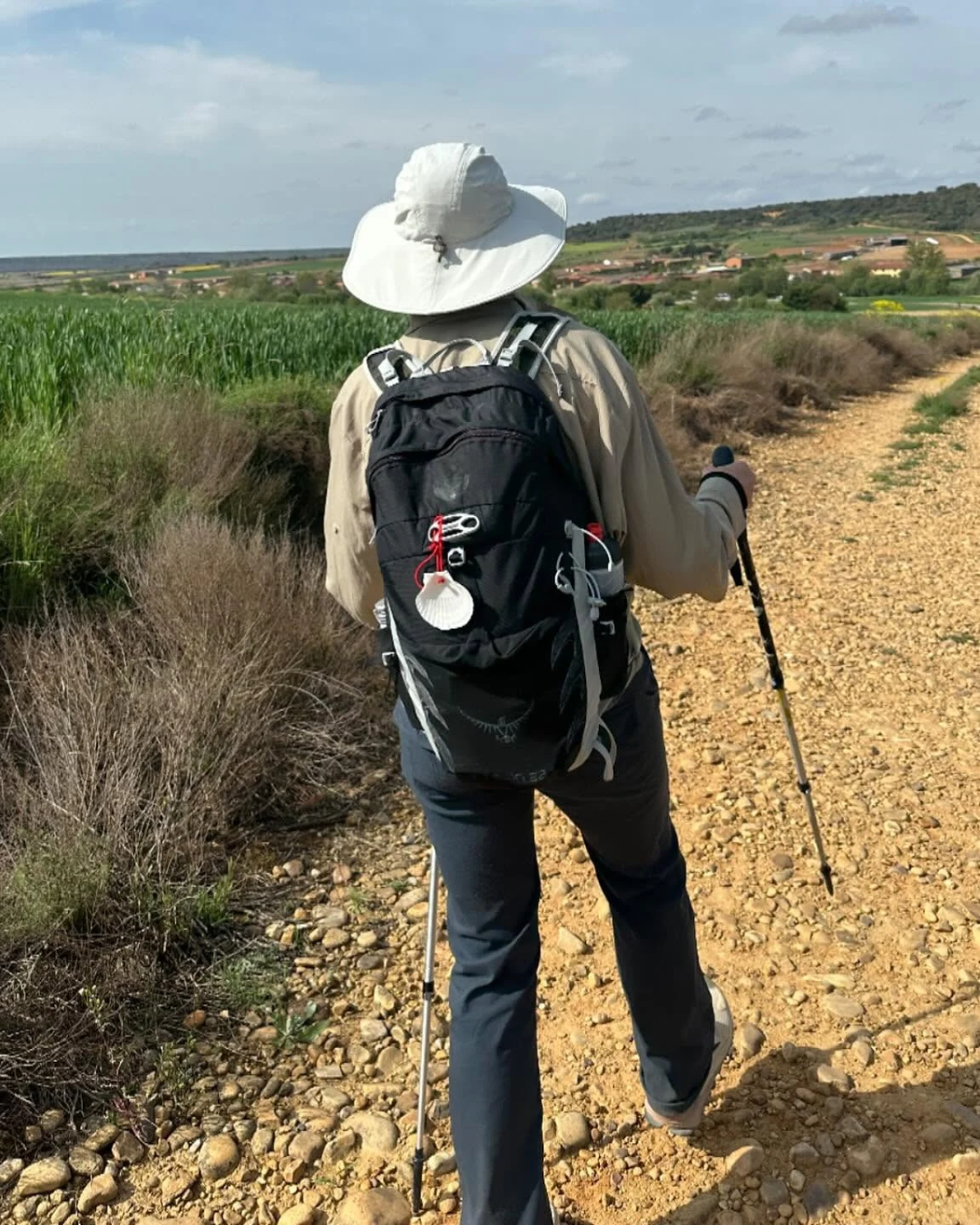
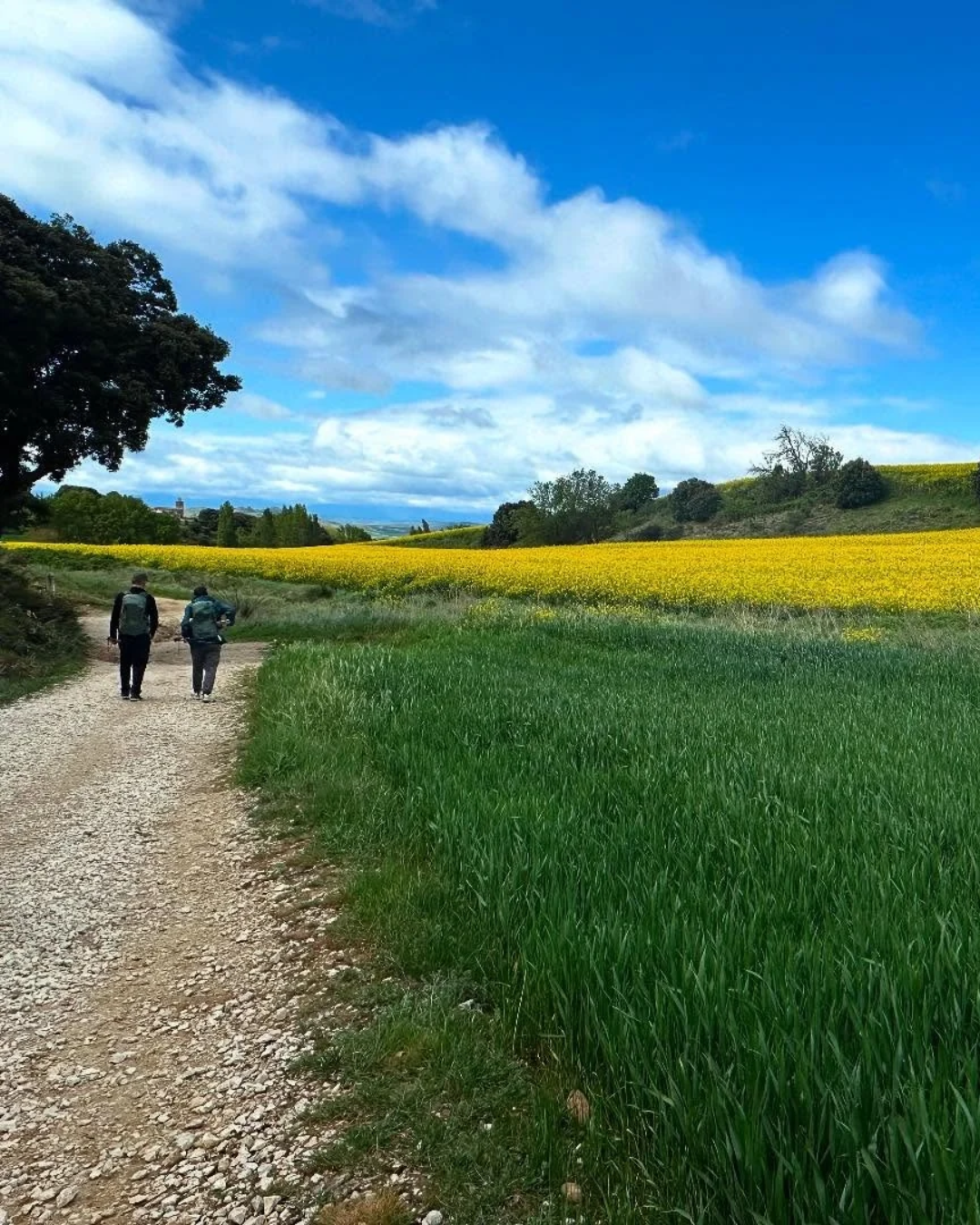
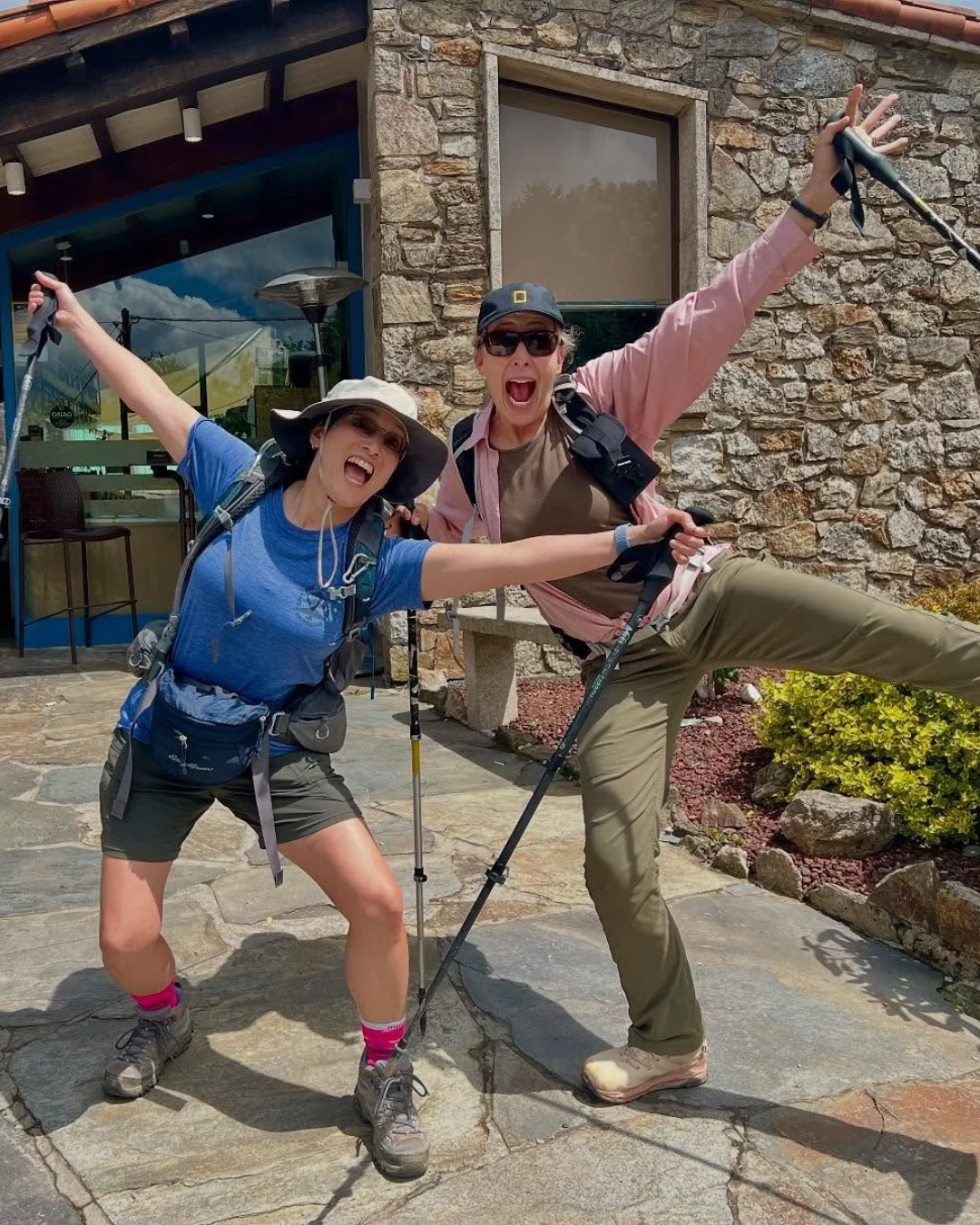
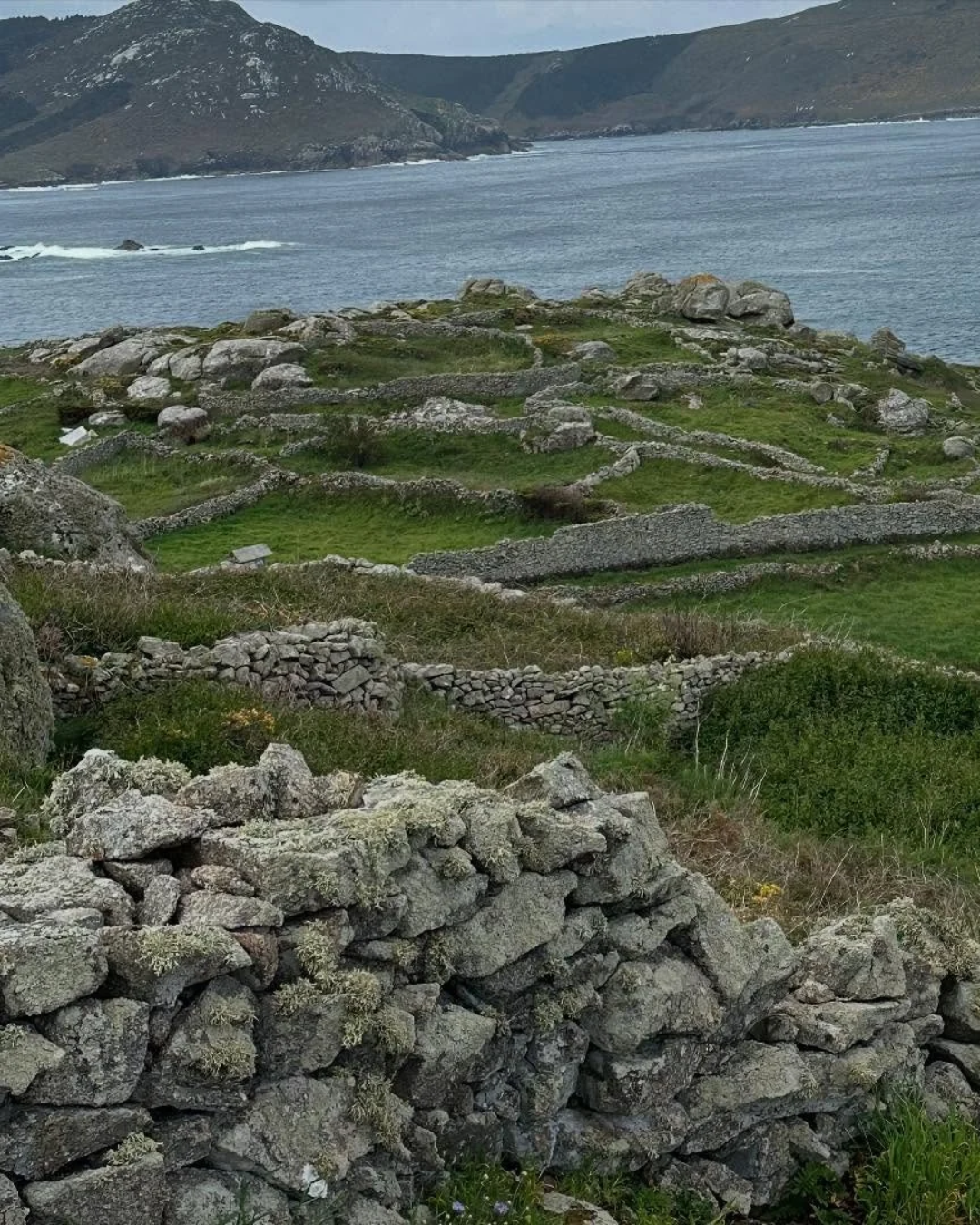
Among the many destinations where Fadiman leads trips, Spain’s iconic Camino de Santiago holds a uniquely personal place in her heart. Her relationship with Spain began at 18 years old while performing volunteer work, evolving into decades of university study, research, and residence across Barcelona, Seville, Madrid, the Canary and Balearic Islands, and the northern trail routes where she has spent time since 1987.
Leading travellers along the Camino is not just a physical trek, it is a unique way to soak up Spanish, landscape, history, food and architecture, Fadiman explains.
“On our spring trip, we meander through brilliant yellow fields bursting with blossoms, while bright green fields border them, rolling over the countryside in carpets of color,” Fadiman describes.
“In the fall, these same fields are full of sunflowers, now past their harvest, with their heads nodding down in unison across the field... We stop and take pictures, each of us trying to help each other find the best angle to capture this moment.”
Along the path, the cadence of the tour is marked by small, shared encounters. Scallop shells clank against passing backpacks, exchanged with warm calls of “Buen Camino!” – a universal blessing shared between strangers united in a common trek.
When the daily hike concludes, Fadiman says the pace shifts into the gentle tempo of Spanish village life.
In Santo Domingo de la Calzada, guests wander along cobblestone streets watching multi-generational families gather at outdoor cafes over coffee, local beer, or red wine accompanied by tiny plates of olives and tortilla Española.
In León, the group gathers around barrel tables in bustling bars, enjoying small cañas or tinto de verano alongside tapas of potato, tuna, or chorizo.
Mid-day meals along the route offer their own culinary traditions. At a historic Templar restaurant, hikers step into a stone dining hall furnished with sturdy wooden tables laden with clay carafes of chilled rosé, heaping platters of local cheese, chorizo, scallop-shaped bread, and rich soup eaten with wooden spoons.
“As our plates overflow and we tell stories of how hot the trail was, or how wet and rainy it was, we relish that we have hiked ourselves into this tapestry of a culinary bonanza,” says Fadiman.
As the trail crosses into the lush province of Galicia, the dry plains of Castilla give way to “Green Spain.” Stone houses lined with roses line the paths, cowbells tinkle across emerald pastures, and the haunting strain of Celtic bagpipes greets travellers as they ascend toward the thatched-roof village of O’Cebreiro.
Upon reaching the Mount of Joy, the distant spires of the Cathedral of Santiago de Compostela come into view for the first time.
“Our guide helps us imagine what it would be like 1,000 years ago, when it may have taken years to arrive at this same point,” Fadiman says.
“As a group we helped each other with blisters, hot days where we shared water, and cold ones where we offered each other raincoats.”
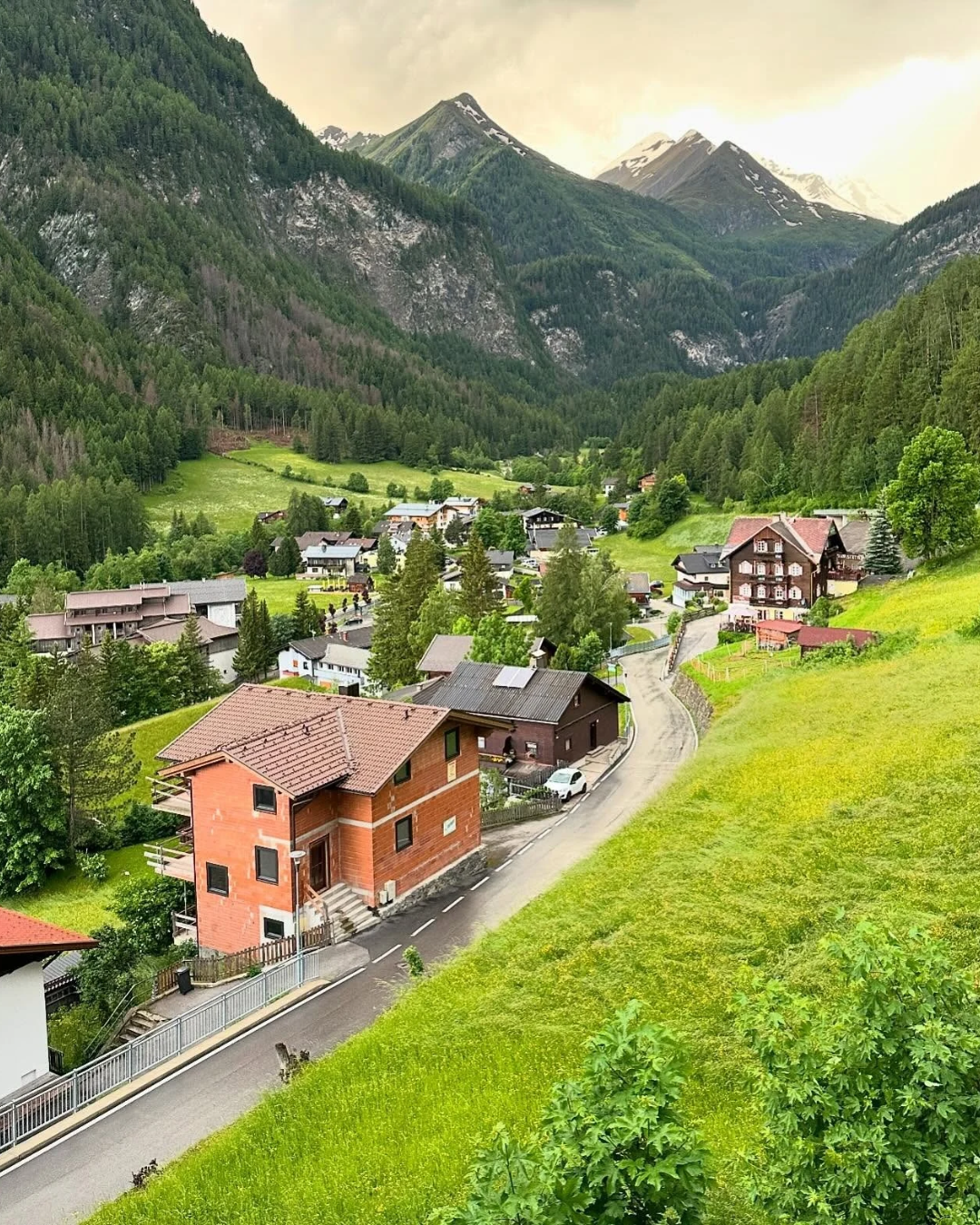
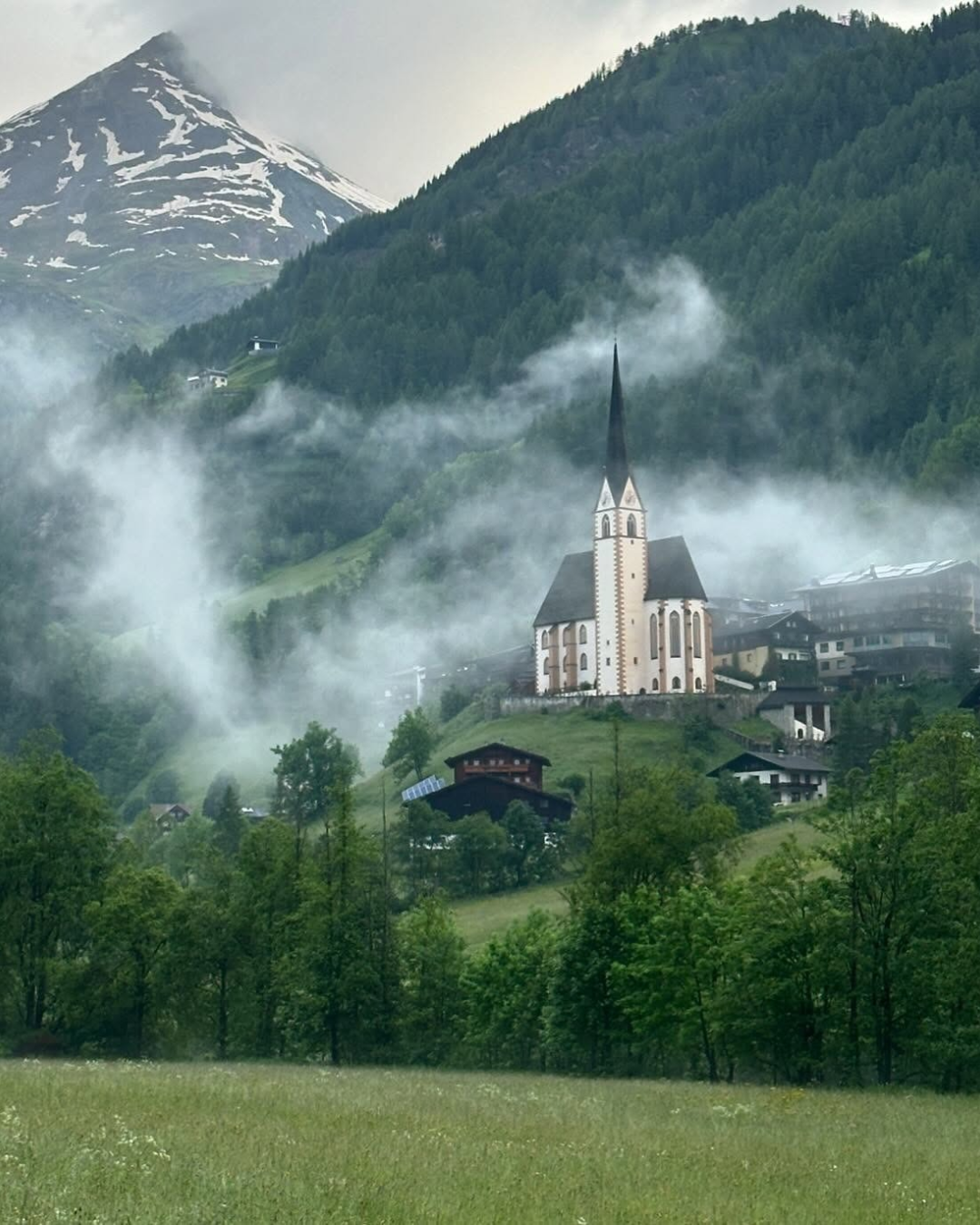
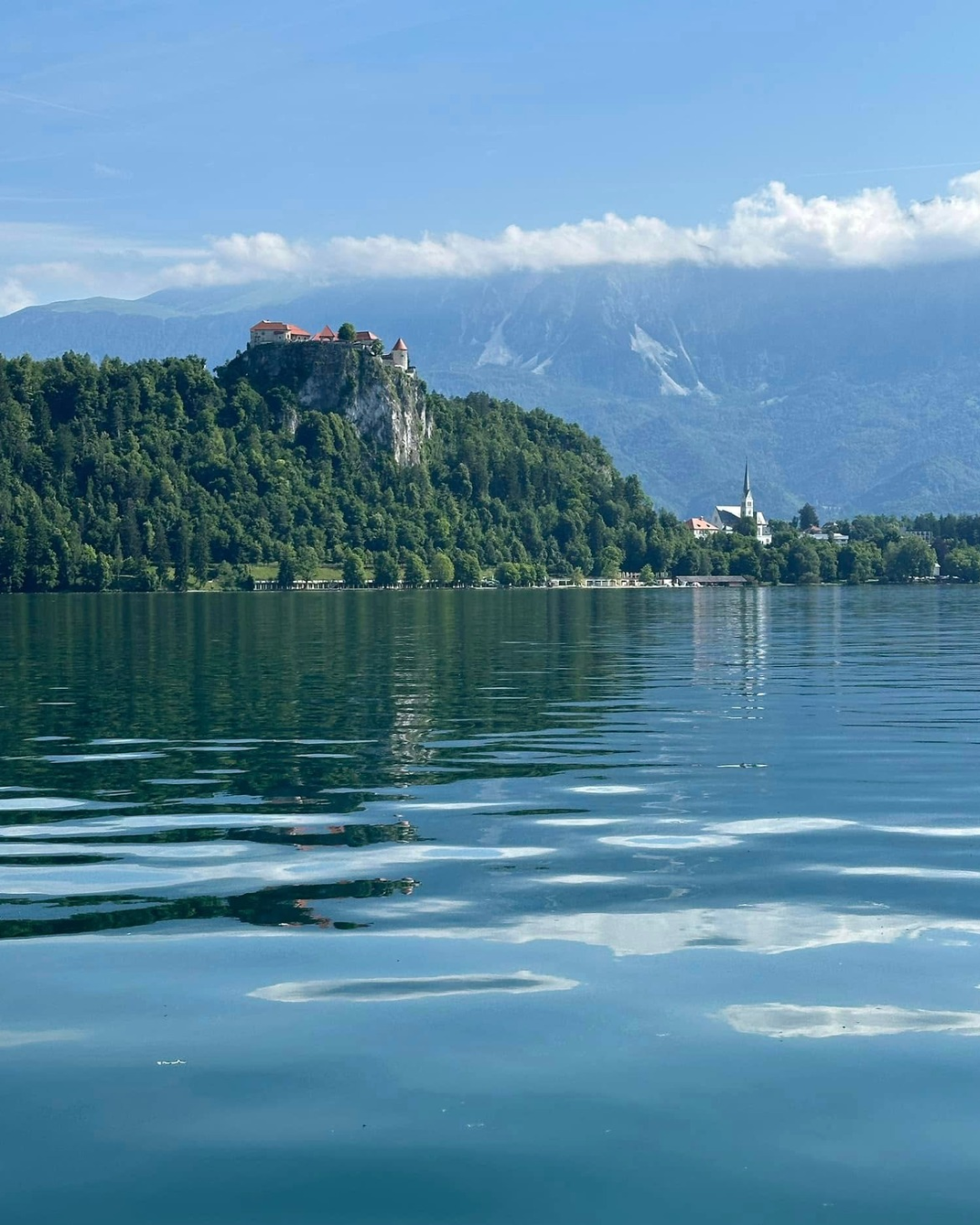
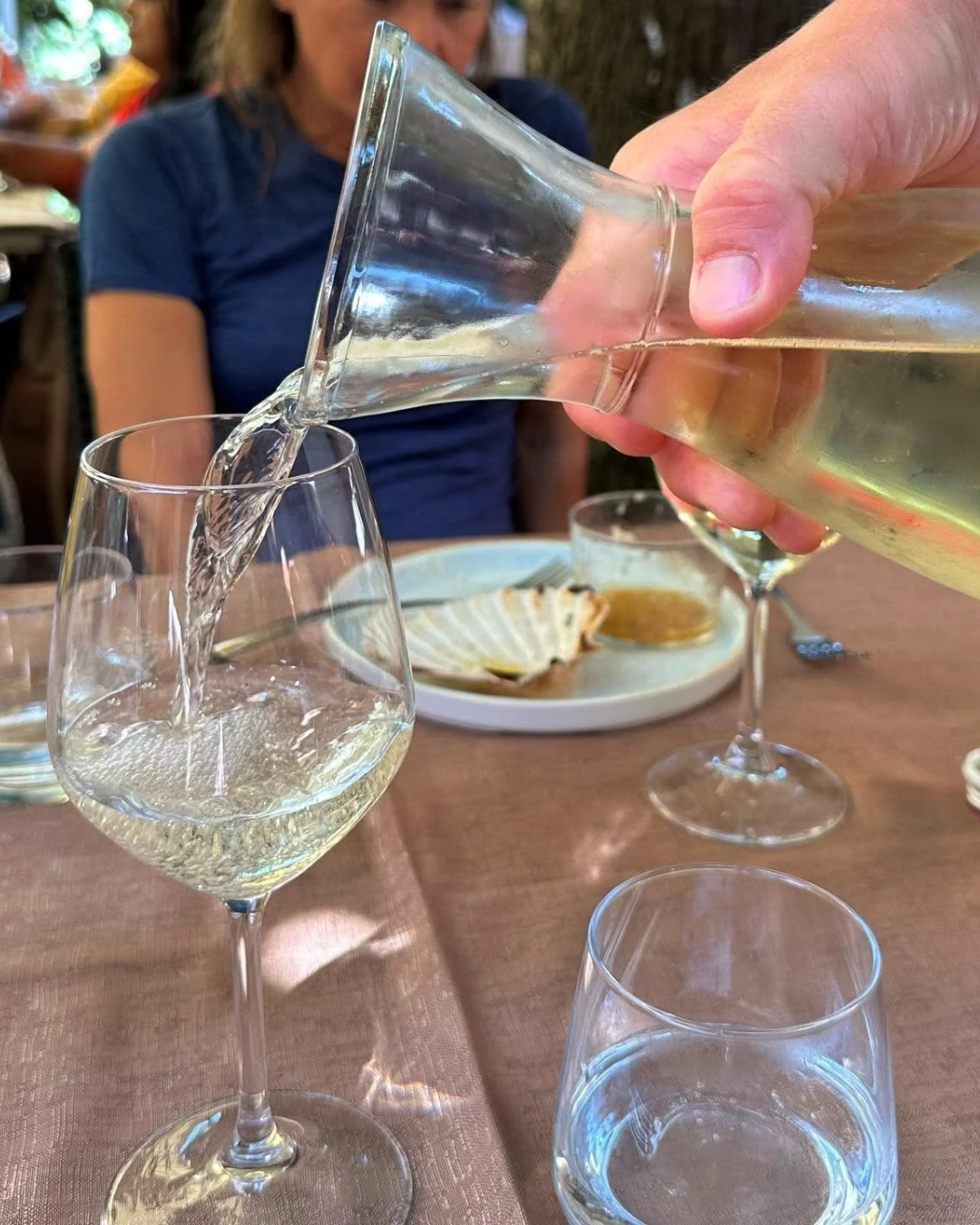
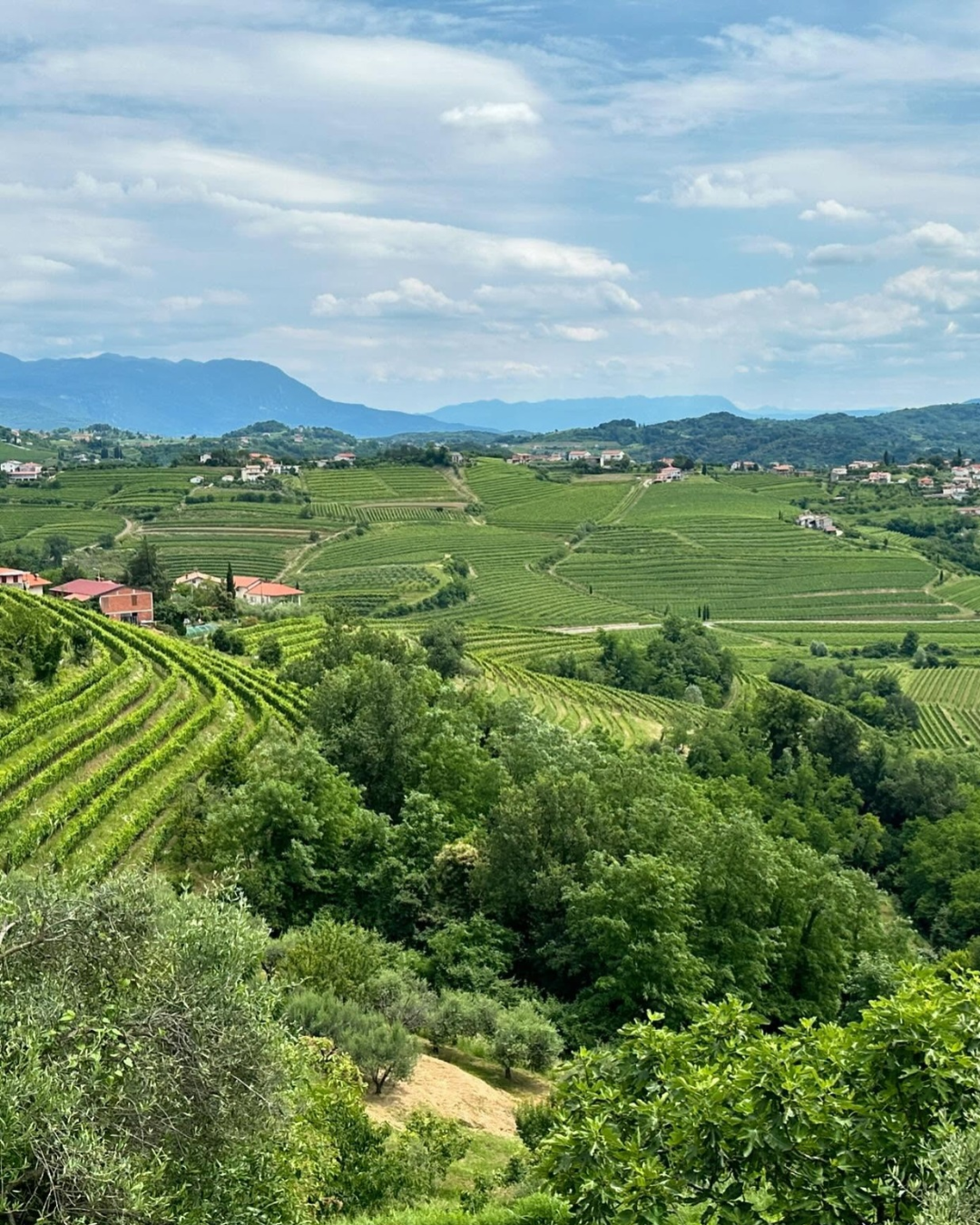
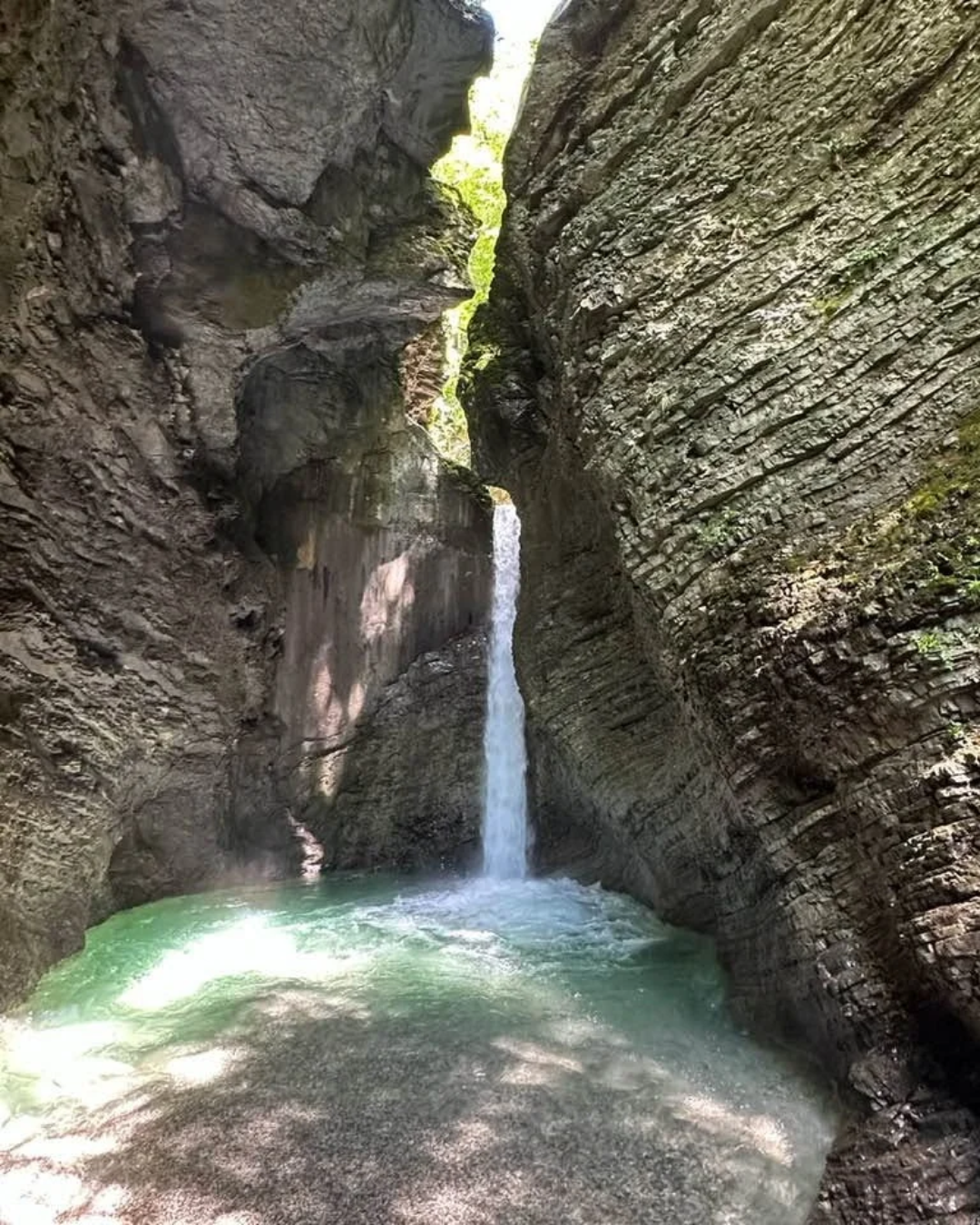
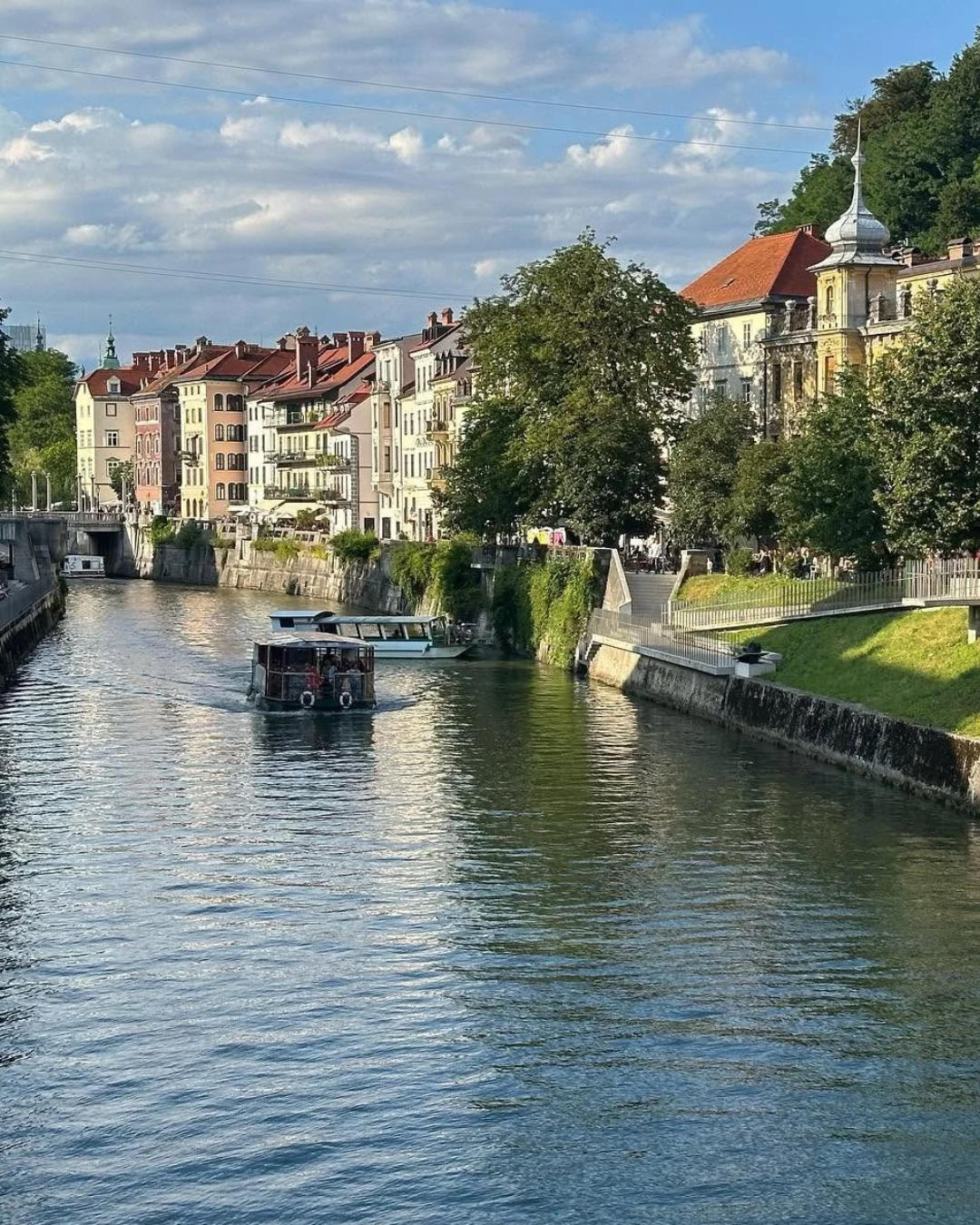
Fadiman strives to bring that same enthusiasm to the Alpe-Adria Trail, a dramatic trek winding through Slovenia, Austria, and Italy.
On Slovenia’s Lake Bled, travellers glide across clear blue waters aboard traditional flat-bottomed pletna boats – rowed by locals whose licensing rights have been handed down through family generations.
High in the alpine meadows, Fadiman introduces botanical techniques she learned while researching in Tibet, encouraging travelers to lie flat on their bellies to appreciate the exquisite structure of blooms growing close to the rocky soil.
During one memorable mountain dinner in the Julian Alps, a double rainbow suddenly stretched across the valley. The entire group rose from the table, stepping outside into the cool mountain air to capture the phenomenon together.
In Austria, Fadiman says the landscape shifts into storybook villages dotted with gingerbread chateaus, where balconies spill over with vivid red geraniums against shimmering green hills. Hikers pause on mountain ridges before descending toward soaring waterfalls, pausing at tiny alpine huts for lunches of traditional stew and hearty dark bread.
As the trail winds down toward the Adriatic Sea, travellers experience the complex history of shifting national borders. On the final leg of the trek, hikers pause at a single high vantage point where they can gaze out at Italy, Slovenia, and Croatia simultaneously.
Drawing on her extensive fieldwork in the Alps and Italy, Fadiman enriches every leg of the hike with deep historical context.
Fadiman says she views her role as an Expedition Expert as more than an academic guide. She sees herself as a catalyst for deeper observation and human connection.
“I feel honored to be able to be a part of these trips, exploring the world in a new way,” she said.
“My interactions with the guests are complete in the moment of the trip, and we revel in that. And with many, they evolve into relationships that have a life of their own long after the trips end.”
Why this National Geographic explorer thrives in the world’s most volatile places
How this National Geographic Expedition Expert offers a local lens on Japan’s history and culture
How this National Geographic expert enriches and educates travellers