Madi Wong
Editorial Content Lead
Editorial Content Lead
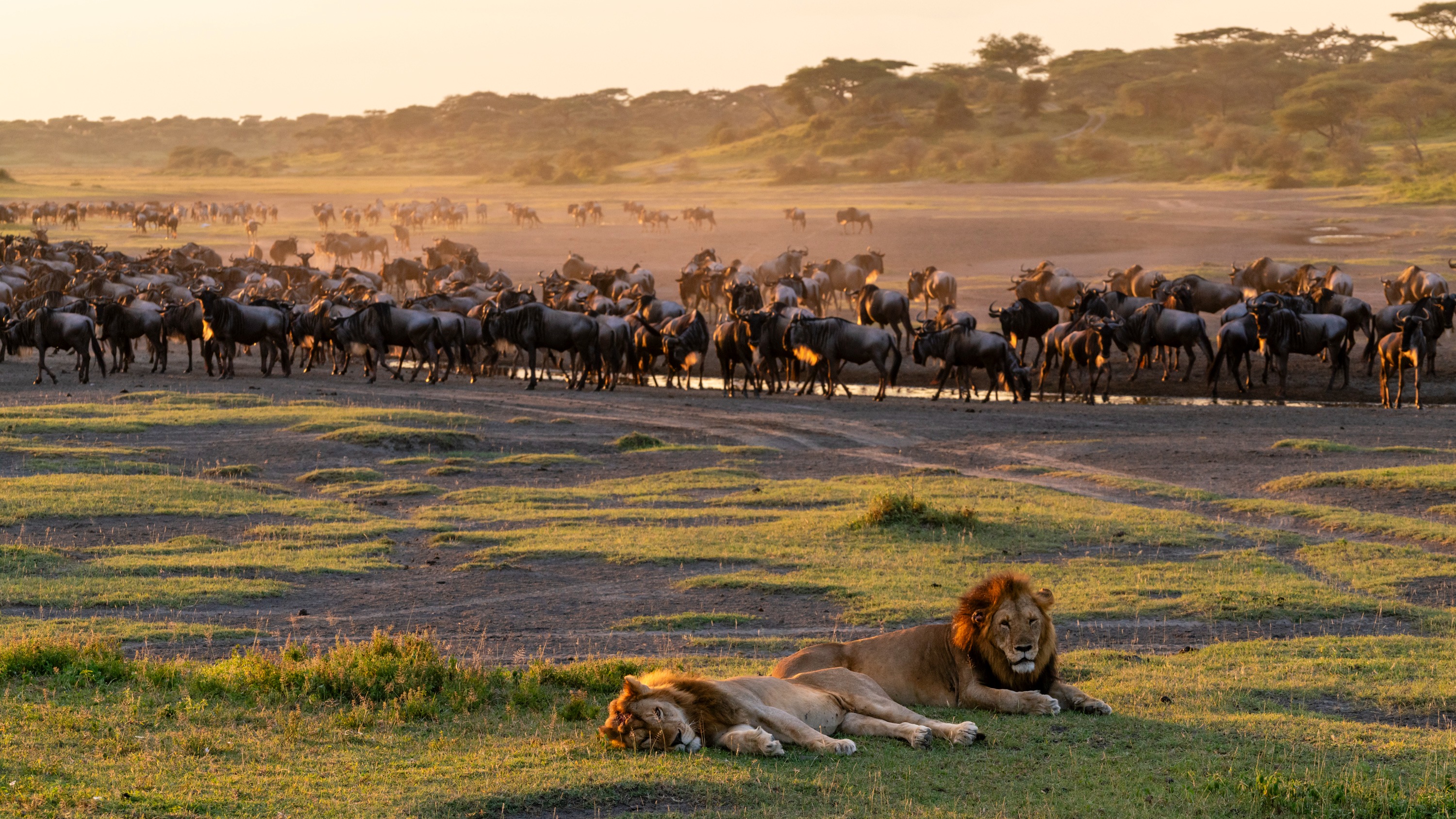
One of the most meaningful conservation stories award-winning conservation photographer Sergio Pitamitz has documented is the return of the Northern bald ibis to Europe.
“The species had been completely extinct in Europe for more than 400 years and was classified as critically endangered because the only remaining wild population was in Morocco’s Souss-Massa National Park,” said Pitamitz.
Documenting this conservation project came with challenges, as the process involved imprinting young ibises with adoptive mothers.
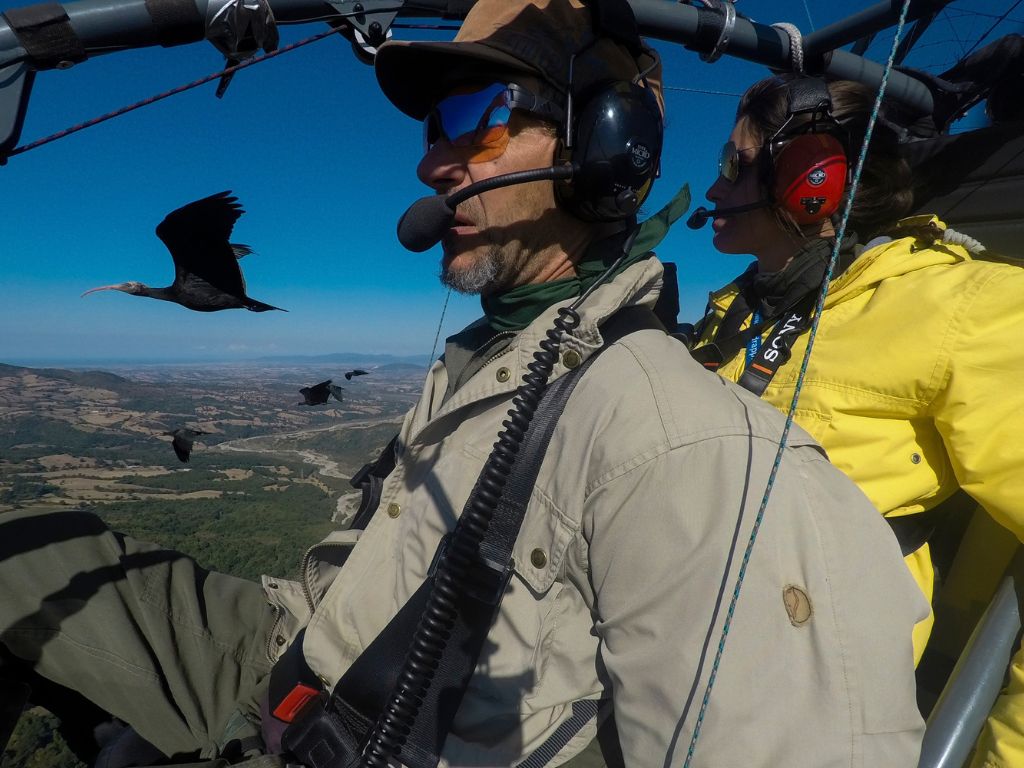
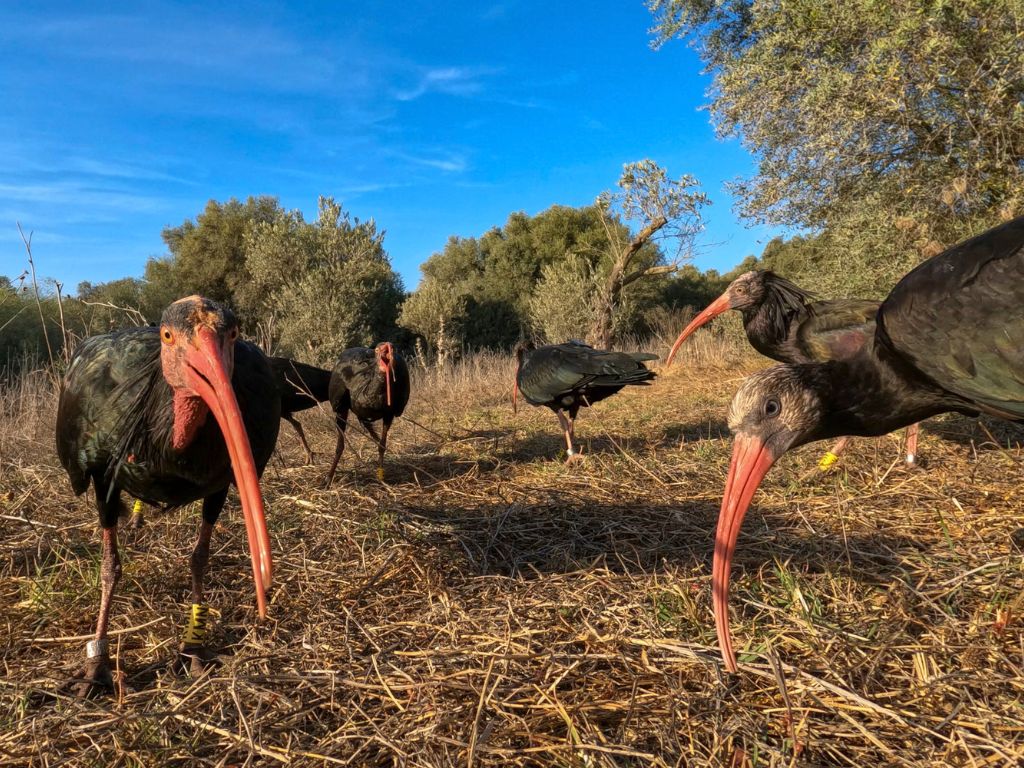
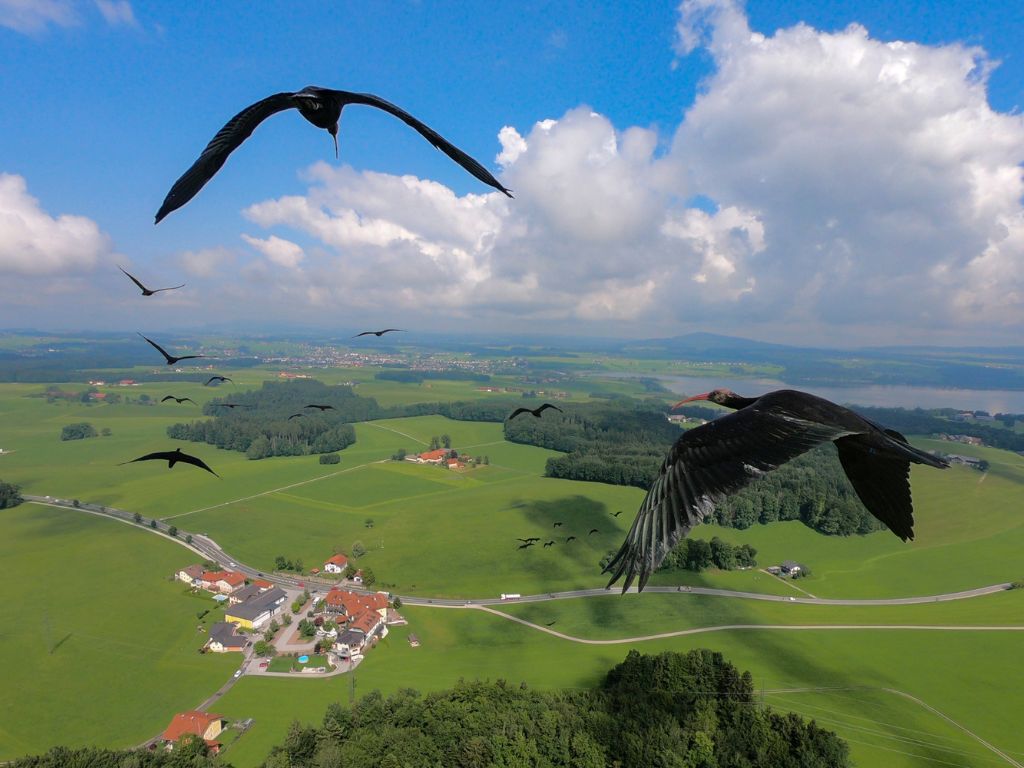
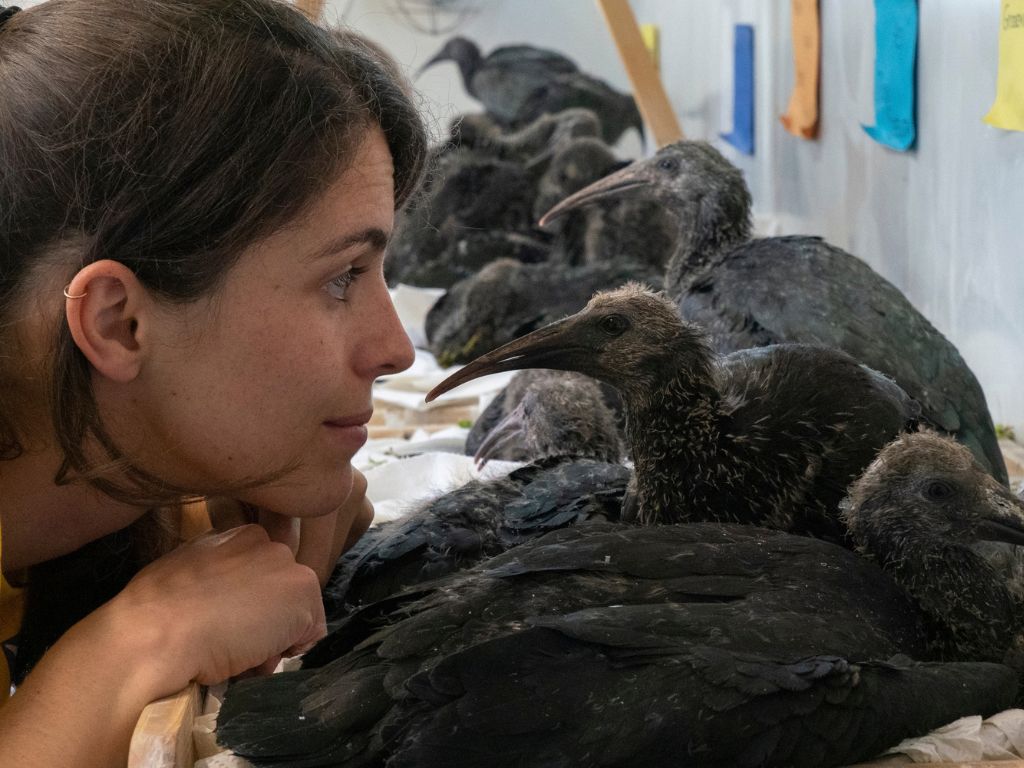
To photograph them, Pitamitz had to remain out of sight. Using a complex combination of portable hides, camera traps, remote-controlled optics, and drones, he became a silent observer, capturing the birds’ training without ever interrupting their process.
“The story took me to Austria, Spain, Italy, and Morocco, where I documented different stages of the conservation effort. What made this story particularly powerful was seeing how cooperation between researchers, local communities, and conservation organisations could create real change,” said Pitamitz.
“It is a positive and successful conservation story that demonstrates how, when we commit to protecting nature, we can help bring species back from the brink of extinction.”
Pitamitz has spent his career documenting the natural world across more than 100 countries and all 7 continents. A fellow of the International League of Conservation Photographers, Pitamitz has seen his work featured in global publications, including The New York Times, BBC Wildlife, and National Geographic, with his expertise also captured in his 2016 book, “Wild Africa.”
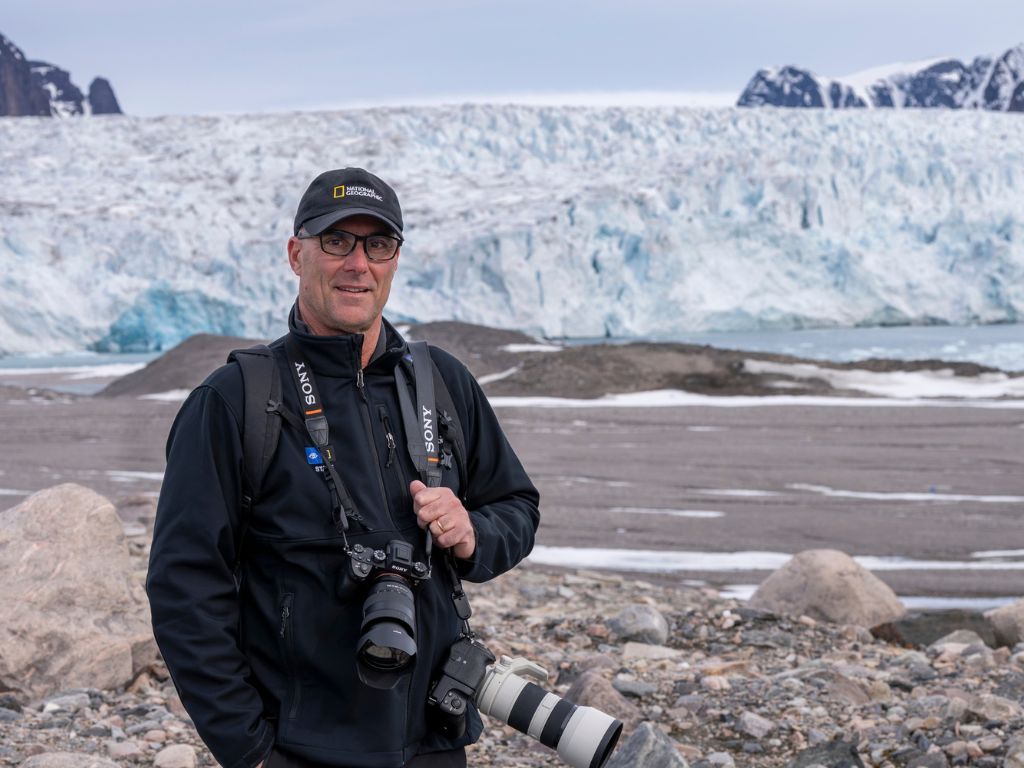
Renowned for a body of work that has earned top honors from the National Press Photography Association and the Audubon Society, he balances his relentless field assignments with a commitment to education, sharing his passion through lectures and guided tours as a National Geographic Expedition Expert.
For Pitamitz – his vision behind photography and storytelling are not just about capturing iconic images – it’s about observing, learning, and sharing experiences.
"A camera is just a tool," he says. "It is the person behind the lens who creates the image."
Pitamitz’s journey into the world of professional photography began in a completely different sphere: Formula 1.
"Working in motorsport taught me how to anticipate moments, work under pressure, and tell stories through images," he explains.
Later, he became a photographer for French photojournalism agency SIPA Press, spending three years in London and taking on assignments across the globe in Europe, Central and South America.
While shooting travel stories in Africa, editors began to take notice of the incidental wildlife images he captured.
"It was the photo editor at Corbis who encouraged me to focus more on wildlife photography, after seeing that the wildlife images I was shooting to illustrate my travel stories in Africa stood out," Pitamitz recalls.
He leaned into that encouragement, eventually immersing himself so deeply in East and Southern Africa that he completed a safari guide training course in Kenya.
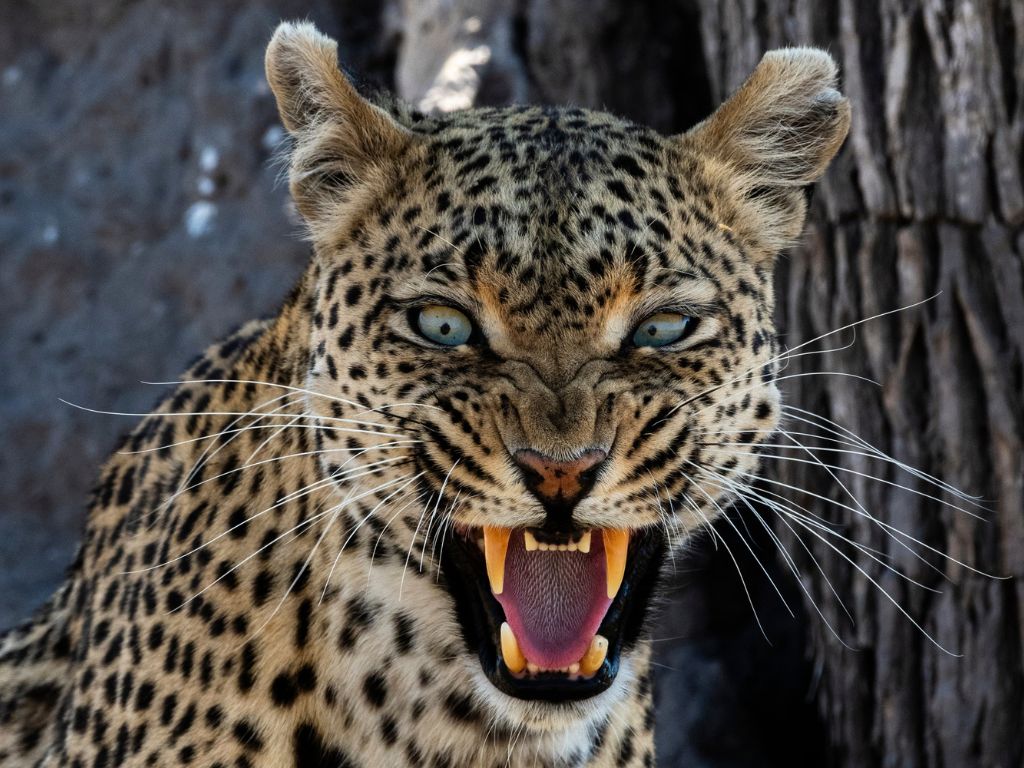
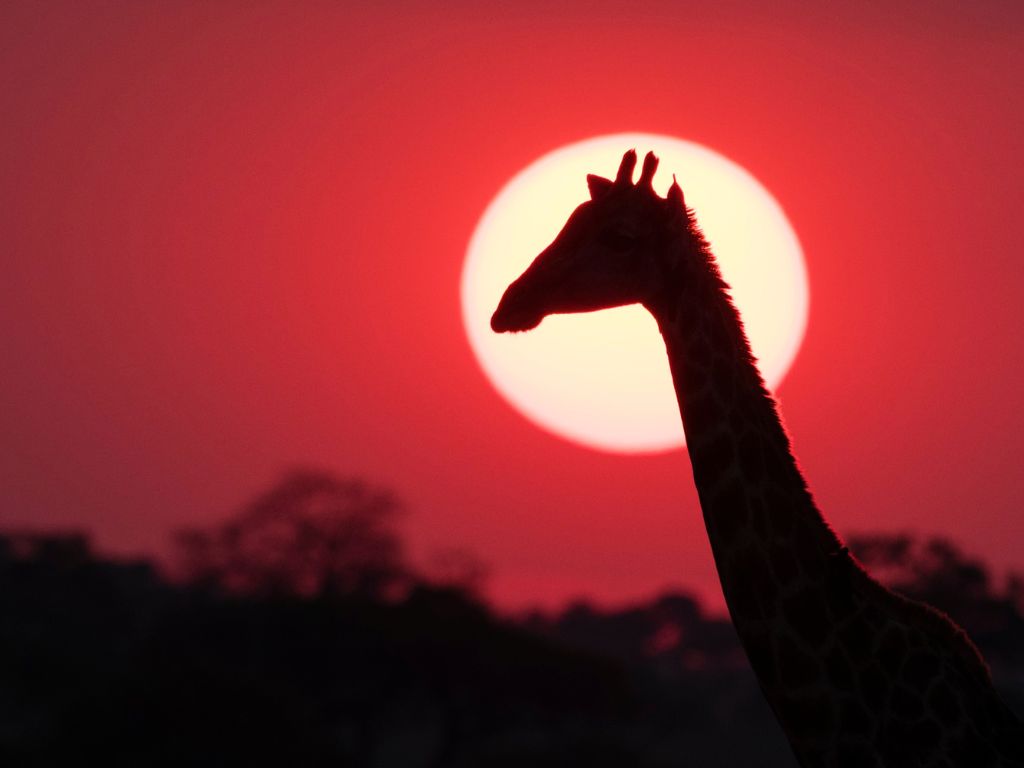
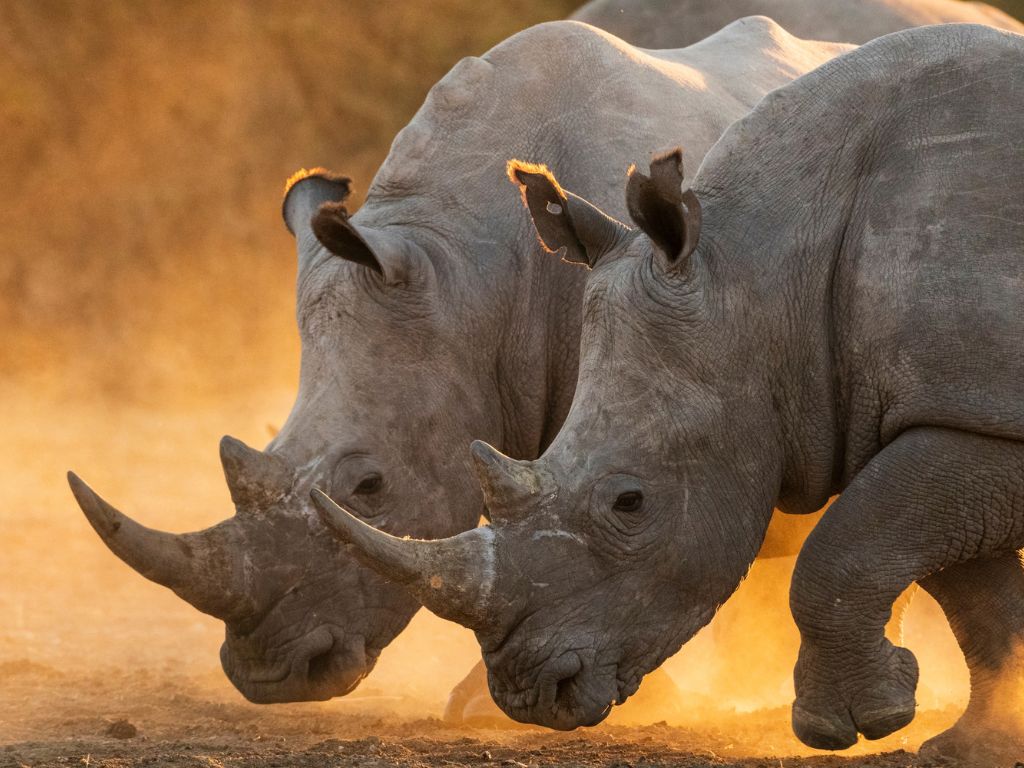
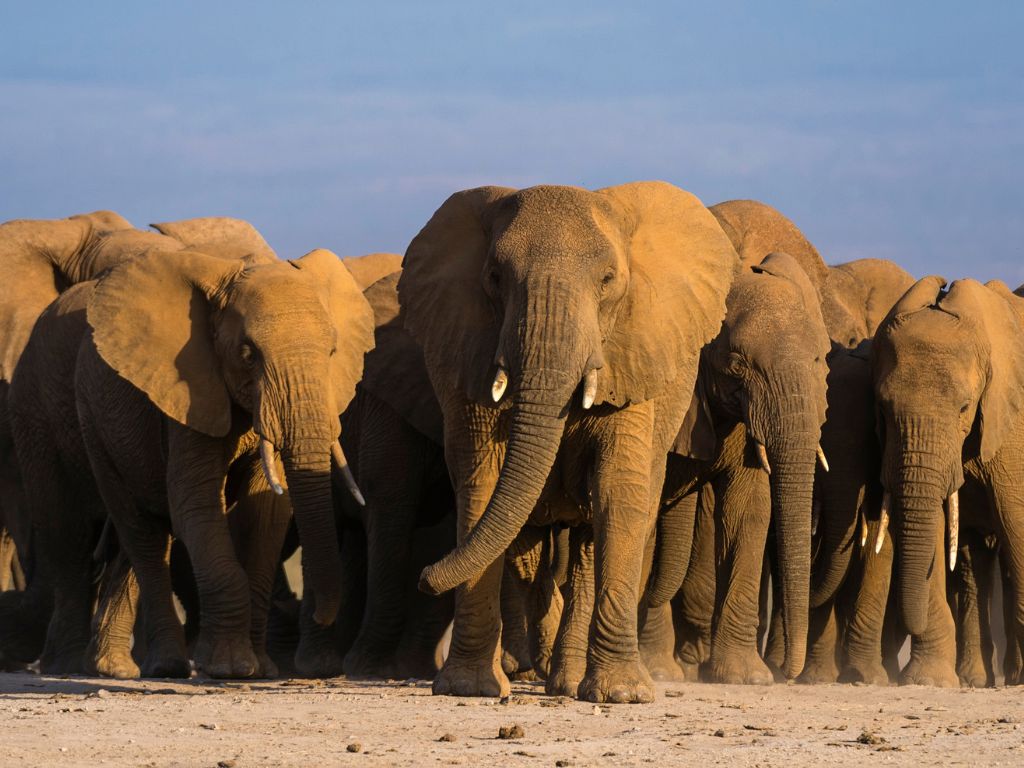
"This experience gave me a deeper insight into animal behaviour," he notes, "which has become an important part of my work as a photographer."
While his career spans the globe, Pitamitz took his first photographs as a child on the French Riviera, a region known for attracting artists including Picasso, Matisse, and Chagall.
"Growing up surrounded by these landscapes and this extraordinary light certainly contributed to developing my curiosity about photography," he says.
But it was his work with National Geographic – which began in 2013 –that brought him into the orbit of legendary wildlife photographers like Steve Winter.
"Steve was one of the first photographers I met when I joined National Geographic," said Pitamitz.
“His approach radically changed the way I approach conservation stories, teaching me to look beyond simply documenting a subject and to think more deeply about the story and the conservation issues behind it."
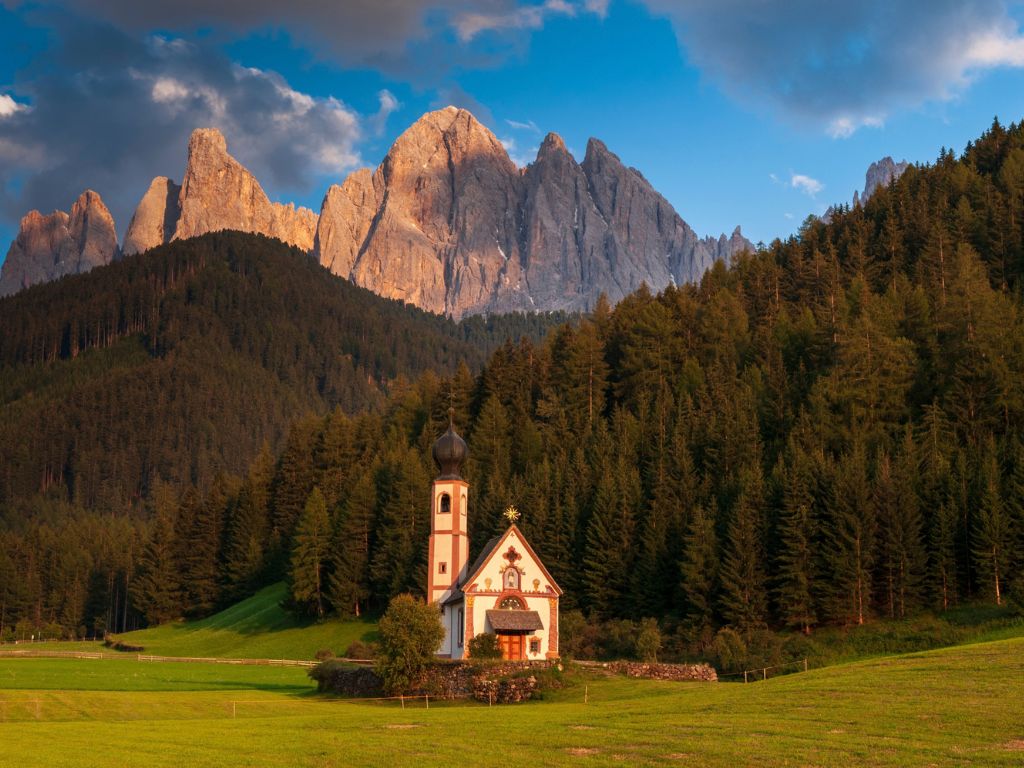
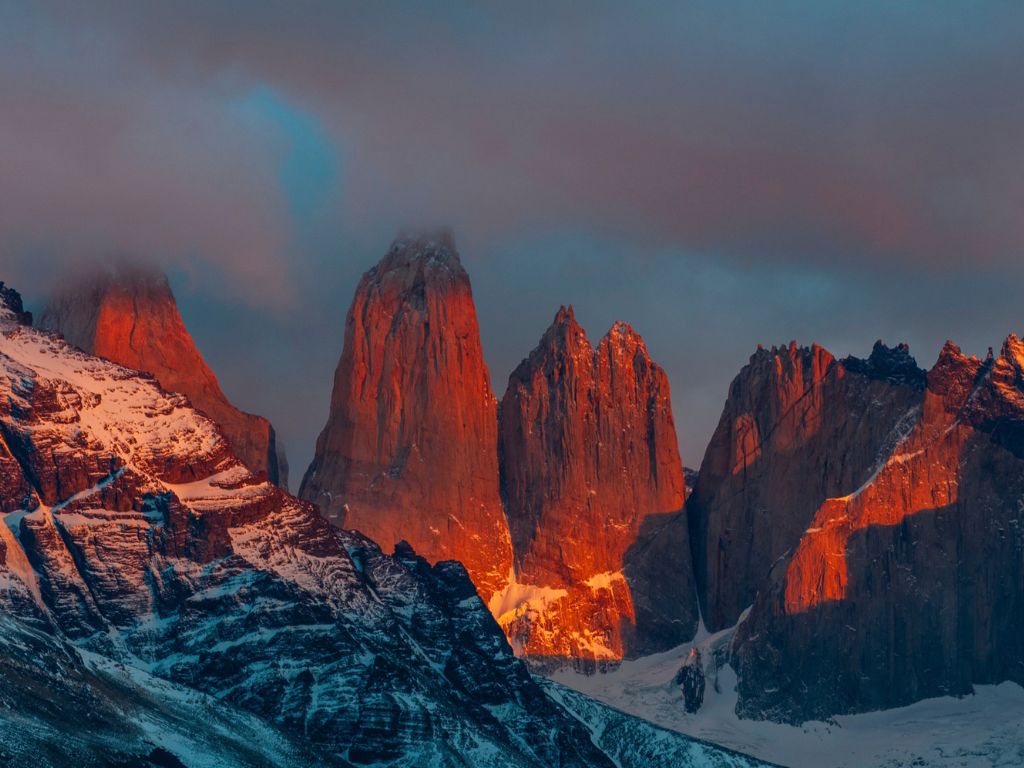

Today, Pitamitz’s career has expanded beyond the shutter. As a National Geographic Expedition Expert leading trips through Italy and Switzerland, he views his role as a bridge between travelers and the places they visit.
He lives near the Swiss border in the Italian Lake District, and he wants his guests to see more than the postcard-perfect vistas.
"I believe the role of a National Geographic Expedition Expert is not only to show places, but to help travellers understand them and look beyond the postcard to discover the culture, history, nature, and people that make a destination truly unique," he says.
He points to places like Italy’s Lake Maggiore and the Gorner Glacier in Switzerland, as destinations that deserve slow, deliberate observation.
At the glacier, he encourages travelers to contemplate the scale of the Alps and the sobering reality of a changing climate, using the landscape to spark conversations about global environmental shifts.
"Guiding travellers allows me to share those experiences in a more personal way," he says.
"Being a (National Geographic Expedition Expert) means inspiring curiosity, encouraging exploration, and helping people see the world from a different perspective."
He doesn't want his guests to leave with just digital files. He wants them to leave with a new way of looking at their surroundings. Whether they are carrying a high-end camera or a smartphone, he emphasizes that the magic isn't in the equipment.
"You don’t need expensive equipment to make beautiful photographs," Pitamitz tells his travelers. "My goal is to encourage people to slow down, observe, ask questions, and appreciate the stories behind the landscapes they are experiencing."