
Sam Hopkins
SEO Content Specialist
SEO Content Specialist
Now that October is finally here, the autumn/fall chill sets in and the veil between the living and the dead wears thin. It’s prime spooking season after all; a time to swap sun loungers for medieval ruins, plague-ridden vaults, and chilling ghostly goings-on.
So, if your idea of a great getaway involves stepping into fog-shrouded alleyways where dark history lingers around every corner, then you're in good company. From ancient castles with gruesome pasts to atmospheric ports steeped in piracy and macabre legends, these 12 haunted cities and towns prove that some places never truly rest. But be warned; you may need to keep the lights on after!
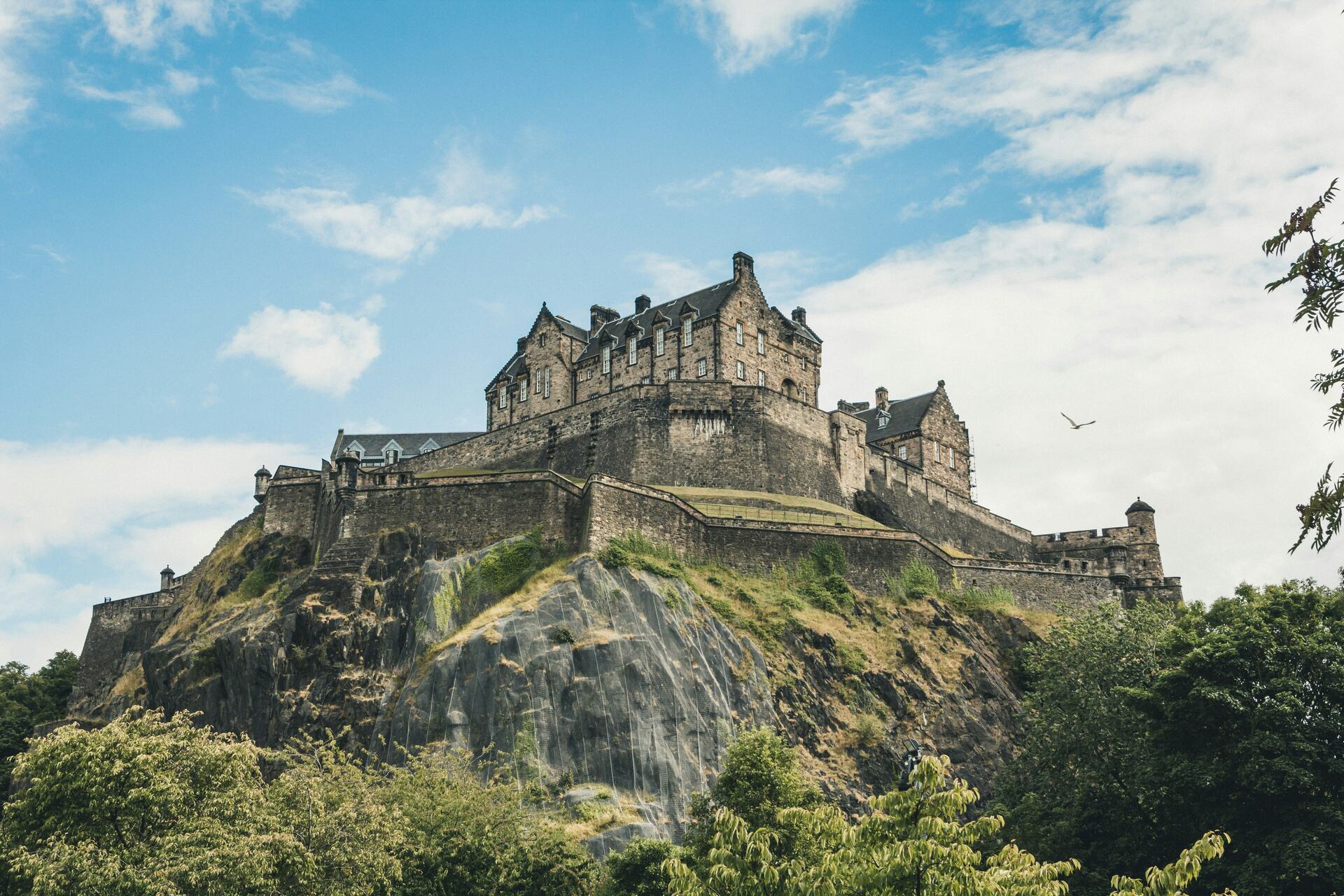
Scotland’s capital practically invented the gothic horror genre, with its towering stone tenements, subterranean vaults, and a penchant for gruesome medieval history. That dark atmosphere is perhaps nowhere more apparent than at Greyfriars Kirkyard, where the infamous Mackenzie Poltergeist is said to bruise and scratch unsuspecting visitors near the Black Mausoleum.
The city’s eerie history continues beneath the bustling surface of South Bridge, where the damp stone chambers of The Edinburgh Vaults once harboured dying plague victims, illegal whisky distilleries, and the body-snatching duo Burke and Hare, who supplied fresh corpses to local medical schools. Back above ground, Edinburgh Castle stands atop a dead volcano, and legend has it that the faint, mournful sound of the Phantom Piper can still be heard within its grounds. The boy is said to have vanished into the castle’s secret tunnels hundreds of years ago and never walked out. He’s not the castle’s only ghostly resident, either; a headless drummer is also said to appear, with his warning call considered a sign of impending doom.
With its moss-draped oak trees, grand antebellum architecture, and a scarred past shaped by yellow fever epidemics and brutal Civil War battles, Savannah in Georgia, the US, is a sun-drenched town with a very dark heart. One of its most notorious haunted spots is The Old Sorrel-Weed House, a sprawling 1830's estate legendary for heavy paranormal activity, disembodied footsteps, and lingering shadows tied to tragic deaths on the property.
From there, head down towards the river and The Pirates’ House, which has been slinging grog since 1753. Sailors were reportedly drugged and ‘shanghaied’, or kidnapped, through secret subterranean trapdoors and sent aboard merchant ships bound for sea. According to local lore, some who never made it home may still be lingering nearby. The ghost stories continue at Moon River Brewing Company, where staff regularly dodge flying pint glasses attributed to ‘Toby’, a resident spirit said to roam the basement. Over at The Marshall House, meanwhile, guests frequently report seeing phantom nurses tending to invisible patients at 3:00am, a chilling reminder of the building’s former life as an 1800's war hospital.
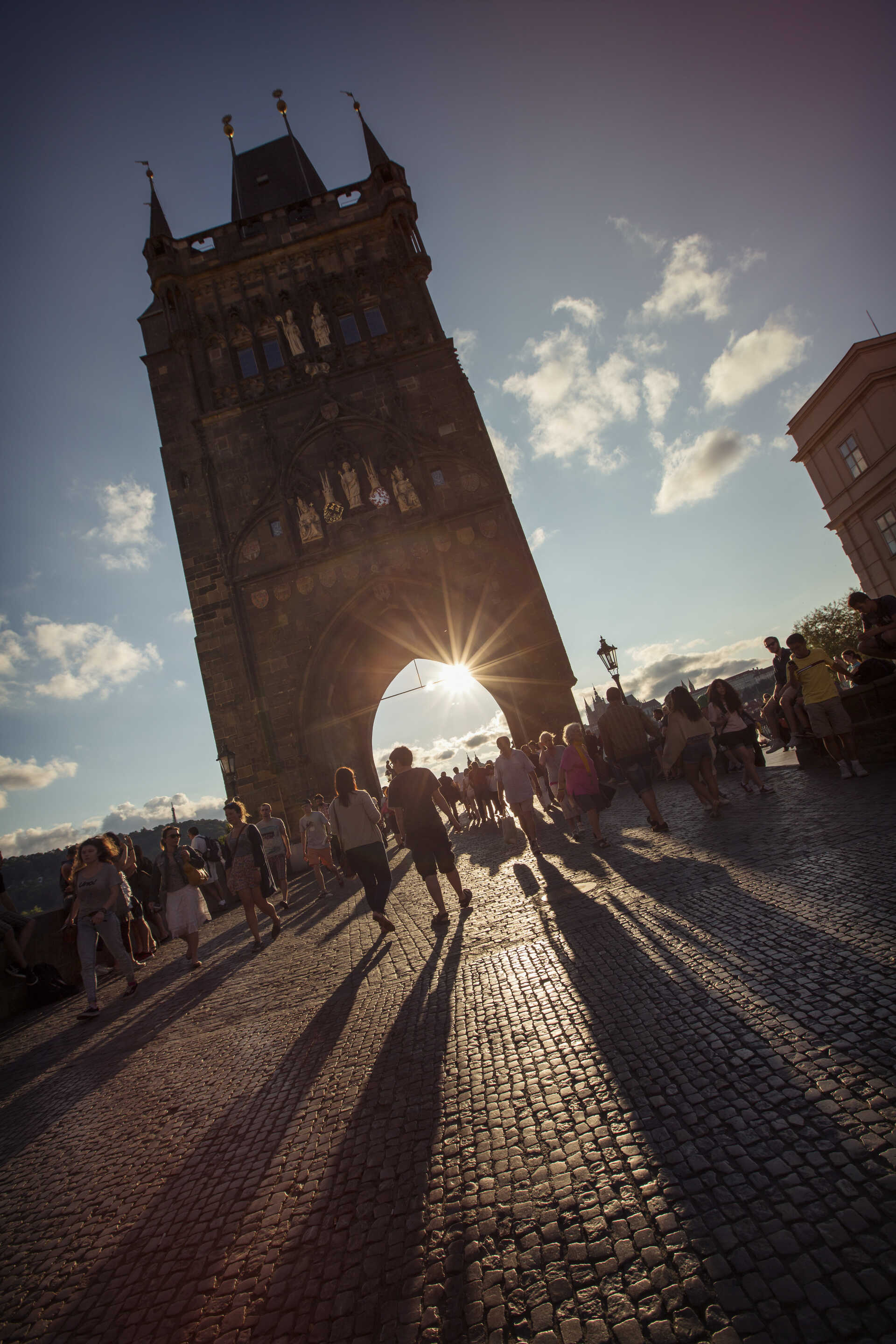
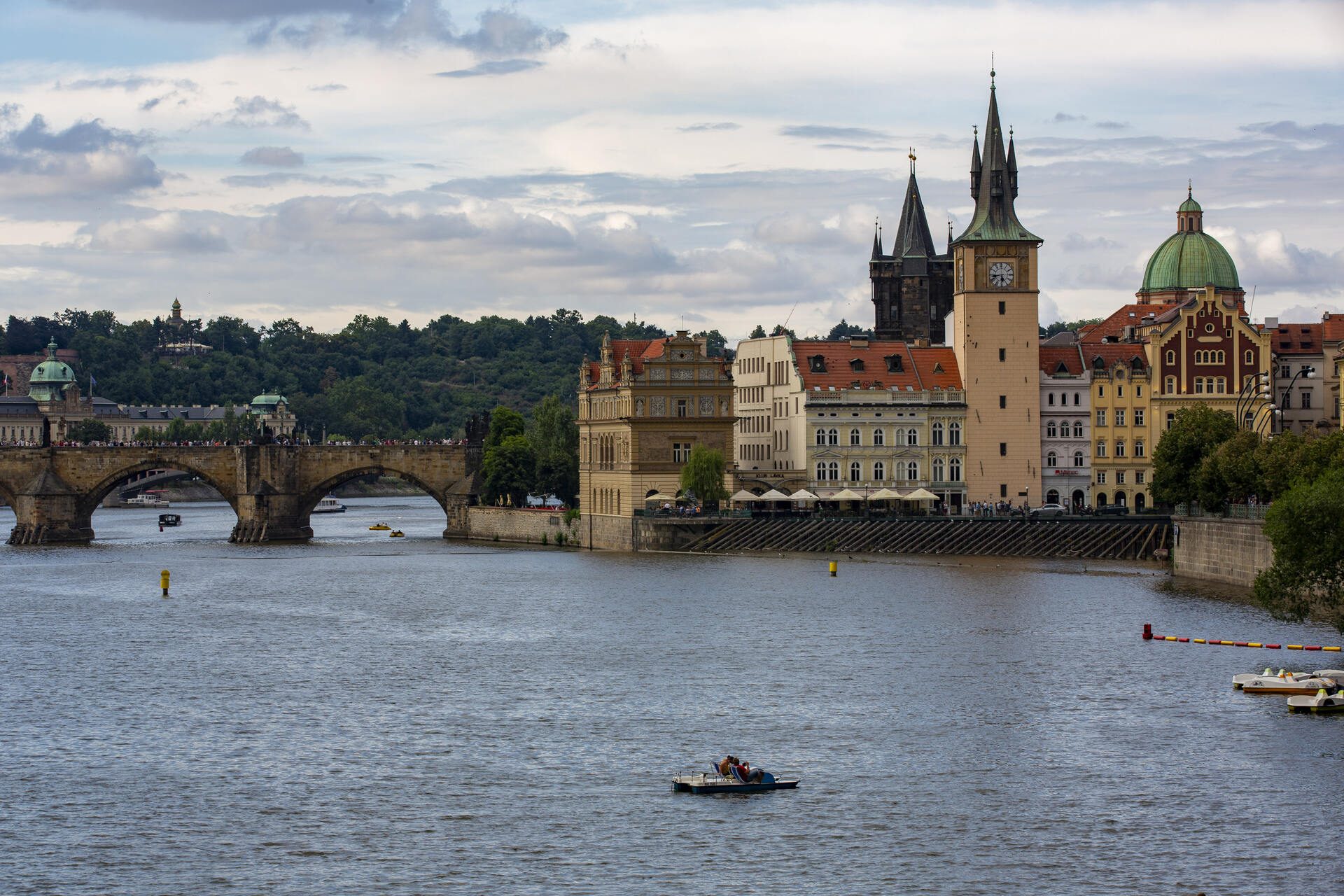
Prague’s skyline of black Gothic spires and cobblestone labyrinths feels like a dark fairy tale come to life, complete with centuries of alchemy, executions, and occult history. As midnight mist rolls off the Vltava River onto Charles Bridge, keep watch for the headless spirits of 27 Protestant leaders executed in 1621, whose heads were displayed in iron baskets from the bridge towers.
The city’s darker legends continue at the legendary Faust House on Karlovo náměstí, where local lore tells of an eccentric student who made a pact with the devil and was dragged straight through the ceiling, leaving a hole no mason could ever repair. Beneath the iconic Old Town Square, medieval dungeons add another layer of grim history and reported spectral sightings, while a walk down the shadowy Haunted Alley in Hradčany, near the castle, could put you face-to-face with a fiery headless horseman. Yikes!
No town wears its dark past quite like Salem, where the paranoia of the 1692 Witch Trials led to the wrongful execution of 19 innocent people. The story lives on at The Witch House, the former residence of Judge Jonathan Corwin and the only building still standing in Salem with direct ties to the trials. Nearby, The Joshua Ward House stands over the property of Sheriff George Corwin, who earned the nickname ‘The Strangler’ for his horrific interrogation methods.
The town’s grim history becomes even more atmospheric at the Old Burying Point Cemetery, where visitors report cold spots, strange photographs, and sudden battery drains near the judges’ graves. From there, take a quiet walk to Proctor’s Ledge, the actual execution site, before ending the evening at the Hawthorne Hotel. Here, phantom sea captains are said to haunt the lobby, while guests in room 325 have reportedly watched the faucets turn on all by themselves.
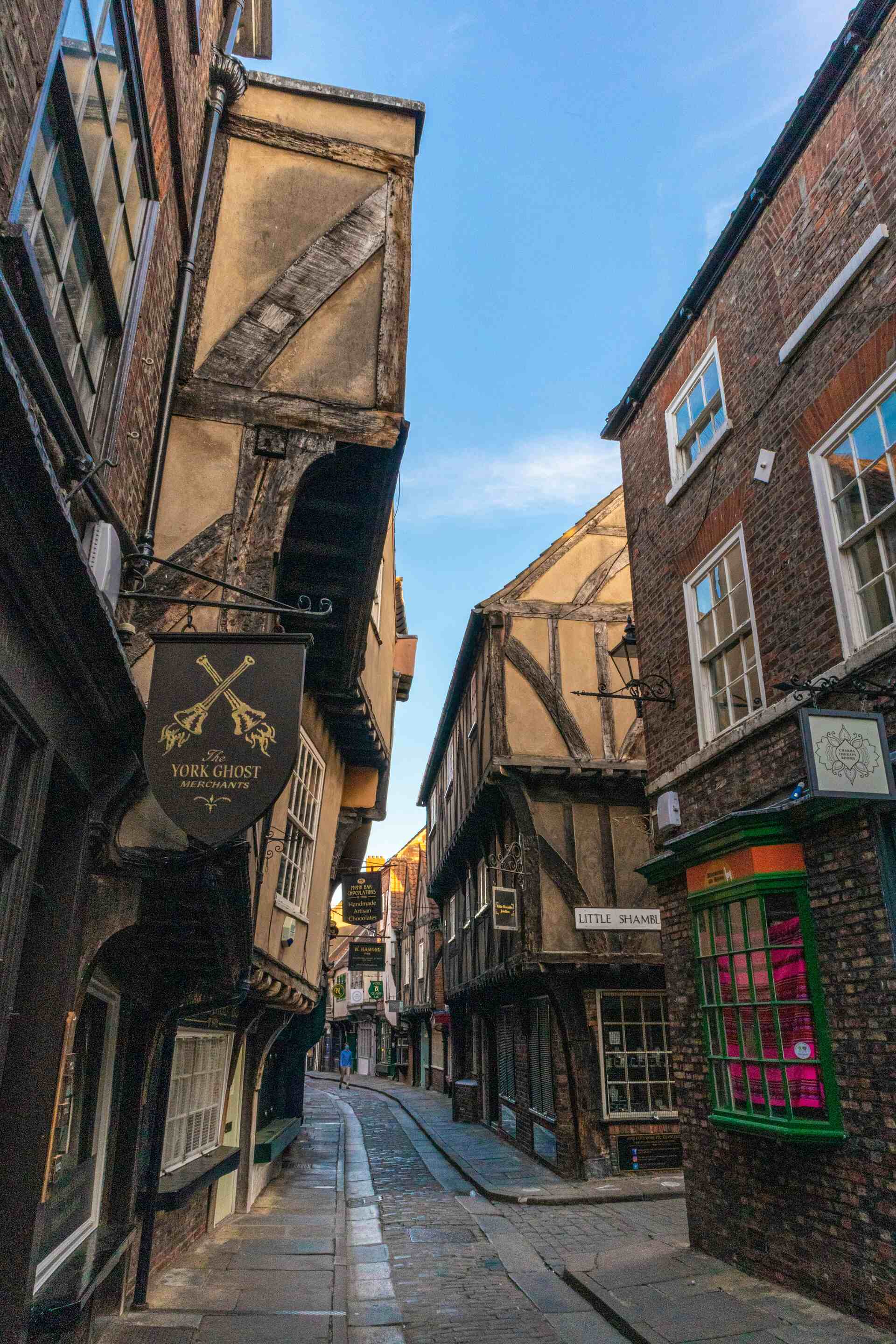
Having survived gruesome Roman conquests, Viking raids, and bloody medieval sieges, York holds the title of Europe’s most haunted city. Its ghostly reputation is particularly strong at The Golden Fleece, an alehouse dating back to 1503 that supposedly boasts 15 resident ghosts, including Lady Alice Peckett, who is said to glide down the stairs.
The city’s darker history can be explored just around the corner at Ye Old Starre Inn, which sits over a deep cellar that once served as a gruesome Civil War field hospital where amputations were performed without anesthesia. Further on, the reconstructed Victorian street at York Castle Museum occupies the site of a former 18th-century prison, where shadowy figures are said to linger by the cell doors. Even York Minster has its spectres, although perhaps the city’s most famous ghost story belongs to the Treasurer’s House. In 1953, a plumber working in the cellar reportedly witnessed a full legion of weary, phantom Roman soldiers marching straight through the stone walls.
Beyond the romantic boulevards and chic pâtisseries, the French capital is built above a terrifying subterranean network of human remains. Nowhere is that more apparent than the Catacombs of Paris, a dark ossuary winding 20m (65 ft) underground and containing the artfully stacked bones of more than six million Parisians, moved there from overflowing plague cemeteries in the 18th century.
The city’s macabre side continues above ground at Père Lachaise Cemetery, where peaceful, tree-lined paths wind between ornate family crypts and the famous graves of figures including Oscar Wilde and Jim Morrison. Alongside the celebrated dead, the cemetery is also the subject of phantom sightings involving long-dead figures wandering among the tombs. Further across the city, the towering gargoyles of Notre-Dame de Paris have watched over centuries of dark urban folklore, public executions, and ghostly apparitions near the Seine.
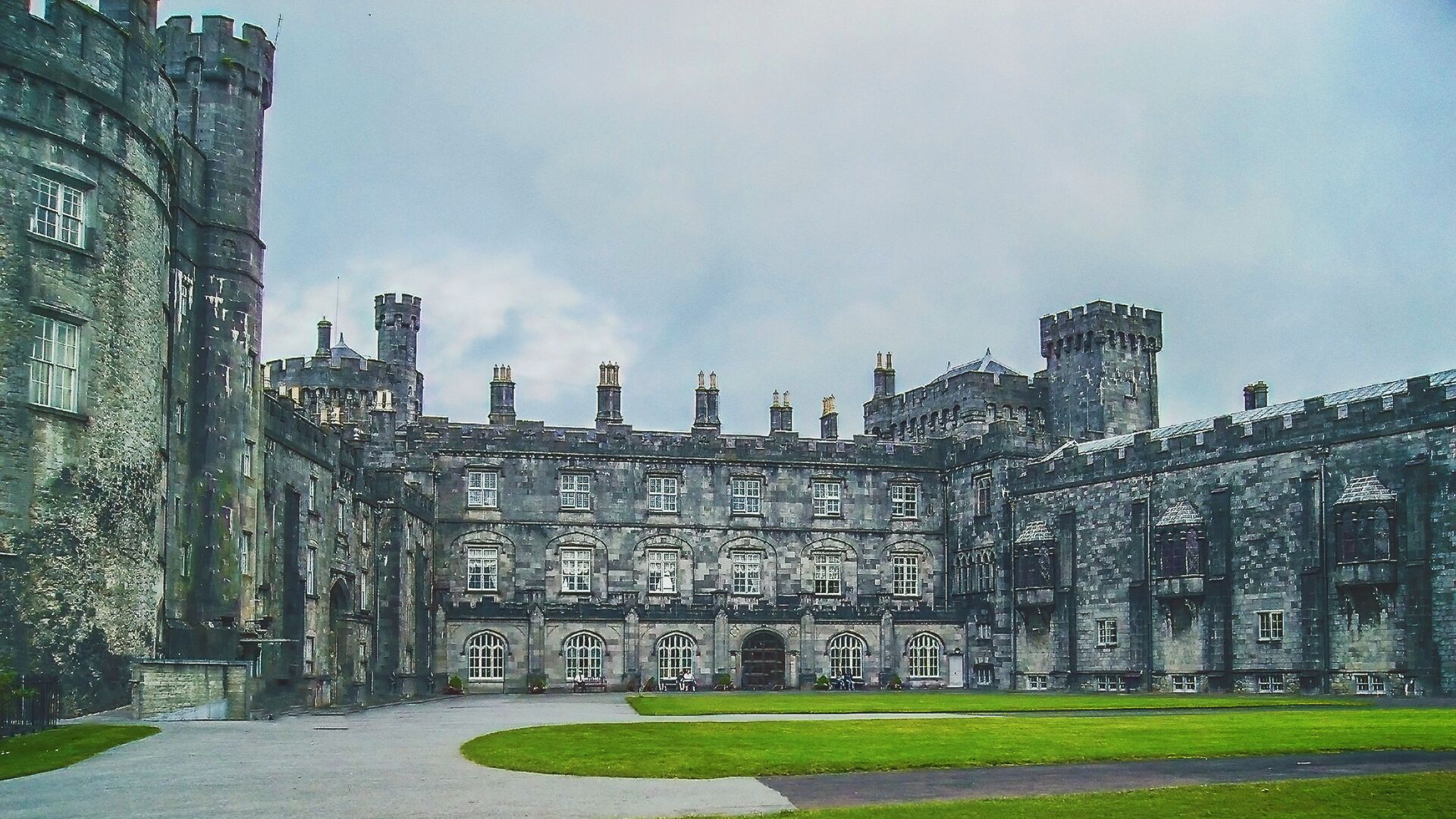
With a history dating back over 900 years, this Irish medieval town is rich with tales of witch trials, ancient curses, and devastating floods. At the towering 12th-century Kilkenny Castle, the ‘White Lady’, believed to be Lady Margaret Butler, is routinely spotted wandering the grounds and corridors late at night.
From the castle, head into the heart of town to Kyteler’s Inn, established in 1324 by Dame Alice Kyteler, the first woman accused of witchcraft in Ireland. After she fled, her maid was burned at the stake, and Alice’s spirit is said to still linger near the stone hearth. The town’s ghost stories don't end there: near John’s Bridge, where a 1763 flood killed 16 locals, eerie figures are reportedly seen clinging to the river supports on foggy mornings. Just outside town, Foulksrath Castle has its own tragic tale, involving a medieval guard who fell asleep on duty, was thrown from the battlements as punishment, and is now said to stomp heavily up the stone stairs.
Cobblestone alleys, flickering gas lamps, and grand antebellum homes give Charleston immense southern charm, but its past as a hotbed for piracy, war, and disease leaves a darker residue. That history comes to life at The Old City Jail, whose grim, unheated cells housed notorious pirates, Civil War prisoners, and America’s first female serial killer, Lavinia Fisher, from 1802 to 1939.
The city’s darker side continues underground at The Old Exchange and Provost Dungeon, where damp brick arches recall the horrific conditions in which British forces held military captives. At White Point Garden, meanwhile, the ocean breeze carries tales of the dozens of captured pirates who met their end on the gallows along the waterfront. For something slightly less gruesome, stop at the historic restaurant Poogan’s Porch, where diners regularly report feeling the ghost of a beloved dog named Poogan brushing against their legs beneath the tables.
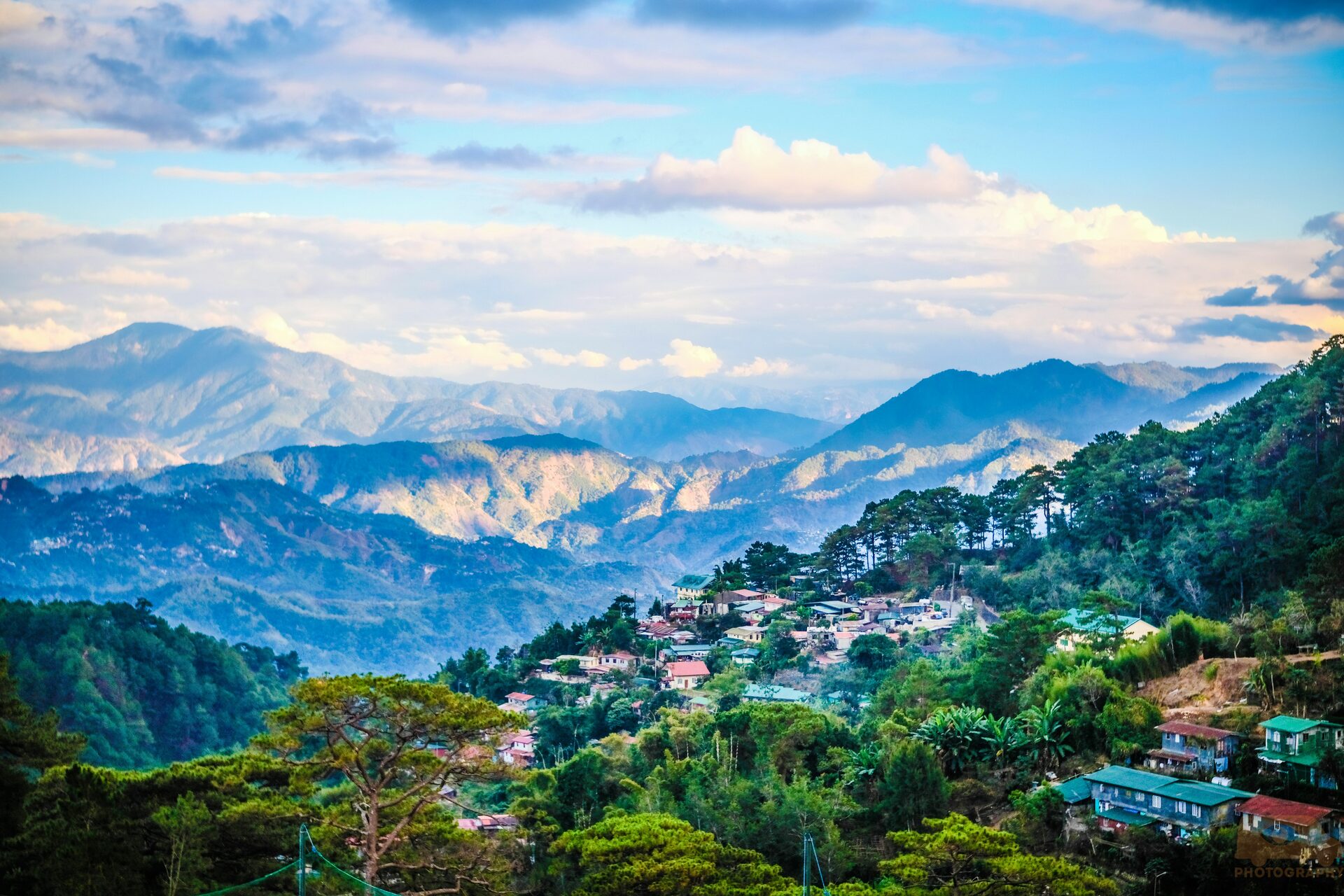
Perched high in the misty, pine-covered mountains of Luzon, Baguio is known as the summer capital of the Philippines, as well as its undisputed paranormal hub, largely due to the intense devastation it suffered during World War II. Atop Dominican Hill, the crumbling concrete ruins of The Old Diplomat Hotel are said to conceal a particularly dark history, with visitors reporting headless apparitions and heavy doors slamming shut on their own.
Nearby, Teacher’s Camp, established in 1908, has developed an equally eerie reputation, with travellers reporting shadowy figures walking the hallways and disembodied voices echoing at night. The stories continue at the elegant Laperal White House, built from dark tropical hardwoods and now standing as a chilling monument to the family members and soldiers who perished within its walls during the Japanese occupation.
With its colourful 16th-century houses and cobblestone streets, this UNESCO World Heritage citadel in Romania's Transylvania region looks picture-perfect — until you remember that it is the birthplace of Vlad the Impaler, the bloodthirsty prince who inspired Count Dracula. At the heart of the citadel stands the Vlad Dracul House, the very building where Vlad was born in 1431, where visitors can dine in the rooms where his reign of terror began.
The town’s gruesome history is even more apparent at the 64m (210 ft) Clock Tower & Torture Room, where visitors can see the medieval instruments once used to break prisoners. From there, climb the Covered Stairway (Scara Școlarilor), a dark wooden tunnel built in 1642 that creaks ominously with every step. At the top, it leads to the ancient Church on the Hill and Saxon Cemetery, where weathered tombstones sit beneath a thick forest canopy.
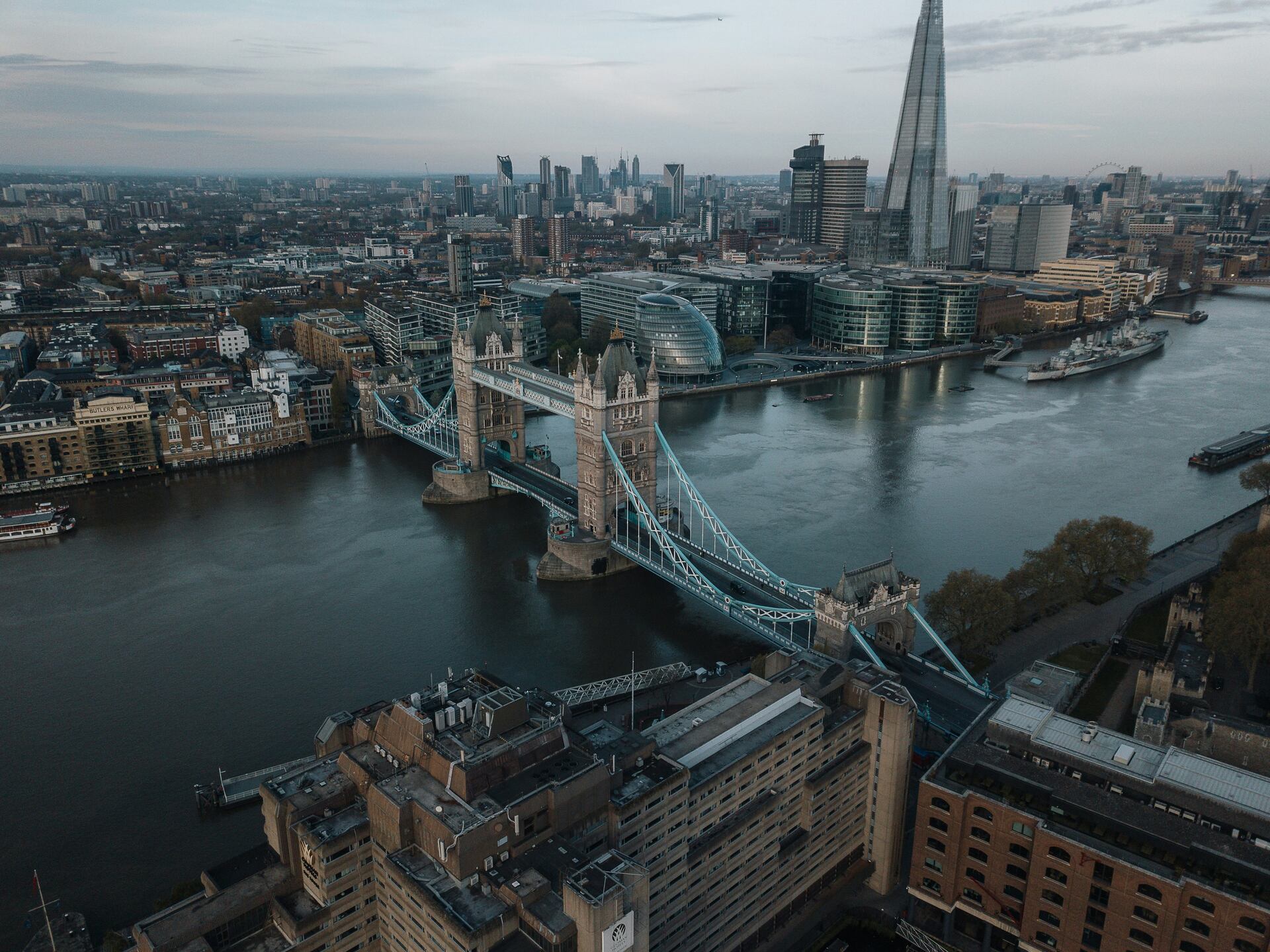
With two millennia of bloody history, plague outbreaks, public executions, and notorious serial killers, London is practically built on a foundation of ghost stories. Few places capture that darker side of the capital better than the Tower of London, where the headless spirit of Anne Boleyn is said to wander near the chapel where she was executed.
The royal ghost stories continue at Hampton Court Palace, where Catherine Howard, Henry VIII’s fifth wife, can reportedly be heard screaming down the aptly-named ‘Haunted Gallery’ as she pleads for her life. For a darker slice of London’s history, head east to The Ten Bells in Spitalfields, a pub closely linked to Jack the Ripper’s victims, before making your way to Highgate Cemetery, an overgrown Victorian necropolis famous for its vampire folklore.
Even the Underground has its own ghost story. Commuters at Bank Station have reported seeing the ‘Black Nun’, while drinkers at The Viaduct Tavern can sip beer directly above former prison cells which are rumoured to be haunted by an entity called ‘Fred’. And if you're still feeling brave, finish at 50 Berkeley Square, an 18th-century townhouse whose attic room was once said to contain an entity so terrifying that it supposedly scared visitors to death.
Amidst the neon-lit skyscrapers and bustling night markets, Hong Kong maintains a deep connection to feng shui, ancestral spirits, and chilling urban legends. The abandoned Tak Tak School in Ping Shan is widely considered the most haunted location in the city, famous for the vengeful spirit of a teacher who reportedly ended her life there wearing a red dress.
The stories continue in Wan Chai, where Nam Koo Terrace, a 1920s red-brick mansion occupied during WWII, is known for mysterious green lights and shadowy figures seen flitting behind its boarded windows. Further afield, the imposing granite façade of the Old Mental Hospital on High Street carries a dark legacy of disembodied cries, while the seaside Bela Vista Villa on Cheung Chau island holds a similarly sombre reputation among locals. Finally, Stanley Murray House, a Victorian building moved brick-by-brick to the coast, supposedly required multiple formal exorcisms during its relocation to appease the spirits disturbed inside.