
Sam Hopkins
SEO Content Specialist
SEO Content Specialist
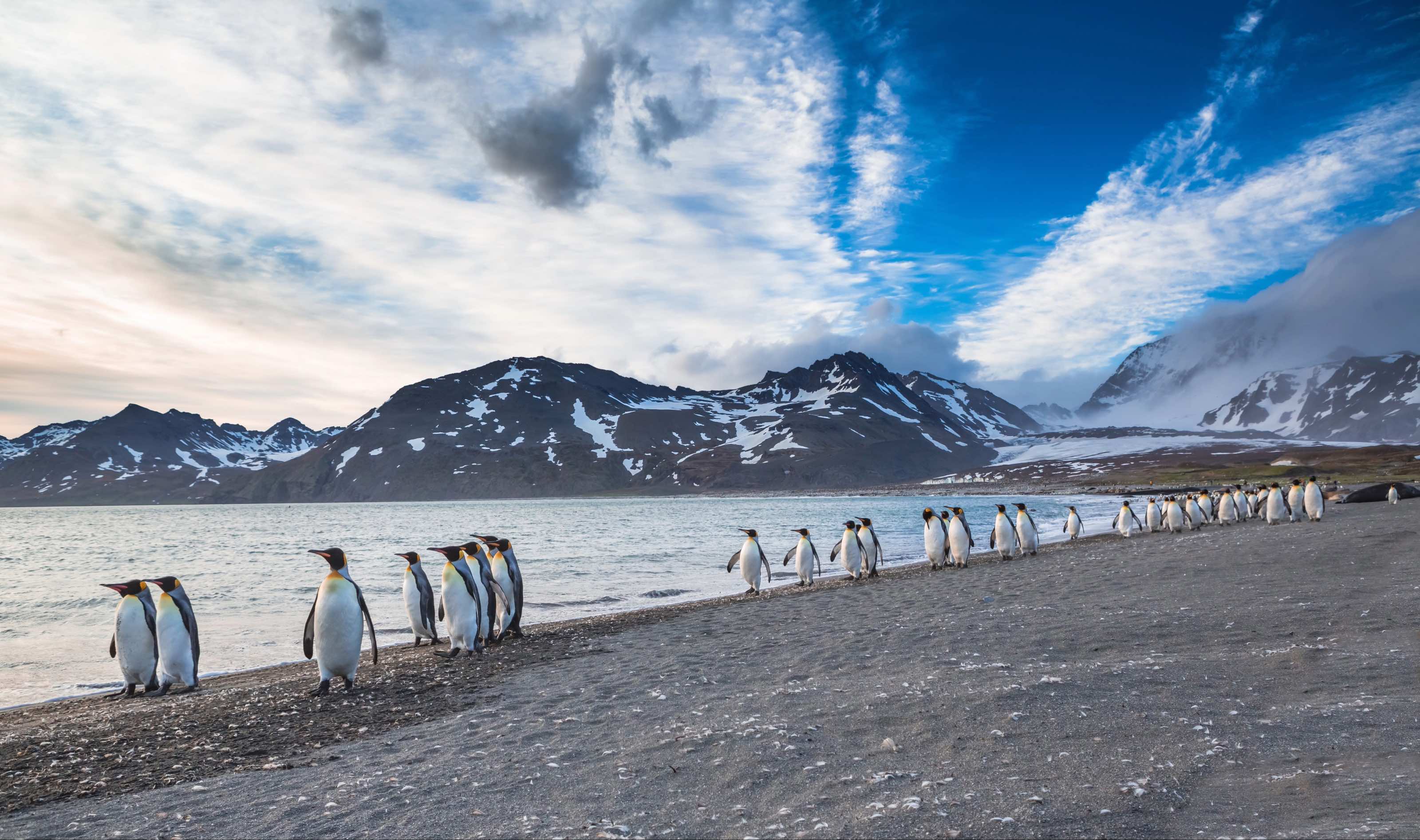
If your idea of the ultimate wildlife destination involves overcrowded beaches where the locals don't care about personal space — because the locals happen to be hundreds of thousands of king penguins — then welcome to the Falkland Islands (Islas Malvinas).
Tucked far away in the South Atlantic off South America, this windswept, treeless, and rugged archipelago is one of the planet's last true wilderness frontiers and home to only around 3,600 people. Forget well-manicured trails and tour buses; the Falklands are raw, wild, and packed with an unbelievable density of wildlife that will leave even the most seasoned travellers completely speechless.
Whether you’re watching a colony of gentoo penguins waddle through the tussock grass or locking eyes with a massive elephant seal resting on a sandy bay, this island outpost is an absolute paradise for nature lovers and adventurous explorers alike.
While the Falklands might look like a quiet, remote archipelago on a map, the coastline is packed full of. Thanks to nutrient-rich ocean currents and vast stretches of pristine, undisturbed habitat, these islands serve as a vital haven for marine mammals and millions of seabirds.
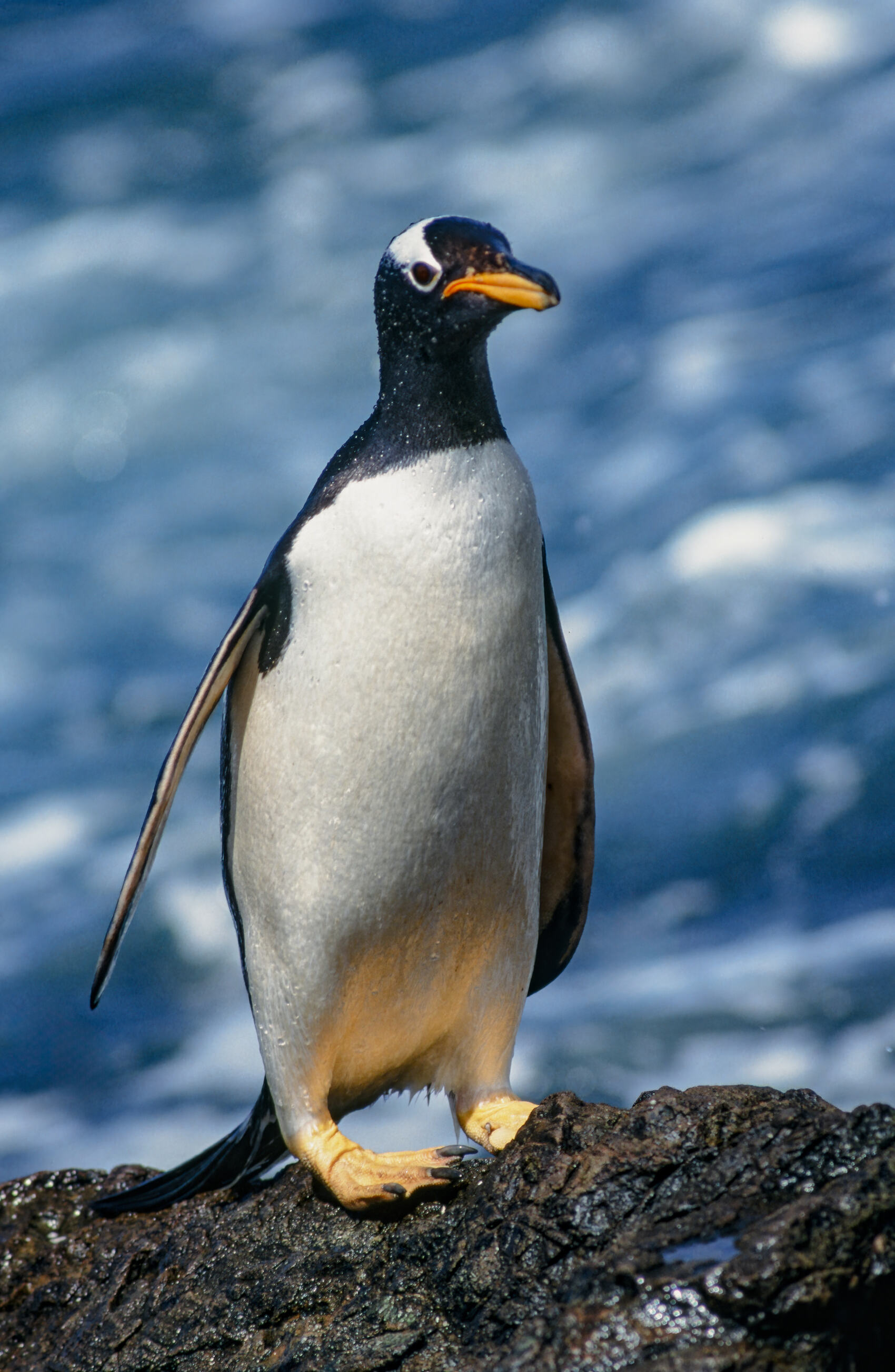
For most visitors, penguins are the main event; and the Falkland Islands do not disappoint. The archipelago is home to five distinct species of penguins, each bringing its own unique personality and flair to the landscape:
King penguins: Towering, elegant, and instantly recognisable by their bright yellow-orange neck patches, king penguins are one of the Falkland Islands’ most iconic sights. Head to Volunteer Point to witness one of the largest and most accessible breeding colonies of king penguins in the world, where thousands of adults and fluffy brown chicks gather along the white sand.
Gentoo penguins: Energetic, loud, and constantly on the move, gentoos are a familiar sight across the Falkland Islands; which are in fact home to the largest population of gentoo penguins anywhere on earth. Watching them torpedo out of the ocean surf and awkwardly march back to their hilltop nests is pure entertainment.
Southern rockhopper penguins: The daredevils of the seabird world. Recognisable by their spiky yellow crests and red eyes, these feisty little penguins negotiate steep, vertical sea cliffs by literally hopping from rock to rock with remarkable agility.
Magellanic penguins: Known locally as ‘jackass penguins’ due to their loud, donkey-like braying call. These burrowing penguins nest underground along the coastal turf, popping their heads out of their burrows as you walk past. You might have also seen them at the famous Boulders Beach if you’ve ever been to Cape Town in South Africa.
Macaroni penguins: A rare treat for keen birdwatchers! While far less common than their rockhopper cousins, small numbers of yellow-plumed macaroni penguins can occasionally be spotted nesting among the larger colonies. There are only thought to be around 24 resident pairs here, so you’ll have to have plenty of luck spotting them!
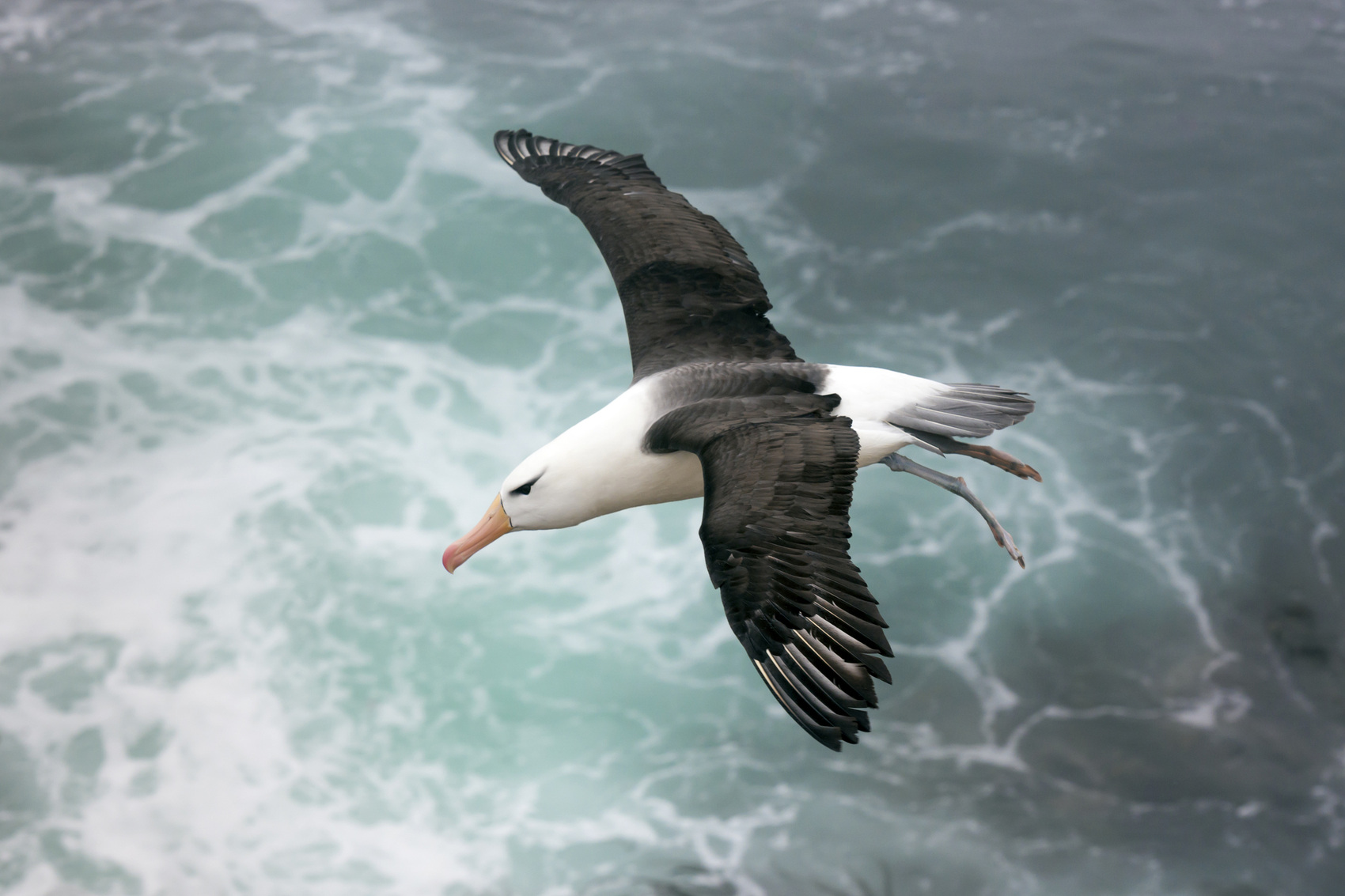
Beyond the penguins, the skies and cliff edges of the Falkland Islands are dominated by some of the Southern Ocean’s most impressive aerial navigators and formidable winged hunters:
Black-browed albatrosses: The Falklands are the undisputed global stronghold for this majestic species, hosting over 70% of the world's breeding population. Watching an albatross with a wingspan of over two metres (6.6 ft) glide effortlessly on the ocean updrafts is pure poetry. Places like West Point Island and Saunders Island offer front-row seats to their dense mud-pedestal nesting colonies, built high on wind-whipped sea cliffs right alongside rockhopper penguins.
Brown skuas: The fiercely intelligent, opportunistic pirates of the sub-Antarctic skies. Skuas are large, muscular raptor-like seabirds that patrol the margins of penguin and albatross colonies for easy prey. Always alert, these bold birds play a vital role in the ecosystem, keeping a watchful eye out for unattended eggs or vulnerable chicks.
Cormorants, petrels, and caracaras: Keep an eye out for imperial cormorants with their piercing blue eyes, giant petrels gliding low over the waves, and the rare striated caracara (known locally as the ‘Johnny rook’); a notoriously inquisitive bird of prey or raptor that isn't shy about investigating curious travellers!
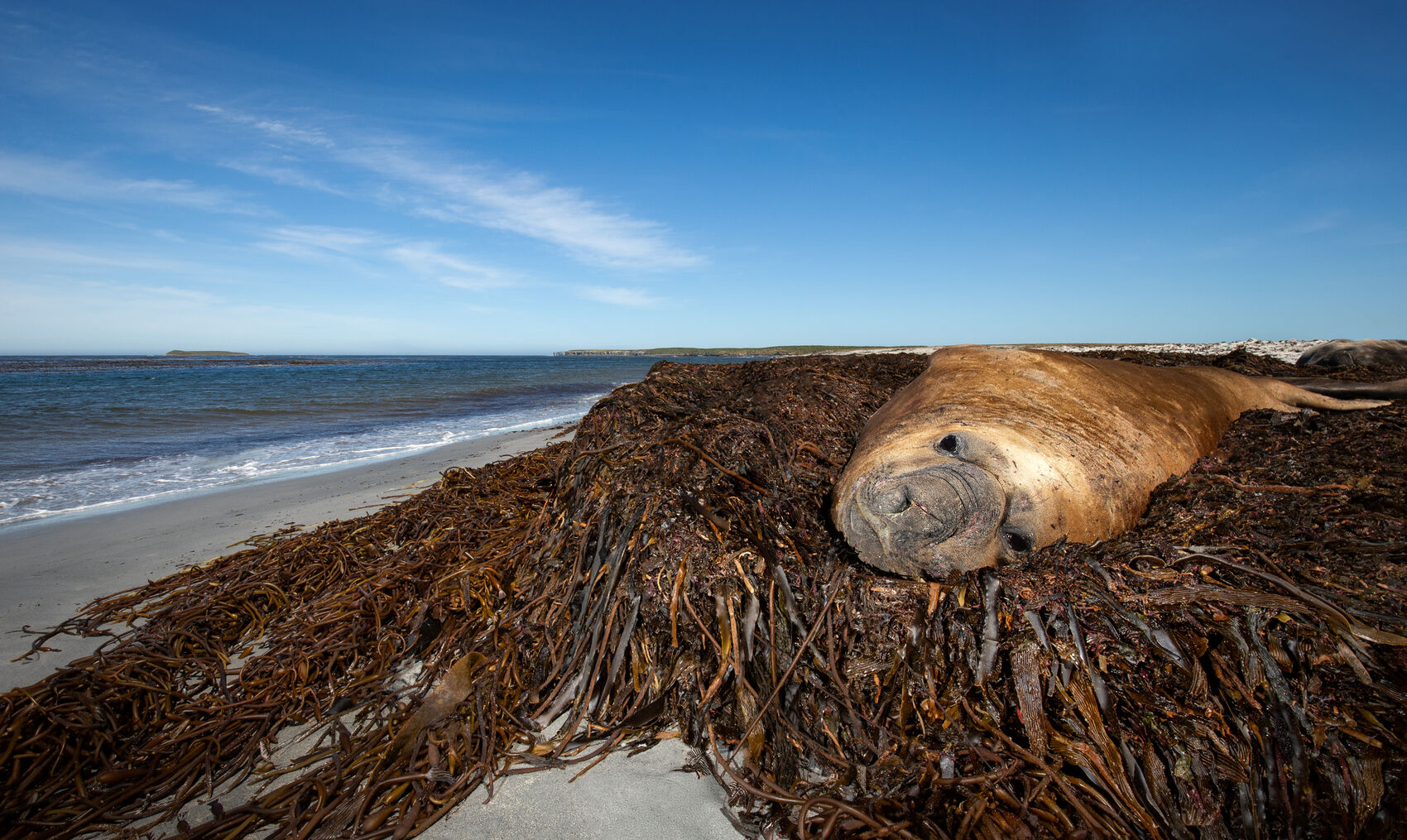
It isn't just about the birds, though. The beaches and surrounding turquoise waters of the Falklands are teeming with marine life:
Southern elephant seals: These prehistoric-looking heavyweights (the world’s largest seal) dominate the beaches of the Falklands, especially during the spring breeding season. The massive bulls — weighing up to a mammoth four tonnes — put on dramatic, roaring displays of strength fighting each other for dominance along the shoreline.
South American sea lions: Sleek, agile, and curious, sea lions can frequently be seen haul-outs on rocky ledges or playing in the kelp beds just offshore.
Whales and Dolphins: Keep your binoculars handy as you sail between islands. Commerson's dolphins — distinctive for their black-and-white ‘panda-like’ markings — frequently ride the bow waves of zodiacs, while humpback, sei, and killer whales (orcas) can often be spotted patrolling the deeper channels. Southern right whales are also occasionally spotted during the winter months (May to October).
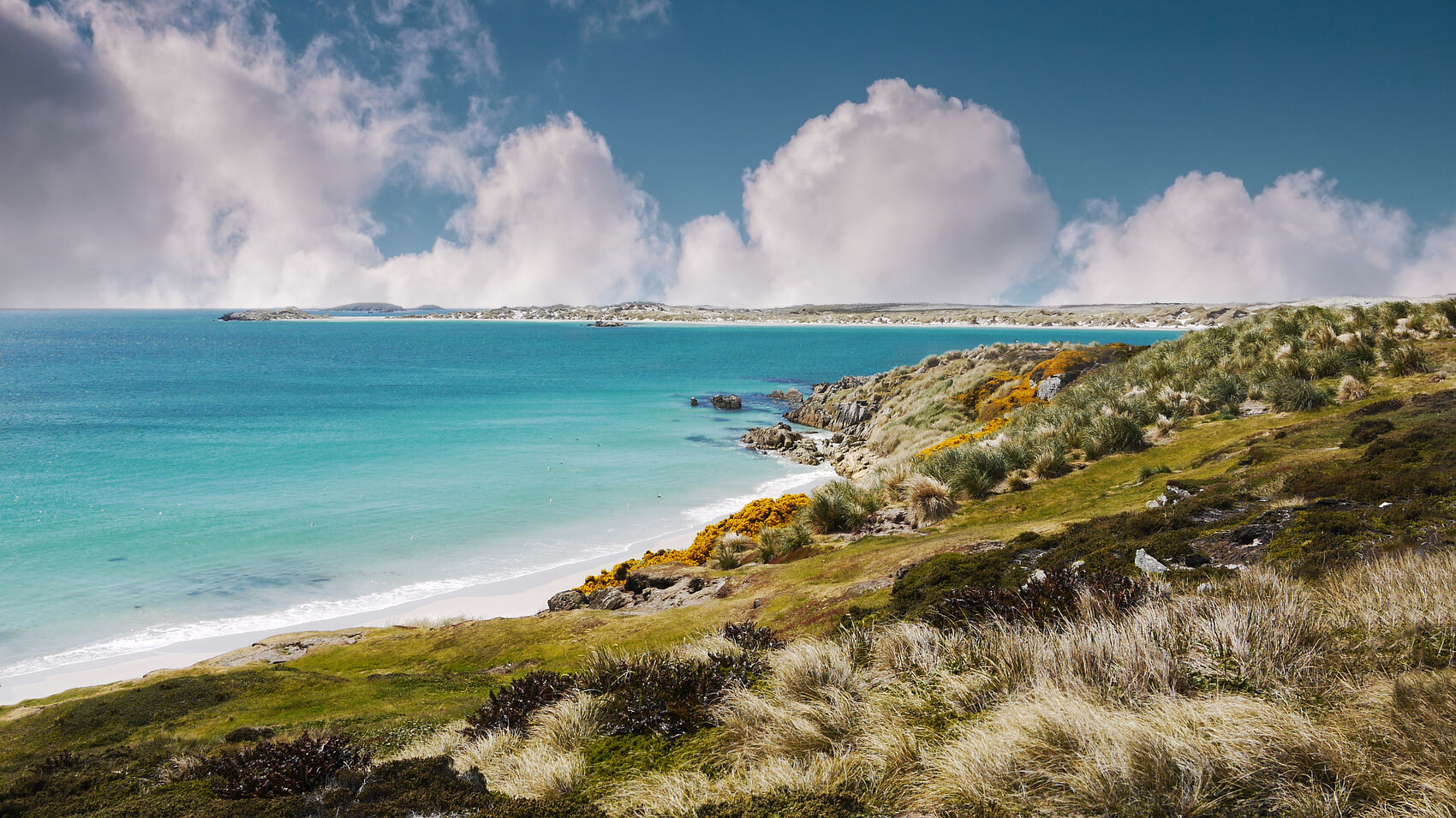
Because of their sub-Antarctic location, timing is everything when planning a trip to the Falkland Islands. The destination experiences a cool maritime climate where weather can shift dramatically from bright sunshine to crisp, gusty winds in a matter of minutes. So make sure you’re prepared! The primary travel window runs during the Southern Hemisphere's spring and summer, which runs from October to March:
October to November (Spring)
Spring is when the islands awaken. Penguins return from their winter at sea to claim nesting sites, court mates, and lay eggs. Massive male elephant seals battle on the beaches for territory, making it an incredible time for dramatic wildlife action without the high-summer crowds on their way to Antarctica.
December to January (Peak Summer)
This is peak season for a reason. Days are at their longest, temperatures are at their warmest (ranging around 10°C to 15°C / 50°F to 59°F), and the landscape is buzzing with life. Penguin chicks begin hatching, filling the colonies with noisy activity, and young elephant seal pups line the sandy bays.
February to March (Late Summer)
As summer winds down, older penguin chicks begin molting their downy feathers, preparing to take their very first swim in the frigid waters of the Southern Atlantic. Whales are also particularly active in the surrounding waters during these months, feeding heavily before their annual migrations.
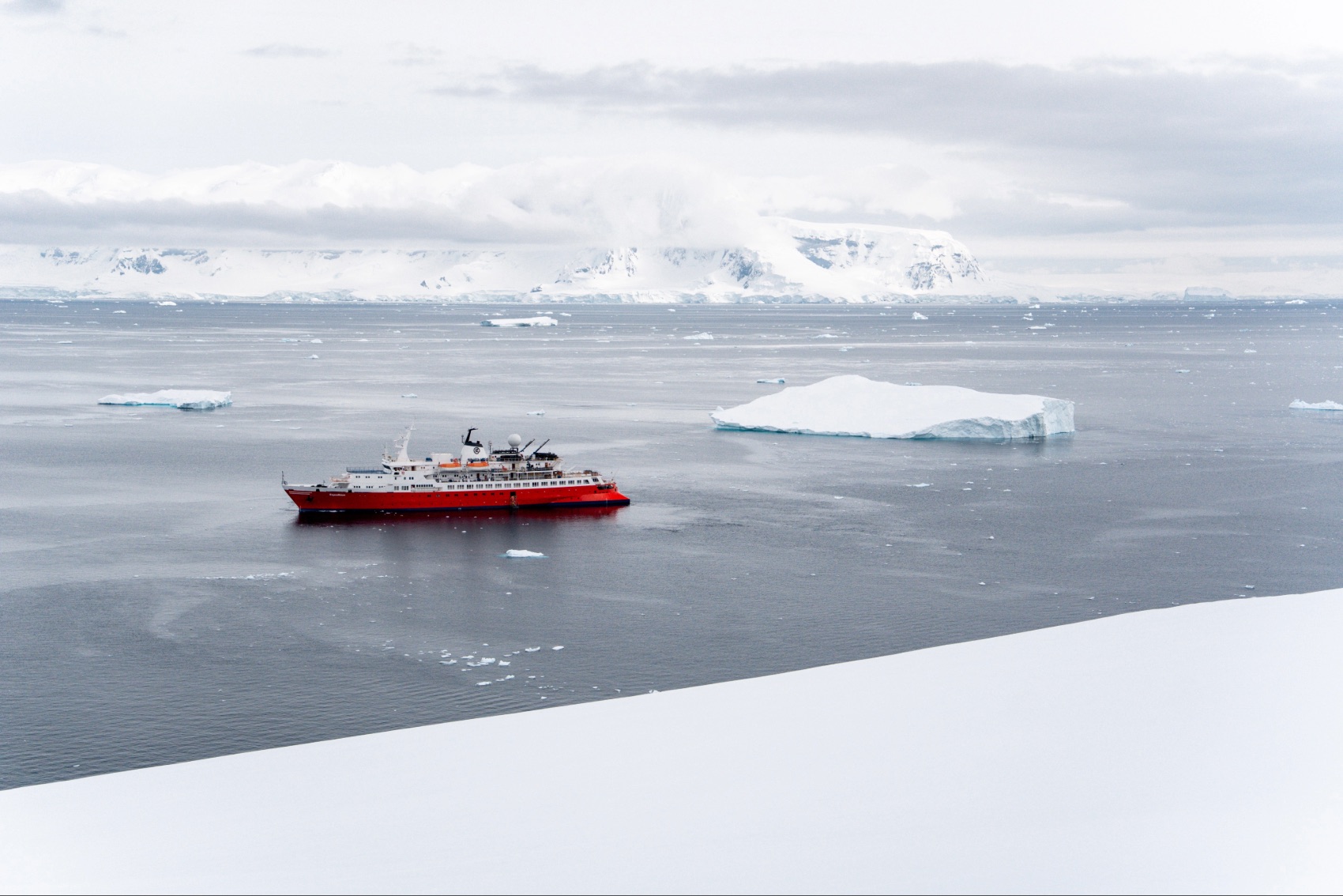
Reaching such a remote corner of the globe is half the adventure. The most epic, immersive, and seamless way to experience the Falkland Islands is by expedition vessel, setting sail across the Southern Ocean as part of a grand Antarctic voyage.
Joining an expedition trip takes all the logistical heavy lifting off your plate while surrounding you with expert naturalists, marine biologists, and history guides who bring the region's wild ecosystems to life. Here are two incredible ways to visit the Falklands with G Adventures:
For the ultimate polar pilgrimage, this legendary 21-day itinerary follows in the legendary footsteps of Sir Ernest Shackleton; one of the world’s most famous explorers. Sailing from Ushuaia, Argentina, you’ll cross the famous Drake Passage before spending time exploring the wildlife-rich shores of the Falkland Islands. From there, the voyage continues to the breathtaking glaciated fjords of South Georgia and the icy majesty of the Antarctic Peninsula itself.
Falklands, South Georgia & Antarctica
If your main focus is maximizing wildlife encounters across the entire sub-Antarctic realm, this comprehensive expedition voyage is custom-built for you. You'll spend multiple days navigating the hidden inlets and isolated beaches of the Falklands, stepping ashore via zodiacs to stand among massive penguin colonies before sailing onward to the dramatic peak-lined coastlines of South Georgia and Antarctica.
While the wildlife is undoubtedly the star of the show, the Falklands offer a rich blend of history, culture, and rugged natural beauty that makes every day ashore feel like a true expedition.
Explore historic Stanley
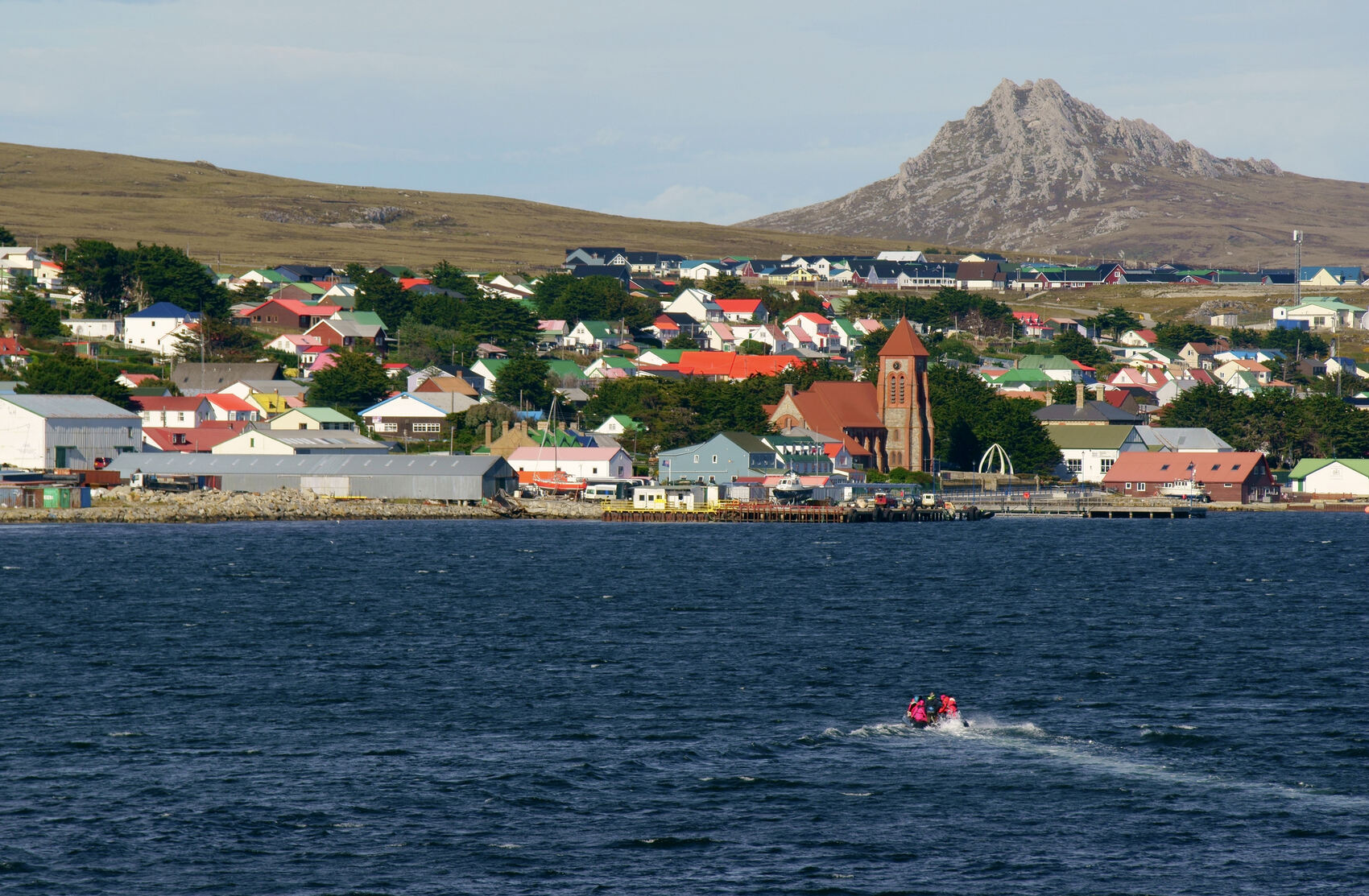
The charming capital of Stanley feels like a classic British seaside village transported to the edge of the Southern Ocean. Stroll past colourful tin-roofed cottages, visit the Christ Church Cathedral with its famous whalebone arch, and pop into a traditional local pub for a pint and a plate of fish and chips or a warm cup of tea with the welcoming local ‘Kelpers’ (as residents are affectionately known).
Step ashore at Volunteer Point
Located on East Falkland, Volunteer Point is world-famous for housing the archipelago's largest breeding colony of king penguins. Standing on the sweeping white sandy beach with hundreds of bright, curious kings waddling past you is an unforgettable, bucket-list experience that feels like stepping directly into an Attenborough nature documentary.
Discover the wildlife haven of West Falkland
Navigating the isolated outer islands such as Carcass Island or West Point Island, offers an up-close look at raw, untouched nature. Hike across rolling green moorlands fringed by towering black-browed albatross nests, or walk along quiet coastlines where gentoo and rockhopper penguins share the beaches with basking sea lions.
Immerse yourself in naval and expedition history
The Falklands are steeped in history. History buffs can explore historic battle sites from the 1982 Falklands War or visit the Historic Dockyard Museum in Stanley to dive into the region's fascinating maritime legacy, early whaling era, and its vital role as a launching pad for early Antarctic exploration.
Read more:
Nature calls: best G Adventures tours for nature lovers