Mahelmudi Reforestation

Planeterra in partnership with Eden Reforestation Projects

Karnali, Nepal

In Nepal’s Kalikot District, the project grows on 324 hectares of sub-tropical broadleaf forest and includes the Kalasilla Community Forests.

Community forests provide residents with household needs like fuelwood, livestock fodder, and medicinal and edible plants. Deforestation in this area was driven by natural disasters, animal grazing, and excessive pruning practices. Planting trees accelerates the restoration process of these degraded areas and helps secure soil to minimize the threat of landslides.

A bitmap picture of a tree
250,000Trees Growing
Loading...

Where we're growing

Reforestation at the planting site benefits the nearby village of Mahelmudi. The local population is made up of various ethnic groups including the Thakuri, Brahmin, Yogi, and Dalit. Local communities are agricultural by trade growing crops and maintaining livestock.

The problem it's facing

Today less than 30% of Nepal’s forests remain, which is devastating for both local communities and wildlife. Reforestation helps mitigate the extreme poverty resulting from the destruction of the land and re-establishes animal habitats.

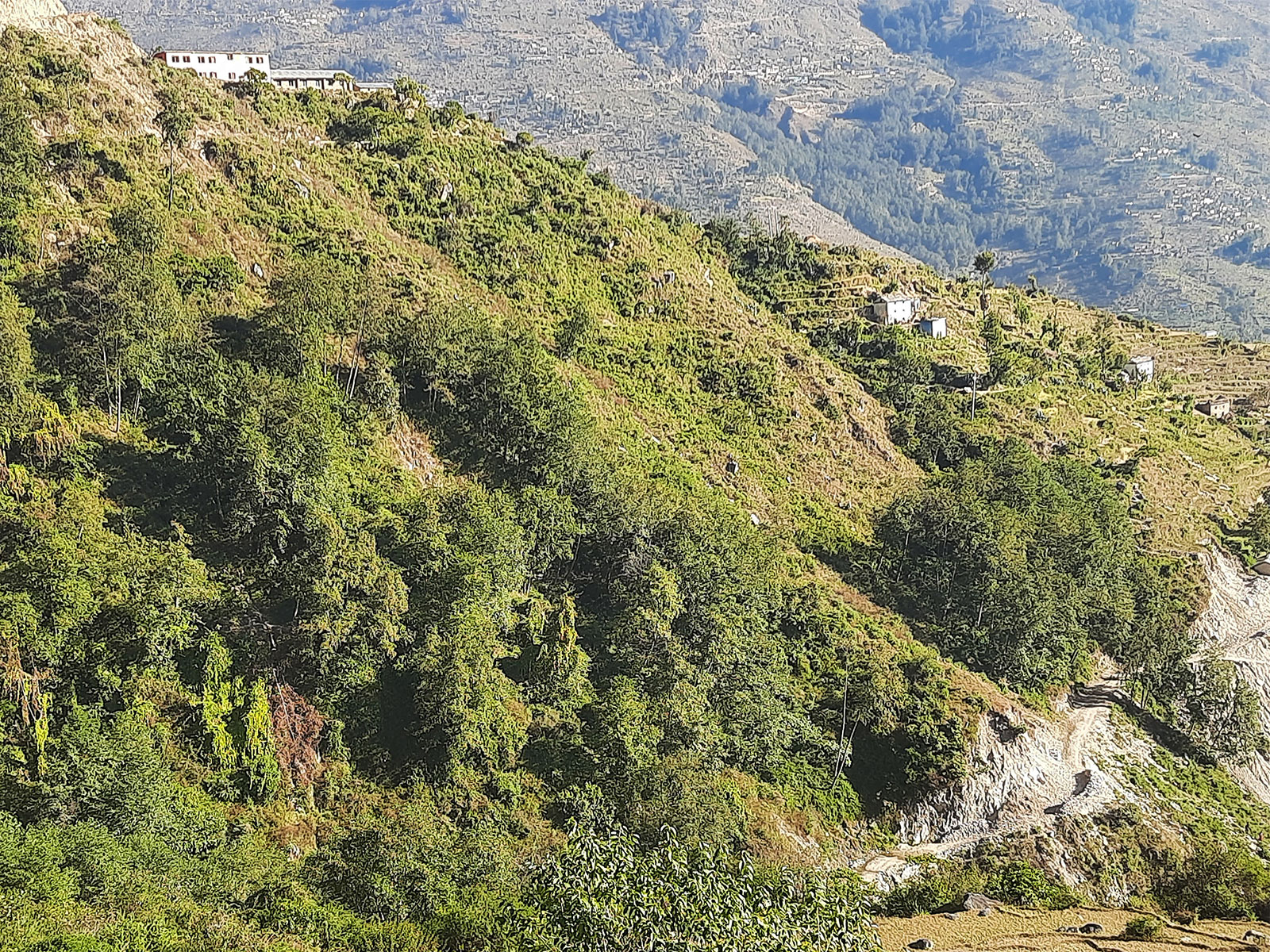
Grass and shrub-covered hill at the Mahelmudi Reforestation Project in the Kalikot District of Nepal

How we're growing

This new approach to rural development directly helps improve the income of farming families and their resilience to climate change. The trees grown here are part of a combined 1.6 million saplings that will go toward reversing climate change impacts, enhancing livelihoods, and contributing to the sustainable development of rural areas.

Why it's good for the community

As 81% of Nepal’s population lives in rural areas, the project focuses on efforts that support communities that depend on the natural environment for food, shelter, and income. Through this work, hundreds of people gain employment, education, and the tools needed to grow trees that serve the community in multiple ways.

And good for the planet

Landslides and wildfires increase when the surrounding soils are degraded by overharvesting, grazing, and natural disasters. Reforestation helps reduce these threats and the negative impact they have on people’s livelihoods and wildlife.

Light green hill in Nepal covered in a few shrubs with mountains in the background

Plant species

This project is growing tree species like:

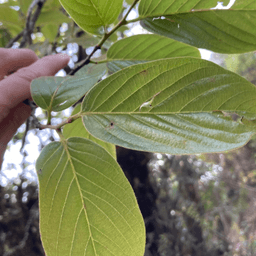
Branch of an alder (alnus nepalensis) tree with light green leaves being held by a volunteer
Alder

Alnus nepalensis

Planeterra

Planeterra is the world’s leading non-governmental organization turning travel into impact in communities. They help local groups and communities use tourism to improve people’s lives, protect their natural environments, and celebrate their culture. Put simply, it is a better kind of tourism – improving the lives of community members as we provide travellers with better experiences.

The Planeterra logo with block letters and a green, orange and lilac logo

Eden Reforestation Projects

Eden is a nonprofit NGO working in developing countries to rebuild natural landscapes destroyed by deforestation. They work directly with communities experiencing extreme poverty from the destruction of the land that sustains them. The organization employs thousands of local community members and gives them what they need to grow and protect millions of trees each year. Eden plants approximately 15 million trees a month and in 2020 planted over 423 million trees.

The logo for Eden Reforestation Projects with a picture of a tree and a hand

Trees for Days FAQ

The purpose of this initiative is to grow trees that directly benefit communities. These benefits focus on tangibly mitigating the impacts of climate change (e.g. drought, floods, soil erosion, desertification), improving community resilience and well-being, and inspiring travelers and host communities to become guardians of nature.
The tree growing partners are organizations local to the areas in which they are growing trees. They were selected based on their ability to deliver long term projects that yield positive social, economic, and environmental impact for communities. These organizations have been working for at least 5 years to deliver positive impact through community development activities (e.g. food and water security, agroforestry, education, etc.) and have strong links with their communities.
G Adventures is supporting and sustaining this initiative through its trip sales. A percentage of each trip sale is donated to Planeterra to manage the portfolio of tree growing projects. An initial commitment of 5 years has been agreed upon between G Adventures and Planeterra, with the idea to renew for longer once the concept is proven.
Planeterra has signed contracts with each tree growing partner to ensure that monitoring and reporting responsibilities and timeframes are clearly understood by all parties. These reports will contain a mix of statistics, photos, videos, individual and community impact stories. As the program progresses, Planeterra field staff will periodically visit the sites to get a better understanding of the field work and progress.
G Adventures, via its partner Planeterra, will monitor and evaluate data from program partners on a quarterly basis to check the progress of project activities including, but not limited to: growth of trees, tree survival rate, income generated through employment, income generated through the sale of produce harvested from trees, and other well-being factors from a community perspective. This data will be analyzed and reported in an annual program impact report.
Donations from G Adventures to Planeterra will continue to support the work they do to uplift communities through tourism enterprise development, and support tree growing partners as they propagate, plant, and protect trees that benefit communities.