Mount Kenya Landscapes Restoration

Planeterra in partnership with Trees for Kenya

Mount Kenya, Kenya

Mount Kenya forest was massively deforested starting in the early 1960s to late 1990s. Trees were cut down for timber, charcoal burning, harvesting of forest products, forest grazing, and shamba systems of forest cultivation.

Degradation was caused by community members invading forests to look for forest products. These areas never recovered and need to be restored by planting indigenous tree species. Communities will benefit through employment instead of depending on cutting down forests. They’ll plant quality seedlings, manage their growth, and earn enough for basic needs and sending their children to school.

A bitmap picture of a tree
318,171Trees Growing
2,410Community Members Benefitting
Loading...

Where we're growing

Mount Kenya at 5,199m is the second highest mountain in Africa and is surrounded by dense forests. It’s home to wild animals like elephants, buffalos, gazelles, monkeys, and different types of birds. This natural forest is protected by Kenya Wildlife Service and Kenya Forest Service from any destruction.

The problem it's facing

The area that experienced massive degradation is around 1,000 hectares of which 60% has been rehabilitated and 40% still needs rehabilitation through planting of indigenous tree species. Currently the area is covered by invasive species like Lantana Camara and bug weed.

Loading...
An aerial view of the landscape restoration progress at Mount Kenya

How we're growing

Through Agroforestry projects communities are given fruit trees, fodder trees, and timber trees to grow. Community members improve their livelihoods selling tree products like avocados, mangos, tamarind and oranges. Reports from cow and goat farmers show improved milk production when they feed their animals with fodder trees, which increases income.

Why it's good for the community

Farmer’s family nutrition improves via food security and improves their standard of living. Engaged community members report enhanced harmony and cohesiveness between different communities as everyone can discuss issues that affect them in society. A deliberate effort is also made to build women’s knowledge and skills to improve gender equality.

And good for the planet

Trees revitalize the land, improve soil fertility, provide shade to crops, act as bee foliage, and create boundaries that improve land security. Dry matter from fallen leaves also helps cover the soil and reduces moisture evaporation as well as extensive soil erosion.

Three volunteers plant tree saplings for the Mount Kenya Landscapes Restoration initiative

Plant species

This project is growing tree species like:

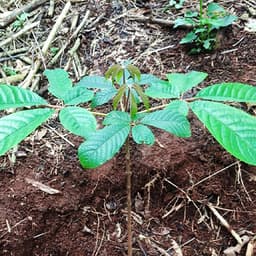
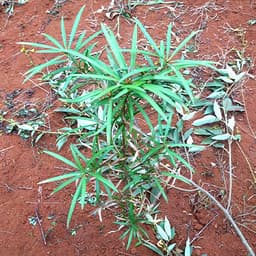
A Meur Oak sapling planted by Mount Kenya Landscapes Restoration
Meru oak

Vitex keniensis

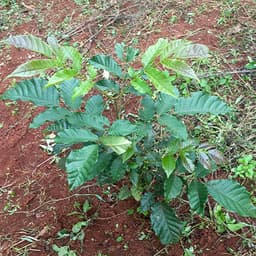
A croton tree sapling growing at Mount Kenya as part of a reforesting initiative
Croton tree

Croton megalocarpus

An African Cherry tree sapling growing on Mount Kenya
African cherry

Prunus africana

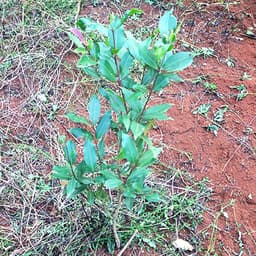
Syzygium guineense sapling growing as part of a Mount Kenya reforestation project
Water pear

Syzygium guineense

Podocarpus falcatus sapling planted by Mount Kenya Landscapes Restoration
Yellowwood

Podocarpus falcatus

Markhamia lutea sapling planted as part of a reforestation initiative on Mount Kenya
Gold markhamia

Markhamia lutea

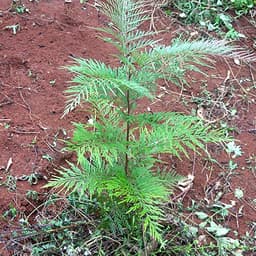
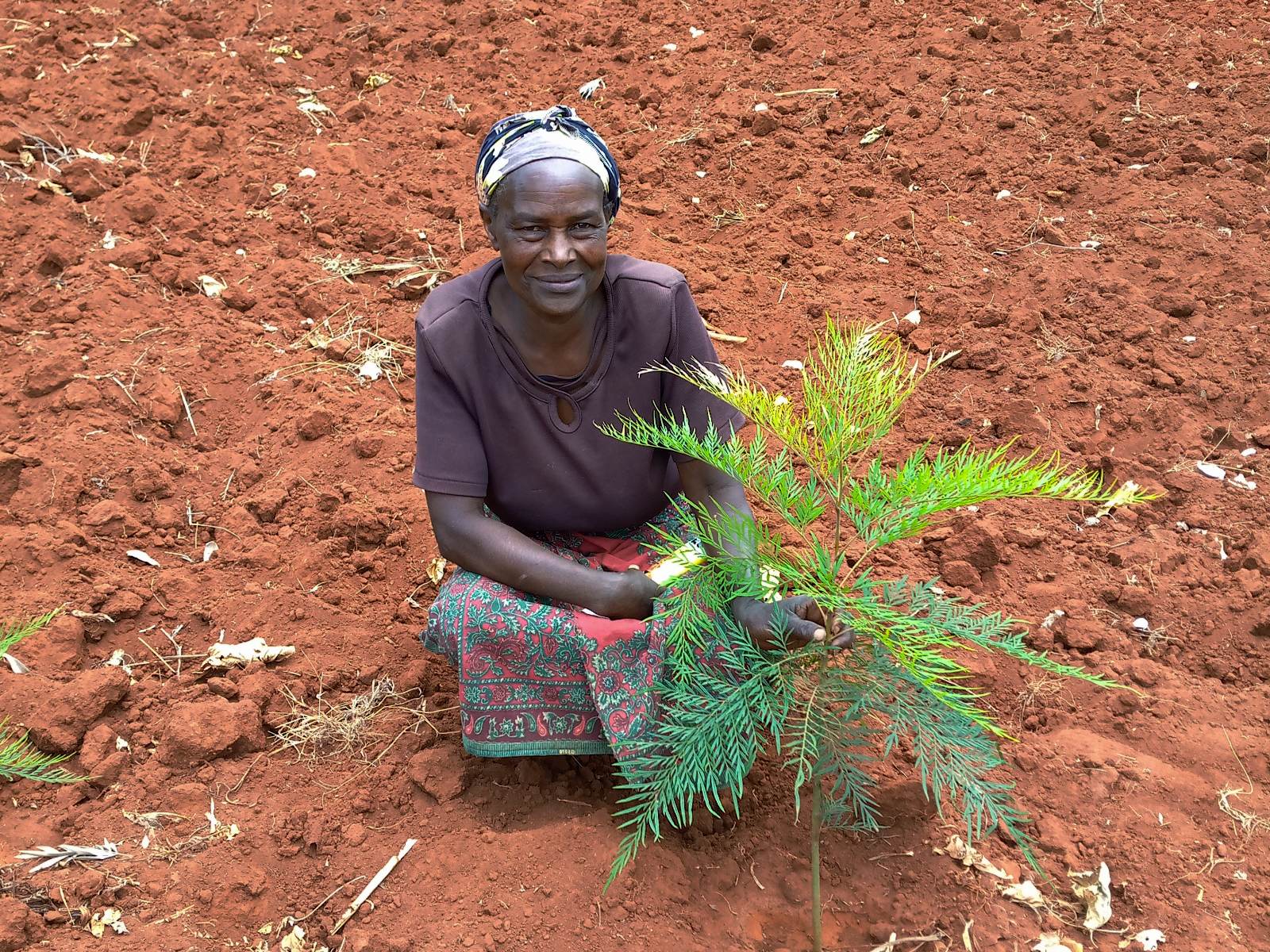
A Silky Oak sapling planted on Mount Kenya for landscape restoration
Silky oak

Grevillea robusta

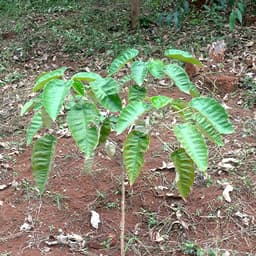
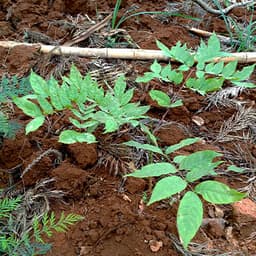
A Shingle tree sapling growing in Mount Kenya's rich soil
Shingle tree

Acrocarpus fraxinifolius

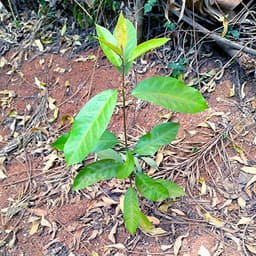
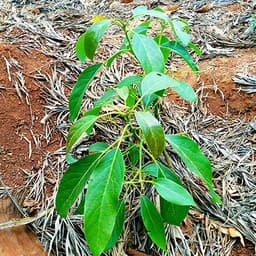
Persea americana sapling planted by Mount Kenya Landscapes Restoration
Alligator pear (avocado)

Persea americana

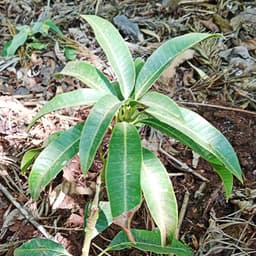
A Mangifera indica (mango) tree sapling planted on Mount Kenya
Mango

Mangifera indica

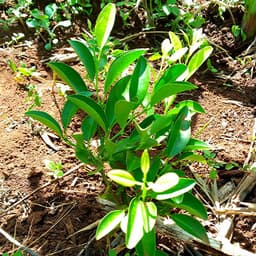
Citrus sinensis (orange) tree growing on Mount Kenya
Orange

Citrus sinensis

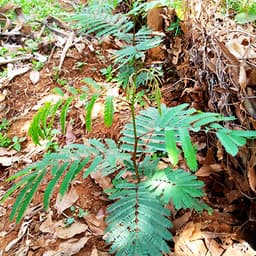
Calliandra calothyrsus sapling planted by a Mount Kenya reforestation initiative
Calliandra

Calliandra calothyrsus

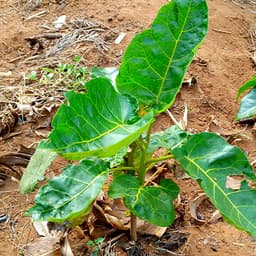
Solanum betaceum (tree tomato) growing on Mount Kenya
Tree tomato

Solanum betaceum

Planeterra

Planeterra is the world’s leading non-governmental organization turning travel into impact in communities. They help local groups and communities use tourism to improve people’s lives, protect their natural environments, and celebrate their culture. Put simply, it is a better kind of tourism – improving the lives of community members as we provide travellers with better experiences.

Graphic logo for Planeterra, a travel and community tourism NGO

Trees for Kenya

Trees for Kenya is a non-governmental organization registered in the year 2012 that restores degraded forests and trains communities on agroforestry. Since that time they have restored over 133 hectares by planting 400,000 trees, created agroforestry systems over 12,000 hectares by planting 3.6 million trees, and planted over 80,000 trees in schools. In total, they’ve impacted more than 200,000 community members both directly and indirectly.

Trees for Kenya graphic logo depicting a sapling growing

Trees for Days FAQ

The purpose of this initiative is to grow trees that directly benefit communities. These benefits focus on tangibly mitigating the impacts of climate change (e.g. drought, floods, soil erosion, desertification), improving community resilience and well-being, and inspiring travelers and host communities to become guardians of nature.
The tree growing partners are organizations local to the areas in which they are growing trees. They were selected based on their ability to deliver long term projects that yield positive social, economic, and environmental impact for communities. These organizations have been working for at least 5 years to deliver positive impact through community development activities (e.g. food and water security, agroforestry, education, etc.) and have strong links with their communities.
G Adventures is supporting and sustaining this initiative through its trip sales. A percentage of each trip sale is donated to Planeterra to manage the portfolio of tree growing projects. An initial commitment of 5 years has been agreed upon between G Adventures and Planeterra, with the idea to renew for longer once the concept is proven.
Planeterra has signed contracts with each tree growing partner to ensure that monitoring and reporting responsibilities and timeframes are clearly understood by all parties. These reports will contain a mix of statistics, photos, videos, individual and community impact stories. As the program progresses, Planeterra field staff will periodically visit the sites to get a better understanding of the field work and progress.
G Adventures, via its partner Planeterra, will monitor and evaluate data from program partners on a quarterly basis to check the progress of project activities including, but not limited to: growth of trees, tree survival rate, income generated through employment, income generated through the sale of produce harvested from trees, and other well-being factors from a community perspective. This data will be analyzed and reported in an annual program impact report.
Donations from G Adventures to Planeterra will continue to support the work they do to uplift communities through tourism enterprise development, and support tree growing partners as they propagate, plant, and protect trees that benefit communities.