Tana Delta Reforestation

Planeterra in partnership with Eden Reforestation Projects

Kenya

The Tana Delta growing site sits between two towns, Kilelengwani and Ozi. The local people face limited freshwater, poor road connectivity, and insufficient education facilities.

Since the 1990s, the Tana Delta people have harvested mangrove poles as trading items and building materials. In 1988, human development blocked the Furaha and Kalota Brooks distributaries from adequately flowing into the Tana Delta, increasing salinity upstream. Riverine tree systems, excluding mangroves, began to die off. Additionally, Mangrove forests in Kilelengwani fragmented after a destructive El Niño between 1997 and 1998.

A bitmap picture of a tree
161,419Trees Growing
Loading...

Where we're growing

Set in Kenya’s Coast Province along the Indian Ocean, the Tana Delta site is home to just over 2,000 people. The Pokomo and Orma are the two main tribes living in the area whose lives revolve around the river and mangrove swamps.

The problem it's facing

The Tana Delta is a unique ecosystem providing many natural services for people, plants, and wildlife. Facing multiple threats, the Tana River Delta was declared a protected site under the Ramsar convention of 2012, making it the first marine Ramsar site in Kenya.

Loading...
Man in the mud planting mangrove trees at the Tana Delta Reforestation Project in Kenya

How we're growing

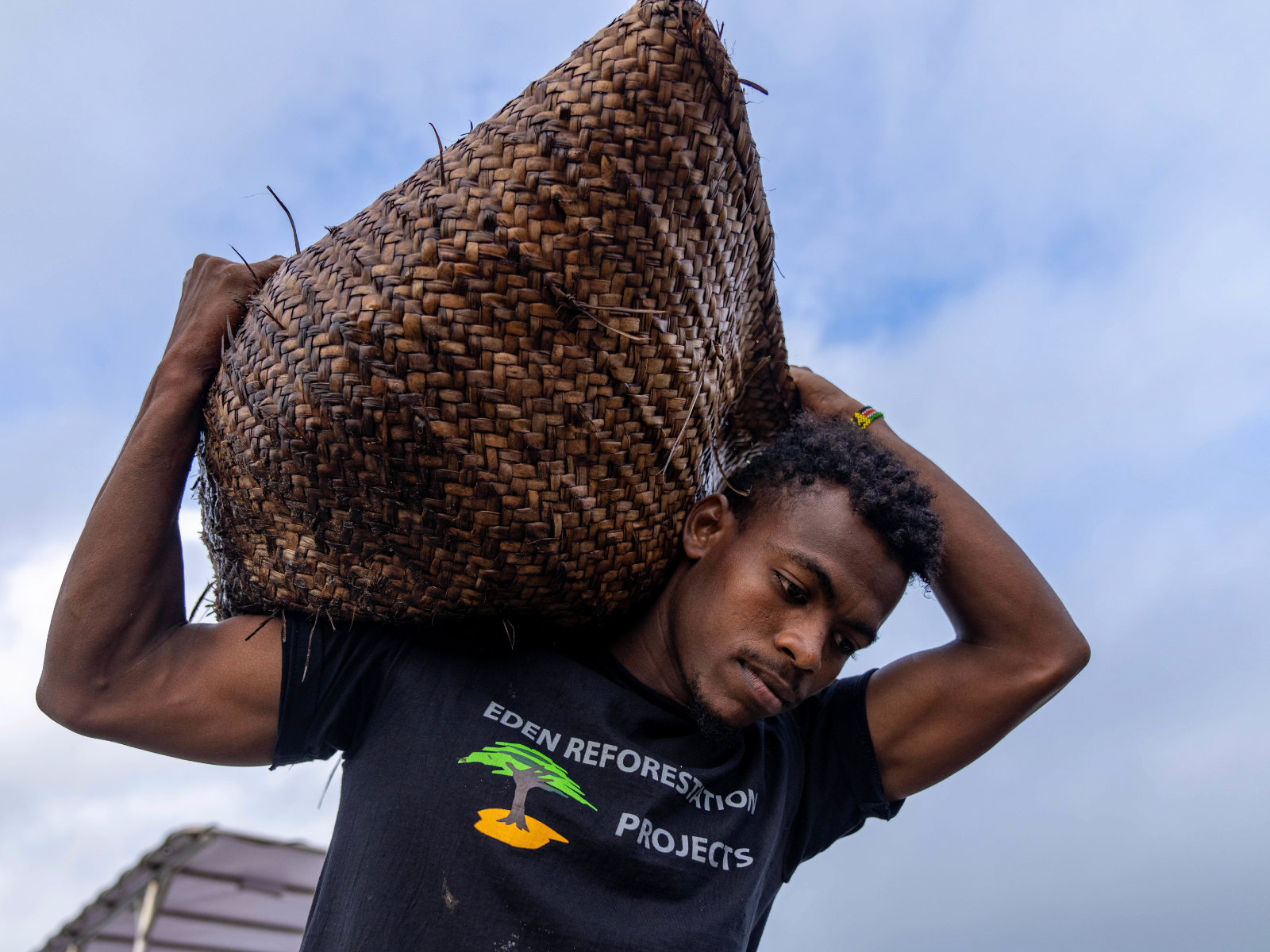
To help improve their livelihoods, local people are hired by the project to reforest their region. They plant mangrove trees at Tana Delta to stimulate economic growth, break the cycle of poverty, and empower their whole community.

Why it's good for the community

Between a lack of fresh water and widespread poverty, living conditions would continue to degrade without reforestation. By working directly with communities, these projects ensure that local people benefit from the landscapes they depend upon in a sustainable way.

And good for the planet

Tena is the largest river in Kenya and a biodiversity hotspot for endemic and IUCN red-listed species. This includes two primates, the Tana River Red Colobus and Tana River Mangabey. Mangrove reforestation helps buffer the impacts of climate change and restores habitats for native fauna like elephants and hippopotamuses.

Man measuring the growth of a mangrove sapling at the Tana Delta Reforestation in Kenya

Plant species

This project is growing tree species like:

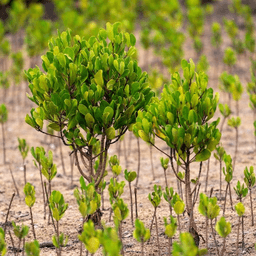
Two mangrove trees with other saplings growing in the mud in coastal Kenya
Mangrove

Mangrove spp.

Planeterra

Planeterra is the world’s leading non-governmental organization turning travel into impact in communities. They help local groups and communities use tourism to improve people’s lives, protect their natural environments, and celebrate their culture. Put simply, it is a better kind of tourism – improving the lives of community members as we provide travellers with better experiences.

The Planeterra logo with block letters and a green, orange and lilac logo

Eden Reforestation Projects

Eden is a nonprofit NGO working in developing countries to rebuild natural landscapes destroyed by deforestation. They work directly with communities experiencing extreme poverty from the destruction of the land that sustains them. The organization employs thousands of local community members and gives them what they need to grow and protect millions of trees each year. Eden plants approximately 15 million trees a month and in 2020 planted over 423 million trees.

The logo for Eden Reforestation Projects, a leading non-profit organisation

Trees for Days FAQ

The purpose of this initiative is to grow trees that directly benefit communities. These benefits focus on tangibly mitigating the impacts of climate change (e.g. drought, floods, soil erosion, desertification), improving community resilience and well-being, and inspiring travelers and host communities to become guardians of nature.
The tree growing partners are organizations local to the areas in which they are growing trees. They were selected based on their ability to deliver long term projects that yield positive social, economic, and environmental impact for communities. These organizations have been working for at least 5 years to deliver positive impact through community development activities (e.g. food and water security, agroforestry, education, etc.) and have strong links with their communities.
G Adventures is supporting and sustaining this initiative through its trip sales. A percentage of each trip sale is donated to Planeterra to manage the portfolio of tree growing projects. An initial commitment of 5 years has been agreed upon between G Adventures and Planeterra, with the idea to renew for longer once the concept is proven.
Planeterra has signed contracts with each tree growing partner to ensure that monitoring and reporting responsibilities and timeframes are clearly understood by all parties. These reports will contain a mix of statistics, photos, videos, individual and community impact stories. As the program progresses, Planeterra field staff will periodically visit the sites to get a better understanding of the field work and progress.
G Adventures, via its partner Planeterra, will monitor and evaluate data from program partners on a quarterly basis to check the progress of project activities including, but not limited to: growth of trees, tree survival rate, income generated through employment, income generated through the sale of produce harvested from trees, and other well-being factors from a community perspective. This data will be analyzed and reported in an annual program impact report.
Donations from G Adventures to Planeterra will continue to support the work they do to uplift communities through tourism enterprise development, and support tree growing partners as they propagate, plant, and protect trees that benefit communities.