
Christina Newberry
Freelance writer
Freelance writer
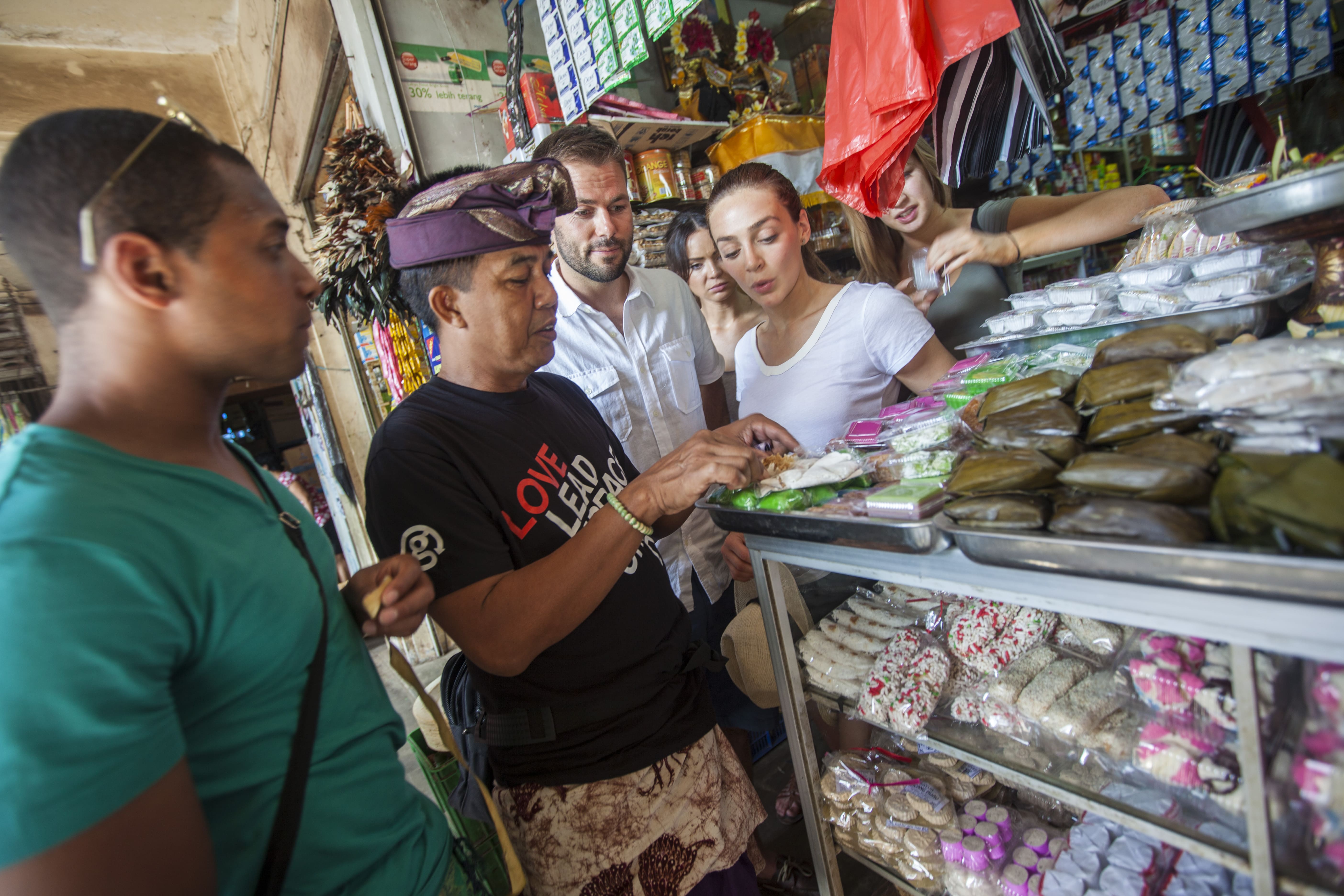
With more than 17,000 islands, Indonesia is the world’s largest archipelago. Its unique geography has created an incredible diversity of cultures, customs and languages – more than 700 living languages are spoken across the country.
In this context, it’s especially valuable to get into the local communities, meet the people who live there and learn directly about their lives and experiences. These local experiences are always some of my favourite moments as a G Adventures traveller.
Engaging with local people and community initiatives also ensures your travel dollars have a positive impact on the places you visit. At G Adventures, this commitment is formalized as “G For Good,” a community tourism model built on the principle that tours are built on meaningful relationships with local communities and directly benefit the people and places we visit. By checking your tour’s Ripple Score, you can see what percentage of your spend remains within the local economy.
Each Indonesia tour includes community tourism experiences that preserve local cultures, support women and youth, and help protect the environment – many of these in partnership with NGO partner Planeterra.
Here are some of the ways you’ll connect with local Indonesian communities while travelling with G Adventures.
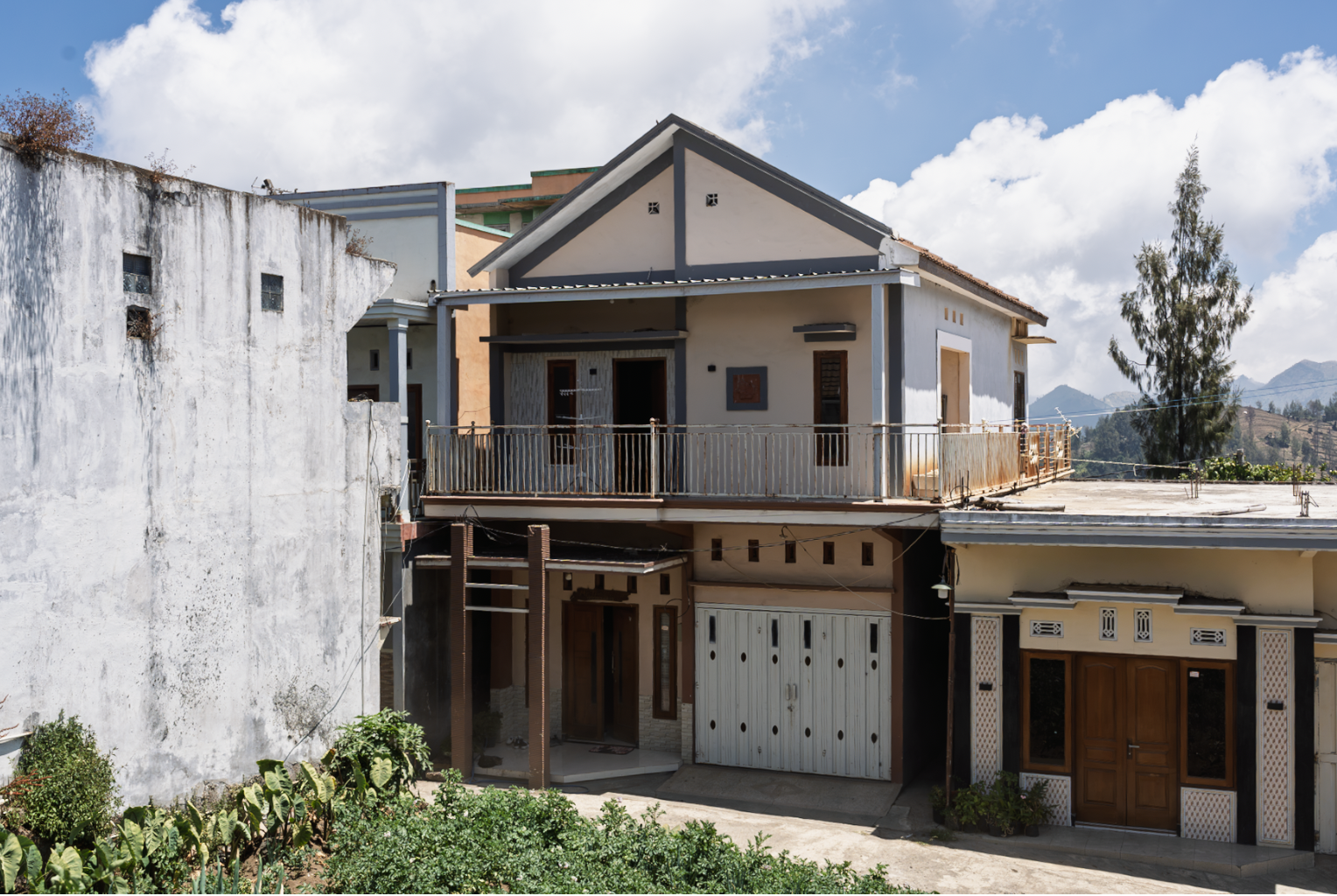
Homestays are a key component of community tourism, as there’s no better way to learn about a place than to stay with local hosts.
In Bromo Tengger Semeru National Park in Central Java, G Adventures travellers stay in a traditional Tengger home at Ngadas Community Homestay – with members of the Tengger Tribe. With the support of Planeterra, the Tengger Tribe developed a completely community-owned tourism program that directly impacts 39 people and indirectly supports more than 150 community members.
During their time in the community, travellers take a guided walk through the village to learn about the culture while exploring the local farms, temples, and mosques.
In Bulian, a village on Bali’s northern coast, the traditional Balinese Bulian Guesthouse employs local women and youth, creating economic opportunities that motivate the younger generation to stay in the community rather than moving to the city. Since cultural preservation is a key goal of this project, travellers who stay here also take part in a spiritual ceremony where they learn to prepare Balinese offerings, dress in local clothing and meet a local priest.
The guesthouse directly impacts nearly 50 people in the community and indirectly supports nearly 100.
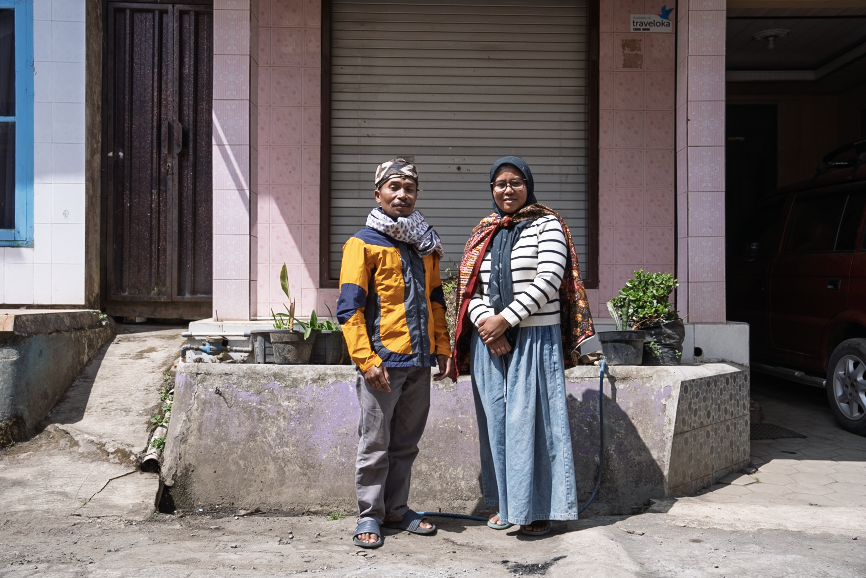
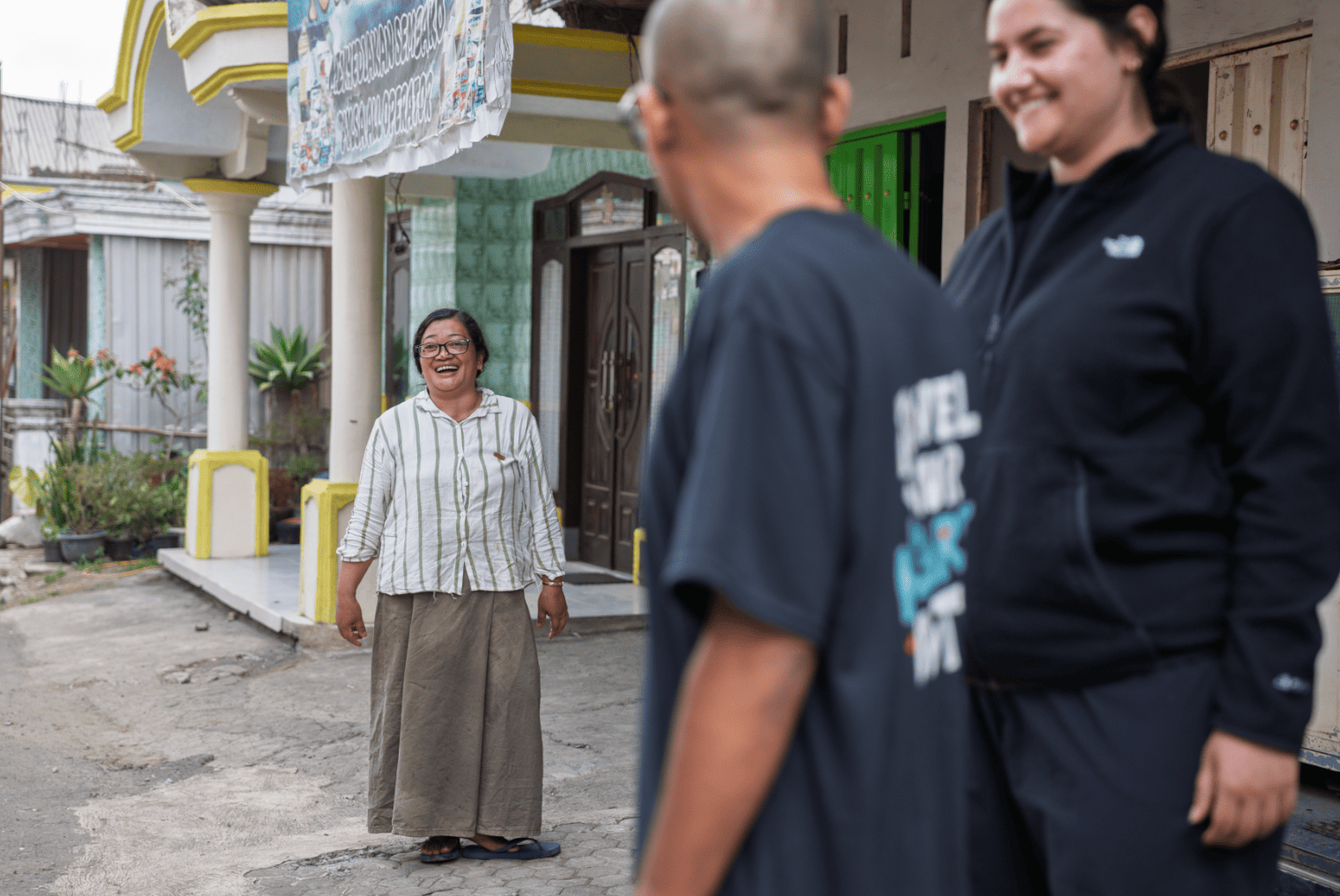
For travellers seeking deep cultural connections, G Adventures brings travellers to communities participating in Indonesia’s Desa Wisata (tourist village) program. These are real, active rural villages with tourism programs in place to create economic opportunities, while preserving their culture and way of life. In addition to employment for community guides, these visits support local economies by allowing travellers to purchase local products directly from the people who make them.
On my Classic Lombok tour, I visited Desa Wisata Sasak Ende in Central Lombok. The Sasak people are the largest ethnic group on Lombok, and this village visit in particular showcases their architecture, which you’ll see everywhere on this island. We learned about traditional home-building methods using bamboo and thatched grass to create the distinctive high, arched roof over a floor made from mud and cow dung to keep the bugs away.
At Bonjeruk Village, another Sasak Desa Wisata in Central Lombok, travellers take a guided bike ride through the village before enjoying a traditional, home-cooked Lombok lunch and learning from local women about their traditional desserts made from potatoes and sticky rice.
On the weekends, older high school students lead many of the tourism activities here as a way to practice their English skills.
The tour in and around Senaru Village in Northern Lombok looks a little different. Led by members of the Rinjani Women Guide Association, travellers follow a path through village gardens and bamboo forests on an easy trek to a pair of waterfalls in the foothills of Mount Rinjani.
In Central Java, the Candirejo Village community tourism program directly empowers local women by supporting the home industry sector, in which women play a leading role. In particular, the local women’s initiative produces bamboo handicrafts that support economic diversification for the community.
Travellers tour the village to learn about Javanese culture and traditional multi-crop farming systems, then have a lunch of local Javanese dishes.
Beyond the village visits, G Adventures partners with locally owned restaurants that prioritize vocational training and sustainable business practices.
I visited Aranka Tempasan, a community-driven ecotourism project in East Lombok. The restaurant here is a main pillar of the project, and some G Adventures tours offer travellers the chance to take a cooking class from the local chefs.
My group enjoyed a wonderful lunch, then joined a local guide to tour the rice paddies and vegetable fields to see where many of our lunch’s ingredients came from. I did not expect the long beans – also known as “yardlong beans” – to actually be a yard long! We also got to try the hard work of threshing rice, still done manually here by beating the stalks against a wooden platform.
This project directly supports more than 30 people, with the indirect benefits extending to 80 community members.
In Bali, the Senang Hati Foundation offers skills training for disabled students, helping them gain confidence and independence. Thirty students graduate from the program every year after developing their skills in areas like hospitality, arts and culture, sewing and woodworking. They often go on to launch their own businesses, and the economic impact extends to more than 600 community members.
In particular, Planeterra supported the development of a fully accessible “dream kitchen” for students undertaking hospitality training. More than 2,000 travellers with G Adventures and other Planeterra partners visit the centre every year for a traditional Balinese lunch prepared and served by the students.
How a son followed in his mother’s footsteps to build community tourism in Nepal
How a Caye Caulker bike tour is supporting students’ education
From rescue to release: inside Naxos Wildlife Protection’s turtle conservation