Madi Wong
Editorial Content Lead
Editorial Content Lead
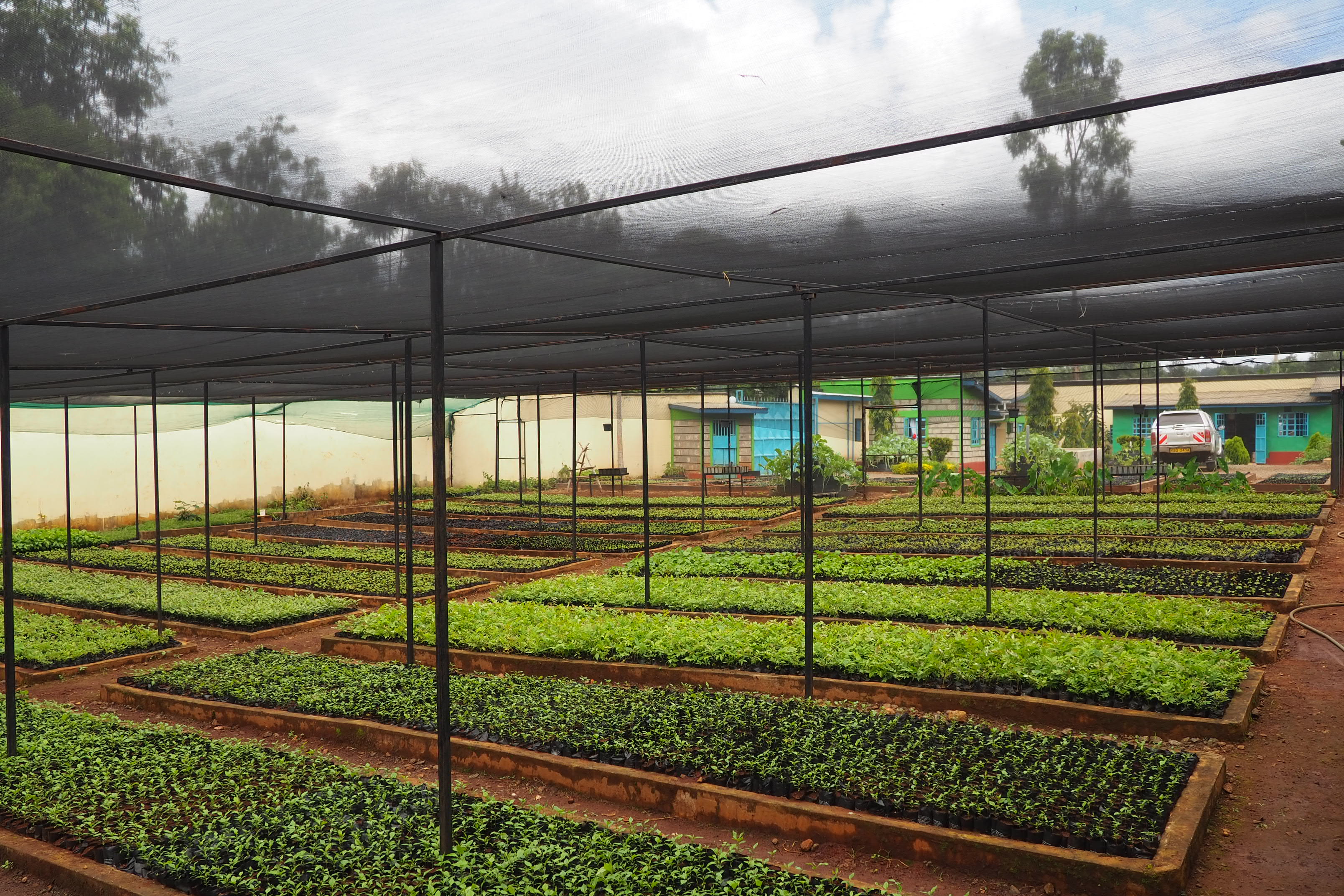
Growing up just outside of Mount Kenya Forest, Paulino Mugendi has witnessed numerous trees being cut down and the effects of degrading forests throughout his youth.
Years later, while working as the Kenya country director for an American NGO, he found himself leading tree‑planting projects, but saw that much more needed to be done.
“The degradation and deforestation happened many years ago, between the 1960s up to late 1990s. This deforestation occurred in the form of cutting down trees for timber, charcoal burning, harvesting of forest products, forest grazing and also shamba systems methods of forest cultivation,” said Mugendi.
“When the government took a chance to stop the deforestation, those areas which had already experienced deforestation never recovered, so there was a need for restoring those areas.”
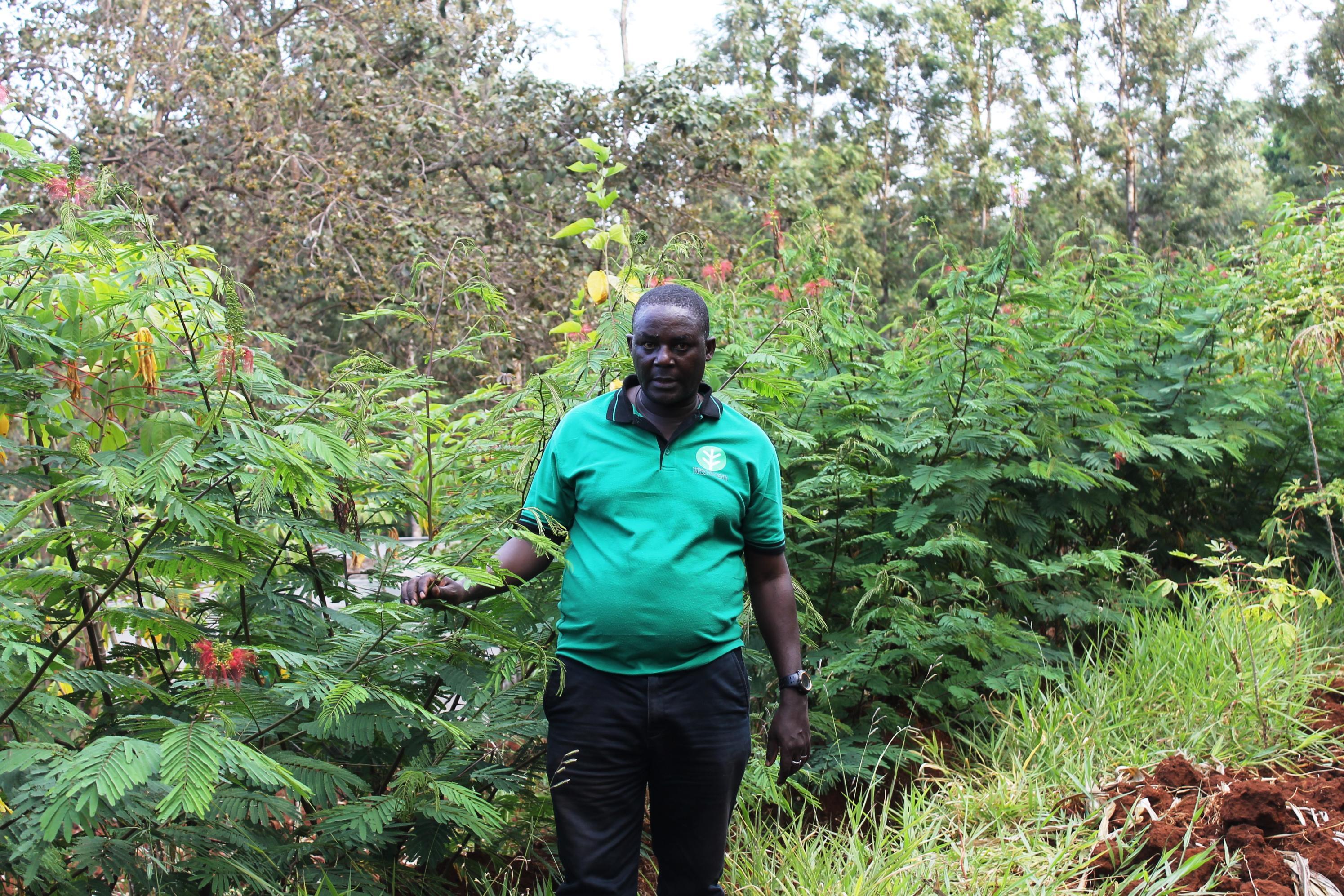
Looking to start a new chapter in restoring degraded forests – and find ways to directly support local farmers – he decided to start something of his own.
In 2012, he co‑founded Trees for Kenya to bring forests back to life, help farmers transition from monoculture to agroforestry, and plant trees in schools across the country—always working hand-in-hand with the communities who live closest to the land.
Fast forward to 2022, Trees For Kenya began working with Trees for Days to reach and support more farmers across the country.
Trees for Days is a G Adventures initiative in partnership with Planeterra that supports biodiversity conservation efforts. The aim is to grow trees that directly benefit communities around the world, and help them adapt to the growing impacts of climate change.
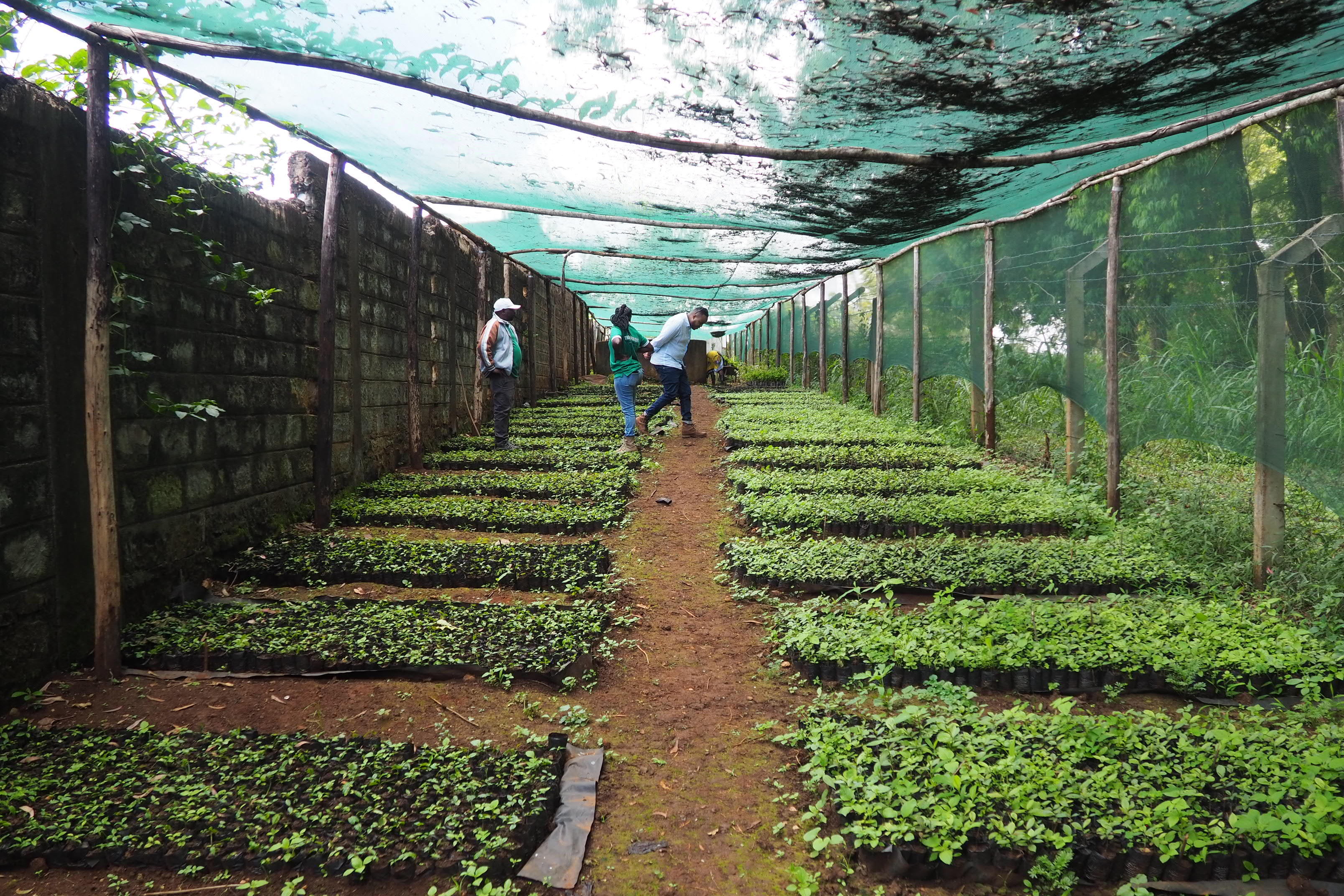
Climate change is the biggest challenge currently impacting Kenyan farmers, much like other parts of the world, explained Mugendi.
“There has been issues of change in weather patterns, farmers have been using chemical fertilizers which has made the soil very acidic, so they are unable to grow crops – through use of agroforestry, you can replenish the soil,” he said.
Agroforestry integrates diverse plant species that improve soil health, enhance water retention, and provide natural protection against extreme weather.
Additionally, Mugendi says it creates stable income streams by allowing farmers to harvest multiple products – such as avocados, mangoes and oranges – from the same land, reducing their reliance on any single crop.
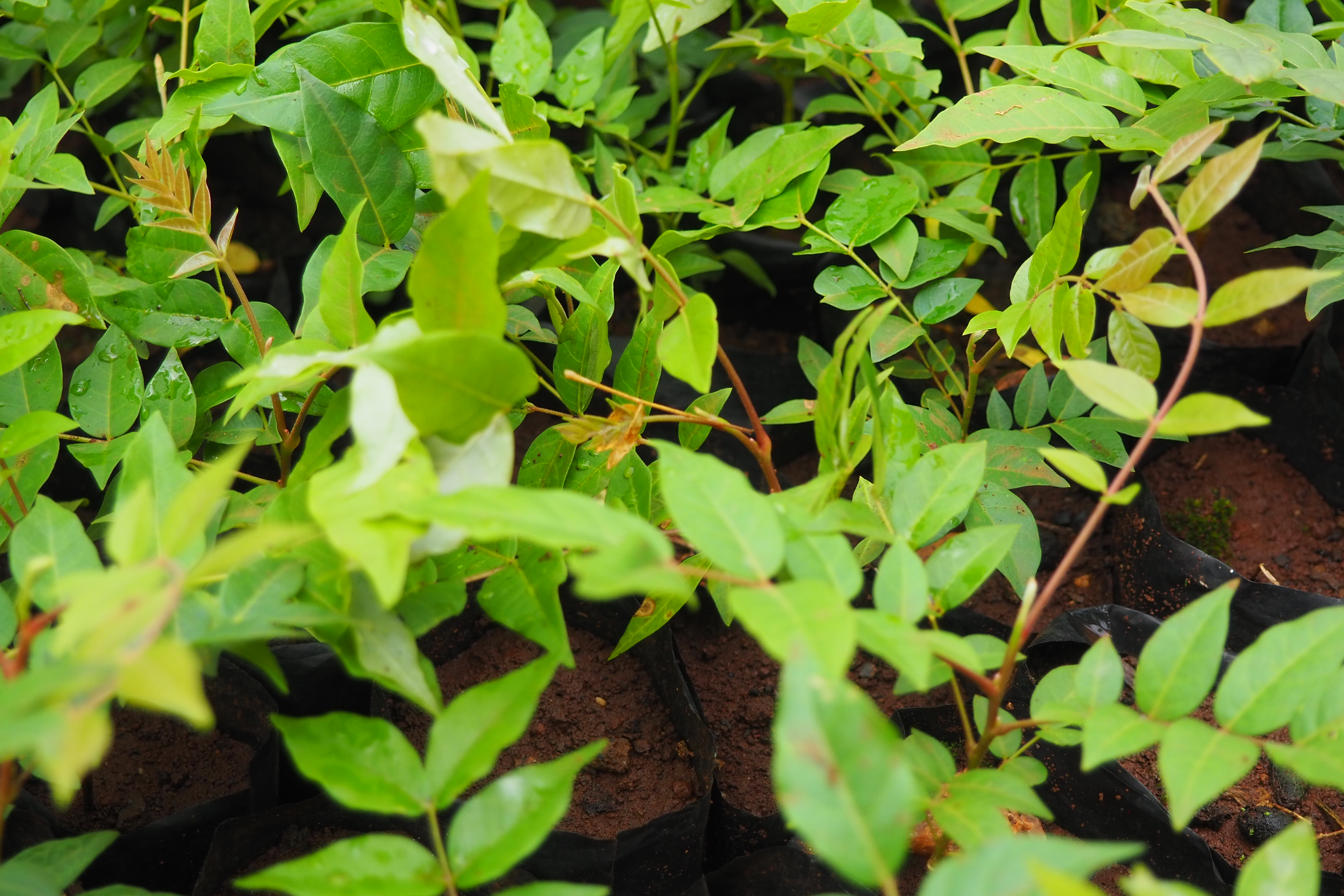
“We are planting 70 per cent native trees, and 30 per cent exotic. These are fast growing trees, and most farmers have a lot of appetite for that,” said Mugendi.
“We are planting within the Mount Kenya region. We are doing projects in Embu County, Tharaka-Nithi County, and last year we expanded to Kirinyaga County.”
Mugendi says since founding the organization in 2012, the team has planted more than 1.2 million trees through reforestation efforts and more than 6 million through agroforestry projects.
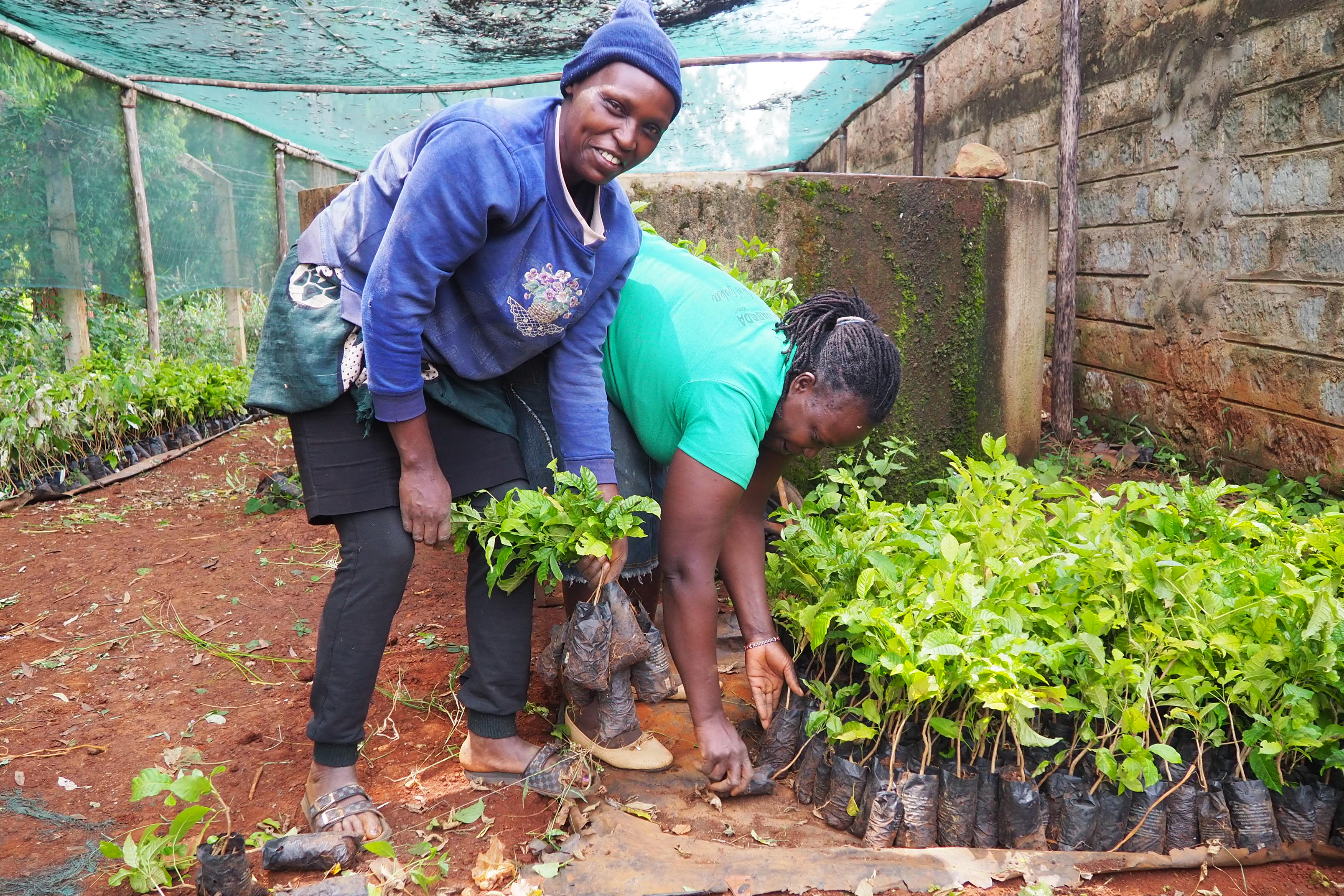
Trees For Kenya has also fostered a new sense of unity and camaraderie among Kenyan communities. The team intentionally creates space for women and youth to see themselves as leaders in agriculture and conservation.
Through their community and organizational nurseries, women and youth are trained to raise seedlings, manage trees, and support surrounding farmers – turning tree planting into education and employment opportunities.
Within schools, their Greening Schools program introduces children to environmental conservation at an early age, helping them understand how trees protect soil, water, and biodiversity.
“That project is aimed at instilling conservation knowledge to young people, so that when they grow up, they can use that knowledge to continue the work,” he said.
“In most cases, many students are not interested in agriculture, but now it’s a motivation that they can do agriculture, instead of thinking about white collar jobs.”
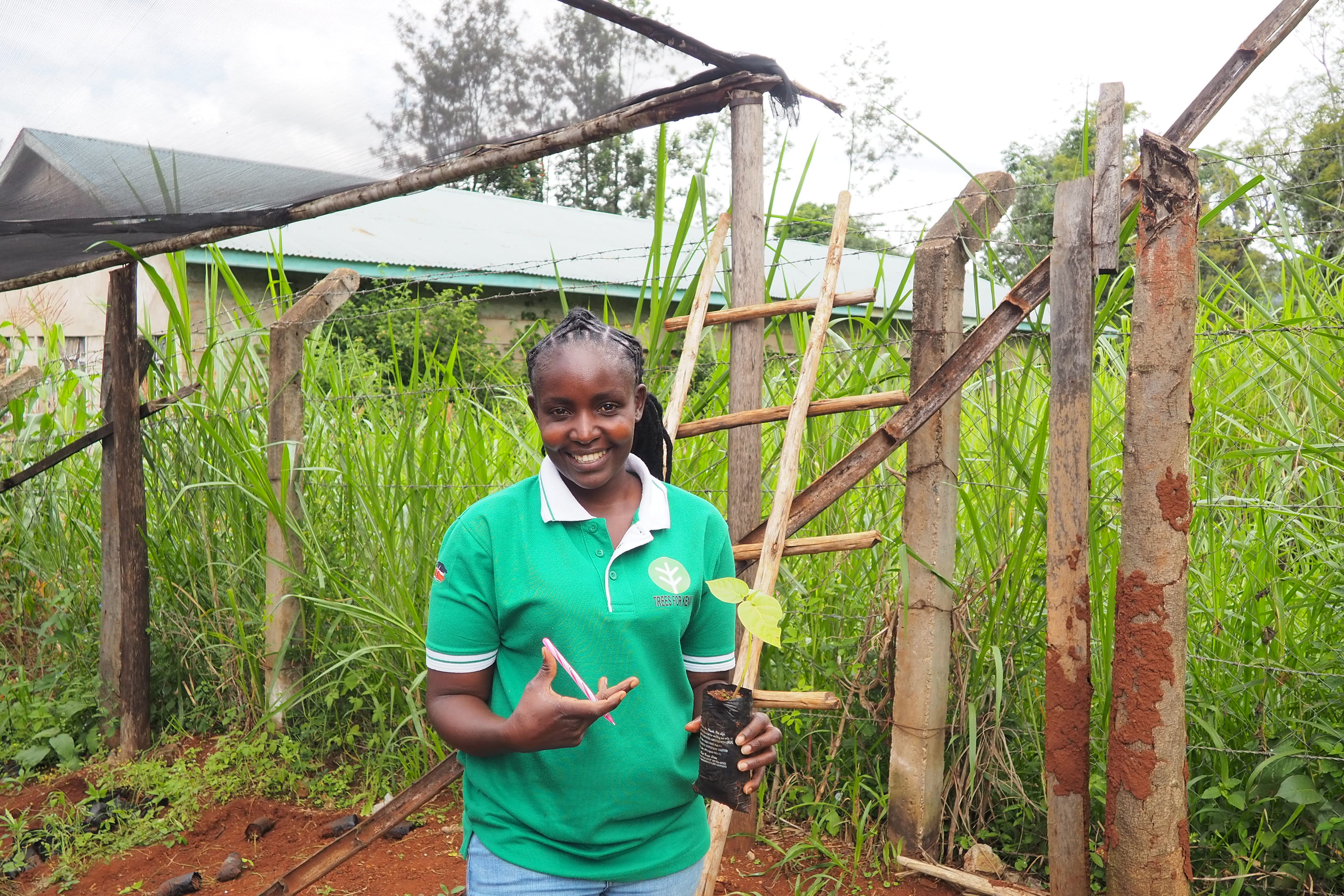
What’s more, Mugendi says that by pursuing tree planting projects across Kenya, it has sparked opportunities for ecotourism and agrotourism that go beyond the typical tourist landmarks.
“In most cases we think about tourism in Maasai Mara, where travellers go and see animals but now through this project I think they can be able to interact with our communities …and interested in agrotourism,” he said.
How an Indigenous community in the Philippines is restoring a rainforest
From rescue to release: inside Naxos Wildlife Protection’s turtle conservation
Meet the signature expert leading shorebird conservation efforts in China's Yellow Sea