Madi Wong
Editorial Content Lead
Editorial Content Lead
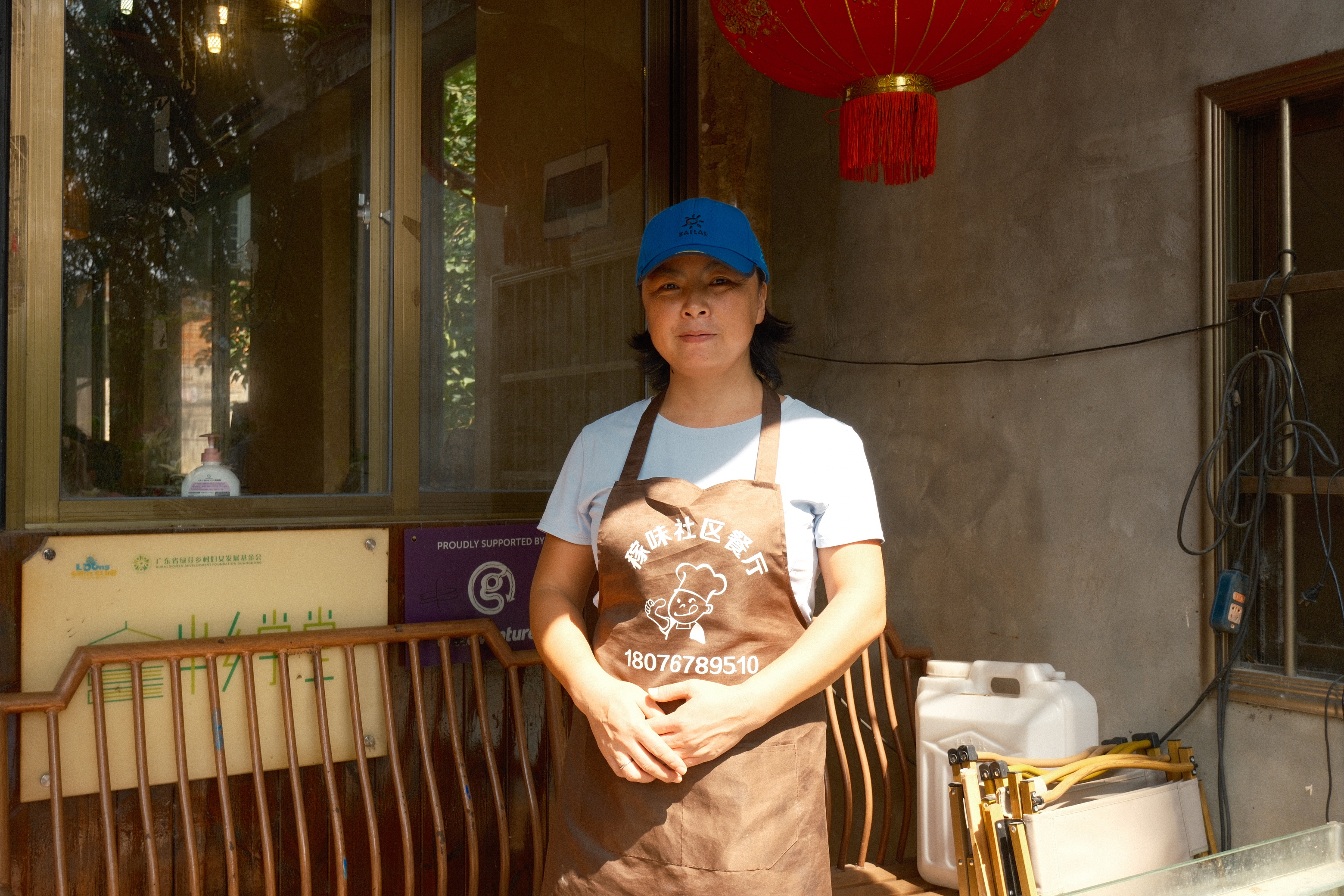
The story of Jia Community Restaurant began with a dream held by a determined local woman named Tomato.
Tomato and her husband used to work at a resort outside of their hometown in Liandaowan – a small village near Yangshuo, China – but decided to return in 2016.
When they came back, they realized their village had no public place where people could gather or meet.
Tomato also realized there were a handful of elderly women who could not read or write – and was determined to make a difference.
She envisioned creating a dedicated gathering space in Liandaowan where local women could gain economic independence, and children could have a safe environment to learn and foster community.
For years, Tomato participated in capacity-building programs organized by a regional non-profit, the Rural Women Development Foundation (RWDF).
Recognizing her ambition, RWDF partnered with Tomato to help turn her vision into reality. However, her plan required financial help for construction, as well as a sustainable stream of customers.
At the time, Planeterra – G Adventures’ non-profit partner aiming to develop and support community tourism around the world – was searching for a partner in rural China.
So when RWDF’s proposal arrived, the organization saw its potential and approved funding for the project in 2017.
"In China, we have a lot of people who live in the countryside, and this place is quite a rural area. A lot of women couldn't find a job, while husbands went to the city to work,” explained Leo Zhu, a Chief Experience Officer (CEO) in China.
“So how could they earn money? Finally, G Adventures and Planeterra supported this community – providing local food for our guests and creating opportunities."
The restaurant officially launched in 2018 with a celebration attended by over one hundred people from Liandaowan.
By providing stable jobs in cooking, management, and hospitality, Jia Community Restaurant offers women in Liandaowan a sustainable, local livelihood.
The impact of the initiative goes beyond providing employment. G Adventures and Planeterra have also funded educational trips for women in the village, allowing them to travel outside Liandaowan to visit other regions, gain new perspectives, and return with innovative ideas for local enterprise.
"Through the last few years, the women who live in this village, most of them can read and write Chinese characters now, and they have become more and more confident. You can see it right from their facial expressions,” said Tomato.
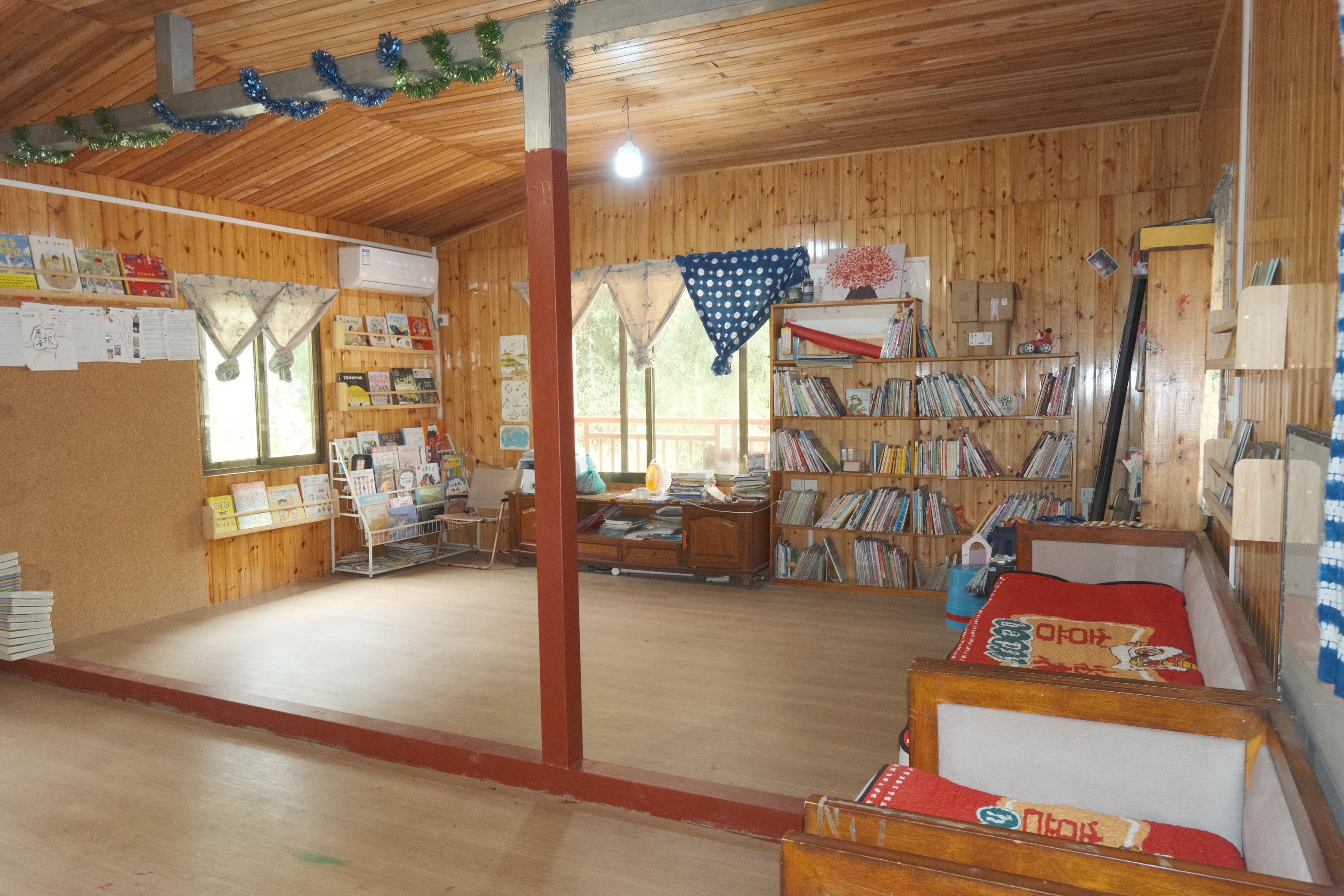
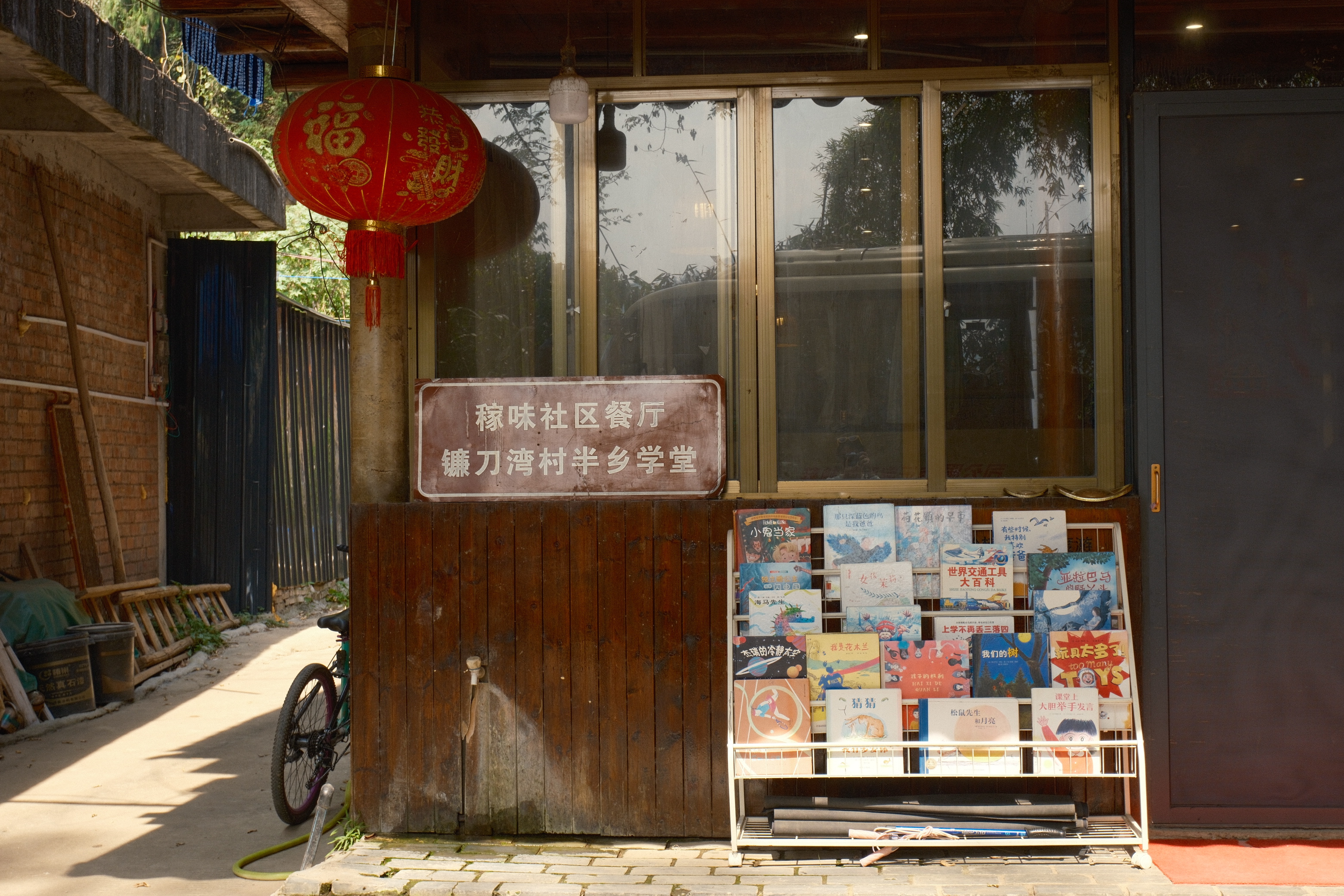
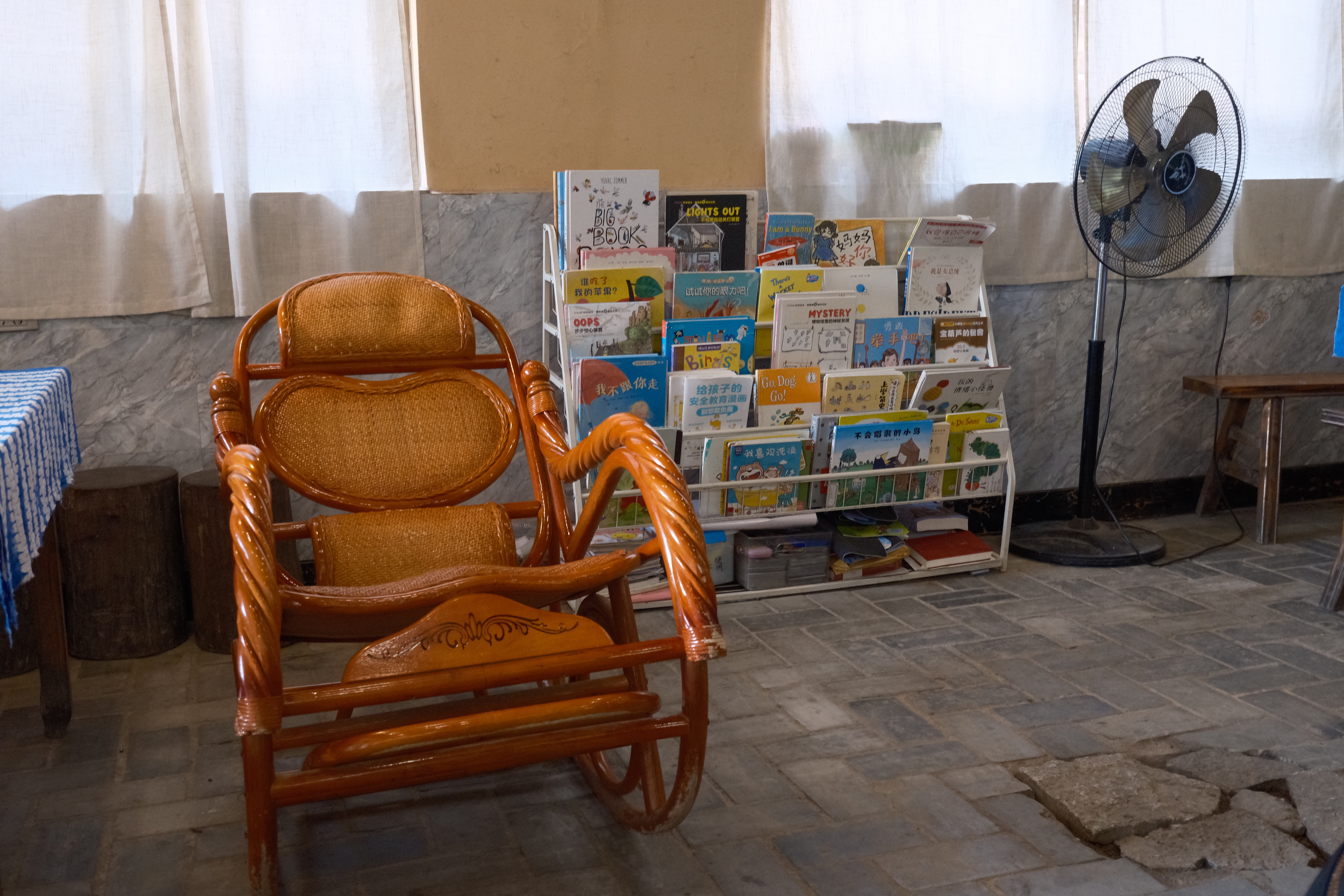
While the ground floor of Jia Community Restaurant serves as a dining space, the second floor has been transformed into a space for the village’s children and youth.
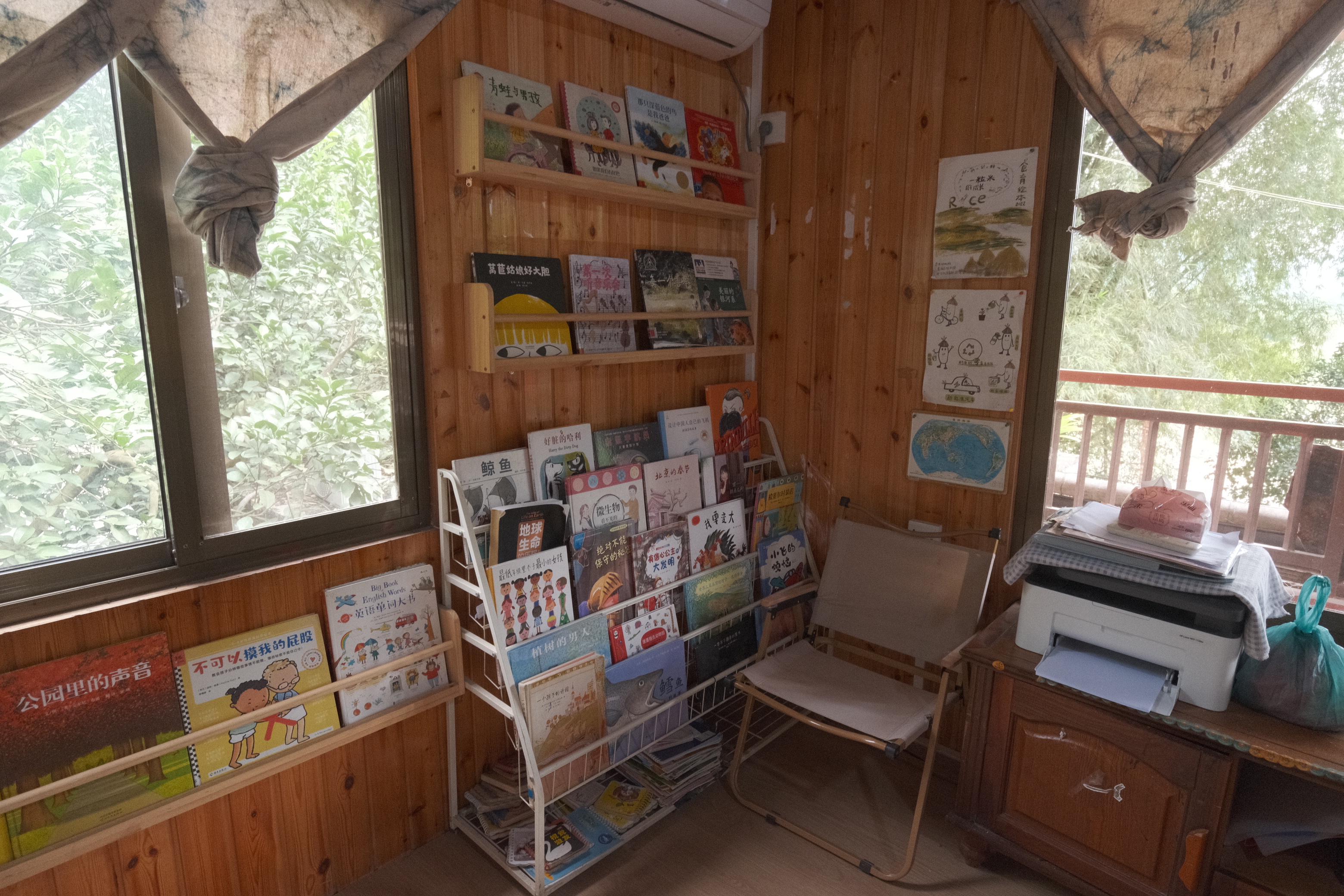
Equipped with bookshelves, seating and study materials, Tomato and the team have turned the upper level into a library and community centre.
“For the kids who live surrounding this area, if their parents don't have time to take care of them, they can come here to eat lunch or dinner, which is free. During weekends or summer vacation, they can go to the library to rest and read books,” said Tomato.
The second floor also hosts regular literacy classes, community workshops conducted by RWDF, and weekly movie nights for children.
Tomato and a small team of women have also been working together to create a study booklet to invite students from outside Liandaowan to learn about their initiatives.
“The teachers can contact Tomato and maybe say, ‘Our classroom wants to come to your village, make a day or half-day study trip,’” explained Zhu.
“And those women who live in this village, they can show them this village, tell them about the environment, about fruits, and also cook for them. Which is very good.”
And as part of some G Adventures tours in China, travellers make a stop at Jia Community Restaurant to dine and support the team.
In addition to economic development and youth welfare, Jia Community Restaurant has emerged as a model for environmental stewardship.
Tomato leads weekly volunteer walks along the nearby riverbanks to pick up trash left by passersby, turning these outings into hands-on ecological lessons for village youth.
Children in the village are also taught about the longevity of plastic waste and the importance of preserving natural resources.
"Right now in this area, people have learned how to divide rubbish into wet and dry waste. For me, I think it's unbelievable, even in major cities like Beijing or Shanghai, people only started a few years ago and often find it difficult,” said Zhu.
“But here, people learned from this project and want to give back to the environment.”
By offering local culinary experiences for travellers and directly supporting rural women, childhood education, and environmental protection, Jia Community Restaurant aims to stand as a model of how tourism can empower local people.