Madi Wong
Editorial Content Lead
Editorial Content Lead
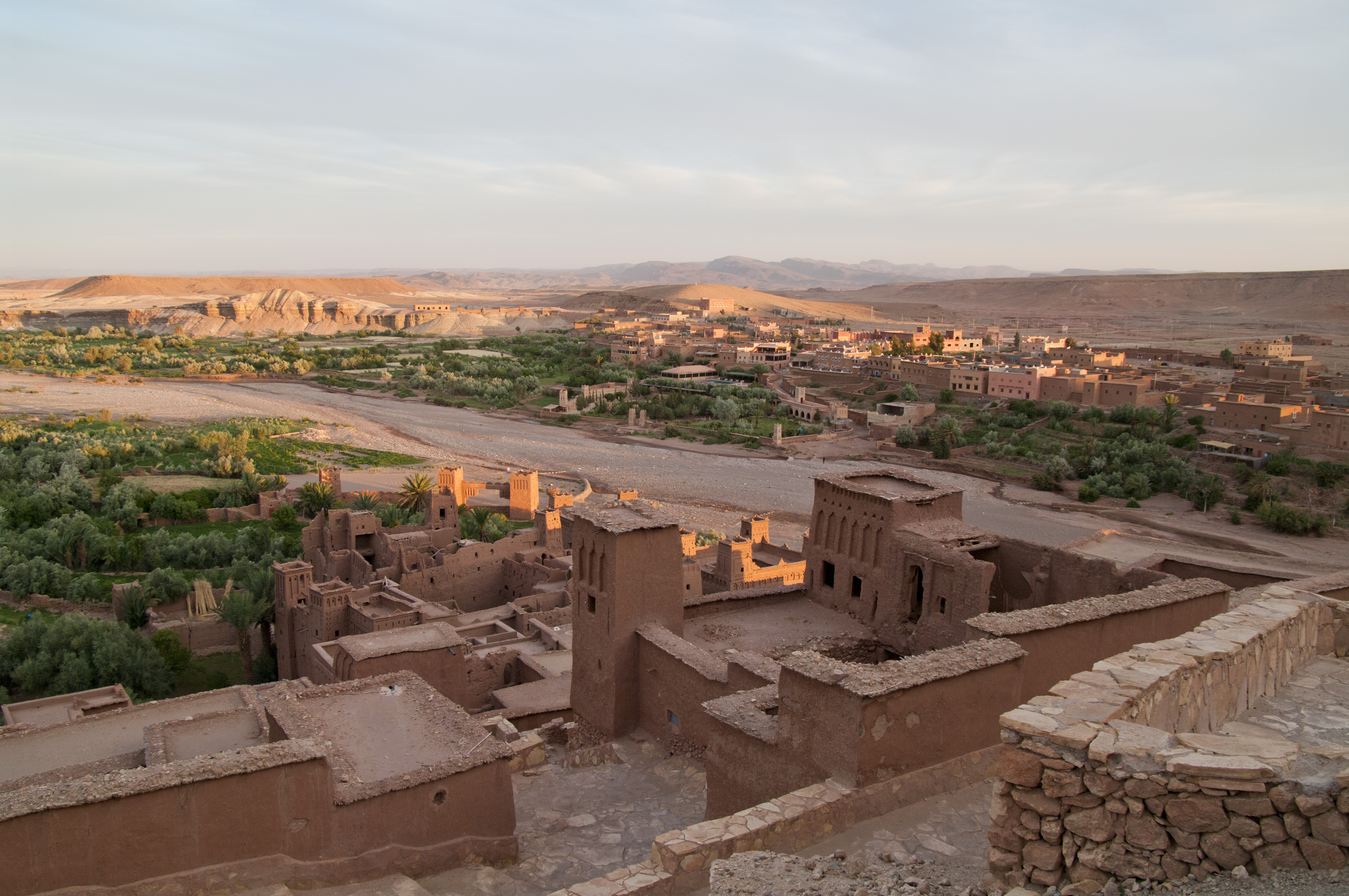
In 1995, Yossef Ben-Meir reached the end of his tenure as a Peace Corps volunteer in Morocco, but felt drawn to continue community development work in the country.
After witnessing the realities of rural life – the scarcity of clean water, systemic barriers to girls’ education, and the persistent cycle of poverty – Ben-Meir was determined to find a way to uplift Moroccan communities.
"I felt I could not simply walk away from the enormous difficulty that rural families in Morocco face," Ben-Meir recalls.
Following a period of directing the agriculture and environment sector in Morocco with the Peace Corps – and completing doctoral research into the history and consequences of the participatory approach to development – Ben-Meir’s vision finally came to fruition in 2000.
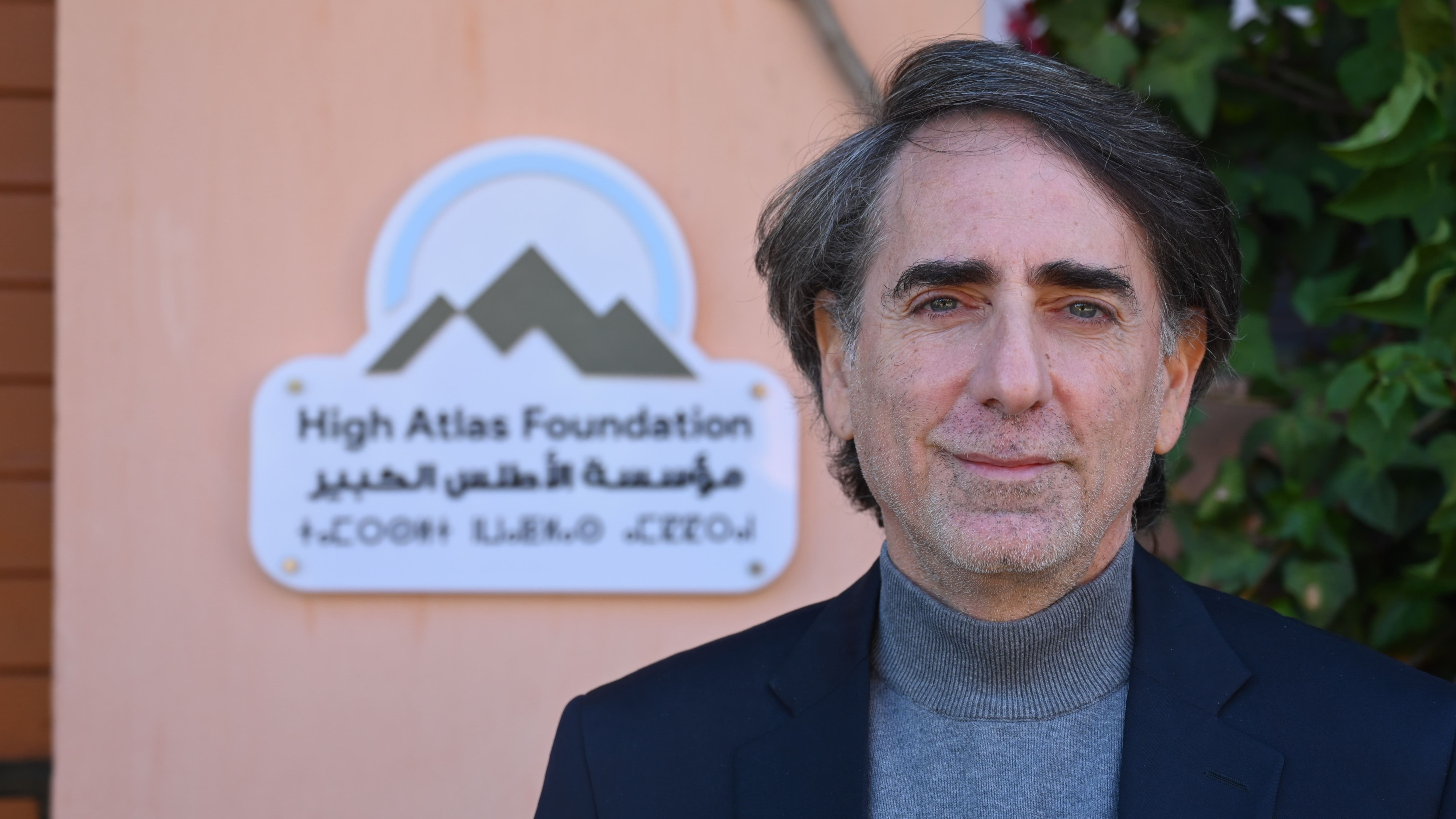
After filing the articles of incorporation in New Mexico, he officially founded High Atlas Foundation (HAF), a nonprofit committed to sustainable development in Morocco.
At its core, Ben-Meir says HAF was founded to play a role that many organizations overlook: the third-party facilitator.
“This third party role we found to be key to enable the ongoing community discussions and partnership building in order to achieve project development. This became the core of the mission of HAF,” explained Ben-Meir.
“Community decision making for development is also the primary factor that enables sustainable development. People's participation and management of their own development course is vital for sustainability to take place.”
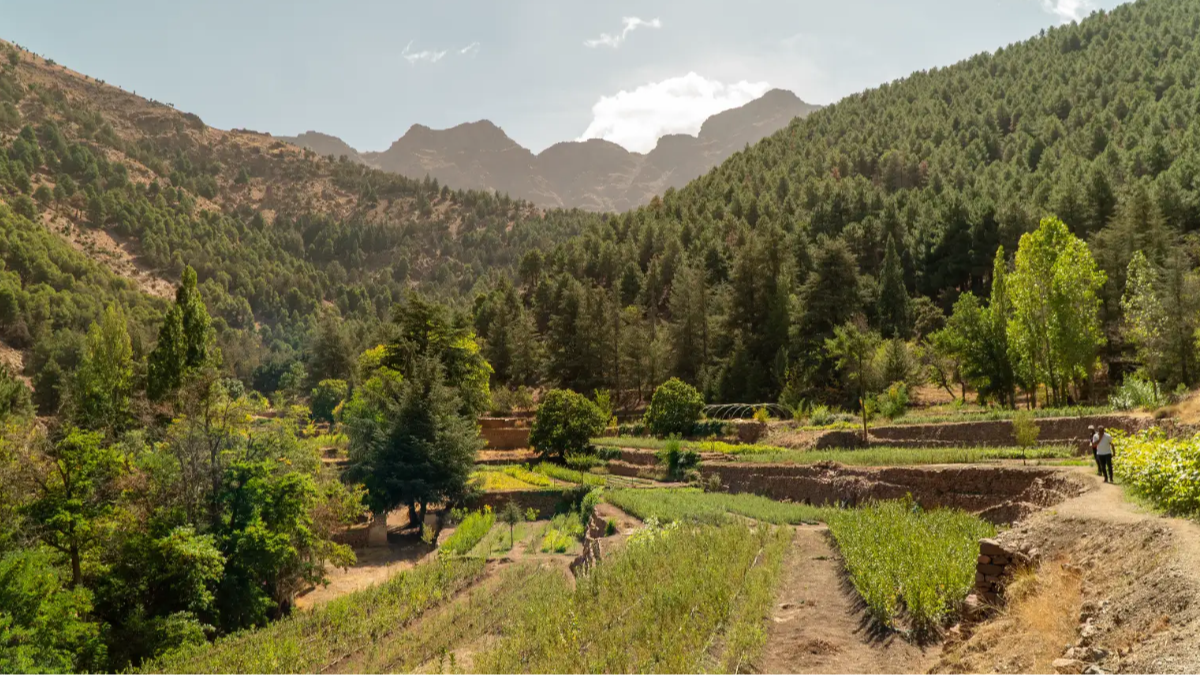
While HAF has a number of projects, a lot of their work heavily focuses on tree planting across Morocco, as climate change, mountain terracing and drought conditions have significantly impacted the supply of fruit trees.
According to Ben-Meir, 70 per cent of the country’s agricultural land generates 10 to 15 per cent of agricultural revenue.
And for generations, farming families have relied on growing barley and corn – but with more than 50 per cent of these staples being imported – and with the price of yields remaining low, rural families have found it difficult to achieve food security.
“The Ministry of Agriculture suggested some multiple billions of trees are needed in Morocco. After these decades of planting trees with families, we feel we are in the prime position to accomplish increasing scale and support rural families who experience the most poverty in Morocco to overcome their very difficult life conditions,” he said.
The HAF implements fruit tree planting with farming communities in all 12 regions in the country.
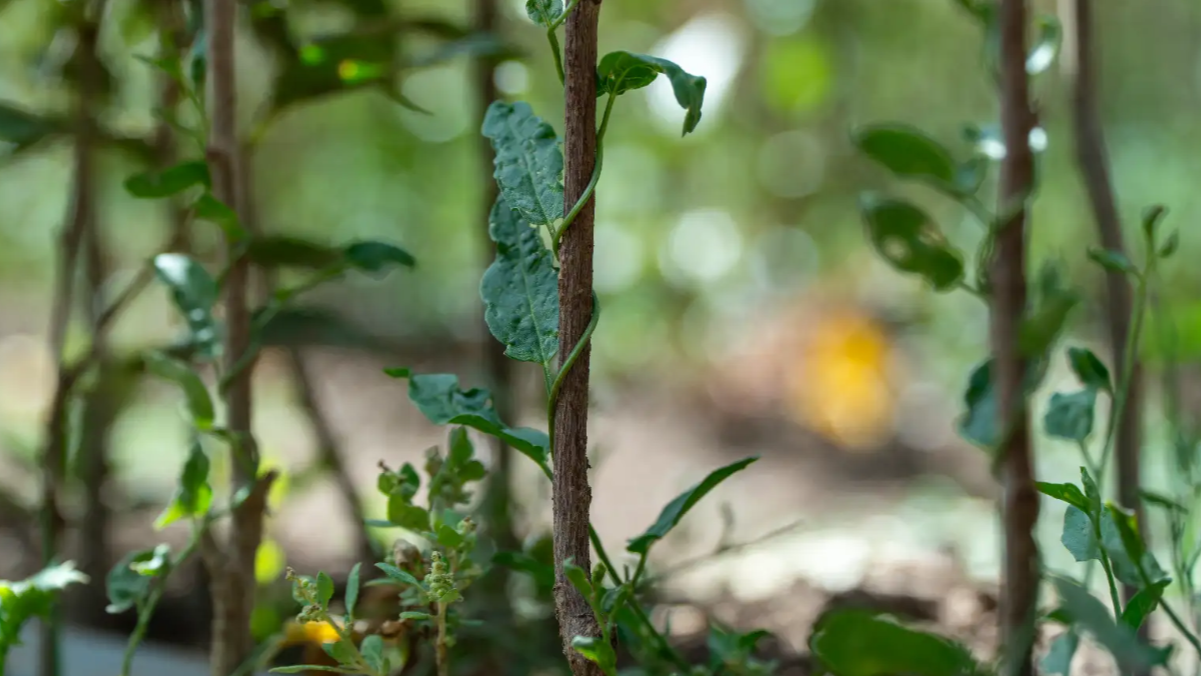
Ben-Meir says the team has more than 20 partners that have helped them achieve fruit tree planting goals, including Trees for Days, a G Adventures initiative in partnership with Planeterra, that supports biodiversity conservation efforts.
According to Ben-Meir, this collaboration in particular has supported HAF planting 447,107 trees with farming families and the growth of 364,597 saplings in community-managed nurseries.
“The steady commitment and partnership of Planeterra has been wonderful for farming families in the country,” he said.
“In addition, Planeterra supports opportunities with the farming communities including women-owned cooperatives and their production activities to achieve increasing financial independence.”
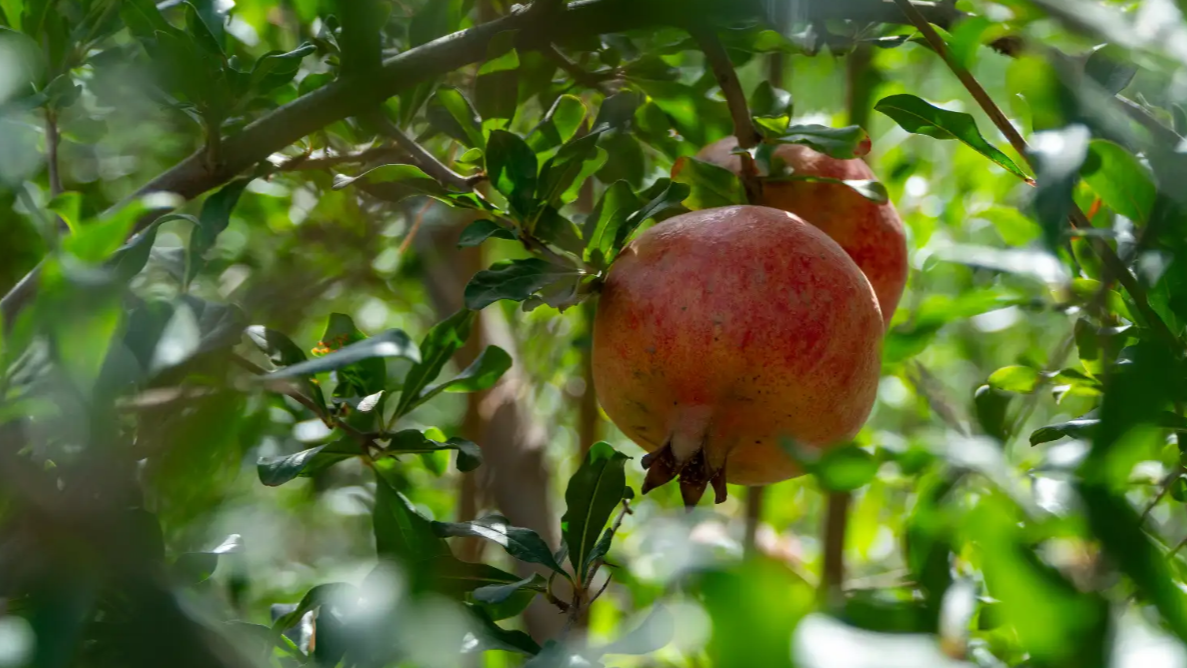
Between 2003 and 2014, HAF and its partners planted their first million trees. Today, the organization supports nine community-managed nurseries that have the capacity to generate four million trees annually.
The strategy for this growth has evolved, Ben-Meir explains. In the early years, HAF purchased trees from private nurseries to distribute to families.
But, in 2006, they pivoted to helping communities build their own community-managed tree nurseries. This shift drastically reduced the cost per tree, and it empowered local communities.
In 2019, farmers began to pay a symbolic price of two Moroccan dirhams per tree, a fraction of their private nursery cost, which became an important contribution to ensure their commitment and ongoing maintenance of the trees year after year.
“The survival rate of the trees increased by 11 per cent when we had instituted the symbolic cost as a contribution from the farming families,” said Ben-Meir.
At HAF, the organization’s work stretches far beyond tree planting. Ben-Meir says the team continues to support community-led projects in clean drinking water, family literacy, waste management, and youth-driven enterprises.
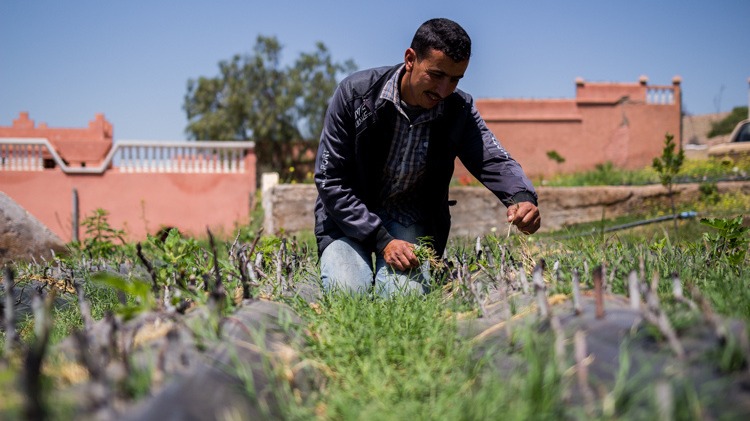
And for those visiting Morocco, Ben-Meir says tourism is an educational opportunity.
“The importance of engaging travellers is to provide them a frame of reference of what it takes to achieve genuine empowerment in Morocco and the sustainability of growth,” he said.
“It is also so important to share with people from all around the world Morocco’s multiculturalism and how the nation harnesses its diversity to achieve broadly desired development outcomes with the people.”
From deforestation to regeneration: Meet the team planting millions of trees in Kenya
How this British Columbia project is restoring Canada's disappearing kelp forests
How an Indigenous community in the Philippines is restoring a rainforest