Madi Wong
Editorial Content Lead
Editorial Content Lead
Hanoi is a city of life lived on the streets, where the hum of motorbikes and the clatter of street-side bowls of pho create what Anthony Slewka describes as “a sort of musical disorganization.”
In the heart of the city, stands a landmark that has been part of the cultural fabric of the city for over 125 years: The Sofitel Legend Metropole Hanoi
Slewka, hotel manager, says the team hopes to have guests leave with ”a sense of place, a sense of authenticity, and a little bit of romance as well as nostalgia.”
To walk through its doors is to step out of the frantic rhythm of the streets of Vietnam and into a space where history, luxury, and nostalgia collide.
“The hotel has remained a constant through the city’s major shifts, from the colonial era to the French War, the American War, and all the happenings in-between, up until the modern day,” said Slewka.
“It has evolved alongside Hanoi, representing the intersection of ancient tradition and modern growth.”
Explore Vietnam on National Geographic Signature with G Adventures:
Signature: Vietnam from the Mekong Delta to Hanoi
Signature: Vietnam, Laos & the Temples of Cambodia
The story of the Metropole began at the turn of the 20th century. In 1901, the hotel opened its doors, born from the ambition of two French investors, Gustave-Emile Dumoutier and André Ducamp.
At the time, the French colonial government was actively reshaping Hanoi, clearing land to establish the state bank, the post office, and the government’s residence.
The hotel was designed to be the crown jewel of this new administrative infrastructure. From its inception, the Grand Hôtel Métropole Palace — later known simply as ‘le Métropole’ — was the centre of high society life. It hosted grand balls and the first motion picture screenings in the capital of Indochina.
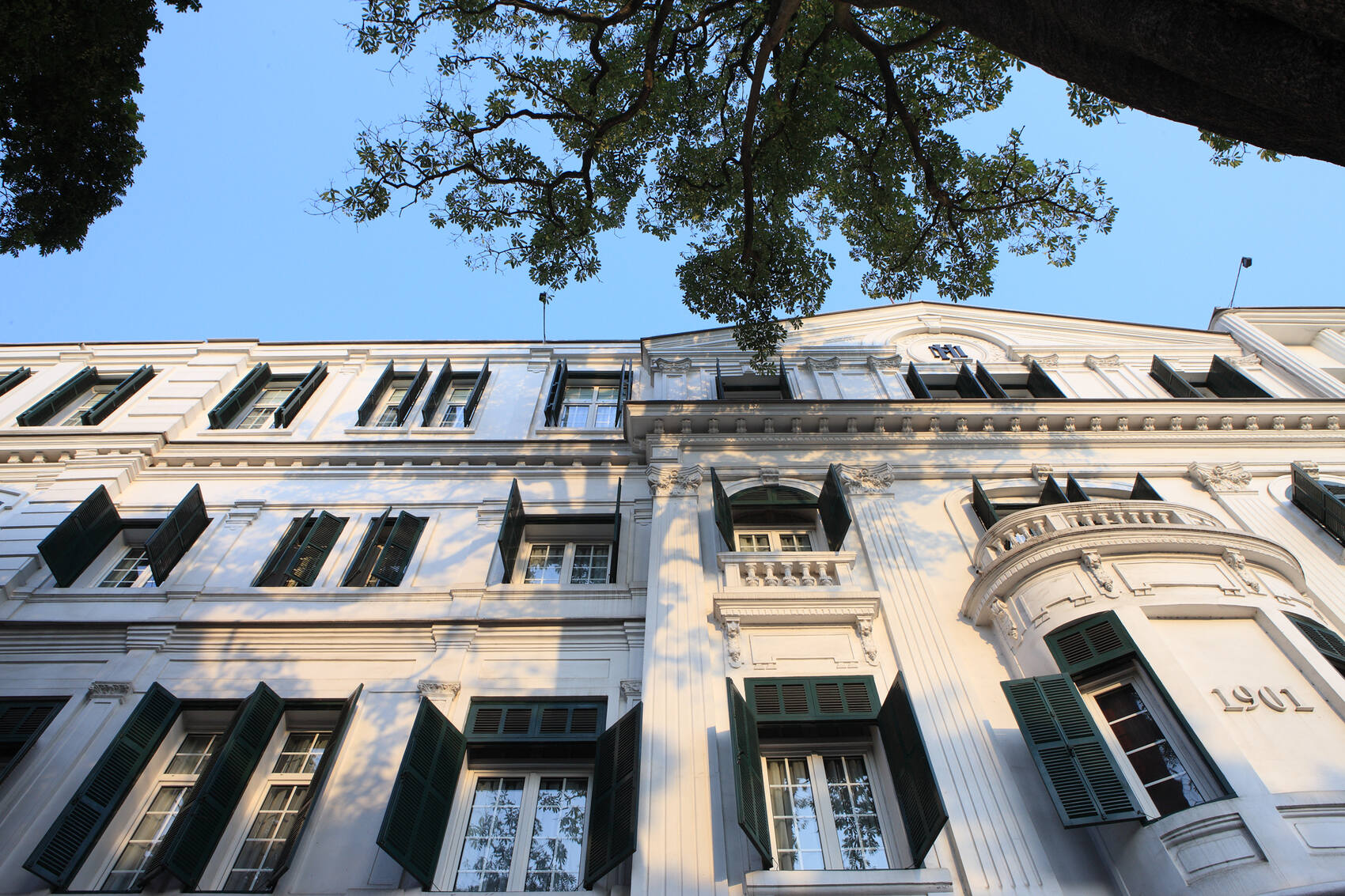
The Metropole’s charm lies in its architecture. The exterior of the building is a classic white facade adorned with green shutters and original wrought iron, transporting guests back to the colonial era.
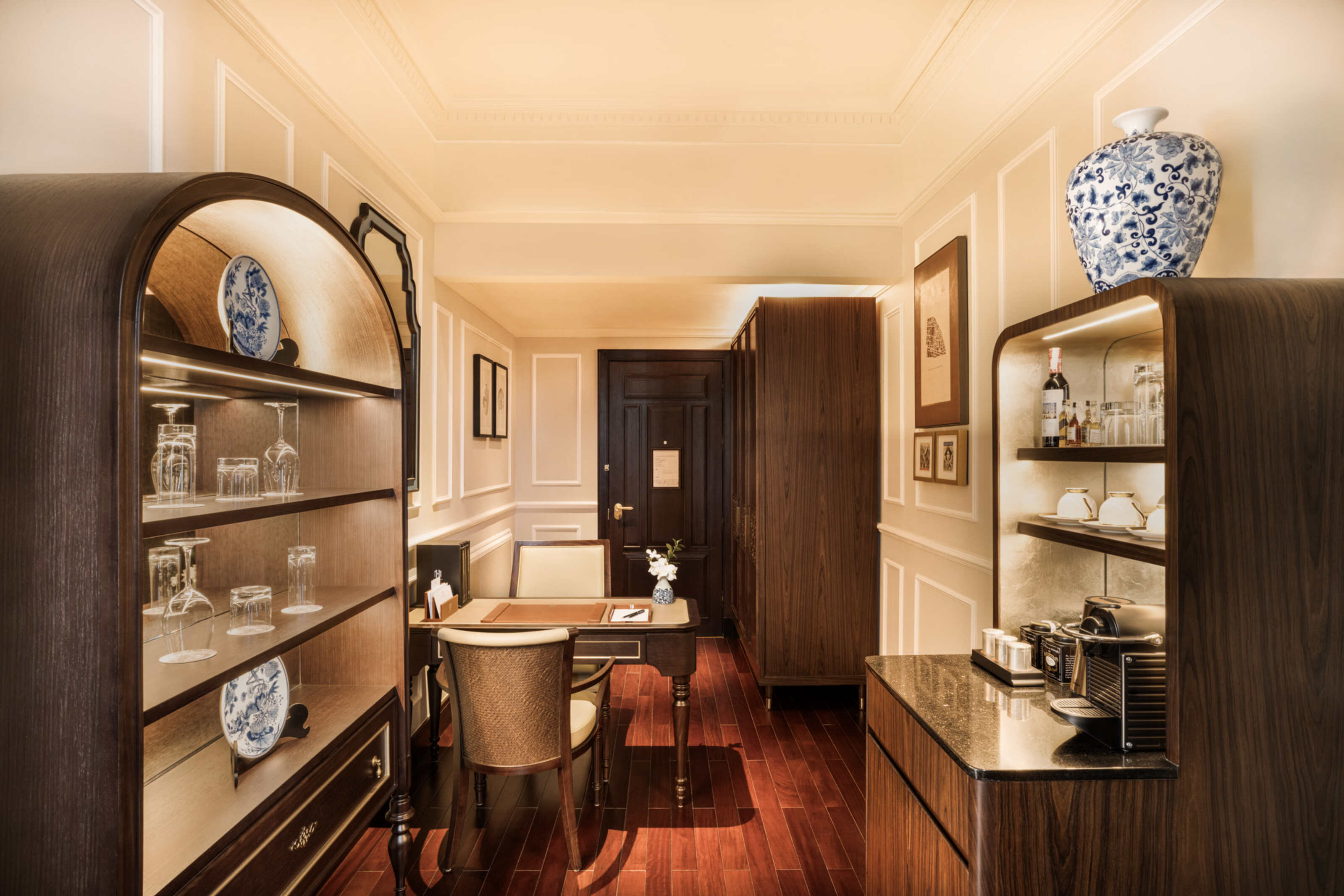
Inside, the hotel’s Heritage Wing is a fusion of classical French colonial architecture and Vietnamese aesthetics. It maintains a traditional, timeless feel while incorporating bespoke modern comforts.
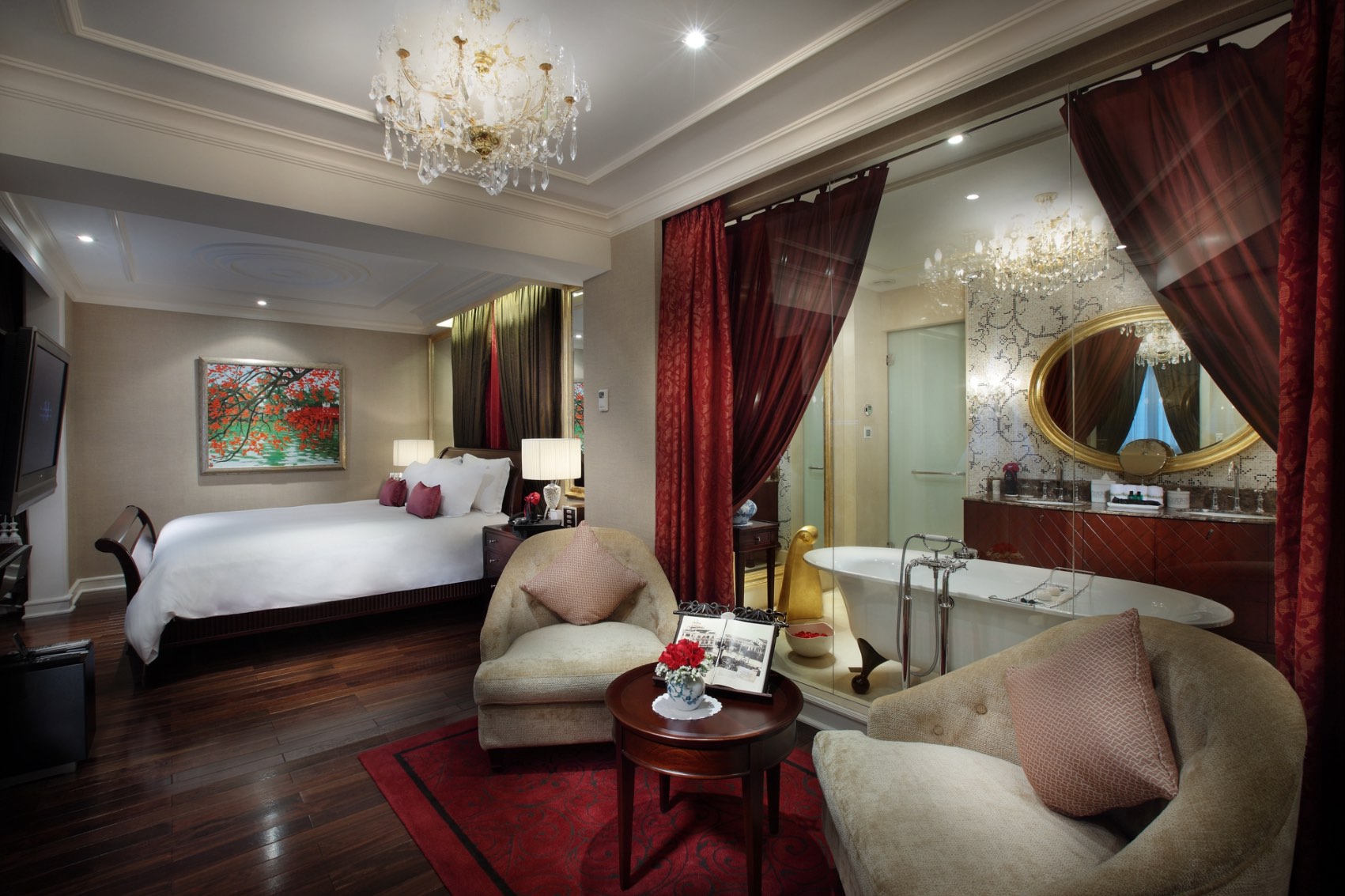
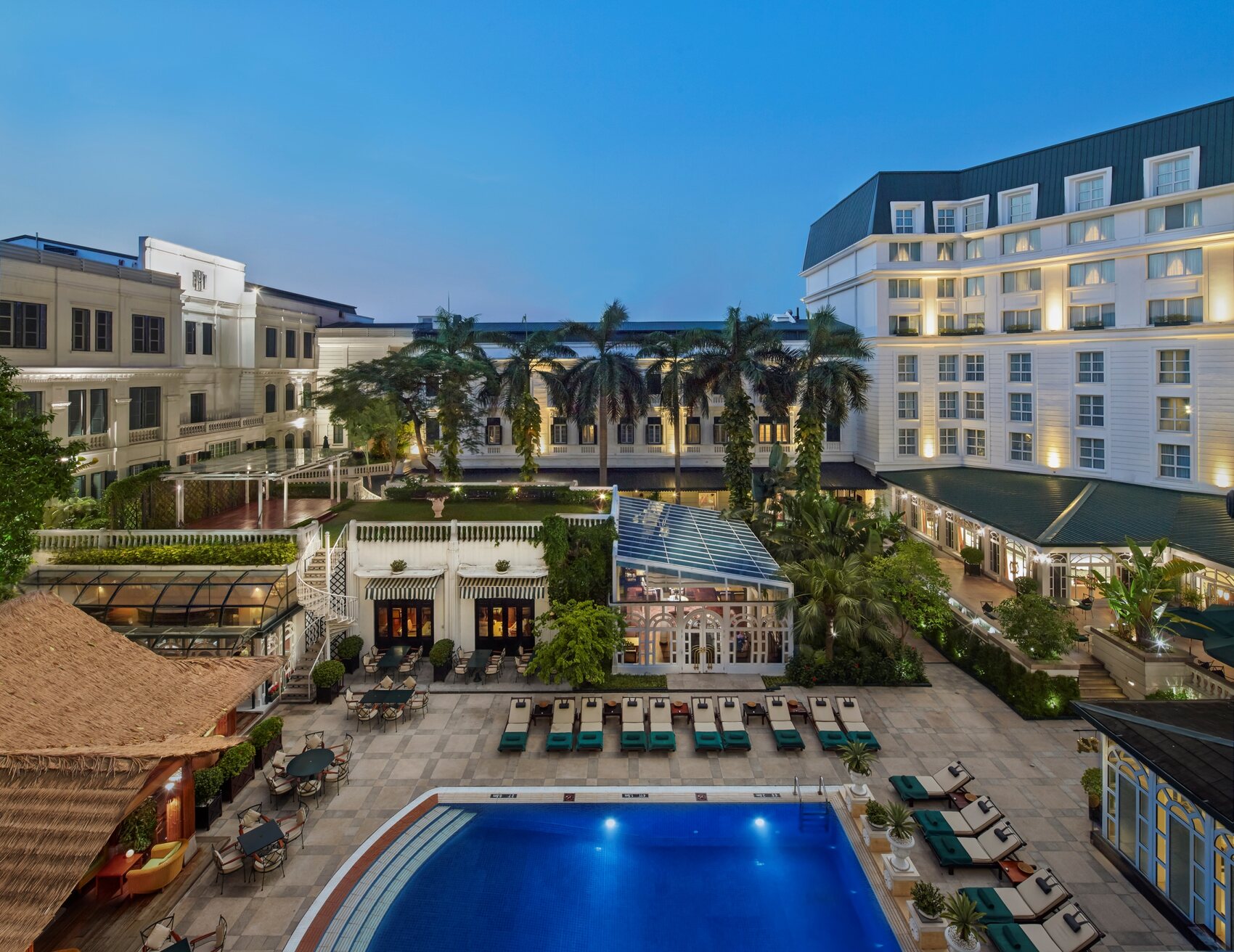
By contrast, the Opera Wing, which opened in 1996, offers a contemporary European neoclassical approach, utilising a sophisticated, high-contrast palette of red, black, and white.
"Our architecture and design are inspired by the richness of classical French architecture, subtly infused with touches of local Vietnamese elements," says Slewka.
"Details around the hotel tell a story of its graceful heritage and timeless elegance."
Following the Battle of Dien Bien Phu in 1954, the hotel was taken over by the government and renamed the ‘Thong Nhat’ (Reunification Hotel). During the American War (also known as the Vietnam War), the building fell into a state of disrepair due to the scarcity of resources and the focus on the conflict.
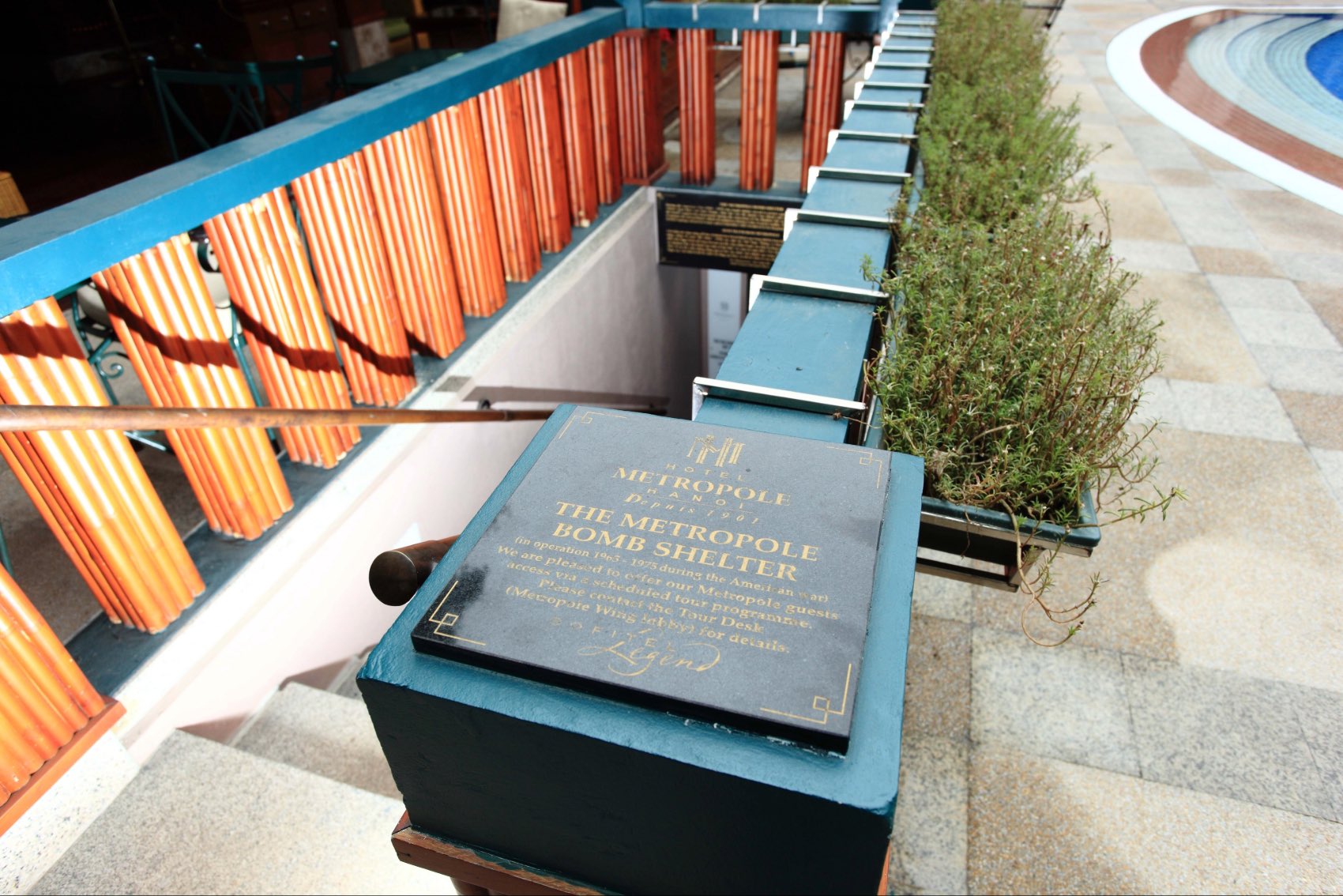
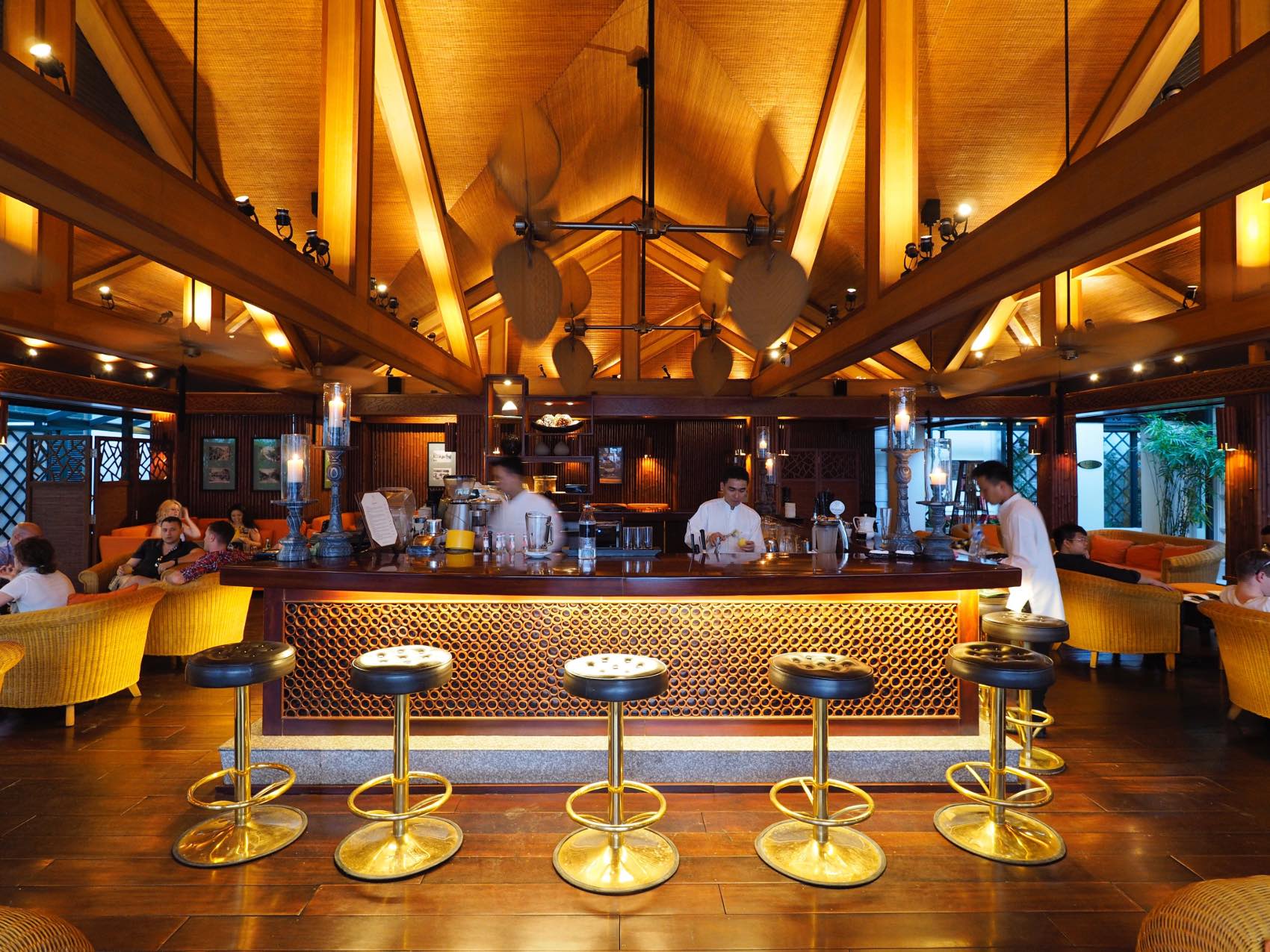
During the renovation of the hotel’s Bamboo Bar in 2011, engineers made a startling discovery: a complex of bunkers buried beneath the hotel grounds.
These chambers had once served as a bomb shelter for guests — including figures like Joan Baez and Jane Fonda — during the air raids of the 1960s and 70s.
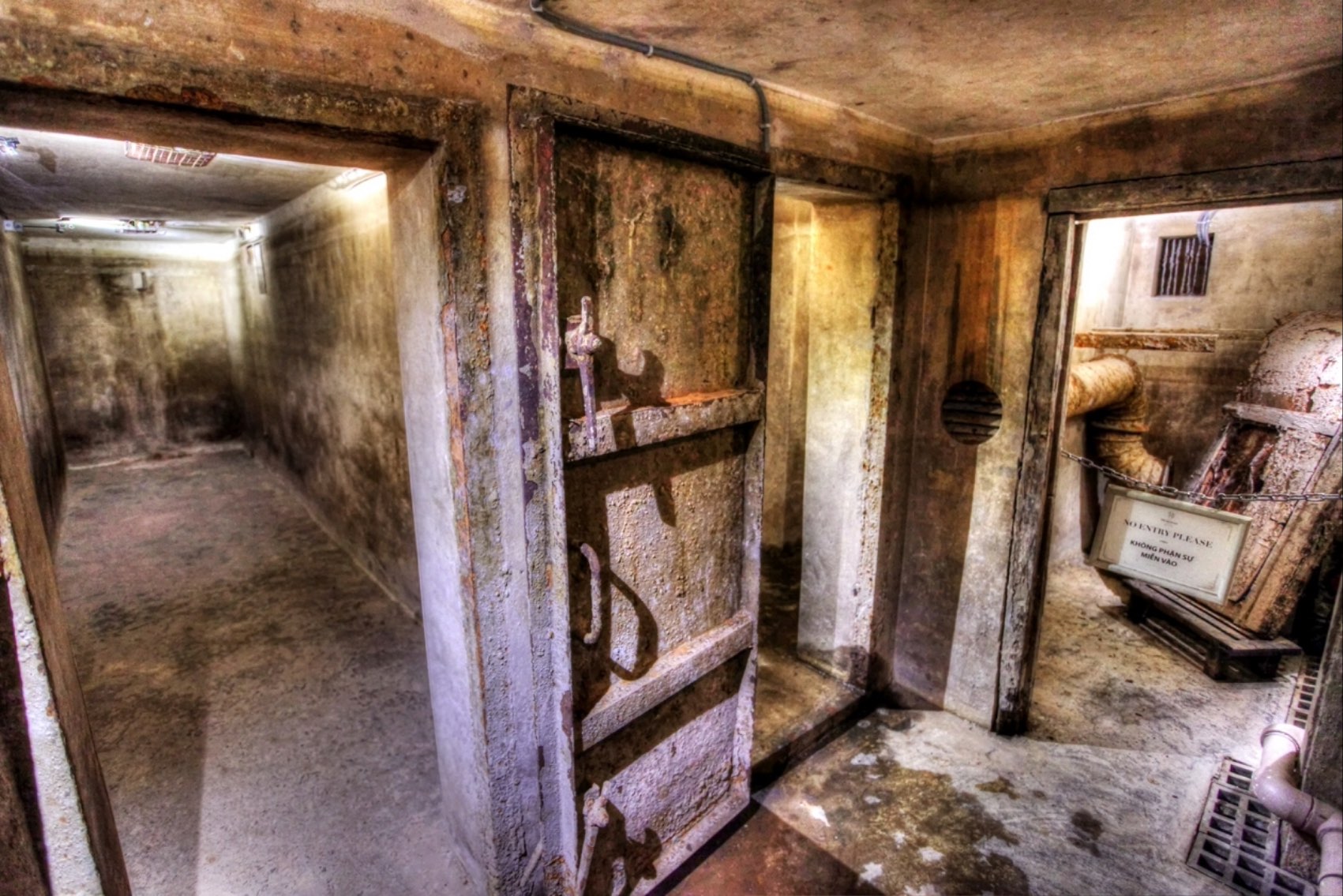
"The bunker was carefully restored and reopened in May 2012 to honour the profound courage of our Metropole Ambassadors and the enduring resilience of Hanoi during those challenging times,” said Slewka.
“Today, daily tours of Metropole’s Path of History and the Bomb Shelter with our resident historians are offered exclusively for guests staying at the hotel.”
In 2013, the hotel was honoured with a UNESCO Award for Cultural Heritage in recognition of its efforts to preserve special historical values.
While the history and architecture draw the eye, it is the service that Slewka emphasizes will leave a lasting impression on visitors.
"Luxury at the Metropole is about setting the traveler at ease … Whether you’d like a specific martini, a steak cooked a certain way, or a favorite pasta not on the menu, we make it possible," he says.
The hotel’s 24/7 Majordome (butler) service is the heartbeat of this commitment. "It’s not just that we anticipate your needs; we have your needs, whatever is required for your comfort," he adds.
This dedication is paired with world-class amenities, including culinary options such as the Michelin-selected Le Beaulieu restaurant, which is believed to be the oldest continually operating restaurant in Vietnam.
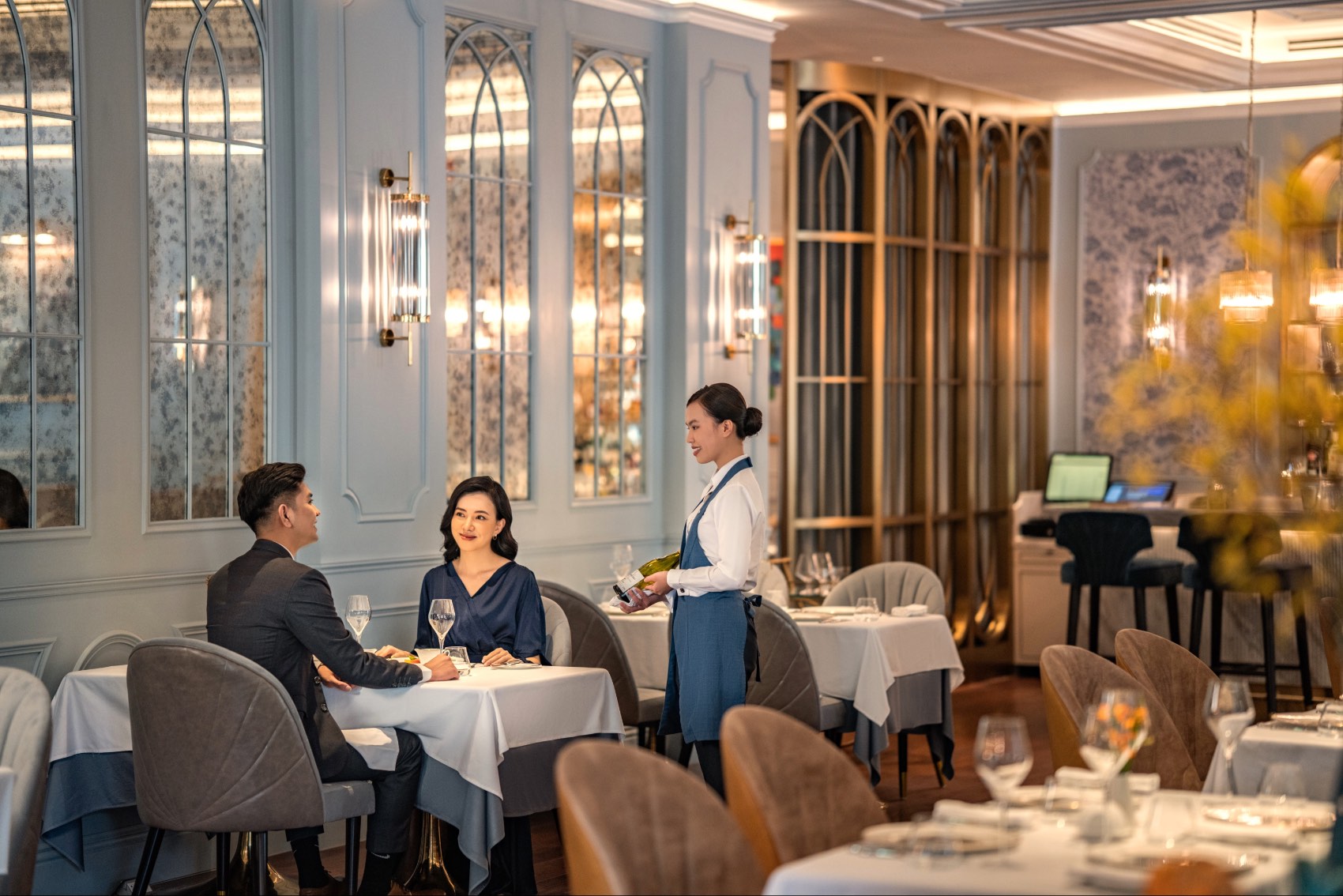
Whether travellers are drawn to visit Hanoi for the culinary scene, the ambiance of the bustling North, or the quiet romance of the hotel itself, Slewka says the hotel’s goal remains the same.
"We want guests to leave with a sense of place, a sense of authenticity, and a little bit of romance as well as nostalgia," says Slewka.
"The experience should feel both culturally and historically immersive. Ultimately, we want our guests to feel as though they have become part of the ongoing stories of a legend."
Read more stories like this:
How one luxury hotel is preserving Newari architecture in Nepal
How this National Geographic expert enriches and educates travellers
National Geographic Signature with G Adventures: travel that goes deeper